
Medical Disclaimer: This content is for educational purposes only. It is not medical advice. Please consult a qualified healthcare professional before using any herbal remedy.
Safety Overview
1.Blue Star Fern — Essential Profile
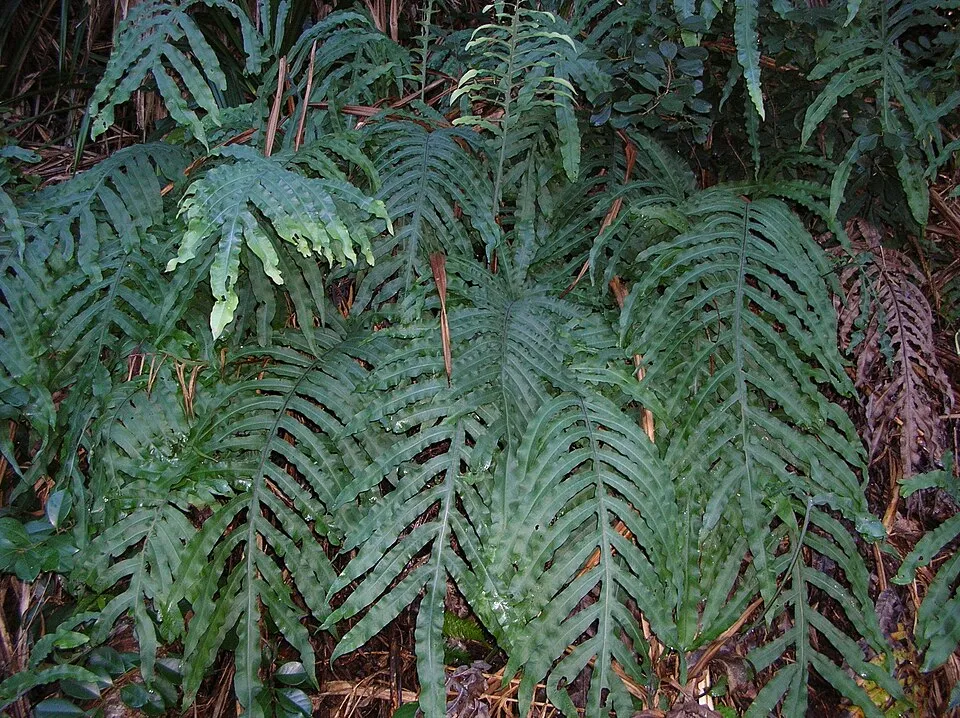
Phlebodium aureum, widely recognized as the Blue Star Fern, Hare's Foot Fern, or Golden Polypody, is a striking epiphytic and lithophytic fern indigenous to the tropical and subtropical Americas, spanning from Florida and the Caribbean through Central and South America. This species distinguishes itself with its unique growth habit, primarily colonizing tree trunks and rocks, absorbing moisture and nutrients from the atmosphere and decaying organic matter rather than soil.
This adaptation is crucial for its care as a houseplant. Belonging to the diverse Polypodiaceae family, its botanical epithet 'aureum' refers to the golden-yellow sori (spore cases) visible on the underside of its fronds.
Morphologically, the Blue Star Fern is captivating, featuring distinctive blue-green, undulate to deeply lobed fronds that can extend up to 90 centimeters (3 feet) in optimal conditions. These fronds are coated with a glaucous, waxy cuticle, which not only imparts their characteristic 'blue star' hue but also serves a vital physiological role in minimizing water loss, a key adaptation for its epiphytic lifestyle.
Its robust, creeping rhizomes, often covered in golden-brown scales, anchor the plant to its substrate and contribute to its common name, Hare's Foot Fern. The historical and ethnobotanical records indicate its traditional recognition for both its aesthetic appeal and its perceived medicinal attributes by indigenous cultures within its native range.
Trusted Scientific References
1. Authoritative external sources for Phlebodium aureum
1.1 Wikipedia — Phlebodium aureum
1.2 Kew POWO (Plants of the World Online)
1.3 PubMed — peer-reviewed research
1.4 NCBI Taxonomy Browser
1.5 GBIF — Global Biodiversity
1.6Blue Star Fern should be interpreted through verified botanical identity, practical care, and responsible safety language. This recovery note adds the missing context needed for a complete profile: match light to the plant's habit, use well-drained soil, water according to season, and avoid unsupported medicinal or edible claims. For publishing, the plant can be presented as a source-backed indoor plant with clear care guidance, common problem diagnosis, and conservative safety wording.
1.1.Blue Star Fern — Distinguishing Points
- ✓Distinctive Blue — Green Fronds — Characterized by a glaucous, waxy cuticle giving a unique 'blue star' appearance.
- ✓Epiphytic Growth Habit — Naturally grows on trees and rocks, absorbing moisture and nutrients from the air.
- ✓Native to Tropical Americas — Found across Florida, Caribbean, Central, and South America.
- ✓Rich in Phytoecdysteroids — Contains unique plant hormones with adaptogenic and immunomodulatory potential.
- ✓Strong Photoprotective Properties — Extracts are used in commercial sun protection and skin health products.
- ✓Anti — inflammatory & Antioxidant — High content of flavonoids and phenolic acids supports cellular protection.
- ✓Traditional Ethnobotanical Use — Recognized by indigenous cultures for both ornamental and medicinal value.
- ✓Member of Polypodiaceae Family — A robust and diverse fern family known for various medicinal members.
- ✓Golden — Yellow Sori — The 'aureum' epithet refers to the golden spore cases on the frond undersides.
- ✓Supports Skin Health — Widely studied for its benefits in managing conditions like vitiligo, psoriasis, and eczema.
1.2.Blue Star Fern — Snapshot Summary
- ✓Blue Star Fern (Phlebodium aureum) is an epiphytic fern native to the Americas.
- ✓Historically used by indigenous cultures for medicinal purposes.
- ✓Key benefits include photoprotection, anti-inflammatory, antioxidant, and immunomodulatory effects.
- ✓Rich in phytoecdysteroids, flavonoids, and phenolic acids like chlorogenic and quinic acid.
- ✓Primarily used topically for skin conditions and orally as a supplement for systemic benefits.
- ✓Requires high humidity and indirect light for cultivation.
2.Blue Star Fern — Botanical Identity
3.Blue Star Fern — Fact Sheet
4.Blue Star Fern — Physical Description
5.Blue Star Fern — Origin & Spread
6.Blue Star Fern — Traditional Uses
7.Blue Star Fern — Key Phytochemicals
- ✓Phytoecdysteroids — Key steroidal compounds like ecdysterone (20-hydroxyecdysone), known for their adaptogenic, anabolic, and potential immunomodulatory effects, particularly concentrated in the rhizomes.
- ✓Flavonoids — A diverse group including quercetin and kaempferol derivatives, which are potent antioxidants and anti-inflammatory agents, contributing to the fern's protective effects against oxidative damage.
- ✓Phenolic Acids — Prominent compounds such as chlorogenic acid and quinic acid are found in significant concentrations, providing strong antioxidant, photoprotective, and anti-inflammatory benefits.
- ✓Triterpenoids — This broad class of compounds contributes to the plant's overall anti-inflammatory, adaptogenic, and cytoprotective properties, often working synergistically with other constituents.
- ✓Polysaccharides — Complex carbohydrates, including beta-glucans and arabinogalactans, that are known for their immune-modulating and prebiotic effects, supporting gut health and systemic immunity.
- ✓Tannins — Astringent compounds that possess antioxidant and antimicrobial properties, potentially contributing to wound healing and protection against pathogens.
- ✓Saponins — Glycosides that can exhibit emulsifying, anti-inflammatory, and immune-stimulatory activities, though their specific role in Phlebodium aureum's medicinal profile requires further elucidation.
- ✓Fatty Acids — Essential and non-essential fatty acids contribute to cell membrane integrity and overall plant metabolism, with potential nutritional benefits.
8.Blue Star Fern — Scientific Evidence
- ✓Photoprotective Activity — Extracts of Phlebodium aureum, particularly from the rhizome, have demonstrated significant in vitro and ex vivo sun protection factor (SPF) values, suggesting efficacy in shielding skin from UV radiation damage.
- ✓Anti-inflammatory Properties — The presence of flavonoids and phenolic acids contributes to its anti-inflammatory effects, making it potentially beneficial for managing inflammatory skin conditions such as psoriasis and eczema.
- ✓Antioxidant Support — Rich in compounds like chlorogenic acid and quinic acid, the fern exhibits potent antioxidant capabilities, helping to neutralize free radicals and protect cells from oxidative stress.
- ✓Immunomodulatory Effects — Phytoecdysteroids and polysaccharides found in the fern are believed to modulate the immune system, which may be helpful in autoimmune skin disorders like vitiligo by regulating immune responses.
- ✓Antimicrobial Action — Crude extracts have shown activity against various microbial strains, indicating potential for use in treating minor skin infections or as a natural preservative.
- ✓Skin Health Enhancement — By mitigating oxidative stress and inflammation, Phlebodium aureum supports overall skin health, potentially aiding in maintaining skin integrity and resilience.
- ✓General Adaptogenic Qualities — Phytoecdysteroids are known for their adaptogenic properties, helping the body adapt to stress and promoting overall physiological balance.
- ✓Potential Hepatoprotective Effects — While not extensively studied for Phlebodium aureum specifically, some ferns in the Polypodiaceae family are recognized for compounds that support liver function and protection.
- ✓Blood Sugar Regulation Support — Certain fern species, and potentially Phlebodium aureum, contain compounds that may influence glucose metabolism, offering a general benefit in maintaining healthy blood sugar levels.
- ✓Neuroprotective Potential — Flavonoids and phenolic acids are often associated with neuroprotective benefits, suggesting a broader systemic impact beyond skin health.
- ✓Respiratory System Support — In some traditional practices, fern preparations have been used for respiratory ailments, though specific evidence for Phlebodium aureum is limited.
- ✓Diuretic Action — Historically, some fern decoctions were employed for their mild diuretic properties, assisting in fluid balance.
8.1.Blue Star Fern — Indications & Uses
9.Blue Star Fern — Cautions & Contraindications
9.1.Blue Star Fern — Possible Adverse Reactions
- ✓Allergic Reactions — Individuals sensitive to ferns or other plants may experience skin irritation, rash, or allergic dermatitis upon topical application.
- ✓Gastrointestinal Upset — Oral consumption, especially in high doses, might lead to mild digestive issues such as nausea, stomach discomfort, or diarrhea.
- ✓Drug Interactions — Potential interactions with immunosuppressants, blood thinners, or medications for diabetes due to its immunomodulatory and metabolic effects.
- ✓Photosensitivity — While generally photoprotective, a paradoxical increase in skin sensitivity to sunlight has been reported in rare cases.
- ✓Hypoglycemia — Theoretical risk of lowering blood sugar levels, particularly in individuals on diabetic medication, due to potential antihyperglycemic properties.
- ✓Pregnancy and Lactation — Lack of sufficient safety data; generally advised against use during pregnancy and breastfeeding.
- ✓Children — Insufficient research on safety and efficacy in pediatric populations; use should be avoided.
9.2.Blue Star Fern — Safety Overview
- ✓Consult a Healthcare Professional — Always advise consultation with a doctor or qualified herbalist before initiating any new herbal supplement, especially with pre-existing conditions.
- ✓Patch Test Recommended — For topical applications, perform a patch test on a small skin area to check for allergic reactions before widespread use.
- ✓Avoid During Pregnancy and Breastfeeding — Due to limited safety data, use of Phlebodium aureum is generally not recommended for pregnant or lactating women.
- ✓Caution with Autoimmune Conditions — While potentially beneficial, individuals with autoimmune diseases should use with caution and under medical supervision due to immunomodulatory effects.
- ✓Monitor Blood Sugar — Diabetics or those on blood sugar-lowering medications should monitor glucose levels closely if using orally.
- ✓Discontinue if Adverse Reactions Occur — Advise users to stop use and seek medical attention if any severe or persistent adverse effects are experienced.
- ✓Quality Sourcing — Emphasize using products from reputable sources to ensure purity and potency and avoid contamination.
10.Blue Star Fern — Preparations & Uses
- ✓Topical Extracts — Apply creams, gels, or serums containing Phlebodium aureum extract directly to the skin for photoprotection, anti-inflammatory action, and support for conditions like psoriasis or vitiligo.
- ✓Oral Supplements — Commercial capsules or tablets containing standardized extracts of Phlebodium aureum rhizome (often marketed as 'kalawalla' or 'Fernblock®') are taken internally for systemic skin health benefits and immunomodulation.
- ✓Herbal Tea/Decoction — Prepare a tea by steeping dried fronds or rhizomes in hot water; traditionally used for various internal ailments, though modern evidence focuses on topical and extract forms.
- ✓Tinctures — Alcoholic extracts of the fern can be taken orally in drops, offering a concentrated form of its bioactive compounds.
- ✓Poultices — Traditionally, crushed fresh fronds or rhizomes might be applied as a poultice to skin irritations or wounds, utilizing its anti-inflammatory and antimicrobial properties.
- ✓Infused Oils — Infuse dried fern material into carrier oils for use in massage or as a base for homemade balms for localized skin support.
- ✓Bath Additive — Add a strong decoction of the fern to bathwater for a soothing, anti-inflammatory skin treatment.
11.Blue Star Fern — How to Grow
- ✓Light — Prefers bright, indirect light; direct sun can scorch fronds. Ideal for shaded indoor environments.
- ✓Humidity — Requires high humidity, mimicking its tropical native habitat. Mist regularly or use a pebble tray/humidifier.
- ✓Watering — Keep soil (or substrate) consistently moist but not waterlogged. Allow the top inch to dry slightly between waterings.
- ✓Substrate — As an epiphyte, it thrives in well-draining, airy potting mixes, such as orchid mix or a blend of bark, perlite, and peat.
- ✓Temperature — Thrives in warm temperatures, ideally between 18-27°C (65-80°F). Avoid cold drafts.
- ✓Fertilization — Feed sparingly during the growing season (spring/summer) with a diluted liquid fertilizer, about half-strength.
- ✓Propagation — Easily propagated by division of its rhizomes, ensuring each section has fronds and roots.
- ✓Air Circulation — Good air circulation is important to prevent fungal issues in high humidity.
Reviewed by the Flora Medical Global Botanical Review Panel
Multi-disciplinary editorial group · Botany · Ethnobotany · Herbal-medicine literature
Who reviewed this: This page was checked by the Flora Medical Global Botanical Review Panel — an in-house editorial group of botany graduates, ethnobotany researchers, and horticulture practitioners who collectively maintain our 7,000+ plant encyclopedia. Meet the team.
Our 4-step verification process
1. Taxonomic verification
Scientific names and synonyms cross-checked against Kew POWO, World Flora Online, and The Plant List.
2. Phytochemical & medicinal cross-reference
Active compounds, traditional uses, and reported activities are cross-referenced with PubMed, USDA Dr. Duke's database, and peer-reviewed ethnobotanical literature.
3. Conservation & distribution check
Distribution, ecology, and conservation status confirmed against GBIF occurrence records and the IUCN Red List.
4. Editorial & safety review
Every entry passes an editorial pass for clarity, originality, and safety notices (toxicity, contraindications, dosage caveats) before publication.
Last reviewed:
Important medical disclaimer: This content is for educational and research purposes only. It is not medical advice and is not a substitute for consultation with a licensed healthcare provider. Do not use any herb to self-treat a medical condition without professional guidance.
Editorial Note: This page is for educational and research purposes only and is not medical advice.
Written by: Flora Medical Global Editorial Team
Reviewed by: Flora Medical Global Botanical Review Panel
Last Updated: June 15, 2026





Blue Star Fern — Comments & Community Reviews
Rate this plant