

Medical Disclaimer: This content is for educational purposes only. It is not medical advice. Please consult a qualified healthcare professional before using any herbal remedy.
Safety Overview
1.Phoenix Roebelenii — Overview
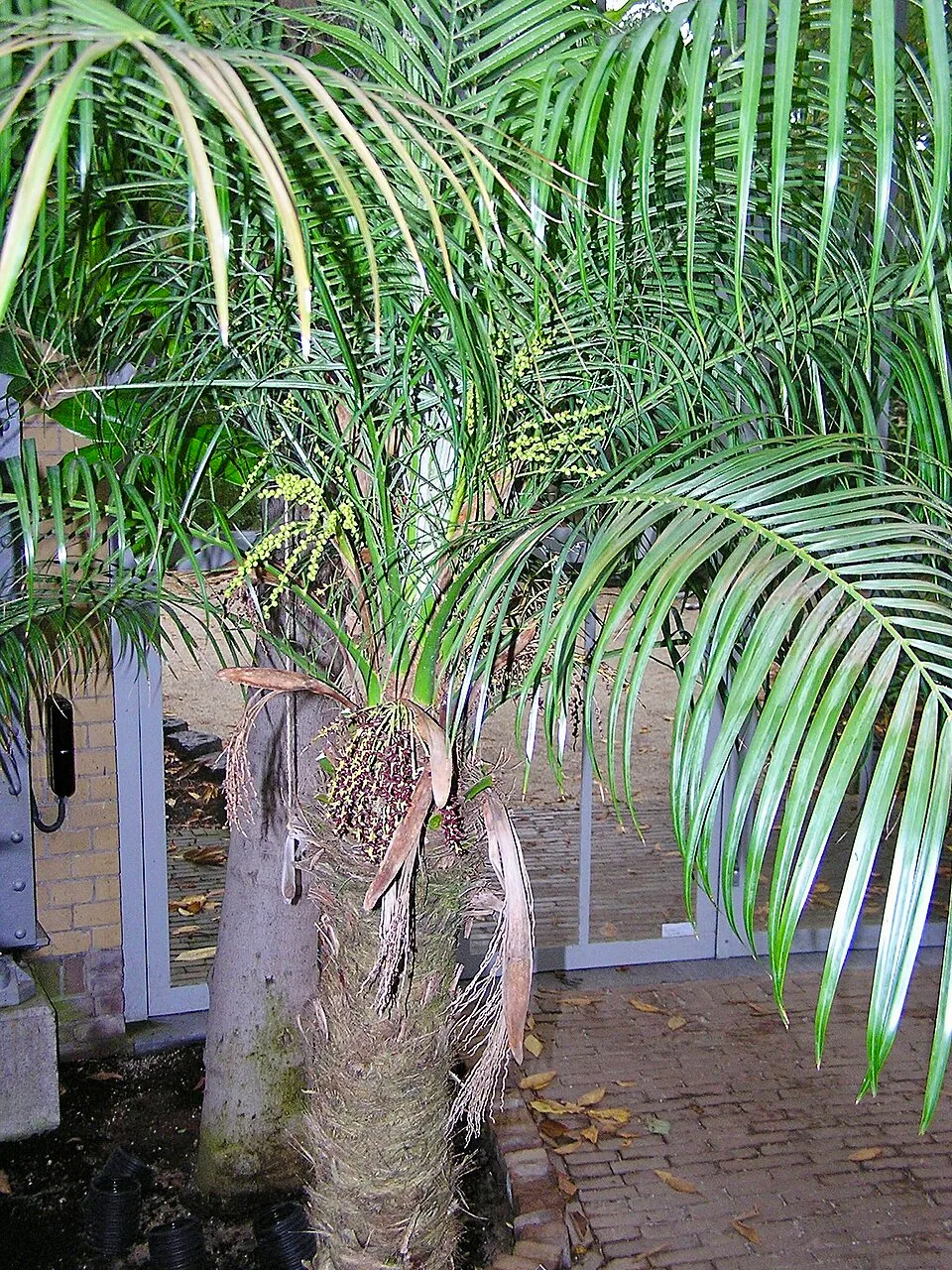
Phoenix roebelenii, widely recognized as the Pygmy Date Palm, is a captivating and slender palm species celebrated for its ornamental appeal. Its delicate, pinnate fronds, which can extend up to 3 feet, gracefully arch from a lean, fibrous trunk that typically measures 2 to 3 inches in diameter. The trunk's rough texture and distinct rings provide a visual record of its growth. Reaching a mature height of approximately 6 to 10 feet, this palm makes a striking addition to both indoor and outdoor landscapes in suitable climates.
The lush green leaflets, each about 12 to 18 inches long, contribute to its tropical aesthetic. During late summer to fall, clusters of small, yellow flowers emerge, eventually giving way to diminutive, brownish, edible dates. Native to the tropical regions of Southeast Asia, specifically Laos and Cambodia, Phoenix roebelenii flourishes in warm, humid environments. Taxonomically, it belongs to the Arecaceae family, sharing kinship with other robust date palms.
Its slow growth rate and manageable stature make it a favored choice for horticultural enthusiasts. Beyond its aesthetic charm, recent research highlights emerging medicinal potential, particularly in its leaves and fruits, positioning Phoenix roebelenii as a plant of growing interest for its bioactive constituents and health benefits.
Trusted Scientific References
1. Authoritative external sources for Phoenix roebelenii
1.1 Wikipedia — Phoenix roebelenii
1.2 Kew POWO (Plants of the World Online)
1.3 PubMed — peer-reviewed research
1.4 NCBI Taxonomy Browser
1.5 GBIF — Global Biodiversity
1.6Phoenix Roebelenii should be interpreted through verified botanical identity, practical care, and responsible safety language. This recovery note adds the missing context needed for a complete profile: match light to the plant's habit, use well-drained soil, water according to season, and avoid unsupported medicinal or edible claims. For publishing, the plant can be presented as a source-backed indoor plant with clear care guidance, common problem diagnosis, and conservative safety wording.
1.1.Phoenix Roebelenii — Defining Traits
- ✓Compact Ornamental Palm — Ideal for indoor spaces and small gardens.
- ✓Delicate Feathery Fronds — Adds a lush, tropical aesthetic.
- ✓Small Edible Dates — Produces brownish dates, though not commercially significant.
- ✓Significant Antioxidant Properties — Demonstrated in scientific studies.
- ✓Promising Hepatoprotective Activity — Identified in in vitro research.
- ✓Rich Phytochemical Profile — Contains flavonoids, phenolic acids, and fatty acids.
- ✓Native to Southeast Asia — Thrives in warm, humid climates.
- ✓Relatively Slow Growing — Makes it manageable for container cultivation.
- ✓Adaptable to Indoor Conditions — Tolerates a range of light and humidity.
- ✓Low Maintenance (Ornamental) — Requires moderate care for aesthetic purposes.
1.2.Phoenix Roebelenii — Snapshot Summary
- ✓Pygmy Date Palm (Phoenix roebelenii) is a popular ornamental plant.
- ✓Recent research highlights its emerging medicinal potential.
- ✓Exhibits significant antioxidant and hepatoprotective activities in vitro.
- ✓Rich in flavonoids, phenolic acids, and beneficial fatty acids.
- ✓Primarily a subject of modern scientific investigation, not traditional medicine.
- ✓Safety for human internal consumption is not yet established.
2.Phoenix Roebelenii — Taxonomic Classification
3.Phoenix Roebelenii — Botanical Stats
4.Phoenix Roebelenii — Morphological Account
5.Phoenix Roebelenii — Geographic Distribution
6.Phoenix Roebelenii — Ethnobotanical Uses
7.Phoenix Roebelenii — Bioactive Constituents
- ✓Flavonoid Glycosides — Key compounds include apigenin 6, 8-di-C-β-glucopyranoside, quercetin 3-O-glucopyranoside, and luteolin 3′-O-β-glucopyranoside, primarily found in leaves, known for their antioxidant properties.
- ✓Free Flavonoids — Important free forms such as quercetin, apigenin, luteolin, and baicalein are present in the leaves, contributing significantly to the plant's antioxidant and potential anti-inflammatory activities.
- ✓Phenolic Acids — p-hydroxybenzoic acid, vanillic acid, and caffeic acid have been identified in the leaves, acting as potent antioxidants and contributing to various biological activities.
- ✓Fatty Acids (Leaves) — Ricinoleic acid is a major lipophilic constituent in the petroleum ether extract of leaves, comprising over 51%, and is implicated in the plant's hepatoprotective effects.
- ✓Phytol (Leaves) — Present in the leaves' lipophilic extract at over 10%, phytol is a diterpene alcohol with reported antioxidant and anti-inflammatory properties.
- ✓Fatty Acids (Fruits) — Linolelaidic acid is a significant component in the petroleum ether extract of fruits, accounting for over 33%, contributing to the fruit's overall bioactive profile and hepatoprotective activity.
- ✓N-Octadecanol (Fruits) — This long-chain alcohol is found in the fruit extracts, with its biological activities still under investigation within the context of Phoenix roebelenii.
- ✓General Polyphenols — The plant's overall high total phenolic content, particularly in the leaves, underscores its broad antioxidant capacity.
8.Phoenix Roebelenii — Modern Studies
- ✓Potent Antioxidant Activity — Extracts from both the leaves and fruits of Phoenix roebelenii have demonstrated significant free radical scavenging capabilities, protecting cells from oxidative damage.
- ✓Hepatoprotective Effects — Research indicates that petroleum ether extracts from the leaves and fruits exhibit prominent protective actions against liver toxicity, suggesting a role in maintaining liver health.
- ✓Cellular Health Support — The rich profile of flavonoids and phenolic acids contributes to overall cellular integrity and function by neutralizing harmful reactive oxygen species.
- ✓Potential Anti-inflammatory Action — Many identified flavonoids, such as quercetin and luteolin, are known for their anti-inflammatory properties, suggesting a similar benefit for Phoenix roebelenii extracts.
- ✓Detoxification Pathway Support — By aiding in liver protection, the plant's compounds may indirectly support the body's natural detoxification processes.
- ✓Metabolic Regulation Potential — Certain fatty acids like ricinoleic acid and linolelaidic acid, found in the plant, are subjects of ongoing research for their roles in various metabolic functions.
- ✓Immune System Modulation — Flavonoids are often associated with modulating immune responses, potentially offering general immune support through Phoenix roebelenii consumption in future applications.
- ✓Support for Skin Integrity — The antioxidant properties can contribute to protecting skin cells from environmental damage, promoting healthier skin appearance.
- ✓Cardiovascular Health Considerations — While not directly studied for Phoenix roebelenii, some of its identified compounds, including certain fatty acids, are generally recognized for their potential benefits in cardiovascular well-being.
8.1.Phoenix Roebelenii — Conditions Traditionally Used For
9.Phoenix Roebelenii — Adverse Effects
9.1.Phoenix Roebelenii — Side Effects & Warnings
- ✓Allergic Reactions — Individuals sensitive to palm pollen or plant sap may experience mild skin irritation, itching, or respiratory discomfort upon close contact.
- ✓Physical Injury — The sharp petioles and spines on mature fronds can cause minor cuts or scratches if the plant is handled without appropriate care.
- ✓Gastrointestinal Upset (Theoretical) — Ingestion of large quantities of unstudied plant material or concentrated extracts could theoretically lead to digestive discomfort, though human consumption data is absent.
- ✓Unknown Drug Interactions — Due to limited human clinical research, potential interactions between Phoenix roebelenii extracts and pharmaceutical medications or other supplements are currently unknown.
- ✓Toxicity at High Doses — As with many plant extracts, excessive dosages of Phoenix roebelenii preparations could potentially induce adverse effects, although specific toxicological profiles in humans are not established.
- ✓Pollen Sensitivity — For individuals with pollen allergies, exposure to the plant's flowers during pollination periods might trigger allergic symptoms.
9.2.Phoenix Roebelenii — Toxicity Assessment
- ✓Research-Phase Plant — The medicinal applications of Phoenix roebelenii are primarily in the early research phase, and its safety for internal human consumption has not been established through comprehensive clinical trials.
- ✓Consult a Professional — Always seek advice from a qualified healthcare practitioner or medical herbalist before considering any Phoenix roebelenii extracts for medicinal purposes, especially if you have pre-existing health conditions or are on medication.
- ✓Pregnancy and Lactation — Due to the complete absence of safety data, pregnant and breastfeeding individuals should strictly avoid the internal use of Phoenix roebelenii preparations.
- ✓Pediatric Use — The use of Phoenix roebelenii extracts is not recommended for children, as no safety studies have been conducted for this demographic.
- ✓External Handling Caution — Handle the plant with care to avoid physical injury from its fronds; wearing gloves is advisable if you have sensitive skin to prevent potential irritation from plant sap.
- ✓Undefined Dosage — Safe and effective dosages for human medicinal use are currently undefined, emphasizing the critical need for caution and avoiding self-medication.
- ✓Ornamental Safety — As an ornamental plant, it is generally considered safe for household environments, provided physical hazards from fronds are managed.
10.Phoenix Roebelenii — Preparation & Dosage
- ✓Research Extracts Preparation — Aqueous and methanolic extracts from leaves and fruits are prepared for in vitro studies to investigate antioxidant and hepatoprotective activities.
- ✓Petroleum Ether Extraction — Lipophilic compounds like ricinoleic acid from leaves and linolelaidic acid from fruits are obtained through petroleum ether extraction for specific phytochemical analysis and biological assays.
- ✓Phytochemical Isolation — Chromatographic and spectral techniques are employed to isolate and identify specific flavonoid glycosides, free flavonoids, and phenolic acids from the plant's various extracts.
- ✓Topical Application (Experimental) — Due to its antioxidant and potential anti-inflammatory compounds, extracts might be explored for future topical formulations, though currently not established.
- ✓Decoctions/Infusions (Exploratory) — While not a traditional medicinal plant, future research may explore the efficacy of simple water-based preparations for general wellness, pending safety and dosage studies.
- ✓Dietary Supplement Development (Future) — Based on promising research, purified compounds or standardized extracts could potentially be developed into dietary supplements for liver support or antioxidant benefits, following extensive clinical trials.
- ✓Aromatic Use (Aesthetic) — As an ornamental plant, its presence in indoor environments contributes to a calming aesthetic, indirectly supporting mental well-being.
11.Phoenix Roebelenii — Propagation & Care
- ✓Light Requirements — Thrives in bright, indirect light; can tolerate some direct morning sun but avoid harsh afternoon sun to prevent leaf scorch, especially indoors.
- ✓Watering Schedule — Maintain consistently moist soil, allowing the top inch to dry out slightly between waterings; avoid overwatering, which can lead to root rot.
- ✓Soil Composition — Prefers well-draining, rich potting mix that retains some moisture. A blend designed for palms or tropical plants is ideal.
- ✓Temperature and Humidity — Best grown in warm conditions, ideally between 65-75°F (18-24°C), and appreciates high humidity. Mist regularly or use a pebble tray.
- ✓Fertilization — Feed with a balanced liquid fertilizer formulated for palms during the growing season (spring and summer) every 2-4 weeks.
- ✓Pruning — Remove yellowing or dead fronds as needed by cutting them close to the trunk; use clean, sharp shears to prevent disease.
- ✓Pest Management — Inspect regularly for common pests like spider mites and mealybugs; treat with insecticidal soap or neem oil if infestations occur.
- ✓Repotting — Repot every 2-3 years or when root-bound, choosing a pot only slightly larger to avoid overwatering issues.
Reviewed by the Flora Medical Global Botanical Review Panel
Multi-disciplinary editorial group · Botany · Ethnobotany · Herbal-medicine literature
Who reviewed this: This page was checked by the Flora Medical Global Botanical Review Panel — an in-house editorial group of botany graduates, ethnobotany researchers, and horticulture practitioners who collectively maintain our 7,000+ plant encyclopedia. Meet the team.
Our 4-step verification process
1. Taxonomic verification
Scientific names and synonyms cross-checked against Kew POWO, World Flora Online, and The Plant List.
2. Phytochemical & medicinal cross-reference
Active compounds, traditional uses, and reported activities are cross-referenced with PubMed, USDA Dr. Duke's database, and peer-reviewed ethnobotanical literature.
3. Conservation & distribution check
Distribution, ecology, and conservation status confirmed against GBIF occurrence records and the IUCN Red List.
4. Editorial & safety review
Every entry passes an editorial pass for clarity, originality, and safety notices (toxicity, contraindications, dosage caveats) before publication.
Last reviewed:
Important medical disclaimer: This content is for educational and research purposes only. It is not medical advice and is not a substitute for consultation with a licensed healthcare provider. Do not use any herb to self-treat a medical condition without professional guidance.
Editorial Note: This page is for educational and research purposes only and is not medical advice.
Written by: Flora Medical Global Editorial Team
Reviewed by: Flora Medical Global Botanical Review Panel
Last Updated: June 15, 2026





Phoenix Roebelenii — Comments & Community Reviews
Rate this plant