


Medical Disclaimer: This content is for educational purposes only. It is not medical advice. Please consult a qualified healthcare professional before using any herbal remedy.
Safety Overview
1.Phormium — Essential Profile
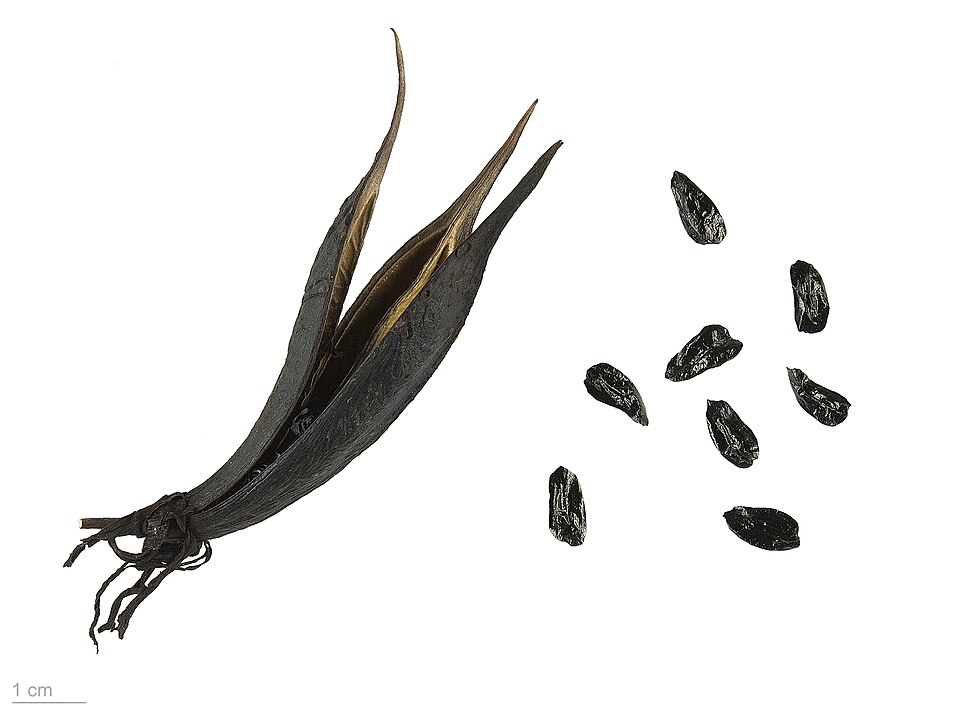
Phormium tenax, commonly recognized as New Zealand Flax or harakeke, is a visually striking evergreen perennial native to the diverse landscapes of New Zealand. Belonging to the Asphodelaceae family, its taxonomic placement has seen historical shifts, reflecting its unique botanical characteristics. This robust plant is defined by its tough, sword-shaped leaves, which emerge in dense, clump-forming rosettes and can impressively reach heights of up to 3 meters.
The foliage typically presents in deep green, but numerous cultivated varieties offer a rich palette, including bronze, red, pink, and variegated patterns, adding significant ornamental value. Tall, branched inflorescences ascend dramatically above the leaf clumps, showcasing star-shaped flowers that range from dull red to greenish-yellow, attracting various pollinators, notably hummingbirds. These blossoms mature into elongated, leathery seed capsules.
Phormium tenax develops a strong, fibrous root system that provides firm anchorage, contributing to its resilience. Its adaptability to various conditions, including salt tolerance, has facilitated its widespread cultivation globally as an architectural ornamental plant. Critically, it held immense cultural, economic, and medicinal importance for the Māori people, who skillfully utilized its exceptionally strong fibers for weaving intricate textiles, ropes, baskets, and other essential items, embodying its common name, 'holding tight' or 'tough', derived from its species epithet.
Trusted Scientific References
1. Authoritative external sources for Phormium tenax
1.1 Wikipedia — Phormium tenax
1.2 Kew POWO (Plants of the World Online)
1.3 PubMed — peer-reviewed research
1.4 NCBI Taxonomy Browser
1.5 GBIF — Global Biodiversity
1.6Phormium should be interpreted through verified botanical identity, practical care, and responsible safety language. This recovery note adds the missing context needed for a complete profile: match light to the plant's habit, use well-drained soil, water according to season, and avoid unsupported medicinal or edible claims. For publishing, the plant can be presented as a source-backed garden plant with clear care guidance, common problem diagnosis, and conservative safety wording.
1.1.Phormium — Distinguishing Points
- ✓Striking architectural foliage and robust, clump — forming growth habit.
- ✓Native to New — Native to New Zealand, holding profound cultural and historical significance for the Māori people.
- ✓Produces exceptionally strong, — Produces exceptionally strong, durable fibers used extensively for weaving and crafts.
- ✓Medicinal sap and — Medicinal sap and leaves are traditionally used for wound healing, antiseptic action, and reducing inflammation.
- ✓Rich in demulcent — Rich in demulcent mucilage (polysaccharides) and beneficial antioxidant phenolic compounds.
- ✓Highly adaptable ornamental — Highly adaptable ornamental plant, suitable for diverse garden designs and coastal environments.
- ✓Attracts hummingbirds with — Attracts hummingbirds with its tall, showy flower stalks.
- ✓Evergreen perennial, providing year — round visual interest and structural presence.
- ✓Exhibits notable salt — Exhibits notable salt tolerance, making it suitable for seaside gardens.
- ✓Relatively low maintenance — Relatively low maintenance once established in appropriate climatic conditions.
1.2.Phormium — Snapshot Summary
- ✓Phormium tenax, or New Zealand Flax, is a resilient evergreen perennial native to New Zealand.
- ✓Deeply valued by Māori for its strong fibers and diverse traditional medicinal applications.
- ✓Renowned for its antiseptic, anti-inflammatory, and potent wound-healing properties, primarily applied topically.
- ✓Phytochemically rich in demulcent mucilaginous polysaccharides and antioxidant phenolic compounds.
- ✓Cultivated globally as an ornamental, thriving in well-drained soil and full sun to partial shade.
- ✓Generally considered safe for topical use, but internal consumption requires expert guidance and caution due to limited modern research.
2.Phormium — Botanical Identity
3.Phormium — Fact Sheet
4.Phormium — Physical Description
5.Phormium — Origin & Spread
6.Phormium — Traditional Uses
7.Phormium — Phytochemistry
- ✓Polysaccharides — Predominantly mucilaginous polysaccharides like glucomannans and galactans, responsible for the plant's demulcent, emollient, and wound-healing properties, forming protective gels upon contact with water.
- ✓Phenolic Compounds — Including various flavonoids, phenolic acids (e.g., caffeic acid derivatives), and tannins, which contribute significantly to the plant's antioxidant, anti-inflammatory, and potentially antiseptic activities by scavenging free radicals.
- ✓Saponins — Natural glycosides that may exhibit mild detergent-like properties and contribute to the plant's traditional antiseptic and anti-inflammatory uses, though their specific concentrations can vary.
- ✓Lignans — These polyphenolic compounds are known for their antioxidant and potential phytoestrogenic properties, contributing to cellular protection and overall health benefits.
- ✓Phytosterols — Plant sterols, such as beta-sitosterol, are present and can contribute to the plant's anti-inflammatory and immune-modulating effects, supporting cellular integrity.
- ✓Mineral Salts — Essential mineral elements like calcium, potassium, magnesium, and iron are present, vital for cellular function and contributing to the plant's overall nutritional and therapeutic profile.
- ✓Fatty Acids — Small amounts of beneficial fatty acids can be found within the plant tissues, contributing to its emollient properties and supporting skin health.
- ✓Dietary Fiber — The robust lignified and cellulosic fibers are a major structural constituent, providing rigidity and, if consumed, aiding digestive regularity and gut health.
- ✓Volatile Compounds — Minor amounts of volatile organic compounds may be present, contributing to subtle aromatic profiles or having mild antimicrobial effects, though not primary active constituents.
8.Phormium — Pharmacological Findings
- ✓Antiseptic Action — The mucilaginous sap of Phormium tenax possesses natural antimicrobial properties, traditionally applied topically to cleanse and inhibit bacterial growth in cuts, abrasions, and minor skin lesions.
- ✓Anti-inflammatory Support — Crushed leaves of New Zealand flax, prepared as poultices, were extensively utilized by Māori to effectively reduce localized swelling, alleviate pain, and mitigate inflammation associated with sprains, bruises, and various skin ailments.
- ✓Wound Healing Promotion — Rich in demulcent mucilaginous compounds, the sap and leaves create a protective, moist barrier over damaged skin, fostering tissue regeneration and significantly accelerating the natural healing process for wounds.
- ✓Analgesic Properties — Traditional applications of Phormium tenax preparations were also aimed at pain relief, particularly for musculoskeletal discomfort and localized injury pain, suggesting inherent analgesic qualities.
- ✓Digestive Support — The high fiber content of Phormium tenax, when traditionally processed for consumption, could contribute to improved gut motility and overall digestive health, aiding in regularity.
- ✓Respiratory Aid — In Māori traditional medicine, specific preparations from the inner leaf or root sap were sometimes employed internally to soothe coughs and respiratory irritations due to its demulcent effects.
- ✓Astringent Action — Certain extracts from the leaves may possess mild astringent qualities, which can help to tighten tissues, reduce discharge from minor wounds, and tone inflamed areas.
- ✓Emollient Effects — The mucilage acts as an emollient, providing soothing and moisturizing benefits to dry, irritated, or chapped skin, thereby improving skin barrier function and comfort.
- ✓Diuretic Potential — Some traditional accounts hint at mild diuretic properties, suggesting its use to aid in fluid balance and detoxification through increased urinary output.
- ✓Joint Pain Relief — Beyond general anti-inflammatory uses, specific poultices were historically applied to joints to alleviate arthritic pain and stiffness, improving mobility.
- ✓Skin Irritation Soother — The cooling and demulcent properties of the sap make it effective for calming insect bites, stings, sunburn, and minor skin rashes, providing immediate relief.
- ✓Hair and Scalp Health — Traditional uses included preparations for strengthening hair follicles and soothing irritated scalp conditions, likely due to its nourishing, moisturizing, and antimicrobial aspects.
8.1.Phormium — Health Applications
9.Phormium — Cautions & Contraindications
9.1.Phormium — Caution Notes
- ✓Skin Irritation — Direct contact with the raw sap may cause mild skin irritation or allergic reactions, such as redness or itching, in sensitive individuals.
- ✓Allergic Reactions — Although uncommon, individuals sensitive to plants in the Asphodelaceae family might experience allergic responses, including contact dermatitis, upon topical application.
- ✓Gastrointestinal Discomfort — Internal consumption of unprocessed plant material or excessive amounts of preparations could potentially lead to mild gastrointestinal upset, nausea, or diarrhea.
- ✓Photosensitivity — While not widely documented for Phormium tenax, some plant constituents can theoretically induce photosensitivity in certain individuals, especially with prolonged topical exposure to strong sunlight.
- ✓Interaction with Medications — Due to its fiber content, large internal doses might theoretically interfere with the absorption of certain oral medications, though specific research is limited.
- ✓Mucilage Buildup — Improper or excessive internal use of highly mucilaginous preparations could, in theory, lead to feelings of fullness or transient impedance of nutrient absorption if not balanced with adequate fluid intake.
9.2.Phormium — Clinical Safety Notes
- ✓Pregnancy and Lactation — Use during pregnancy and breastfeeding is generally not recommended due to insufficient safety data; consult a healthcare professional before any medicinal use.
- ✓Children — Topical application should be used with caution in young children, and internal use is not advised without direct medical supervision from a qualified practitioner.
- ✓Pre-existing Conditions — Individuals with compromised skin barriers, severe allergies, or other significant health conditions should exercise caution with topical applications and seek professional advice.
- ✓Internal Use Advisory — While traditionally used internally, modern medicinal consumption of Phormium tenax should only occur under the direct guidance of a qualified medical herbalist due to limited comprehensive clinical safety data.
- ✓Patch Testing — Always perform a small patch test on an inconspicuous area of the skin before extensive topical application to check for any adverse reactions or sensitivities.
- ✓Professional Consultation — It is strongly advisable to consult a healthcare provider or qualified herbalist before using Phormium tenax for medicinal purposes, especially if currently taking other medications.
- ✓Avoid Eye Contact — Ensure that sap or prepared solutions do not come into direct contact with eyes, as it may cause irritation and discomfort.
10.Phormium — Preparations & Uses
- ✓Topical Sap Application — The mucilaginous sap, directly extracted from freshly cut leaves, is applied topically to minor cuts, abrasions, insect bites, and minor burns for its antiseptic and soothing effects.
- ✓Crushed Leaf Poultice — Fresh leaves are crushed and applied as a poultice to reduce swelling, inflammation, and pain associated with sprains, bruises, boils, or localized skin irritations.
- ✓Decoction for Baths — A strong decoction made from the leaves can be added to bathwater to soothe widespread skin conditions, mild rashes, or general muscle soreness and discomfort.
- ✓Fiber Extraction — Historically, the strong and durable fibers were meticulously extracted from the leaves for weaving into textiles, ropes, fishing nets, and baskets, a central cultural practice for Māori.
- ✓Internal Herbal Infusion (Traditional) — In some traditional Māori practices, specific preparations of the inner leaf or root were consumed as an infusion for respiratory ailments or digestive support, strictly under expert guidance.
- ✓Wound Dressing Material — Prepared strips of the soft inner leaf material or processed fibers were sometimes used as natural, breathable wound dressings, offering protection and support for healing.
- ✓Gel or Ointment Preparation — Modern herbalists might formulate the concentrated mucilaginous extract into topical gels or ointments for easier, more consistent application for various skin conditions or minor burns.
- ✓Mouthwash/Gargle — A diluted decoction could potentially be used as a gargle for sore throats or as a mouthwash for oral irritations, leveraging its demulcent and mild antiseptic properties.
11.Phormium — Garden Cultivation
- ✓Soil Requirements — Thrives in average, well-drained soil, tolerating a range of soil types but preferring slightly acidic to neutral pH for optimal growth.
- ✓Light Exposure — Prefers full sun to partial shade; variegated cultivars typically exhibit their most vibrant color when situated in partial shade conditions.
- ✓Watering — Requires moderate watering, especially during dry periods, but is generally drought-tolerant once established; avoid excessive waterlogging to prevent root rot.
- ✓Temperature & Hardiness — Best suited for USDA Zones 9a and above, as it dislikes excessive summer heat and is not reliably hardy in colder climates.
- ✓Propagation — Can be readily propagated by division of mature clumps in spring or autumn, or by sowing seeds, though cultivars may not consistently reproduce true from seed.
- ✓Fertilization — Benefits from a balanced, slow-release granular fertilizer application in early spring, particularly for container-grown specimens, to support vigorous foliage and flower development.
- ✓Pruning & Maintenance — Remove spent flower stalks after blooming and any damaged, old, or discolored leaves at the base to maintain an attractive appearance and promote plant health.
- ✓Container Growing — An excellent choice for container planting, providing architectural height and foliage contrast, and allowing for easy relocation or overwintering indoors in colder zones.
Reviewed by the Flora Medical Global Botanical Review Panel
Multi-disciplinary editorial group · Botany · Ethnobotany · Herbal-medicine literature
Who reviewed this: This page was checked by the Flora Medical Global Botanical Review Panel — an in-house editorial group of botany graduates, ethnobotany researchers, and horticulture practitioners who collectively maintain our 7,000+ plant encyclopedia. Meet the team.
Our 4-step verification process
1. Taxonomic verification
Scientific names and synonyms cross-checked against Kew POWO, World Flora Online, and The Plant List.
2. Phytochemical & medicinal cross-reference
Active compounds, traditional uses, and reported activities are cross-referenced with PubMed, USDA Dr. Duke's database, and peer-reviewed ethnobotanical literature.
3. Conservation & distribution check
Distribution, ecology, and conservation status confirmed against GBIF occurrence records and the IUCN Red List.
4. Editorial & safety review
Every entry passes an editorial pass for clarity, originality, and safety notices (toxicity, contraindications, dosage caveats) before publication.
Last reviewed:
Important medical disclaimer: This content is for educational and research purposes only. It is not medical advice and is not a substitute for consultation with a licensed healthcare provider. Do not use any herb to self-treat a medical condition without professional guidance.
Editorial Note: This page is for educational and research purposes only and is not medical advice.
Written by: Flora Medical Global Editorial Team
Reviewed by: Flora Medical Global Botanical Review Panel
Last Updated: June 15, 2026





Phormium — Comments & Community Reviews
Rate this plant