

Medical Disclaimer: This content is for educational purposes only. It is not medical advice. Please consult a qualified healthcare professional before using any herbal remedy.
Safety Overview
1.Phormium Cookianum — Introduction & Highlights
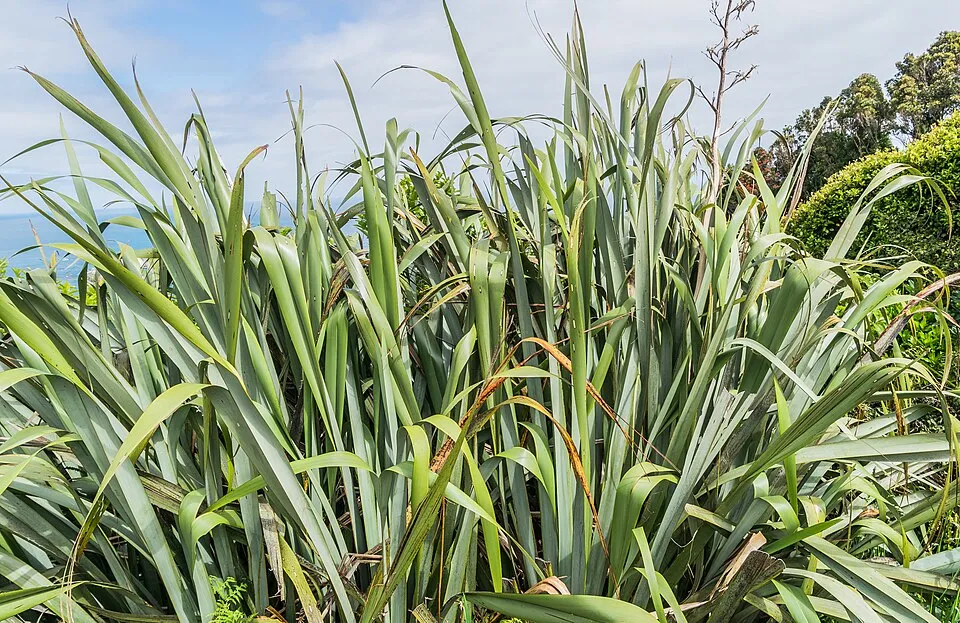
Phormium cookianum, widely recognized as mountain flax or coastal flax, is a robust perennial evergreen herb belonging to the Phormium genus, which is endemic to the diverse landscapes of New Zealand. This species is characterized by its distinctive, tough, strap-like leaves that form dense, upright clumps, typically reaching a height of 1 to 3 meters. While the natural foliage is a vibrant green, cultivated varieties exhibit a spectrum of colors including bronze, red, and various variegations, enhancing its ornamental appeal.
From the central core of the plant, impressive flower stalks ascend, often arching outwards, bearing clusters of star-shaped flowers. These blossoms display a range of hues from greenish-yellow to reddish-brown and are a significant source of nectar for native birds. Following successful pollination, the flowers mature into elongated, leathery seed pods, which are a distinguishing feature.
Phormium cookianum demonstrates remarkable resilience, adapting to a wide array of environmental conditions, from the exposed, salty coastal dunes to the more sheltered, cooler alpine regions. Its highly fibrous leaves have been historically invaluable to the Māori people, who skillfully processed them into durable textiles, intricate baskets, resilient ropes, and protective mats, highlighting its cultural and practical significance. Beyond its utility, Phormium cookianum plays a crucial role in New Zealand's native ecosystems, contributing significantly to local biodiversity and ecological stability, while its striking architectural form has made it a popular choice in gardens globally.
Trusted Scientific References
1. Authoritative external sources for Phormium Cookianum
1.1 Wikipedia — Phormium Cookianum
1.2 Kew POWO (Plants of the World Online)
1.3 PubMed — peer-reviewed research
1.4 NCBI Taxonomy Browser
1.5 GBIF — Global Biodiversity
1.6Phormium Cookianum should be interpreted through verified botanical identity, practical care, and responsible safety language. This recovery note adds the missing context needed for a complete profile: match light to the plant's habit, use well-drained soil, water according to season, and avoid unsupported medicinal or edible claims. For publishing, the plant can be presented as a source-backed garden plant with clear care guidance, common problem diagnosis, and conservative safety wording.
1.1.Phormium Cookianum — Defining Traits
- ✓Endemic to New Zealand — A native species integral to the country's unique flora.
- ✓Tough, Fibrous Leaves — Characteristic strap-like leaves used historically for weaving and cordage.
- ✓Mucilaginous Sap — The plant's sap is rich in mucilage, providing therapeutic properties.
- ✓Traditional Māori Medicine — Central to Māori ethnobotanical practices for healing and practical uses.
- ✓Antiseptic and Anti — inflammatory — Key medicinal actions for wound care and reducing swelling.
- ✓High Resilience — Thrives in diverse environments from coastal to alpine regions.
- ✓Ornamental Value — Widely cultivated globally for its striking architectural form and varied foliage colors.
- ✓Ecological Contributor — Supports biodiversity and provides habitat in its native ecosystems.
- ✓Evergreen Perennial — Offers year-round foliage and structural interest.
- ✓Natural Analgesic — Offers mild pain-relieving effects when applied topically.
1.2.Phormium Cookianum — At-a-Glance Summary
- ✓Phormium cookianum, or mountain flax, is a New Zealand native known for its resilient, fibrous leaves.
- ✓Traditionally used by Māori for textiles, ropes, and medicinal purposes, including wound healing.
- ✓Rich in mucilage, providing antiseptic, anti-inflammatory, and soothing skin benefits.
- ✓Applied topically as sap or poultice for minor injuries, skin irritations, and pain relief.
- ✓A robust, adaptable plant with significant cultural and ecological importance.
- ✓Primarily for external use; internal consumption is not recommended.
2.Phormium Cookianum — Taxonomic Classification
3.Phormium Cookianum — Reference Facts
4.Phormium Cookianum — Plant Morphology
5.Phormium Cookianum — Habitat & Distribution
6.Phormium Cookianum — Historical Applications
7.Phormium Cookianum — Bioactive Constituents
- ✓Polysaccharides (Mucilage) — Primarily composed of long-chain sugars, these provide the characteristic viscous texture of the sap, responsible for emollient, wound-healing, and demulcent properties.
- ✓Flavonoids — A diverse group of plant pigments and secondary metabolites such as quercetin and kaempferol derivatives, contributing to antioxidant and anti-inflammatory activities.
- ✓Phenolic Acids — Compounds like caffeic acid and ferulic acid, often found in plant tissues, possess significant antioxidant, anti-inflammatory, and antimicrobial effects.
- ✓Saponins — Glycosides that can exhibit surfactant properties, potentially contributing to antiseptic action and, in some cases, anti-inflammatory effects.
- ✓Tannins — Astringent compounds that can help contract tissues, reduce bleeding, and offer antimicrobial protection, useful in wound care and as an antiseptic.
- ✓Phytosterols — Plant sterols such as beta-sitosterol, which may contribute to anti-inflammatory effects and support skin barrier function.
- ✓Glycosides — Various glycosidic compounds may be present, influencing a range of biological activities including potential analgesic or anti-inflammatory pathways.
- ✓Minerals — Essential trace elements like calcium, potassium, and magnesium, which are vital for cellular function and overall plant vitality, indirectly supporting tissue health.
- ✓Volatile Organic Compounds — Trace amounts of aromatic compounds that may contribute to the plant's natural defense mechanisms and subtle antimicrobial actions.
8.Phormium Cookianum — Research Insights
- ✓Wound Healing — The mucilaginous sap of Phormium cookianum has been traditionally applied by Māori to minor cuts, abrasions, and superficial sores, forming a protective, soothing barrier that facilitates the natural process of tissue regeneration and epidermal repair.
- ✓Antiseptic Properties — The fresh sap exhibits inherent antimicrobial qualities, crucial for cleansing minor wounds and actively preventing the proliferation of pathogenic microorganisms, thereby reducing the risk of infection.
- ✓Anti-inflammatory Action — Poultices prepared from crushed Phormium cookianum leaves are traditionally utilized topically to mitigate localized inflammation, effectively reducing swelling and alleviating discomfort associated with minor injuries, insect bites, and various skin irritations.
- ✓Analgesic Effects — When applied externally as a sap or poultice, the plant can offer mild, localized pain relief for minor aches, sprains, and muscle soreness due to its soothing and anti-inflammatory compounds.
- ✓Skin Soothing — The emollient properties of the mucilage help to hydrate and calm irritated skin, making it beneficial for conditions characterized by dryness, itching, or minor burns.
- ✓Digestive Aid (Traditional) — Historically, some preparations (though less common for P. cookianum than P. tenax) were thought to have mild laxative effects or to soothe digestive discomfort, likely due to the mucilage content.
- ✓Respiratory Support (Traditional) — In some traditional practices, extracts or vapours were used to alleviate symptoms of coughs and colds, suggesting a demulcent action on mucous membranes.
- ✓Bone and Joint Support — Traditional Māori applications included poultices for sprains, fractures, and joint pain, indicating a perceived benefit in supporting musculoskeletal recovery and comfort.
- ✓Natural Fiber Source — Beyond direct medicinal use, the strong fibers were vital for creating medical bindings, splints, and supports, indirectly aiding in recovery from injuries.
- ✓Antioxidant Activity — While not extensively studied for P. cookianum specifically, many plants with anti-inflammatory properties often contain phenolic compounds that contribute to antioxidant defense, protecting cells from oxidative stress.
8.1.Phormium Cookianum — Reported Uses
9.Phormium Cookianum — Precautions & Warnings
9.1.Phormium Cookianum — Warnings
- ✓Skin Irritation — Direct application of fresh sap may cause mild irritation or contact dermatitis in individuals with sensitive skin.
- ✓Allergic Reactions — Although rare, allergic reactions such as redness, itching, or swelling can occur, particularly with prolonged skin contact.
- ✓Internal Use Caution — Phormium cookianum is not traditionally or scientifically recommended for internal consumption due to lack of safety data and potential gastrointestinal upset.
- ✓Photosensitivity — Some plant compounds can increase skin sensitivity to sunlight, though this is not commonly reported for Phormium cookianum.
- ✓Open Wounds — While used for minor cuts, applying to deep or infected wounds without proper sterilization could pose infection risks.
- ✓Interaction with Medications — No known interactions, but caution is advised for individuals on topical medications or with pre-existing skin conditions.
9.2.Phormium Cookianum — Toxicity Assessment
- ✓External Use Only — Phormium cookianum preparations are generally considered safe for topical application only; internal use is strongly discouraged.
- ✓Patch Test Recommended — Always perform a small patch test on an inconspicuous area of skin before widespread application to check for allergic reactions or sensitivity.
- ✓Avoid Mucous Membranes — Keep sap and poultices away from eyes, mouth, and other sensitive mucous membranes to prevent irritation.
- ✓Pregnancy and Breastfeeding — Due to insufficient safety data, pregnant and breastfeeding individuals should avoid medicinal use of Phormium cookianum.
- ✓Children and Infants — Exercise caution with use on very young children or infants; consult a healthcare professional before application.
- ✓Consult Healthcare Professional — Individuals with severe skin conditions, chronic illnesses, or those taking medications should consult a doctor or herbalist before use.
- ✓Cleanliness — Ensure all plant material and application tools are clean and sterile to prevent introducing contaminants to wounds.
10.Phormium Cookianum — Application Forms
- ✓Fresh Sap Application — Directly extract mucilaginous sap from a freshly cut leaf and apply it topically to minor cuts, abrasions, or insect bites for antiseptic and wound-healing benefits.
- ✓Poultice Preparation — Crush fresh Phormium cookianum leaves to create a fibrous poultice, which can be applied to inflamed areas, sprains, or bruises to reduce swelling and pain.
- ✓Infusion for Skin — Steep finely chopped leaves in hot water to create a mild infusion; once cooled, use as a wash or compress for irritated skin conditions.
- ✓Fiber Extraction — Traditionally, leaves were processed to extract strong fibers (muka) for weaving, rope-making, and creating protective bandages or splints.
- ✓Nectar Collection (Traditional) — Flowers yield nectar which was historically collected and used, though not primarily for medicinal purposes, sometimes for sweetening or face painting.
- ✓Root Preparations (Traditional) — Māori sometimes used root material, though less commonly than leaves, in specific preparations for internal or external applications, often for its astringent properties.
- ✓Topical Balm/Ointment — Infuse the sap or macerated leaves into a carrier oil (e.g., olive oil) to create a soothing balm for chronic skin conditions or muscle aches.
- ✓Herbal Compress — Soak a cloth in a strong leaf decoction and apply warm to affected areas for deeper penetration of anti-inflammatory compounds.
11.Phormium Cookianum — Growth Requirements
- ✓Soil Requirements — Prefers well-drained soil, tolerating a range from sandy to heavy clay, but thrives best in fertile, humus-rich conditions.
- ✓Light Exposure — Adaptable to full sun to partial shade; full sun promotes denser growth and better flowering.
- ✓Water Needs — Drought-tolerant once established, but benefits from regular watering during prolonged dry periods, especially when young.
- ✓Temperature Tolerance — Highly resilient, enduring both coastal winds and moderate frosts; suitable for USDA zones 8-11.
- ✓Propagation — Easily propagated by division of established clumps in spring or autumn, or from fresh seeds sown in spring.
- ✓Fertilization — Generally low-maintenance; a balanced slow-release fertilizer in spring can encourage vigorous growth.
- ✓Pruning — Remove dead or damaged leaves and spent flower stalks as needed to maintain a tidy appearance and promote new growth.
- ✓Pest and Disease Control — Relatively pest and disease resistant, though occasional scale insects or mealybugs may occur.
Reviewed by the Flora Medical Global Botanical Review Panel
Multi-disciplinary editorial group · Botany · Ethnobotany · Herbal-medicine literature
Who reviewed this: This page was checked by the Flora Medical Global Botanical Review Panel — an in-house editorial group of botany graduates, ethnobotany researchers, and horticulture practitioners who collectively maintain our 7,000+ plant encyclopedia. Meet the team.
Our 4-step verification process
1. Taxonomic verification
Scientific names and synonyms cross-checked against Kew POWO, World Flora Online, and The Plant List.
2. Phytochemical & medicinal cross-reference
Active compounds, traditional uses, and reported activities are cross-referenced with PubMed, USDA Dr. Duke's database, and peer-reviewed ethnobotanical literature.
3. Conservation & distribution check
Distribution, ecology, and conservation status confirmed against GBIF occurrence records and the IUCN Red List.
4. Editorial & safety review
Every entry passes an editorial pass for clarity, originality, and safety notices (toxicity, contraindications, dosage caveats) before publication.
Last reviewed:
Important medical disclaimer: This content is for educational and research purposes only. It is not medical advice and is not a substitute for consultation with a licensed healthcare provider. Do not use any herb to self-treat a medical condition without professional guidance.
Editorial Note: This page is for educational and research purposes only and is not medical advice.
Written by: Flora Medical Global Editorial Team
Reviewed by: Flora Medical Global Botanical Review Panel
Last Updated: June 15, 2026





Phormium Cookianum — Comments & Community Reviews
Rate this plant