
Medical Disclaimer: This content is for educational purposes only. It is not medical advice. Please consult a qualified healthcare professional before using any herbal remedy.
Safety Overview
1.Pilea Dark Mystery — Overview
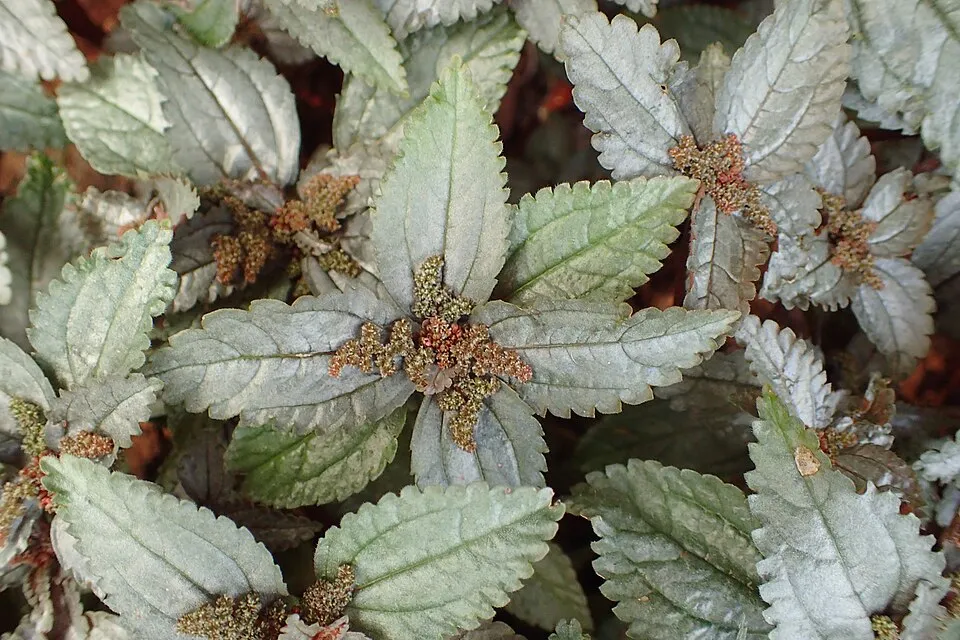
Pilea Dark Mystery, scientifically designated as Pilea spruceana 'Dark Mystery', is a distinguished cultivar within the genus Pilea, itself a member of the diverse Urticaceae family, commonly known as the nettle family. While Pilea spruceana is native to the tropical and subtropical regions of Central and South America, particularly thriving in humid, shaded understory environments, 'Dark Mystery' is specifically cultivated for its exceptional ornamental value. This cultivar typically exhibits a compact, bushy growth habit, making it an excellent choice for indoor cultivation, terrariums, and desktop display.
It generally reaches a mature height and spread of approximately 30 to 45 cm (12 to 18 inches). Its stems are characteristically slender, erect, and a delicate pale green, forming a robust yet elegant framework for its striking foliage. The root system is fibrous and relatively shallow, a common adaptation for herbaceous plants in nutrient-rich upper soil layers.
The most captivating feature of Pilea spruceana 'Dark Mystery' is undeniably its leaves. They are ovate to cordate, ranging from 3 to 6 inches (7.5 to 15 cm) in length, and possess a subtly serrated margin. The adaxial (upper) surface presents a profound, rich green base color, dramatically variegated with a shimmering, metallic silver pattern that often highlights the veins and central areas, creating its eponymous 'dark mystery' aesthetic.
The abaxial (underside) surface provides a stark contrast, typically displaying a reddish-purple hue, a common trait in many Pilea species believed to enhance light absorption in low-light conditions. The venation is pinnate, distinctively sunken on the upper surface, further contributing to the leaf's intricate texture. Although primarily cultivated for its foliage, Pilea spruceana can produce small, inconspicuous greenish-white to pinkish spiky flower clusters from the leaf axils, though these are seldom seen in typical indoor environments due to specific blooming requirements.
Trusted Scientific References
1. Authoritative external sources for Pilea spruceana dark mystery
1.1 Wikipedia — Pilea spruceana dark mystery
1.2 Kew POWO (Plants of the World Online)
1.3 PubMed — peer-reviewed research
1.4 NCBI Taxonomy Browser
1.5 GBIF — Global Biodiversity
1.1.Pilea Dark Mystery — Standout Qualities
- ✓Ornamental Foliage — Highly prized for its unique metallic silver variegation on deep green leaves, creating a 'dark mystery' pattern.
- ✓Compact Growth Habit — Forms a bushy, mounding plant, ideal for tabletops, terrariums, and small spaces.
- ✓Bicolor Leaves — Features a striking contrast with a dark green and silver adaxial surface and a reddish-purple abaxial surface.
- ✓Easy Propagation — Readily roots from stem cuttings in water or moist potting mix, making it simple to multiply.
- ✓High Humidity Preference — Thrives in environments with elevated humidity, mimicking its tropical understory origins.
- ✓Low Light Tolerance — Prefers bright, indirect light but can tolerate lower light conditions, though variegation may be less pronounced.
- ✓Non — Stinging — Unlike some Urticaceae family members, Pilea spruceana 'Dark Mystery' does not possess stinging hairs.
- ✓Versatile Indoor Plant — Excellent for terrariums, vivariums, dish gardens, or as a standalone potted plant.
- ✓Fast Grower — Under optimal conditions, it can grow quite quickly, filling out its space efficiently.
- ✓Distinctive Texture — Sunken venation on the upper leaf surface adds to its unique tactile and visual appeal.
1.2.Pilea Dark Mystery — Snapshot Summary
- ✓Pilea spruceana 'Dark Mystery' is an ornamental cultivar known for its striking metallic-patterned foliage.
- ✓Belongs to the Urticaceae family, which includes medicinally valued species like Pilea microphylla.
- ✓Related species (P. microphylla) show antioxidant, anti-inflammatory, and antimicrobial properties.
- ✓Rich in flavonoids and polyphenols such as Quercetin, Rutin, and Chlorogenic acid.
- ✓Primarily an indoor houseplant, requiring bright indirect light and high humidity.
- ✓Medicinal uses are largely extrapolated from Pilea microphylla; specific research on 'Dark Mystery' is limited.
2.Pilea Dark Mystery — Taxonomic Classification
3.Pilea Dark Mystery — Reference Facts
4.Pilea Dark Mystery — Plant Morphology
5.Pilea Dark Mystery — Where It Grows
6.Pilea Dark Mystery — Cultural & Traditional Roles
7.Pilea Dark Mystery — Active Compounds
- ✓The therapeutic efficacy observed in members of the Pilea genus, particularly Pilea microphylla, is attributed to a rich and diverse array of phytochemicals. While specific analyses for Pilea spruceana 'Dark Mystery' are not widely documented, the genus Pilea is known for its valuable secondary metabolites. Key chemical constituents identified in related Pilea species like Pilea microphylla include:
- ✓Flavonoids — A significant class of polyphenols, including Quercetin, Rutin (Quercetin-3-O-rutinoside), Kaempferol, Apigenin-7-O-rutinoside, Apigenin-7-O-glucopyranoside, Luteolin-7-O-glucoside, and Isorhoifolin, which are potent antioxidants and possess anti-inflammatory and cytoprotective activities.
- ✓Polyphenols — Beyond flavonoids, other polyphenolic compounds such as Chlorogenic acid and 3-O-caffeoylquinic acid are present, contributing to the plant's robust antioxidant and free-radical scavenging capabilities.
- ✓Quercetin and its derivatives — Quercetin and Quercetin-3-O-rutinoside are prominent flavonoids, recognized for their strong antioxidant, anti-inflammatory, and potential antidiabetic properties.
- ✓Caffeoylquinic Acids — Specifically, 3-O-caffeoylquinic acid, a derivative of caffeic acid and quinic acid, is a notable constituent recognized for its antioxidant and anti-inflammatory properties.
- ✓Luteolin Glycosides — Luteolin-7-O-glucoside is a flavonoid glycoside associated with antioxidant and potential antidepressant-like activities.
- ✓Apigenin Glycosides — Apigenin-7-O-rutinoside and Apigenin-7-O-glucopyranoside are flavonoid glycosides contributing to the plant's overall antioxidant and anti-inflammatory profile.
- ✓Chlorogenic Acid — A powerful phenolic acid, known for its antioxidant properties and potential role in metabolic health.
- ✓Rutin — Also known as Quercetin-3-O-rutinoside, this flavonoid glycoside strengthens capillaries and exhibits significant antioxidant activity.
8.Pilea Dark Mystery — What Research Suggests
- ✓While Pilea spruceana 'Dark Mystery' is predominantly valued for its ornamental appeal, the Pilea genus, especially species like Pilea microphylla, has a documented history in traditional medicine and is being explored for various therapeutic properties. Based on research into related species, the potential benefits associated with the Pilea genus include:
- ✓Antioxidant Support — Pilea species, particularly Pilea microphylla, are rich in polyphenols and flavonoids, which contribute to significant antioxidant activity, helping to neutralize free radicals and mitigate oxidative stress.
- ✓Anti-inflammatory Action — The presence of compounds like quercetin and chlorogenic acid in Pilea microphylla suggests potent anti-inflammatory effects, potentially useful in managing inflammatory conditions.
- ✓Antimicrobial Properties — Extracts from Pilea microphylla have demonstrated antibacterial activity against both Gram-negative and Gram-positive bacteria, indicating potential as a natural antiseptic.
- ✓Wound Healing Promotion — In traditional Indian folk medicine, Pilea microphylla is used to treat allergies and wounds, suggesting properties that aid in tissue repair and recovery.
- ✓Diuretic Effects — Traditional uses of Pilea microphylla include its application as a diuretic, which may assist in promoting urine excretion and supporting kidney function.
- ✓Antidiabetic Potential — Certain phytochemicals found in Pilea microphylla have shown promise in preclinical studies for their antidiabetic properties, potentially helping to regulate blood sugar levels.
- ✓Cytoprotective Effects — The rich flavonoid content in Pilea microphylla offers cytoprotective benefits, safeguarding cells from damage induced by various stressors.
- ✓Radioprotective Activity — Research indicates that compounds within Pilea microphylla may offer protection against radiation-induced cellular damage.
- ✓Antidepressant-like Effects — Phytochemicals such as luteolin-7-O-glucoside, identified in Pilea microphylla, have been linked to potential antidepressant-like activities in some studies.
- ✓Fertility Support (Traditional) — In some traditional systems, Pilea microphylla has been used for issues related to childbirth and infertility, though scientific evidence for these specific applications is limited.
- ✓Allergy Relief (Traditional) — Folk medicine practices utilize Pilea microphylla for alleviating allergic reactions, suggesting an immunomodulatory or anti-histaminic effect.
- ✓Burn and Scald Treatment (Traditional) — Historically, Pilea microphylla has been applied topically to treat burns and scalds, pointing towards soothing and healing properties.
8.1.Pilea Dark Mystery — Conditions Traditionally Used For
9.Pilea Dark Mystery — Precautions & Warnings
9.1.Pilea Dark Mystery — Side Effects & Warnings
- ✓While Pilea spruceana 'Dark Mystery' is generally considered safe as an ornamental plant, and adverse effects from Pilea microphylla are not extensively documented in scientific literature, potential side effects, especially with internal consumption of related species, should be considered.
- ✓Allergic Reactions — Some individuals may experience skin irritation or allergic contact dermatitis upon handling Pilea plants, although less common than with stinging nettles.
- ✓Gastrointestinal Upset — Ingesting large quantities of Pilea species, particularly in raw form, might lead to mild digestive discomfort, nausea, or diarrhea in sensitive individuals.
- ✓Drug Interactions — The diuretic or anticoagulant properties observed in some Urticaceae members could potentially interact with prescription medications, such as blood thinners or diuretics.
- ✓Pregnancy and Lactation — Due to insufficient safety data, pregnant or lactating individuals should exercise caution and consult a healthcare professional before consuming any Pilea species.
- ✓Hypotension Risk — Given the potential diuretic effects, excessive consumption might theoretically contribute to lower blood pressure in susceptible individuals.
- ✓Hypoglycemia Risk — For individuals on antidiabetic medication, the potential antidiabetic properties of Pilea species could lead to an additive effect, requiring careful monitoring of blood glucose.
9.2.Pilea Dark Mystery — Clinical Safety Notes
- ✓Pilea spruceana 'Dark Mystery' is primarily an ornamental plant, and its safety profile for internal use is largely unstudied. General safety considerations for the Pilea genus, based on related medicinal species like Pilea microphylla, include:
- ✓Consult a Professional — Always seek advice from a qualified healthcare practitioner or medical herbalist before using any Pilea species for medicinal purposes, especially if pregnant, breastfeeding, or on medication.
- ✓Patch Test for Topical Use — Before applying any Pilea preparation topically, perform a patch test on a small skin area to check for allergic reactions or sensitivities.
- ✓Dosage Adherence — If consuming Pilea microphylla extracts or preparations, strictly adhere to recommended dosages from reputable sources or practitioners to avoid potential adverse effects.
- ✓Quality Sourcing — Ensure that any Pilea plant material used for medicinal purposes is sourced from reputable suppliers to guarantee purity and prevent contamination.
- ✓Avoid during Surgery — Discontinue use of Pilea preparations at least two weeks before any scheduled surgery due to potential effects on blood clotting or blood pressure.
- ✓Monitor for Interactions — Be aware of potential interactions with pharmaceutical drugs, particularly those affecting blood sugar, blood pressure, or coagulation.
- ✓Not for Self-Medication — Do not use Pilea species as a substitute for prescribed medical treatments for serious health conditions.
10.Pilea Dark Mystery — Preparation & Dosage
- ✓While Pilea spruceana 'Dark Mystery' is cultivated primarily as an ornamental plant and not typically for medicinal purposes, traditional usage methods for related species such as Pilea microphylla highlight potential applications within herbal medicine. These methods are based on folk practices and are not directly applicable to the 'Dark Mystery' cultivar without specific research.
- ✓Herbal Infusion (P. microphylla) — Dried leaves and aerial parts of Pilea microphylla can be steeped in hot water to create an herbal tea, traditionally used as a diuretic or for general wellness.
- ✓Topical Poultice (P. microphylla) — Fresh, crushed leaves of Pilea microphylla have been applied directly to skin for treating wounds, burns, and allergic reactions in traditional folk medicine.
- ✓Decoction (P. microphylla) — Boiling the whole plant material of Pilea microphylla in water can extract more robust compounds for internal use, traditionally for conditions like infertility or inflammation.
- ✓Tincture (P. microphylla) — Alcoholic extracts of Pilea microphylla can be prepared for concentrated medicinal preparations, allowing for longer shelf-life and specific dosing.
- ✓Infused Oil (P. microphylla) — Macerating Pilea microphylla in a carrier oil can create an infused oil for topical application, potentially for skin conditions or muscle aches.
- ✓Encapsulation (P. microphylla) — Processed and powdered Pilea microphylla plant material can be encapsulated for convenient oral administration, often used in modern herbal supplements.
11.Pilea Dark Mystery — Growth Requirements
- ✓Cultivating Pilea spruceana 'Dark Mystery' for ornamental purposes requires attention to specific environmental conditions to ensure vibrant foliage and healthy growth.
- ✓Light Requirements — Provide bright, indirect light; direct sunlight can scorch the delicate leaves. An east or north-facing window is ideal.
- ✓Watering Schedule — Keep the soil consistently moist but never waterlogged. Allow the top inch of soil to dry slightly between waterings, reducing frequency in winter.
- ✓Humidity Levels — This tropical plant thrives in high humidity (above 60%). Misting regularly, using a pebble tray, or placing it near a humidifier is beneficial.
- ✓Soil Composition — Use a well-draining, peat-based potting mix rich in organic matter. A mix suitable for African violets or ferns works well.
- ✓Temperature Range — Maintain indoor temperatures between 18-24°C (65-75°F). Avoid sudden temperature fluctuations and cold drafts.
- ✓Fertilization — Feed with a balanced liquid fertilizer diluted to half strength every 2-4 weeks during the growing season (spring and summer). Reduce or cease feeding in winter.
- ✓Propagation — Easily propagated by stem cuttings. Cuttings root readily in water or moist potting mix.
- ✓Pruning — Pinch back leggy stems to encourage a bushier growth habit and maintain its compact form.
Reviewed by the Flora Medical Global Botanical Review Panel
Multi-disciplinary editorial group · Botany · Ethnobotany · Herbal-medicine literature
Who reviewed this: This page was checked by the Flora Medical Global Botanical Review Panel — an in-house editorial group of botany graduates, ethnobotany researchers, and horticulture practitioners who collectively maintain our 7,000+ plant encyclopedia. Meet the team.
Our 4-step verification process
1. Taxonomic verification
Scientific names and synonyms cross-checked against Kew POWO, World Flora Online, and The Plant List.
2. Phytochemical & medicinal cross-reference
Active compounds, traditional uses, and reported activities are cross-referenced with PubMed, USDA Dr. Duke's database, and peer-reviewed ethnobotanical literature.
3. Conservation & distribution check
Distribution, ecology, and conservation status confirmed against GBIF occurrence records and the IUCN Red List.
4. Editorial & safety review
Every entry passes an editorial pass for clarity, originality, and safety notices (toxicity, contraindications, dosage caveats) before publication.
Last reviewed:
Important medical disclaimer: This content is for educational and research purposes only. It is not medical advice and is not a substitute for consultation with a licensed healthcare provider. Do not use any herb to self-treat a medical condition without professional guidance.
Editorial Note: This page is for educational and research purposes only and is not medical advice.
Written by: Flora Medical Global Editorial Team
Reviewed by: Flora Medical Global Botanical Review Panel
Last Updated: June 15, 2026





Pilea Dark Mystery — Comments & Community Reviews
Rate this plant