
Medical Disclaimer: This content is for educational purposes only. It is not medical advice. Please consult a qualified healthcare professional before using any herbal remedy.
Safety Overview
1.Pilea Depressa — Overview
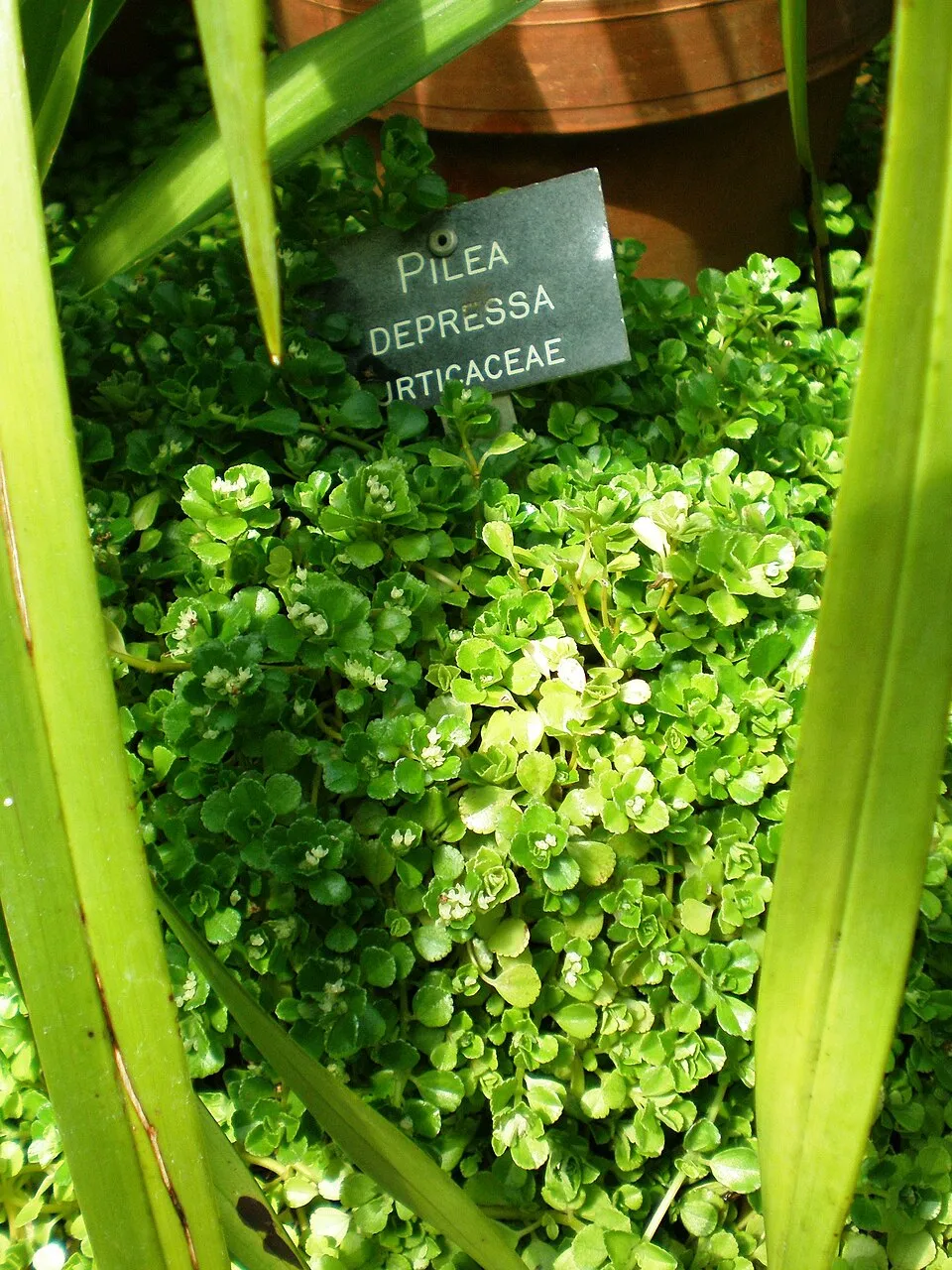
Pilea depressa, widely recognized by its charming common names such as Creeping Charlie, Depressed Pilea, and Baby's Tears, is a diminutive, trailing herbaceous perennial belonging to the Urticaceae family, which notably includes the common stinging nettle. This species is indigenous to the warm, perpetually humid regions of the Caribbean, particularly thriving across the Greater Antilles. In its natural habitat, Pilea depressa flourishes as an understory plant or a lithophyte, gracefully clinging to moist rock surfaces and shaded forest floors where light is indirect and moisture is abundant. Its morphological distinctiveness is characterized by exceedingly slender, delicate stems that possess a remarkable ability to root at their nodes upon contact with moist substrates, facilitating the formation of dense, verdant mats that can spread extensively. The most captivating feature of Pilea depressa is its foliage: small, typically measuring 0.5 to 1 cm in diameter, and notably succulent.
These leaves exhibit a rounded to kidney-shaped (reniform) outline, presenting a vibrant green hue that may be subtly enhanced by a silvery sheen or darker venation, depending on the cultivar and environmental conditions. The leaves are arranged oppositely along the stems, contributing to the plant’s full, lush appearance. While it does produce minute, inconspicuous greenish-white flowers in terminal or axillary cymes, these are generally overlooked, as the plant is primarily cultivated for its attractive, dense foliage. The root system is typically fibrous and shallow, an adaptation for efficient absorption of moisture and nutrients from superficial soil layers or rock crevices. Taxonomically, Pilea depressa is differentiated from the over 600 other species within the diverse Pilea genus by its exceptionally small leaf size, pronounced trailing habit, and rapid mat-forming growth.
It is often confused with other plants colloquially termed 'Creeping Charlie', such as Glechoma hederacea, but its specific botanical characteristics firmly establish its identity within the Pilea genus. Historically, Pilea depressa has been predominantly valued as an ornamental plant, gaining considerable popularity in terrariums, hanging baskets, and as an attractive ground cover due to its delicate appearance and ease of cultivation. Trusted Scientific References Authoritative external sources for Pilea depressa : Wikipedia — Pilea depressa Kew POWO (Plants of the World Online) PubMed — peer-re ...[CURRENT TEXT EXISTS: 2564 chars]
1.1.Pilea Depressa — Defining Traits
- ✓Botanical Name — Pilea depressa
- ✓Common Names — Creeping Charlie, Baby's Tears, Depressed Pilea
- ✓Family Affiliation — Urticaceae (Nettle family)
- ✓Native Origin — Caribbean, particularly the Greater Antilles
- ✓Growth Habit — Trailing, mat-forming herbaceous perennial with rooting nodes
- ✓Leaf Characteristics — Small, succulent, rounded to reniform, vibrant green foliage
- ✓Primary Value — Highly prized as an ornamental plant for decorative purposes
- ✓Environmental Benefit — Contributes to improved indoor air quality and oxygenation
- ✓Therapeutic Aspect — Known to promote stress reduction and mental well-being
- ✓Ease of Cultivation — Relatively low-maintenance and exceptionally easy to propagate
1.2.Pilea Depressa — Quick Summary
- ✓Pilea depressa is a delicate, trailing herbaceous perennial from the Urticaceae family.
- ✓Valued primarily for its lush, small, succulent foliage and mat-forming growth habit.
- ✓Symbolizes renewal, innocence, and adaptability in various cultural interpretations.
- ✓Contributes to improved indoor air quality and offers significant stress reduction benefits.
- ✓Requires bright, indirect light, consistently moist soil, and high humidity for optimal growth.
- ✓Considered mildly toxic to pets if ingested, causing gastrointestinal upset.
2.Pilea Depressa — Systematic Position
3.Pilea Depressa — Quick Facts
4.Pilea Depressa — Structural Profile
5.Pilea Depressa — Where It Grows
6.Pilea Depressa — Cultural & Traditional Roles
7.Pilea Depressa — Secondary Metabolites
- ✓Flavonoids — These are a class of polyphenolic compounds commonly found in plants, known for their antioxidant, anti-inflammatory, and potential cardioprotective properties.
- ✓Tannins — Astringent compounds that can exhibit antioxidant activity and are involved in plant defense mechanisms, potentially offering minor topical soothing effects.
- ✓Polysaccharides — Complex carbohydrates that contribute to plant structure and may possess immunomodulatory properties, though not specifically studied in Pilea depressa for medicinal use.
- ✓Chlorophylls — The primary photosynthetic pigments responsible for the plant's green color, known for their antioxidant activity when consumed, though Pilea depressa is not typically ingested.
- ✓Carotenoids — Accessory pigments that act as antioxidants, protecting plant cells from oxidative stress and potentially offering health benefits if consumed.
- ✓Organic Acids — Various organic acids are present, playing roles in plant metabolism, growth, and defense, contributing to the overall biochemical profile.
- ✓Phytosterols — Plant sterols structurally similar to cholesterol, which are recognized for potential health benefits related to inflammation and cholesterol regulation.
- ✓Minerals — Essential trace elements such as potassium, calcium, magnesium, and iron are absorbed from the soil and are vital for plant growth and metabolic functions.
- ✓Volatile Organic Compounds (VOCs) — Released in minute quantities, some VOCs contribute to plant communication and defense, and can subtly interact with indoor air quality.
- ✓Glycosides — Compounds where a sugar molecule is bonded to another functional group, potentially contributing to various biochemical activities within the plant.
8.Pilea Depressa — Research Insights
- ✓Air Purification — Pilea depressa, like many indoor plants, contributes to improved indoor air quality by absorbing volatile organic compounds (VOCs) and releasing oxygen through photosynthesis.
- ✓Stress Reduction — The presence of lush, green foliage and the act of caring for Pilea depressa can significantly reduce psychological stress, promote relaxation, and enhance overall mental well-being.
- ✓Humidity Regulation — Through transpiration, this plant can subtly increase ambient humidity in its immediate vicinity, which can be beneficial in dry indoor environments for both humans and other plants.
- ✓Aesthetic Therapy — The vibrant green, delicate appearance of Baby's Tears provides a calming visual stimulus, contributing to a more tranquil and aesthetically pleasing living or working space.
- ✓Symbolic Significance — Culturally, Pilea depressa is associated with innocence, renewal, and adaptability, offering emotional comfort and a sense of connection to nature's resilience.
- ✓Enhanced Focus — Studies suggest that incorporating plants into indoor environments can improve concentration and cognitive performance, indirectly benefiting those working or studying.
- ✓Horticultural Therapy — Its ease of propagation and low-maintenance nature make Pilea depressa an excellent subject for horticultural therapy, fostering engagement and a sense of accomplishment.
- ✓Oxygenation — As a photosynthetic organism, Pilea depressa continuously releases fresh oxygen into the surrounding air, contributing to a fresher and more invigorating indoor atmosphere.
- ✓Biofiltration Support — While modest, its presence aids in the natural biofiltration process, potentially trapping dust and particulate matter from the air.
- ✓Natural Decor for Well-being — Integrating Pilea depressa into home decor provides a natural, living element that promotes a sense of calm and a positive environment.
8.1.Pilea Depressa — Conditions Traditionally Used For
9.Pilea Depressa — Adverse Effects
9.1.Pilea Depressa — Warnings
- ✓Allergic Contact Dermatitis — Direct skin contact with the sap of Pilea depressa may cause mild irritation or allergic reactions in hypersensitive individuals.
- ✓Gastrointestinal Upset in Pets — Ingestion of Pilea depressa by cats or dogs can lead to mild symptoms such as vomiting, diarrhea, or mouth irritation.
- ✓Root Rot — Overwatering can lead to waterlogged soil conditions, causing root rot and subsequent decline in plant health, potentially attracting fungal gnats.
- ✓Pest Infestation — Pilea depressa can be susceptible to common houseplant pests like aphids, mealybugs, and spider mites, which can damage foliage and spread to other plants.
- ✓Leaf Scorch — Exposure to direct, intense sunlight can cause the delicate leaves to burn, resulting in brown or crispy patches and overall plant stress.
- ✓Wilting from Underwatering — Prolonged periods of insufficient watering will cause the plant to wilt significantly, indicating severe dehydration and potential long-term damage.
- ✓Environmental Spread (Potential) — In very humid, warm climates, if introduced to natural areas, its rapid growth and rooting habit could potentially allow it to spread aggressively.
9.2.Pilea Depressa — Risk Assessment
- ✓Pet Safety — Keep Pilea depressa out of reach of pets, especially cats and dogs, as ingestion can cause mild gastrointestinal upset.
- ✓Human Contact — While generally safe, individuals with sensitive skin should exercise caution to avoid potential minor dermal irritation from plant sap.
- ✓Ingestion Warning — Pilea depressa is not intended for human consumption; consult a qualified healthcare professional before considering any internal use.
- ✓Pest Management — Regularly inspect plants for signs of pests to prevent infestations and maintain plant health, reducing the need for chemical treatments.
- ✓Proper Drainage — Ensure pots have adequate drainage to prevent waterlogging, which can lead to root rot and other fungal issues.
- ✓Environmental Placement — Place in an environment that meets its light and humidity requirements to ensure plant vitality and avoid stress-induced susceptibility to issues.
- ✓Identification Confirmation — Always verify the plant's identity to prevent confusion with other species, some of which may have different toxicity profiles.
10.Pilea Depressa — Preparation & Dosage
- ✓Ornamental Display — Utilize Pilea depressa in hanging baskets, terrariums, or as a vibrant ground cover in larger planters for its trailing aesthetic.
- ✓Indoor Air Enhancement — Position plants strategically in living and working spaces to contribute to improved air quality and a sense of freshness.
- ✓Therapeutic Gardening — Engage in the cultivation and care of Pilea depressa as a mindful activity to reduce stress and promote mental well-being.
- ✓Humidity Support — Place the plant in bathrooms or near other humidity-loving plants to help create a localized microclimate with elevated moisture.
- ✓Green Decor Integration — Incorporate its delicate foliage into home and office decor to introduce natural elements and a calming ambiance.
- ✓Educational Propagation — Use its easy propagation method as a practical demonstration in botanical education or for sharing with fellow plant enthusiasts.
- ✓Sensory Garden Element — Include Pilea depressa in sensory gardens for its soft texture and visually appealing, dense green carpet effect.
- ✓Desktop Companion — Its compact size and pleasant appearance make it an ideal plant for desks or small shelves, providing a constant connection to nature.
11.Pilea Depressa — Propagation & Care
- ✓Light — Provide bright, indirect light; direct sunlight can scorch the delicate leaves of Pilea depressa.
- ✓Water — Keep the soil consistently moist but never waterlogged; allow the top inch of soil to dry slightly between waterings.
- ✓Soil — Use a well-draining, peat-based potting mix rich in organic matter to retain moisture without becoming soggy.
- ✓Humidity — Pilea depressa thrives in high humidity; consider misting regularly or placing it near a humidifier or pebble tray.
- ✓Temperature — Maintain average room temperatures between 60-75°F (15-24°C) and protect from cold drafts.
- ✓Pruning — Regularly pinch back or trim leggy stems to encourage bushier growth and maintain a compact, dense appearance.
- ✓Fertilization — Feed with a balanced liquid houseplant fertilizer diluted to half strength once a month during the active growing season (spring and summer).
- ✓Propagation — Easily propagate Pilea depressa from stem cuttings placed directly into moist soil or water, rooting readily within a few weeks.
Reviewed by the Flora Medical Global Botanical Review Panel
Multi-disciplinary editorial group · Botany · Ethnobotany · Herbal-medicine literature
Who reviewed this: This page was checked by the Flora Medical Global Botanical Review Panel — an in-house editorial group of botany graduates, ethnobotany researchers, and horticulture practitioners who collectively maintain our 7,000+ plant encyclopedia. Meet the team.
Our 4-step verification process
1. Taxonomic verification
Scientific names and synonyms cross-checked against Kew POWO, World Flora Online, and The Plant List.
2. Phytochemical & medicinal cross-reference
Active compounds, traditional uses, and reported activities are cross-referenced with PubMed, USDA Dr. Duke's database, and peer-reviewed ethnobotanical literature.
3. Conservation & distribution check
Distribution, ecology, and conservation status confirmed against GBIF occurrence records and the IUCN Red List.
4. Editorial & safety review
Every entry passes an editorial pass for clarity, originality, and safety notices (toxicity, contraindications, dosage caveats) before publication.
Last reviewed:
Important medical disclaimer: This content is for educational and research purposes only. It is not medical advice and is not a substitute for consultation with a licensed healthcare provider. Do not use any herb to self-treat a medical condition without professional guidance.
Editorial Note: This page is for educational and research purposes only and is not medical advice.
Written by: Flora Medical Global Editorial Team
Reviewed by: Flora Medical Global Botanical Review Panel
Last Updated: June 15, 2026





Pilea Depressa — Comments & Community Reviews
Rate this plant