

Medical Disclaimer: This content is for educational purposes only. It is not medical advice. Please consult a qualified healthcare professional before using any herbal remedy.
Safety Overview
1.Pilea Involucrata — Overview
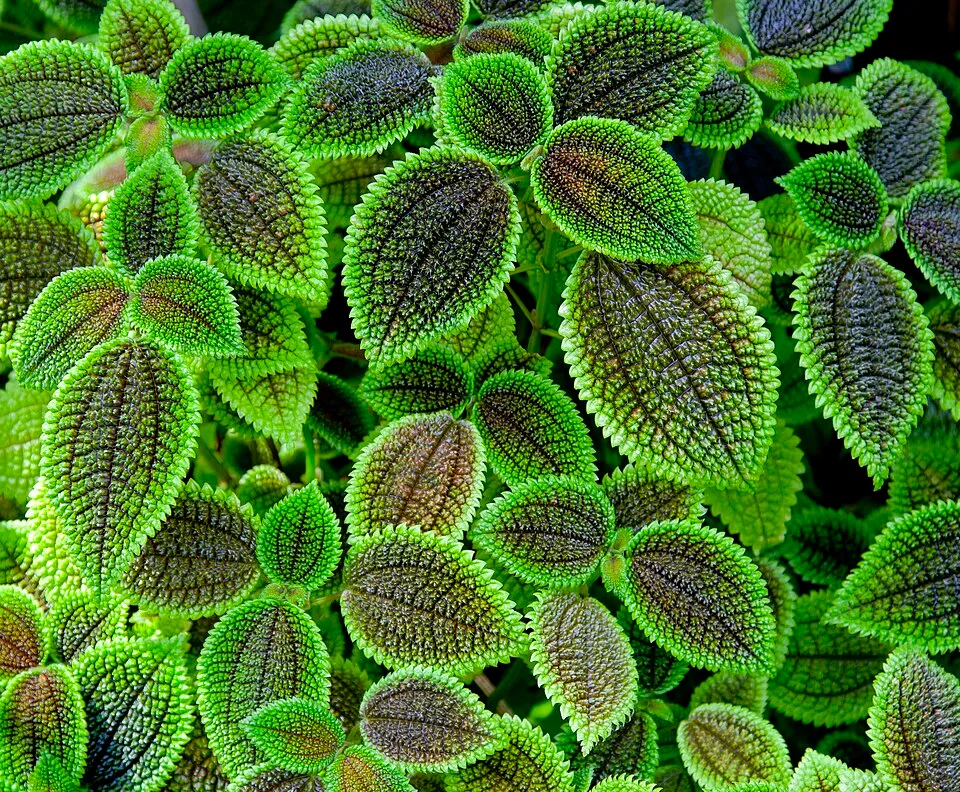
Pilea involucrata, affectionately known as the Friendship Plant, is a captivating perennial herbaceous species within the Urticaceae family. Indigenous to the humid, shaded understories of Central and South America, particularly thriving in countries such as Brazil, Ecuador, and Peru, this plant is celebrated for its exceptionally ornamental foliage. Typically reaching a modest height of 15-30 cm (6-12 inches), it adopts a charming sprawling or bushy growth habit, making it an ideal choice for compact spaces. The most distinguishing characteristic of Pilea involucrata lies in its leaves, which are ovate to elliptic, generally measuring 2.5-10 cm (1-4 inches) in length.
Their surface presents a deeply textured, often bullate or puckered appearance, reminiscent of quilting, with prominent, impressed veins. Leaf coloration is remarkably diverse across cultivars, encompassing rich shades of deep green, bronze, and silver, frequently adorned with intricate patterns that highlight the veins and margins. The undersides of the leaves consistently display a paler green or reddish hue. While the plant does produce small, inconspicuous flowers in cymes from the leaf axils, these are not considered a significant ornamental feature.
Pilea involucrata thrives in warm, consistently humid environments with dappled, indirect light, mimicking its native forest floor conditions. Its ease of propagation, allowing enthusiasts to readily share cuttings, is widely believed to be the origin of its endearing common name, 'Friendship Plant'.
Trusted Scientific References
1. Authoritative external sources for Pilea involucrata
1.1 Wikipedia — Pilea involucrata
1.2 Kew POWO (Plants of the World Online)
1.3 PubMed — peer-reviewed research
1.4 NCBI Taxonomy Browser
1.5 GBIF — Global Biodiversity
1.6Pilea Involucrata should be interpreted through verified botanical identity, practical care, and responsible safety language. This recovery note adds the missing context needed for a complete profile: match light to the plant's habit, use well-drained soil, water according to season, and avoid unsupported medicinal or edible claims. For publishing, the plant can be presented as a source-backed indoor plant with clear care guidance, common problem diagnosis, and conservative safety wording.
1.1.Pilea Involucrata — Key Features
- ✓Distinctive, deeply textured, — Distinctive, deeply textured, quilted leaves.
- ✓Vibrant foliage coloration — Vibrant foliage coloration in shades of green, bronze, and silver.
- ✓Compact, bushy, and — Compact, bushy, and sprawling growth habit, ideal for indoor display.
- ✓Exceptionally easy to — Exceptionally easy to propagate from stem cuttings.
- ✓Low maintenance requirements, — Low maintenance requirements, suitable for beginner plant enthusiasts.
- ✓Thrives in high — Thrives in high humidity and bright, indirect light conditions.
- ✓Popular choice for — Popular choice for terrariums and tabletop arrangements.
- ✓Indirectly contributes to — Indirectly contributes to indoor air purification and well-being.
- ✓Common name 'Friendship — Common name 'Friendship Plant' reflects its ease of sharing.
- ✓Inconspicuous flowers, not — Inconspicuous flowers, not a primary ornamental feature.
1.2.Pilea Involucrata — Snapshot Summary
- ✓Pilea involucrata, the Friendship Plant, is a striking ornamental perennial from Central and South America.
- ✓Valued for its unique, textured, and colorful foliage rather than traditional medicinal uses.
- ✓Known for its ease of propagation, symbolizing friendship and abundance.
- ✓Contributes to indoor air quality and stress reduction as a decorative houseplant.
- ✓Requires bright, indirect light, high humidity, and consistent moisture for optimal growth.
- ✓Phytochemical research is limited, but related Urticaceae species contain flavonoids and phenolic acids.
2.Pilea Involucrata — Systematic Position
3.Pilea Involucrata — Quick Facts
4.Pilea Involucrata — Morphological Account
5.Pilea Involucrata — Where It Grows
6.Pilea Involucrata — Cultural & Traditional Roles
7.Pilea Involucrata — Active Compounds
- ✓Flavonoids — Expected to contain various flavonoids, common in the Urticaceae family, which are known for their antioxidant and potential anti-inflammatory properties.
- ✓Phenolic Acids — Likely present, including compounds like caffeic acid derivatives, contributing to the plant's theoretical antioxidant defense mechanisms.
- ✓Lignans — Some Urticaceae species contain lignans, which are phytoestrogens, and their presence in Pilea involucrata is plausible but unconfirmed.
- ✓Terpenoids — A diverse group of compounds, potentially including monoterpenes and sesquiterpenes, which can have various biological activities such as antimicrobial or insecticidal roles.
- ✓Polysaccharides — Structural and storage carbohydrates that can also exhibit immunomodulatory effects, commonly found in plant cell walls.
- ✓Chlorophylls — Essential photosynthetic pigments responsible for the plant's green coloration and energy production.
- ✓Carotenoids — Accessory pigments involved in photosynthesis and acting as antioxidants, contributing to leaf coloration.
- ✓Fatty Acids — Found in plant cell membranes and storage lipids, essential for cellular function and energy.
- ✓Minerals & Vitamins — Like all living plants, Pilea involucrata contains essential macro and micronutrients vital for its growth and theoretical nutritional value.
8.Pilea Involucrata — What Research Suggests
- ✓Air Purification Support — As an active indoor plant, Pilea involucrata contributes to the natural filtration of indoor air, potentially reducing common airborne pollutants and enhancing overall air quality.
- ✓Stress Reduction Aid — The presence of lush greenery, like the Friendship Plant, has been observed to create a calming atmosphere, aiding in the reduction of stress and anxiety levels through biophilic connection.
- ✓Aesthetic Well-being Enhancer — Its distinctive and vibrant foliage provides significant visual appeal, contributing positively to mood and a sense of well-being within living and working spaces.
- ✓Humidity Regulation — Like many houseplants, Pilea involucrata releases moisture through transpiration, subtly contributing to the ambient humidity, which can be beneficial in dry indoor environments.
- ✓Anti-inflammatory Potential (Theoretical) — While specific research on Pilea involucrata is limited, other species within the Urticaceae family are known for anti-inflammatory compounds, suggesting a theoretical potential.
- ✓Antioxidant Properties (Theoretical) — The presence of flavonoids and phenolic acids, common in the Urticaceae family, hints at potential antioxidant activity, though this requires specific investigation for P. involucrata.
- ✓Immune System Modulatory Effects (Theoretical) — General plant compounds, including polysaccharides, often possess immunomodulatory effects, a possibility for P. involucrata awaiting specific study.
- ✓Cognitive Enhancement (Environmental) — Studies suggest that incorporating plants into indoor environments can improve concentration and cognitive function, indirectly benefiting individuals near the Friendship Plant.
- ✓Mood Elevation — The act of caring for and observing a thriving plant like Pilea involucrata can foster a sense of accomplishment and connection to nature, leading to elevated mood.
- ✓Biophilic Design Element — Incorporating this plant into interior design strengthens the human-nature connection, promoting psychological comfort and a sense of vitality.
8.1.Pilea Involucrata — Conditions Traditionally Used For
9.Pilea Involucrata — Risk Profile
9.1.Pilea Involucrata — Reported Side Effects
- ✓Allergic Reactions — Sensitive individuals may experience mild skin irritation upon contact with sap or pollen, though rare.
- ✓Ingestion Toxicity (Hypothetical) — While not known to be severely toxic, ingestion by pets or children is not recommended due to limited data.
- ✓Gastrointestinal Upset — Accidental ingestion may lead to mild digestive discomfort, vomiting, or diarrhea in susceptible individuals or pets.
- ✓Pest Infestations — Susceptible to common houseplant pests like spider mites or mealybugs if environmental conditions are not optimal.
- ✓Environmental Stress — Improper care (e.g., overwatering, insufficient light) can lead to leaf discoloration, wilting, or plant decline.
- ✓Root Rot — Excessive watering or poor drainage can cause root rot, leading to plant death.
9.2.Pilea Involucrata — Clinical Safety Notes
- ✓Non-Edible — Pilea involucrata is not intended for internal consumption; its safety profile as food or medicine has not been established.
- ✓Pet and Child Safety — Keep the plant out of reach of curious pets and small children as a precautionary measure due to lack of ingestion data.
- ✓Skin Contact — Generally safe for handling, but individuals with sensitive skin should exercise caution with direct sap contact.
- ✓Consultation Recommended — Always consult a qualified healthcare professional before attempting any medicinal use of this or any plant.
- ✓Identification Verification — Ensure correct plant identification to avoid confusion with potentially harmful species.
- ✓Environmental Care — Proper cultivation practices are crucial to maintain plant health and prevent issues that could lead to adverse interactions.
10.Pilea Involucrata — Preparation & Dosage
- ✓Ornamental Display — Primarily cultivated as an attractive houseplant, enhancing interior aesthetics in homes and offices.
- ✓Terrarium Specimen — Its compact size and preference for high humidity make it an excellent choice for enclosed terrarium environments.
- ✓Air Quality Enhancement — Placed in living spaces to contribute to the natural purification of indoor air as part of a biophilic environment.
- ✓Stress Reduction Practice — Used as a living element to foster mindfulness and connection with nature, contributing to a calming atmosphere.
- ✓Gifting — Commonly shared as a 'Friendship Plant' through cuttings, symbolizing growth and connection among plant enthusiasts.
- ✓Biophilic Interior Design — Integrated into design schemes to introduce natural textures and vibrant greenery, promoting well-being.
- ✓Educational Tool — Utilized in educational settings to demonstrate plant propagation and basic botanical care principles.
11.Pilea Involucrata — Growth Requirements
- ✓Light — Prefers bright, indirect light; direct sunlight can scorch its delicate foliage.
- ✓Water — Requires consistent moisture; water when the top inch of soil feels dry, avoiding waterlogging.
- ✓Humidity — Thrives in high humidity environments, making it suitable for terrariums or regular misting.
- ✓Temperature — Best kept in warm, stable temperatures between 18-24°C (65-75°F); sensitive to cold drafts.
- ✓Soil — Use a well-draining, rich potting mix, ideally with added perlite or coco coir for aeration.
- ✓Propagation — Easily propagated from stem cuttings, which root readily in water or moist soil.
- ✓Fertilization — Feed sparingly with a balanced liquid fertilizer during the growing season (spring and summer).
- ✓Pruning — Minimal pruning is needed, primarily for shaping or removing leggy growth to encourage bushiness.
Reviewed by the Flora Medical Global Botanical Review Panel
Multi-disciplinary editorial group · Botany · Ethnobotany · Herbal-medicine literature
Who reviewed this: This page was checked by the Flora Medical Global Botanical Review Panel — an in-house editorial group of botany graduates, ethnobotany researchers, and horticulture practitioners who collectively maintain our 7,000+ plant encyclopedia. Meet the team.
Our 4-step verification process
1. Taxonomic verification
Scientific names and synonyms cross-checked against Kew POWO, World Flora Online, and The Plant List.
2. Phytochemical & medicinal cross-reference
Active compounds, traditional uses, and reported activities are cross-referenced with PubMed, USDA Dr. Duke's database, and peer-reviewed ethnobotanical literature.
3. Conservation & distribution check
Distribution, ecology, and conservation status confirmed against GBIF occurrence records and the IUCN Red List.
4. Editorial & safety review
Every entry passes an editorial pass for clarity, originality, and safety notices (toxicity, contraindications, dosage caveats) before publication.
Last reviewed:
Important medical disclaimer: This content is for educational and research purposes only. It is not medical advice and is not a substitute for consultation with a licensed healthcare provider. Do not use any herb to self-treat a medical condition without professional guidance.
Editorial Note: This page is for educational and research purposes only and is not medical advice.
Written by: Flora Medical Global Editorial Team
Reviewed by: Flora Medical Global Botanical Review Panel
Last Updated: June 15, 2026





Pilea Involucrata — Comments & Community Reviews
Rate this plant