

Medical Disclaimer: This content is for educational purposes only. It is not medical advice. Please consult a qualified healthcare professional before using any herbal remedy.
Safety Overview
1.Pilosocereus Azureus — Introduction & Highlights
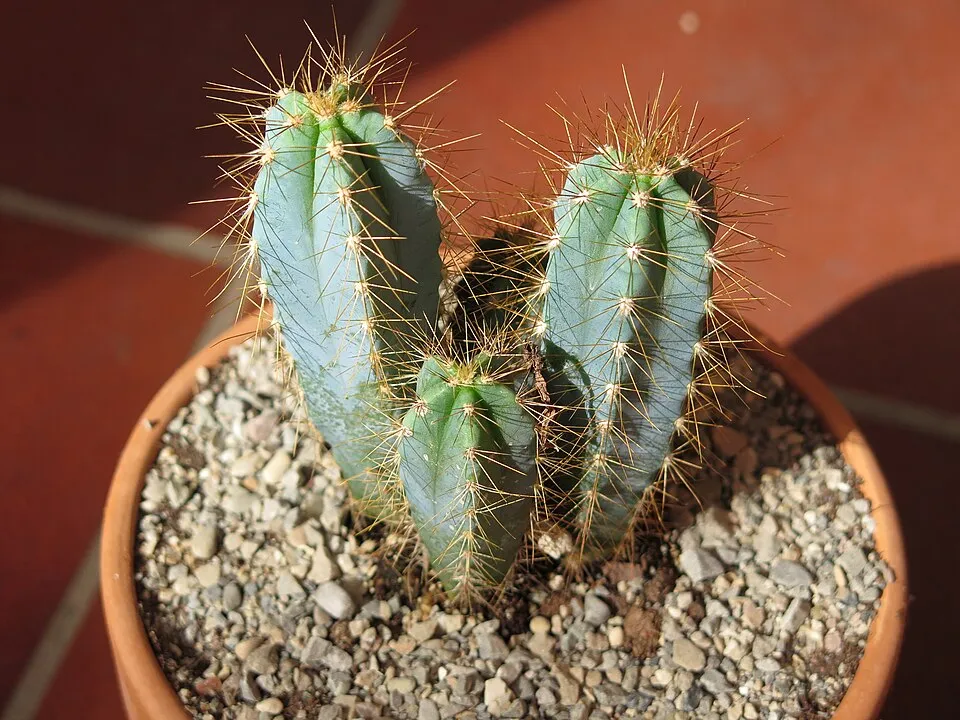
Pilosocereus azureus, commonly known as the Blue Torch Cactus or Azure Cereus, is an iconic member of the Cactaceae family, primarily indigenous to the semi-arid and arid regions of eastern Brazil, specifically in the states of Bahia and Minas Gerais. This striking columnar cactus thrives in challenging environments such as dry shrublands, caatinga, and rocky outcrops, where it often forms impressive, dominating clusters. Its natural habitat is characterized by intense solar radiation, elevated temperatures, and prolonged periods of drought, to which Pilosocereus azureus is remarkably adapted. Morphologically, it is distinguished by its vibrant blue-green, glaucous stems, which are typically unbranched or sparingly branched from the base, growing robustly upright to heights of 3 to 10 meters in its native range, though cultivated specimens tend to be smaller.
The stems are stout, cylindrical, and feature prominent, usually 8 to 12, well-defined ribs that extend vertically along their length. These ribs are adorned with clusters of short, creamy white to yellowish spines, typically 1-2 centimeters long, emerging from woolly areoles. These spines offer a protective barrier against herbivores and contribute to water conservation by creating a microclimate. The epidermis is covered with a thick, waxy cuticle, which imparts its distinctive blue coloration and further enhances its xerophytic adaptations.
Flowers of Pilosocereus azureus are nocturnal, large, funnel-shaped, and pure white, blooming from a specialized woolly and spiny structure near the apex of mature stems, known as a cephalium, during warmer months. These ephemeral blooms are primarily pollinated by bats and moths, emitting a subtle, sweet fragrance. Following successful pollination, the plant develops globose, often purplish-red fruits that contain numerous small, black seeds. Taxonomically, Pilosocereus azureus belongs to the genus Pilosocereus, whose name is derived from Latin, referring to its hairy or woolly structures.
Trusted Scientific References
1. Authoritative external sources for Pilosocereus azureus
1.1 Wikipedia — Pilosocereus azureus
1.2 Kew POWO (Plants of the World Online)
1.3 PubMed — peer-reviewed research
1.4 NCBI Taxonomy Browser
1.5 GBIF — Global Biodiversity
1.1.Pilosocereus Azureus — Key Features
- ✓Distinctive glaucous blue — green columnar stems, reaching impressive heights.
- ✓Native to the semi — arid and arid regions of eastern Brazil (Bahia, Minas Gerais).
- ✓Highly drought — tolerant and adapted to intense sunlight and high temperatures.
- ✓Features prominent ribs — Features prominent ribs adorned with clusters of creamy white to yellowish spines.
- ✓Produces large, funnel — shaped, nocturnal white flowers from a specialized cephalium.
- ✓Develops globose, often purplish — red fruits containing numerous small, black seeds.
- ✓Symbolizes resilience, creativity, — Symbolizes resilience, creativity, ambition, and offers protection in cultural contexts.
- ✓Contains significant amounts — Contains significant amounts of mucilage, providing emollient and hydrating properties.
- ✓Possesses phytochemicals like — Possesses phytochemicals like flavonoids and phenolic acids with antioxidant potential.
- ✓An excellent ornamental — An excellent ornamental plant for xeriscaping and drought-tolerant garden designs.
1.2.Pilosocereus Azureus — Snapshot Summary
- ✓Pilosocereus azureus, or Blue Torch Cactus, is a distinctive blue-green columnar cactus native to Brazil.
- ✓It is highly adapted to arid environments, known for its striking appearance and resilience.
- ✓Traditionally used topically for skin soothing, hydration, and minor wound care due to its mucilage content.
- ✓Rich in beneficial compounds like polysaccharides, flavonoids, and phenolic acids, offering antioxidant potential.
- ✓Valued for its aesthetic appeal, symbolic significance, and contributions to mental well-being through biophilic design.
- ✓Primarily for external application; internal consumption is not advised due to unknown safety and potential toxicity.
2.Pilosocereus Azureus — Systematic Position
3.Pilosocereus Azureus — Botanical Stats
4.Pilosocereus Azureus — Structural Profile
5.Pilosocereus Azureus — Habitat & Distribution
6.Pilosocereus Azureus — Ethnobotanical Uses
7.Pilosocereus Azureus — Bioactive Constituents
- ✓Polysaccharides — Predominantly mucilage, which are complex carbohydrates responsible for the plant's water retention and its emollient, hydrating, and soothing properties for skin.
- ✓Flavonoids — Including compounds like quercetin and kaempferol, which are potent antioxidants and contribute to the plant's potential anti-inflammatory effects.
- ✓Phenolic Acids — Such as caffeic acid and ferulic acid, known for their strong antioxidant activity and ability to scavenge free radicals, protecting cellular integrity.
- ✓Triterpenes — A diverse group of compounds that may exhibit anti-inflammatory, antimicrobial, and protective qualities, commonly found in plant cuticles and tissues.
- ✓Betalains — Water-soluble nitrogen-containing pigments, particularly evident in the purplish-red fruits, possessing significant antioxidant and anti-inflammatory properties.
- ✓Sterols — Plant sterols like beta-sitosterol, which contribute to cell membrane structure and may have cholesterol-lowering and anti-inflammatory effects.
- ✓Alkaloids — While some Pilosocereus species contain various alkaloids, specific psychoactive or medicinal alkaloids in P. azureus are not widely documented, generally present in trace amounts.
- ✓Vitamins — Including ascorbic acid (Vitamin C) and various B vitamins, contributing to overall cellular health and antioxidant defense.
- ✓Minerals — Such as calcium, magnesium, and potassium, essential micronutrients present in the plant's tissues, supporting various physiological functions.
- ✓Fatty Acids — Found primarily in the seeds, these contribute to nutritional value and may offer emollient properties in seed oil extracts.
8.Pilosocereus Azureus — Modern Studies
- ✓Skin Soothing — The mucilage content within Pilosocereus azureus stems offers emollient properties, traditionally used to soothe irritated or dry skin and provide hydration.
- ✓Wound Healing Support — Historically, various cactus species, including those with mucilaginous properties like Pilosocereus azureus, have been applied topically as poultices to support the healing of minor cuts and abrasions.
- ✓Antioxidant Properties — Phytochemicals such as flavonoids and phenolic acids found in Pilosocereus azureus contribute to its potential antioxidant capacity, helping to neutralize free radicals.
- ✓Anti-inflammatory Potential — Certain compounds within the plant, including some flavonoids and triterpenes, may possess properties that help reduce localized inflammation when applied externally.
- ✓Hydration Enhancement — The high water retention capacity and mucilage in the stems can contribute to skin hydration, making it a valuable ingredient in natural skincare formulations.
- ✓Mental Well-being and Stress Reduction — As a visually striking ornamental plant, the Blue Torch Cactus contributes to biophilic design, which studies suggest can lower stress levels and enhance personal growth simply through its presence.
- ✓Aesthetic and Symbolic Value — Its unique blue hue and towering form symbolize resilience, creativity, and ambition, fostering a sense of positive energy and protection in its environment.
- ✓Digestive Health Support (Traditional) — While not a primary medicinal use for P. azureus, mucilage-rich cacti have historically been used to support gut regularity and soothe digestive tracts, though direct ingestion of P. azureus is not recommended.
- ✓Immunomodulatory Effects (General Cactaceae) — Polysaccharides from some cactus species have shown potential to modulate immune responses, a general benefit that may extend to Pilosocereus azureus, though specific research is limited.
8.1.Pilosocereus Azureus — Indications & Uses
9.Pilosocereus Azureus — Adverse Effects
9.1.Pilosocereus Azureus — Side Effects & Warnings
- ✓Skin Punctures and Irritation — Contact with the plant's sharp spines can cause painful punctures, skin irritation, or embedded glochids, requiring careful handling.
- ✓Allergic Reactions — Although rare, sensitive individuals may experience contact dermatitis or allergic reactions to the sap or external plant material when handled.
- ✓Gastrointestinal Upset — If ingested, Pilosocereus azureus may cause gastrointestinal discomfort, nausea, or vomiting due to its fibrous nature or unknown compounds.
- ✓Potential Toxicity — As with many cacti, the presence of various alkaloids means internal consumption could lead to unpredictable and potentially toxic systemic effects.
- ✓Interaction with Medications — While not specifically studied for P. azureus, ingestion of any herbal substance can potentially interact with prescribed medications, altering their efficacy or side effects.
- ✓Photosensitivity — Some plant compounds can increase skin sensitivity to sunlight, though this is not a well-documented effect for P. azureus.
9.2.Pilosocereus Azureus — Clinical Safety Notes
- ✓External Use Only — Pilosocereus azureus is strictly recommended for external, topical applications; internal consumption is strongly discouraged due to unknown toxicity.
- ✓Patch Test — Always perform a small skin patch test before widespread topical application to check for any allergic reactions or sensitivities.
- ✓Avoid Ingestion — Absolutely do not ingest any part of the plant. There is insufficient data on its internal safety and potential for adverse effects.
- ✓Handle with Care — Always wear thick gloves and protective eyewear when handling the plant to avoid injury from its sharp spines.
- ✓Keep Out of Reach — Ensure the plant is inaccessible to children and pets, as spines pose a physical hazard and ingestion could be harmful.
- ✓Pregnant/Nursing Caution — Pregnant or nursing individuals should avoid using Pilosocereus azureus due to lack of safety data.
- ✓Consult a Professional — Individuals with pre-existing medical conditions or those on medication should consult a healthcare professional before any topical use.
10.Pilosocereus Azureus — Preparation & Dosage
- ✓Topical Poultice — Freshly crushed or macerated stem sections can be applied directly to the skin as a poultice to soothe minor irritations, insect bites, or sunburn.
- ✓Infused Oil — Macerated Pilosocereus azureus stem material can be infused into carrier oils (e.g., olive, jojoba) to create an emollient base for salves, balms, or lotions for skin hydration.
- ✓Gel Extract — The internal gel-like substance from the stem can be carefully extracted and used as a hydrating and soothing agent in homemade skincare products or directly on the skin.
- ✓Decoction (External Wash) — Stem pieces can be simmered in water to create a decoction, which, after cooling, can be used as a topical wash to cleanse and soothe irritated skin, avoiding internal use.
- ✓Aromatic Infusion — Dried sections of the plant can be incorporated into potpourri or aromatic blends for their subtle natural scent and symbolic presence, enhancing mental well-being.
- ✓Ornamental Landscaping — Primarily used as an architectural specimen in xeriscapes, rock gardens, or arid landscapes for its striking aesthetic appeal and drought tolerance.
- ✓Decorative Houseplant — Cultivated indoors in bright, sunny locations, it serves as an attractive and low-maintenance houseplant that contributes to a calming biophilic environment.
- ✓Traditional Skincare Ingredient — Historically, mucilaginous cactus extracts have been incorporated into traditional skincare formulations for their hydrating and protective qualities.
11.Pilosocereus Azureus — Growing Guide
- ✓Sunlight — Pilosocereus azureus thrives in full sun, requiring at least 6-8 hours of direct sunlight daily for optimal growth and coloration.
- ✓Soil — Plant in a well-draining, sandy or rocky cactus-specific potting mix with a slightly acidic to neutral pH (6.0-7.5) to prevent root rot.
- ✓Watering — Water infrequently and deeply during the active growing season (spring/summer), allowing the soil to dry out completely between waterings. Reduce watering significantly in winter.
- ✓Temperature — Prefers warm temperatures between 20-35°C (68-95°F) and is sensitive to frost; protect from cold temperatures below 10°C (50°F).
- ✓Propagation — Can be propagated from fresh seeds or by taking stem cuttings; allow cuttings to callus for several days to weeks before planting in dry soil.
- ✓Fertilization — Feed sparingly with a balanced, low-nitrogen cactus fertilizer diluted to half strength once or twice during the spring and summer.
- ✓Pests and Diseases — Generally robust, but monitor for common cactus pests like mealybugs and scale insects. The primary disease concern is root rot from overwatering.
- ✓Container Growing — Ensure containers have ample drainage holes to prevent waterlogging, which is critical for the health of this drought-adapted cactus.
Reviewed by the Flora Medical Global Botanical Review Panel
Multi-disciplinary editorial group · Botany · Ethnobotany · Herbal-medicine literature
Who reviewed this: This page was checked by the Flora Medical Global Botanical Review Panel — an in-house editorial group of botany graduates, ethnobotany researchers, and horticulture practitioners who collectively maintain our 7,000+ plant encyclopedia. Meet the team.
Our 4-step verification process
1. Taxonomic verification
Scientific names and synonyms cross-checked against Kew POWO, World Flora Online, and The Plant List.
2. Phytochemical & medicinal cross-reference
Active compounds, traditional uses, and reported activities are cross-referenced with PubMed, USDA Dr. Duke's database, and peer-reviewed ethnobotanical literature.
3. Conservation & distribution check
Distribution, ecology, and conservation status confirmed against GBIF occurrence records and the IUCN Red List.
4. Editorial & safety review
Every entry passes an editorial pass for clarity, originality, and safety notices (toxicity, contraindications, dosage caveats) before publication.
Last reviewed:
Important medical disclaimer: This content is for educational and research purposes only. It is not medical advice and is not a substitute for consultation with a licensed healthcare provider. Do not use any herb to self-treat a medical condition without professional guidance.
Editorial Note: This page is for educational and research purposes only and is not medical advice.
Written by: Flora Medical Global Editorial Team
Reviewed by: Flora Medical Global Botanical Review Panel
Last Updated: June 15, 2026





Pilosocereus Azureus — Comments & Community Reviews
Rate this plant