


Medical Disclaimer: This content is for educational purposes only. It is not medical advice. Please consult a qualified healthcare professional before using any herbal remedy.
Safety Overview
1.Pinellia — Botanical Snapshot
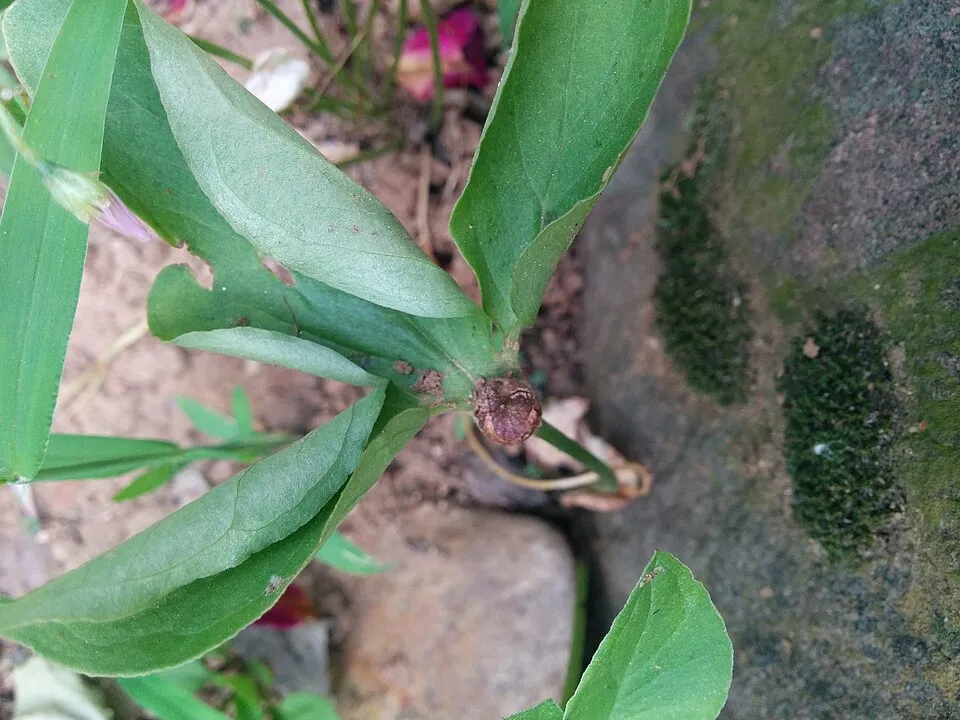
Pinellia ternata, commonly known as Crow-dipper or Green Dragon, is a distinctive tuberous perennial herbaceous plant thriving as a native species across East Asia, including China, Japan, and Korea. It belongs to the Araceae family, a group known for its unique inflorescence structure. This adaptable plant flourishes in temperate climates, frequently found in damp, shady environments such as forest understories, meadows, and even as an occasional presence in cultivated fields. Its morphology is characterized by striking trifoliate leaves, arranged alternately on upright stems. Each leaf typically comprises three lanceolate to ovate leaflets, often with entire or slightly undulate margins and acuminate tips, with the central leaflet usually being larger.
The plant's characteristic inflorescence is a spadix, which is typically encased by a greenish-white or yellowish spathe, a modified leaf that often displays longitudinal stripes. Reproductive parts are systematically arranged on the spadix, with female flowers positioned at the base and male flowers above. Following successful pollination, the spadix develops into a cluster of small berries. Pinellia ternata propagates effectively not only through seeds but also via its underground tubers (corms) and small bulblets that form at the base of each leaf. The most significant part, both commercially and medicinally, is its irregular, tuberculate, corm-like rhizome, usually 1-3 cm in diameter.
This rhizome is meticulously harvested and processed for its extensive use in traditional medicine. The plant exhibits a unique growth cycle, with its flowering stalk emerging in late spring or early summer, followed by fruiting and then senescence of the aerial parts, allowing the underground tuber to perennate through the winter. Notably, Pinellia ternata has also established itself as an invasive weed in parts of Europe and North America, highlighting its robust adaptive capabilities. Its historical and ongoing significance in East Asian pharmacopeias underscores its considerable botanical and ethnobotanical importance.
Trusted Scientific References
1. Authoritative external sources for Pinellia ternata
1.1 Wikipedia — Pinellia ternata
1.2 Kew POWO (Plants of the World Online)
1.3 PubMed — peer-reviewed research
1.4 NCBI Taxonomy Browser
1.5 GBIF — Global Biodiversity
1.1.Pinellia — Highlights
- ✓East Asian Native — Indigenous to China, Japan, and Korea, with a long history in regional medicine.
- ✓Araceae Family Member — Characterized by its unique spadix and spathe inflorescence, typical of aroids.
- ✓Tuberous Perennial — Grows from a significant underground corm/rhizome, which is the medicinally used part.
- ✓Ban Xia in TCM — Revered as 'Ban Xia,' a fundamental herb for resolving dampness and transforming phlegm.
- ✓Powerful Antiemetic — Highly effective in alleviating nausea and vomiting, a primary traditional use.
- ✓Phlegm — Drying Action — Known for its ability to clear various types of phlegm, especially stubborn damp-phlegm.
- ✓Requires Detoxification — Raw plant is toxic; specific processing (Pao Zhi) is critical for safe internal use.
- ✓Distinctive Trifoliate Leaves — Features easily recognizable leaves composed of three leaflets.
- ✓Adaptable Growth — Thrives in shaded, moist temperate environments, demonstrating ecological resilience.
- ✓Diverse Phytochemistry — Contains a complex array of active compounds, including alkaloids, lectins, and polysaccharides.
1.2.Pinellia — Concise Overview
- ✓Pinellia ternata (Ban Xia) is a cornerstone herb in Traditional Chinese Medicine, vital for phlegm and dampness.
- ✓Its rhizome is a potent antiemetic, antitussive, and anxiolytic agent.
- ✓Raw Pinellia is highly toxic; strict traditional processing (Pao Zhi) is mandatory before medicinal use.
- ✓Rich in diverse phytochemicals, including alkaloids, nucleosides, and immunomodulatory lectins.
- ✓Primarily used in complex herbal formulas to balance its effects and target specific conditions.
- ✓Professional guidance is essential for safe and effective application due to its potency and processing requirements.
2.Pinellia — Botanical Identity
3.Pinellia — Vital Statistics
4.Pinellia — Physical Description
5.Pinellia — Native Range & Habitat
6.Pinellia — Heritage Uses
7.Pinellia — Chemical Profile
- ✓Alkaloids — Contains diverse alkaloids including free nucleosides like guanosine, thymidine, adenine, cytidine, and inosine, which are implicated in various biological activities, including neuroprotection and anti-inflammatory effects.
- ✓N-benzylisomethylamine — This alkaloid has been identified, contributing to the complex pharmacology of the plant.
- ✓Cyclopeptides — Includes cycloproline, cyclo(proline-leucine), and cyclo(proline-valine), which are cyclic peptides with potential biological activities.
- ✓Choline — A vital nutrient and quaternary ammonium compound, involved in neurotransmitter synthesis and liver function.
- ✓Trigonelline — An alkaloid known for its potential hypoglycemic and neuroprotective properties.
- ✓L-Ephedrine — While highly variable and debated, trace amounts of L-ephedrine have been reported in some Pinellia preparations, which may contribute sympathomimetic effects.
- ✓Lectins — Pinellia ternata Lectin (PTL) is a prominent protein with immunomodulatory, anti-tumor, and antiviral activities observed in research settings.
- ✓Polysaccharides — These complex carbohydrates contribute to the plant's immunomodulatory and potential anti-tumor effects.
- ✓Flavonoids — A class of polyphenolic compounds known for their antioxidant and anti-inflammatory properties, supporting cellular health.
- ✓Steroids — Includes plant sterols like beta-sitosterol, which possess anti-inflammatory and cholesterol-lowering potential.
- ✓Organic Acids — Various organic acids are present, contributing to the overall chemical profile and therapeutic actions.
- ✓Amino Acids — Contains a spectrum of free amino acids, essential for protein synthesis and metabolic processes.
8.Pinellia — Pharmacological Findings
- ✓Antiemetic Action — Pinellia ternata is a cornerstone herb in Traditional Chinese Medicine (TCM) for its potent ability to alleviate nausea and vomiting, often attributed to its effects on the digestive system and central nervous system.
- ✓Phlegm Transformation — Known as 'Ban Xia' in TCM, it is highly effective in drying dampness and transforming stubborn phlegm, making it invaluable for various respiratory and digestive conditions characterized by excessive phlegm.
- ✓Cough Relief (Antitussive) — It helps to suppress coughs, particularly those accompanied by profuse, watery, or white phlegm, by addressing the underlying damp-phlegm accumulation.
- ✓Anxiolytic and Sedative Effects — Traditionally used to calm the spirit and reduce anxiety, modern research suggests some compounds may interact with neurotransmitter systems, promoting relaxation and aiding sleep.
- ✓Anti-inflammatory Properties — Certain phytochemicals in Pinellia ternata exhibit anti-inflammatory activity, which can be beneficial in conditions where inflammation contributes to symptoms, such as respiratory irritation.
- ✓Digestive Regulation — It assists in improving digestion by resolving dampness that can lead to bloating, indigestion, and a heavy sensation in the stomach.
- ✓Potential Anticancer Activity — Preliminary in vitro studies have indicated that some components of Pinellia ternata may possess antiproliferative effects against certain cancer cell lines.
- ✓Neuroprotective Effects — Research suggests that various compounds, including nucleosides, may offer protective benefits to neuronal cells, potentially supporting neurological health.
- ✓Modulates Thermogenesis and Fatty Acid Oxidation — An animal study on Zucker rats indicated that Pinellia extract could influence thermogenesis and fatty acid oxidation, suggesting a potential role in anti-obesity strategies.
- ✓Immunomodulatory Support — Specific polysaccharides and lectins found in the plant may modulate the immune system, contributing to overall health and resilience.
- ✓Alleviates Morning Sickness — In TCM, Pinellia is frequently included in formulas to address nausea and vomiting associated with pregnancy, under careful professional guidance.
- ✓Addresses Dizziness and Vertigo — For conditions like vertigo or dizziness linked to internal dampness and phlegm accumulation, Pinellia ternata is traditionally employed to clear these imbalances.
8.1.Pinellia — Health Applications
9.Pinellia — Safety Considerations
9.1.Pinellia — Side Effects & Warnings
- ✓Raw Toxicity — Ingesting raw Pinellia ternata causes severe irritation of mucous membranes, leading to swelling, burning sensation in the mouth and throat, nausea, vomiting, and diarrhea.
- ✓Gastrointestinal Discomfort — Even processed forms can cause mild stomach upset, dry mouth, or constipation in sensitive individuals.
- ✓Allergic Reactions — Although rare, some individuals may experience allergic responses such as skin rashes, itching, or respiratory symptoms.
- ✓Excessive Drying — Due to its potent drying nature, prolonged or inappropriate use can lead to symptoms of dryness, such as dry cough or thirst, if not balanced with other herbs.
- ✓Central Nervous System Effects — High doses or improper processing may lead to dizziness, headache, or other neurological disturbances.
- ✓Cardiovascular Effects — Trace amounts of ephedrine in some preparations might theoretically impact individuals with pre-existing heart conditions or hypertension.
- ✓Drug Interactions — May potentially interact with medications, particularly those affecting the central nervous system, blood pressure, or blood clotting.
9.2.Pinellia — Risk Assessment
- ✓Mandatory Processing — Pinellia ternata MUST be properly processed (Pao Zhi) to detoxify and modify its chemical composition before any internal use. Raw consumption is highly toxic.
- ✓Pregnancy and Lactation — Absolutely contraindicated during pregnancy due to potential uterine stimulation and lack of safety data. Also not recommended for breastfeeding mothers.
- ✓Yin Deficiency and Dryness — Use with extreme caution, or avoid, in individuals with Yin deficiency, dry coughs without phlegm, or other conditions characterized by dryness, as its drying nature can exacerbate these.
- ✓Cardiovascular Conditions — Individuals with heart conditions, hypertension, or hyperthyroidism should avoid Pinellia or use it only under strict medical supervision due to potential trace ephedrine content.
- ✓Children and Elderly — Not recommended for young children or frail elderly individuals without the direct guidance and supervision of an experienced practitioner.
- ✓Professional Consultation — Always seek advice from a qualified medical herbalist or Traditional Chinese Medicine practitioner for appropriate diagnosis, dosage, and formulation to ensure safe and effective use.
- ✓Long-Term Use — Long-term use without professional guidance is generally discouraged due to its potent nature and potential for imbalances.
10.Pinellia — Usage Guide
- ✓Traditional Processing (Pao Zhi) — Raw Pinellia ternata is toxic and MUST undergo specific processing (e.g., with ginger and alum, or licorice) to reduce toxicity and enhance its therapeutic properties before internal use.
- ✓Decoction — The most common method in TCM, processed Pinellia rhizomes are boiled with other herbs to create a potent medicinal tea.
- ✓Tinctures — Processed Pinellia can be prepared as an alcohol extract, allowing for convenient dosage and preservation of active compounds.
- ✓Powdered Form — Dried and processed rhizomes can be ground into a fine powder for encapsulation or mixing into liquids, offering a concentrated dose.
- ✓Herbal Formulas — Pinellia is rarely used alone; it is almost always integrated into complex Traditional Chinese Medicine formulas to balance its properties and enhance specific therapeutic effects.
- ✓Topical Applications — In some traditional practices, processed Pinellia might be used externally in poultices for certain skin conditions, though this is less common for its primary indications.
- ✓Dosage — Dosage varies significantly based on the processed form, the specific condition being treated, and the individual's constitution; always consult a qualified medical herbalist or TCM practitioner.
- ✓Culinary Use — Though toxic raw, specific processed forms of Pinellia have been historically used in certain East Asian culinary traditions, particularly in Japan, but this is highly specialized.
11.Pinellia — Garden Cultivation
- ✓Climate Preference — Thrives in temperate climates, hardy in USDA zones 6-9, capable of tolerating mild frosts.
- ✓Soil Requirements — Prefers well-drained, humus-rich, slightly acidic to neutral (pH 6.0-7.0) loamy soil.
- ✓Light Conditions — Best grown in partial to full shade, as direct sunlight can scorch its delicate leaves.
- ✓Propagation — Primarily propagated from its underground corms (tubers) or small bulblets, typically planted in spring.
- ✓Planting Depth and Spacing — Plant tubers 5-10 cm deep and 15-20 cm apart to allow for proper growth and development.
- ✓Watering Needs — Requires consistent moisture, especially during the growing season, but good drainage is crucial to prevent tuber rot.
- ✓Harvesting — Tubers are typically harvested in late summer or autumn, after the aerial parts of the plant have naturally senesced.
- ✓Pest and Disease Management — Generally robust, but can be susceptible to slugs in damp conditions and occasional fungal issues if drainage is poor.
Reviewed by the Flora Medical Global Botanical Review Panel
Multi-disciplinary editorial group · Botany · Ethnobotany · Herbal-medicine literature
Who reviewed this: This page was checked by the Flora Medical Global Botanical Review Panel — an in-house editorial group of botany graduates, ethnobotany researchers, and horticulture practitioners who collectively maintain our 7,000+ plant encyclopedia. Meet the team.
Our 4-step verification process
1. Taxonomic verification
Scientific names and synonyms cross-checked against Kew POWO, World Flora Online, and The Plant List.
2. Phytochemical & medicinal cross-reference
Active compounds, traditional uses, and reported activities are cross-referenced with PubMed, USDA Dr. Duke's database, and peer-reviewed ethnobotanical literature.
3. Conservation & distribution check
Distribution, ecology, and conservation status confirmed against GBIF occurrence records and the IUCN Red List.
4. Editorial & safety review
Every entry passes an editorial pass for clarity, originality, and safety notices (toxicity, contraindications, dosage caveats) before publication.
Last reviewed:
Important medical disclaimer: This content is for educational and research purposes only. It is not medical advice and is not a substitute for consultation with a licensed healthcare provider. Do not use any herb to self-treat a medical condition without professional guidance.
Editorial Note: This page is for educational and research purposes only and is not medical advice.
Written by: Flora Medical Global Editorial Team
Reviewed by: Flora Medical Global Botanical Review Panel
Last Updated: June 15, 2026





Pinellia — Comments & Community Reviews
Rate this plant