
Medical Disclaimer: This content is for educational purposes only. It is not medical advice. Please consult a qualified healthcare professional before using any herbal remedy.
Safety Overview
1.Pink Quill — Introduction & Highlights
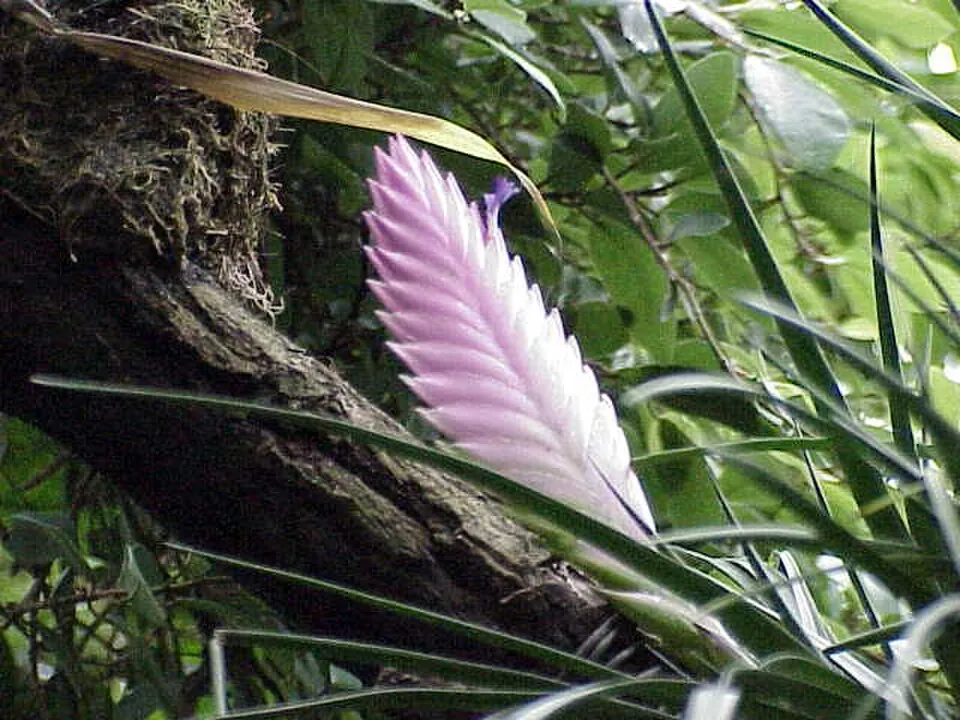
The Pink Quill, scientifically classified as Wallisia cyanea (a synonym of Tillandsia cyanea), is a captivating epiphytic bromeliad native to the tropical rainforests of Ecuador. This striking plant typically forms a dense rosette of recurving, sub-erect, sword-like green leaves, which can reach lengths of up to 14 inches (35 cm). The foliage often exhibits subtle red striations near the base, adding to its visual interest.
At the heart of this vibrant green rosette, Wallisia cyanea produces its most distinguishing feature: a stunning, elliptic to broadly acute inflorescence with conspicuous, long-lasting pink or magenta bracts, resembling a delicate quill. From these vibrant bracts emerge small, tubular purple flowers, typically 20-25 mm long. As an epiphyte, the Pink Quill naturally clings to trees and branches in its native habitat, absorbing moisture and nutrients primarily through its specialized leaves rather than extensive root systems in soil.
It thrives in warm, humid environments, often found in the understory where it receives filtered light. Belonging to the diverse Bromeliaceae family, this species exemplifies the family's adaptation to various ecological niches, making it a popular and resilient indoor ornamental plant valued for its unique growth habit and spectacular, long-lasting floral display.
Trusted Scientific References
1. Authoritative external sources for Wallisia cyanea
1.1 Wikipedia — Wallisia cyanea
1.2 Kew POWO (Plants of the World Online)
1.3 PubMed — peer-reviewed research
1.4 NCBI Taxonomy Browser
1.5 GBIF — Global Biodiversity
1.6Pink Quill should be interpreted through verified botanical identity, practical care, and responsible safety language. This recovery note adds the missing context needed for a complete profile: match light to the plant's habit, use well-drained soil, water according to season, and avoid unsupported medicinal or edible claims. For publishing, the plant can be presented as a source-backed indoor plant with clear care guidance, common problem diagnosis, and conservative safety wording.
1.1.Pink Quill — Standout Qualities
- ✓Striking Magenta Bracts — Produces a long-lasting, vibrant pink to magenta inflorescence resembling a quill, which is its most distinctive ornamental feature.
- ✓Epiphytic Growth Habit — Naturally grows on other plants or structures, absorbing nutrients and moisture through its leaves, not relying on soil for sustenance.
- ✓Air — Purifying Properties — Effectively absorbs common indoor volatile organic compounds (VOCs) like formaldehyde and benzene, contributing to cleaner air.
- ✓Rosette Leaf Arrangement — Features a dense rosette of sword-like, recurving green leaves that form a central cup.
- ✓Compact to Medium Size — Typically grows to a manageable size of 12-18 inches (30-45 cm) tall, suitable for various indoor settings.
- ✓Low Maintenance — Relatively easy to care for, requiring specific watering and light conditions but minimal intervention once established.
- ✓Tropical Aesthetic — Instantly adds a touch of exotic, tropical ambiance to any indoor space with its lush foliage and colorful bloom.
- ✓Long — Lasting Bloom — The vibrant bracts can last for several months, providing extended periods of color and visual interest.
- ✓Adaptable to Indoor Environments — Thrives in typical home conditions if its specific light, water, and humidity needs are met.
- ✓Non — Toxic — Considered safe for households with pets and children, though ingestion should still be avoided.
1.2.Pink Quill — Concise Overview
- ✓Wallisia cyanea, or Pink Quill, is an ornamental epiphytic bromeliad known for its vibrant magenta inflorescence.
- ✓Native to Ecuador, it thrives in warm, humid, indirect light conditions.
- ✓Valued for its aesthetic appeal and its ability to improve indoor air quality by absorbing VOCs.
- ✓Requires a unique 'soak-and-dry' watering method and an airy, well-draining substrate.
- ✓Generally non-toxic to humans and pets, making it a safe indoor plant choice.
- ✓Low-maintenance and long-lasting blooms add tropical elegance to any space.
2.Pink Quill — Taxonomic Classification
3.Pink Quill — Reference Facts
4.Pink Quill — Plant Morphology
5.Pink Quill — Habitat & Distribution
6.Pink Quill — Historical Applications
7.Pink Quill — Bioactive Constituents
- ✓Flavonoids — These are plant secondary metabolites known for their antioxidant and anti-inflammatory properties, commonly found across various plant species and contributing to cellular protection.
- ✓Phenolic Acids — Naturally occurring compounds with antioxidant capabilities, phenolic acids help neutralize free radicals and support plant defense mechanisms, and are generally present in plant tissues.
- ✓Polysaccharides — Complex carbohydrates that play structural roles in plant cell walls and can also contribute to immune modulation in biological systems, though not directly for human consumption in this plant.
- ✓Terpenoids — A diverse group of organic compounds responsible for plant aromas and protective functions; some may contribute to the plant's ability to interact with atmospheric gases.
- ✓Volatile Organic Compounds (VOCs) — Plants naturally emit and absorb various VOCs; specific ones might be involved in the Pink Quill's air-purifying capabilities, aiding in the breakdown or sequestration of environmental pollutants.
- ✓Plant Hormones (Phytohormones) — Compounds like auxins, gibberellins, and cytokinins regulate growth and development, essential for the plant's vitality and structural integrity.
- ✓Chlorophylls and Carotenoids — Primary pigments responsible for photosynthesis and light absorption, contributing to the plant's green and vibrant colors and overall energy production.
- ✓Essential Minerals — Contains macronutrients like nitrogen, phosphorus, potassium, calcium, and magnesium, vital for plant growth and metabolic functions, absorbed from its growing medium or environment.
- ✓Trace Elements — Micronutrients such as iron, manganese, zinc, copper, boron, and molybdenum are present in small quantities, crucial for enzymatic activities and various physiological processes.
8.Pink Quill — Modern Studies
- ✓Improved Indoor Air Quality — Wallisia cyanea, like many indoor plants, contributes to purifying indoor air by absorbing volatile organic compounds (VOCs) such as formaldehyde and benzene, which can be emitted from household products and furnishings.
- ✓Stress Reduction and Relaxation — The presence of living plants, including the aesthetically pleasing Pink Quill, has been shown to reduce psychological stress, lower blood pressure, and promote a sense of calm and well-being through biophilic effects.
- ✓Mood Enhancement — Interacting with or simply observing plants can elevate mood and decrease feelings of anxiety, contributing to a more positive and serene living or working environment.
- ✓Enhanced Focus and Productivity — Studies suggest that incorporating plants into workspaces can improve concentration, memory retention, and overall productivity by creating a more stimulating yet tranquil setting.
- ✓Natural Humidity Regulation — Through the process of transpiration, Pink Quill plants release moisture into the air, which can naturally increase indoor humidity levels, potentially alleviating dry air discomfort.
- ✓Reduction of Airborne Dust — The broad, glossy leaves of the Pink Quill can help trap airborne dust particles, contributing to a cleaner breathing environment, though this effect is generally modest.
- ✓Aesthetic Therapy and Visual Comfort — The plant's vibrant magenta inflorescence and lush green foliage offer a visually appealing element that can reduce visual fatigue and provide a point of natural beauty.
- ✓Connection to Nature — For individuals living in urban environments, cultivating plants like the Pink Quill fosters a tangible connection to nature, which is vital for mental and emotional health.
- ✓Respiratory Comfort — By aiding in the reduction of certain indoor air pollutants and increasing humidity, the Pink Quill can indirectly contribute to greater respiratory comfort, particularly for those sensitive to dry or stale air.
- ✓Promotion of Mindful Living — Caring for a Pink Quill encourages mindful practices and a routine that can be grounding and rewarding, fostering a deeper appreciation for natural life cycles.
8.1.Pink Quill — Indications & Uses
9.Pink Quill — Precautions & Warnings
9.1.Pink Quill — Possible Adverse Reactions
- ✓Contact Dermatitis — While generally considered non-toxic, some individuals with sensitive skin might experience mild irritation upon direct contact with the plant sap.
- ✓Allergic Reactions — Rare instances of allergic reactions, such as sneezing or mild respiratory discomfort, could occur in highly sensitive individuals due to pollen or plant particles.
- ✓Overwatering Issues — Excessive watering or poor drainage can lead to root rot and fungal growth, which may produce unpleasant odors and potentially airborne spores.
- ✓Pest Infestations — If not properly cared for, the plant can harbor common houseplant pests like mealybugs or scale, which can spread to other plants.
- ✓Ingestion Risks (Pets/Children) — Although non-toxic, ingestion of plant material by pets or small children may cause mild gastrointestinal upset, such as vomiting or diarrhea.
- ✓Mold Growth — Persistent dampness, especially in the leaf axils, can encourage mold growth, which might exacerbate respiratory issues for susceptible individuals.
9.2.Pink Quill — Toxicity Assessment
- ✓Non-Toxic Classification — Wallisia cyanea is generally considered non-toxic to humans and most pets, making it a safe choice for indoor environments.
- ✓Careful Handling — While not overtly hazardous, handling with care is advised to prevent minor skin irritation for highly sensitive individuals.
- ✓Pet Safety — Keep out of reach of curious pets to prevent accidental ingestion, which, while non-toxic, could still cause mild stomach upset.
- ✓Child Safety — Ensure young children do not ingest plant parts, as foreign material can cause choking or mild digestive discomfort.
- ✓Allergen Awareness — Individuals with known plant allergies should exercise caution, although severe reactions to Pink Quill are exceedingly rare.
- ✓Proper Ventilation — Maintain good air circulation around the plant to prevent water stagnation and potential mold growth, ensuring a healthy environment.
- ✓Avoid Ingestion — Despite its non-toxic nature, the Pink Quill is not intended for consumption and should not be used in any internal preparations.
10.Pink Quill — How to Use
- ✓Indoor Air Purification — Place Wallisia cyanea in living spaces, offices, or bedrooms to benefit from its natural ability to absorb common indoor air pollutants like formaldehyde and benzene.
- ✓Ornamental Display — Utilize its striking magenta inflorescence and architectural foliage as a vibrant decorative element in homes, conservatories, or office environments to enhance aesthetic appeal.
- ✓Biophilic Design Integration — Incorporate Pink Quill into interior design schemes to foster a connection with nature, promoting psychological well-being and a calming atmosphere.
- ✓Terrarium or Vivarium Inclusion — Due to its epiphytic nature and moderate size, it can be mounted on driftwood or rocks within enclosed terrariums or vivariums to create miniature tropical ecosystems.
- ✓Mood-Enhancing Element — Position the plant in areas where its visual beauty can be regularly appreciated, contributing to stress reduction and mood elevation through its calming presence.
- ✓Gifting and Horticulture — Present Pink Quill as a unique and low-maintenance gift for plant enthusiasts, offering both aesthetic beauty and air-purifying benefits for indoor settings.
- ✓Educational Specimen — Use Wallisia cyanea as a living example in botanical education to illustrate epiphytic growth, bromeliad characteristics, and the importance of air-purifying plants.
11.Pink Quill — Growing Guide
- ✓Light Preference — Provide bright, indirect light; semi-shade conditions are ideal, avoiding harsh, direct midday sun which can scorch the leaves of Wallisia cyanea.
- ✓Watering Technique — Employ the 'soak-and-dry' method by submerging the plant in water for 20-30 minutes once or twice a week, then allowing it to dry completely before the next watering.
- ✓Humidity Requirements — Pink Quills thrive in moderate to high humidity; regular misting can be beneficial, especially in dry indoor environments, to mimic its tropical native habitat.
- ✓Potting Medium — Do not use traditional soil; instead, opt for a well-draining, airy substrate such as orchid bark, coco coir, or a bromeliad-specific mix to ensure proper air circulation around the roots.
- ✓Temperature Range — Maintain indoor temperatures between 65°F and 85°F (18°C-29°C), as this plant is sensitive to cold drafts and extreme temperature fluctuations.
- ✓Fertilization — During the active growing season (spring and summer), feed monthly with a diluted liquid bromeliad-specific fertilizer, applied directly to the leaves or watering cup.
- ✓Air Circulation — Ensure good air circulation around the plant to prevent fungal issues, particularly after watering or misting, which is crucial for epiphytic health.
- ✓Repotting — Repotting is rarely necessary for Pink Quills as they do not root deeply; focus on refreshing the substrate every couple of years if it begins to break down.
Reviewed by the Flora Medical Global Botanical Review Panel
Multi-disciplinary editorial group · Botany · Ethnobotany · Herbal-medicine literature
Who reviewed this: This page was checked by the Flora Medical Global Botanical Review Panel — an in-house editorial group of botany graduates, ethnobotany researchers, and horticulture practitioners who collectively maintain our 7,000+ plant encyclopedia. Meet the team.
Our 4-step verification process
1. Taxonomic verification
Scientific names and synonyms cross-checked against Kew POWO, World Flora Online, and The Plant List.
2. Phytochemical & medicinal cross-reference
Active compounds, traditional uses, and reported activities are cross-referenced with PubMed, USDA Dr. Duke's database, and peer-reviewed ethnobotanical literature.
3. Conservation & distribution check
Distribution, ecology, and conservation status confirmed against GBIF occurrence records and the IUCN Red List.
4. Editorial & safety review
Every entry passes an editorial pass for clarity, originality, and safety notices (toxicity, contraindications, dosage caveats) before publication.
Last reviewed:
Important medical disclaimer: This content is for educational and research purposes only. It is not medical advice and is not a substitute for consultation with a licensed healthcare provider. Do not use any herb to self-treat a medical condition without professional guidance.
Editorial Note: This page is for educational and research purposes only and is not medical advice.
Written by: Flora Medical Global Editorial Team
Reviewed by: Flora Medical Global Botanical Review Panel
Last Updated: June 15, 2026





Pink Quill — Comments & Community Reviews
Rate this plant