


Medical Disclaimer: This content is for educational purposes only. It is not medical advice. Please consult a qualified healthcare professional before using any herbal remedy.
Safety Overview
1.Pisum Sativum Ornamental — Plant Snapshot
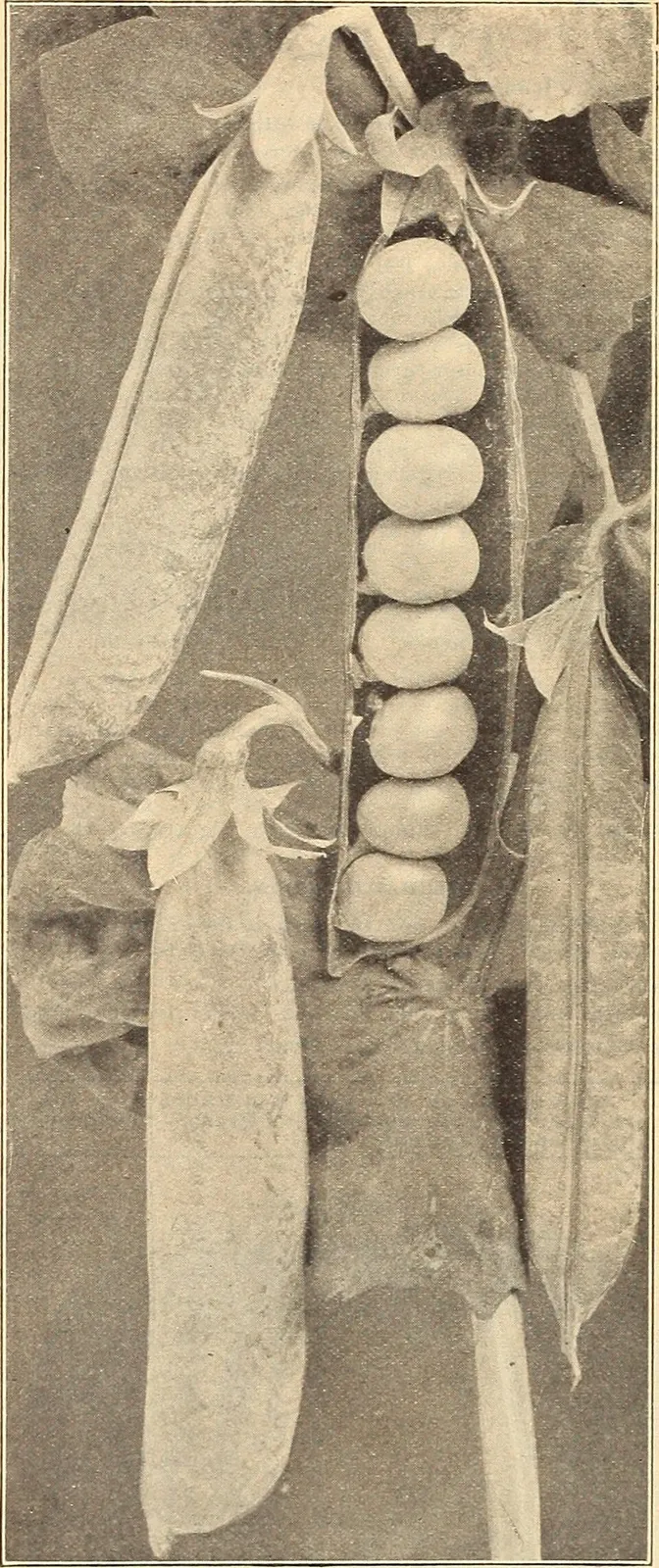
Pisum Sativum Ornamental encompasses a diverse group of garden pea varieties meticulously bred not just for their culinary value but primarily for their striking aesthetic contributions to landscapes. These charming annual climbing plants are characterized by their delicate, coiling tendrils, vibrant green foliage—which in some cultivars can exhibit unique purple or variegated hues—and often showy, unusually colored flowers ranging from classic white to deep purple or bicolors. Following successful pollination, they develop their distinctive pea pods, which themselves can be ornamental, featuring unique shapes, sizes, or even vibrant coloration that adds visual intrigue. Taxonomically, Pisum sativum belongs to the Fabaceae family, encompassing various subspecies such as P. sativum var.
sativum (garden peas), P. sativum var. arvense (field peas), and P. sativum var. macrocarpon (sugar/snap peas).
Ornamental varieties are cultivars within this species, maintaining the fundamental botanical characteristics. The plant typically exhibits hypogeal germination, where the cotyledons remain below the soil surface. Growth habits vary from determinate, short-vine types ideal for compact spaces, to indeterminate, tall-vine types that continuously grow and produce throughout the season, making them perfect for trellises, arbors, or as a living screen. They are cool-season legumes, thriving in well-draining, organically rich soils, commonly found in temperate regions worldwide due to their extensive domestication history.
Trusted Scientific References
1. Authoritative external sources for Pisum Sativum Ornamental
1.1 Wikipedia — Pisum Sativum Ornamental
1.2 Kew POWO (Plants of the World Online)
1.3 PubMed — peer-reviewed research
1.4 NCBI Taxonomy Browser
1.5 GBIF — Global Biodiversity
1.6Pisum Sativum Ornamental should be interpreted through verified botanical identity, practical care, and responsible safety language. This recovery note adds the missing context needed for a complete profile: match light to the plant's habit, use well-drained soil, water according to season, and avoid unsupported medicinal or edible claims. For publishing, the plant can be presented as a source-backed garden plant with clear care guidance, common problem diagnosis, and conservative safety wording.
1.1.Pisum Sativum Ornamental — Key Features
- ✓Annual Climbing Plant — Grows as a vine, utilizing tendrils to climb support structures.
- ✓Dual Purpose — Cultivated for both its ornamental beauty and its edible peas and pods.
- ✓Nitrogen — Fixing Legume — Enhances soil fertility by converting atmospheric nitrogen into usable forms.
- ✓Cool — Season Crop — Thrives in moderate temperatures, making it suitable for spring or fall planting.
- ✓High in Dietary Fiber — Excellent source for promoting digestive health and satiety.
- ✓Rich in Plant Protein — Provides a substantial amount of protein, valuable for plant-based diets.
- ✓Abundant in Vitamins & Minerals — Supplies essential nutrients like Vitamin K, Vitamin C, Folate, Iron, and Manganese.
- ✓Potent Antioxidant Content — Contains coumestrol, flavonoids, and polyphenols for cellular protection.
- ✓Diverse Cultivars — Available in varieties with unique flower colors, pod shapes, and foliage hues.
- ✓Versatile Garden Use — Ideal for trellises, arbors, containers, and edible landscaping designs.
1.2.Pisum Sativum Ornamental — At-a-Glance Summary
- ✓Pisum Sativum Ornamental offers both aesthetic beauty and significant nutritional value, stemming from the broader pea species.
- ✓It is a nutrient-dense legume, rich in dietary fiber, plant-based protein, essential vitamins (K, C, B), and minerals (Manganese, Iron, Phosphorus).
- ✓Supports digestive health, blood sugar regulation, cardiovascular function, bone strength, and immune response.
- ✓Contains potent antioxidants like coumestrol and various polyphenols, contributing to anti-inflammatory and cellular protective effects.
- ✓A cool-season annual, relatively easy to cultivate, adding both beauty and bounty to edible landscapes.
- ✓Generally safe for consumption, with minor side effects like gas/bloating in sensitive individuals.
2.Pisum Sativum Ornamental — Scientific Profile
3.Pisum Sativum Ornamental — Botanical Stats
4.Pisum Sativum Ornamental — Plant Morphology
5.Pisum Sativum Ornamental — Habitat & Distribution
6.Pisum Sativum Ornamental — Cultural & Traditional Roles
7.Pisum Sativum Ornamental — Active Compounds
- ✓Vitamins — Rich in Vitamin K (essential for blood clotting and bone health), Vitamin C (an antioxidant and immune booster), and a spectrum of B vitamins including B1 (Thiamine for energy metabolism), B2 (Riboflavin), B3 (Niacin), B6 (Pyridoxine), and B9 (Folate, crucial for cell division and DNA synthesis).
- ✓Minerals — Contains significant levels of Manganese (cofactor for enzymes), Iron (vital for oxygen transport), Phosphorus (bone health and energy), Magnesium (muscle and nerve function), Zinc (immune support), Copper (collagen formation), and Potassium (blood pressure regulation).
- ✓Dietary Fiber — Comprises both soluble fiber (aids in cholesterol and blood sugar regulation) and insoluble fiber (promotes digestive regularity and gut health), crucial for gastrointestinal wellness.
- ✓Proteins — A valuable source of plant-based protein, providing essential amino acids necessary for tissue repair, enzyme production, and overall bodily function.
- ✓Carbohydrates — Primarily complex carbohydrates, providing sustained energy release.
- ✓Antioxidants — Features potent antioxidants such as Coumestrol (a phytoestrogen with anti-inflammatory properties), various Polyphenols (e.g., phenolic acids, flavonoids like quercetin and kaempferol) that combat oxidative stress and reduce inflammation.
- ✓Saponins — These plant compounds contribute to potential cholesterol-lowering effects and possess some antimicrobial properties.
- ✓Carotenoids — Includes compounds like lutein and zeaxanthin, which are beneficial for eye health.
8.Pisum Sativum Ornamental — What Research Suggests
- ✓Digestive Health Enhancement — The rich content of both soluble and insoluble dietary fiber in Pisum sativum significantly promotes healthy bowel function, prevents constipation, and supports a balanced gut microbiome, acting as a prebiotic.
- ✓Blood Sugar Regulation — Dietary fiber, particularly soluble fiber, helps to slow down the absorption of glucose into the bloodstream, contributing to more stable blood sugar levels and potentially reducing the risk of type 2 diabetes.
- ✓Cardiovascular System Support — Peas are abundant in fiber, potassium, and antioxidants, which collectively aid in managing cholesterol levels, maintaining healthy blood pressure, and reducing overall cardiovascular disease risk.
- ✓Bone Health Fortification — A substantial source of Vitamin K, manganese, and phosphorus, Pisum sativum plays a crucial role in bone mineralization and density, supporting strong skeletal health.
- ✓Immune System Boost — Rich in Vitamin C and other antioxidants, peas contribute to a robust immune system, helping to protect the body against infections and environmental stressors.
- ✓Plant-Based Protein Source — As a complete plant protein, Pisum sativum offers essential amino acids vital for muscle repair, growth, and overall cellular function, making it an excellent choice for vegetarian and vegan diets.
- ✓Anti-inflammatory Action — Antioxidants like coumestrol and various polyphenols found in peas possess anti-inflammatory properties, which can help mitigate chronic inflammation throughout the body.
- ✓Cellular Protection Against Oxidative Stress — The presence of numerous antioxidants, including flavonoids and phenolic acids, helps to neutralize harmful free radicals, protecting cells from oxidative damage.
- ✓Energy Metabolism Support — B vitamins, particularly folate, thiamine, and niacin, along with iron, are crucial for converting food into energy, supporting overall vitality and reducing fatigue.
- ✓Weight Management Aid — The high fiber and protein content promotes satiety, helping to reduce overall calorie intake and support healthy weight management efforts.
8.1.Pisum Sativum Ornamental — Therapeutic Indications
9.Pisum Sativum Ornamental — Risk Profile
9.1.Pisum Sativum Ornamental — Possible Adverse Reactions
- ✓Gas and Bloating — The high fiber content and certain oligosaccharides can cause flatulence and abdominal discomfort in sensitive individuals, especially when consumed in large quantities.
- ✓Allergic Reactions — As a legume, peas can trigger allergic responses in individuals with legume allergies, manifesting as hives, swelling, or digestive issues.
- ✓Antinutrient Content — Raw peas contain antinutrients like lectins and phytates, which can interfere with nutrient absorption, though cooking significantly reduces their levels.
- ✓Drug Interactions — The Vitamin K content may interfere with anticoagulant medications (blood thinners), so individuals on such medications should consume peas consistently and in moderation.
- ✓Digestive Upset — Overconsumption or sensitivity to specific compounds in peas can lead to stomach upset, diarrhea, or nausea in some people.
- ✓Oxalate Content — While not excessively high, peas do contain oxalates, which could be a concern for individuals prone to kidney stones if consumed in very large amounts.
9.2.Pisum Sativum Ornamental — Risk Assessment
- ✓Generally Recognized as Safe (GRAS) — Pisum sativum, including ornamental varieties, is widely consumed as a food and is generally considered safe for most healthy individuals.
- ✓Cooking Recommendations — Cooking peas thoroughly helps to deactivate antinutrients and improve digestibility, making them safer for consumption.
- ✓Moderation for Sensitive Individuals — Those with sensitive digestive systems should introduce peas gradually and consume them in moderation to assess tolerance.
- ✓Allergy Awareness — Individuals with known legume allergies should exercise caution or avoid peas, and consult a healthcare professional if symptoms arise.
- ✓Pregnancy and Lactation — Peas are generally safe to consume in food amounts during pregnancy and lactation, providing valuable nutrients.
- ✓Consult Healthcare Provider — Individuals on anticoagulant medications or with specific health conditions (e.g., kidney disease) should consult their doctor regarding pea consumption.
- ✓Proper Preparation — Always wash fresh peas thoroughly to remove any potential residues or contaminants.
10.Pisum Sativum Ornamental — Application Forms
- ✓Culinary Consumption — Fresh peas can be eaten raw, steamed, boiled, or stir-fried, while edible pods (snap and snow peas) are excellent in salads or cooked dishes.
- ✓Edible Landscaping — Utilize ornamental pea varieties to add vertical interest, vibrant colors, and edible elements to garden beds, arbors, trellises, and containers.
- ✓Pea Shoots and Microgreens — Young pea shoots can be harvested for their tender texture and sweet flavor, perfect for salads, sandwiches, or garnishes.
- ✓Dried Peas — Field pea varieties are dried and used in soups, stews, or ground into flour for baking and thickening.
- ✓Plant-Based Protein Powder — Dried peas are processed into protein isolates, widely used in supplements and plant-based food products for their high protein content.
- ✓Green Manure/Cover Crop — Certain Pisum sativum varieties, particularly field peas, are excellent for improving soil fertility and structure when tilled back into the soil.
- ✓Sprouting — Pea seeds can be sprouted to enhance their nutritional value and are enjoyed in salads or as a healthy snack.
11.Pisum Sativum Ornamental — Growth Requirements
- ✓Site Selection — Choose a location with full sun exposure, receiving at least 6-8 hours of direct sunlight daily for optimal growth and yield.
- ✓Soil Preparation — Ensure well-draining soil that is rich in organic matter, with a slightly acidic to neutral pH range of 6.0 to 7.5; amend with compost if necessary.
- ✓Sowing Seeds — Sow seeds directly into the garden in early spring as soon as the soil is workable and temperatures are consistently cool (55-65°F is ideal), or in late summer/fall for winter-hardy varieties.
- ✓Providing Support — For climbing ornamental varieties, install trellises, netting, or stakes at planting time to support their vining growth and maximize air circulation.
- ✓Watering Regimen — Maintain consistent soil moisture, especially during flowering and pod development, but avoid waterlogging to prevent root rot.
- ✓Fertilization — Peas are legumes and fix nitrogen in the soil, so excessive nitrogen fertilization is not required; a balanced organic fertilizer applied at planting can be beneficial.
- ✓Pest and Disease Management — Monitor for common pests like aphids and diseases such as powdery mildew; choose disease-resistant cultivars and practice crop rotation.
- ✓Harvesting — Harvest pods regularly to encourage continuous production and maintain plant vigor, whether for aesthetic appeal or culinary use.
Reviewed by the Flora Medical Global Botanical Review Panel
Multi-disciplinary editorial group · Botany · Ethnobotany · Herbal-medicine literature
Who reviewed this: This page was checked by the Flora Medical Global Botanical Review Panel — an in-house editorial group of botany graduates, ethnobotany researchers, and horticulture practitioners who collectively maintain our 7,000+ plant encyclopedia. Meet the team.
Our 4-step verification process
1. Taxonomic verification
Scientific names and synonyms cross-checked against Kew POWO, World Flora Online, and The Plant List.
2. Phytochemical & medicinal cross-reference
Active compounds, traditional uses, and reported activities are cross-referenced with PubMed, USDA Dr. Duke's database, and peer-reviewed ethnobotanical literature.
3. Conservation & distribution check
Distribution, ecology, and conservation status confirmed against GBIF occurrence records and the IUCN Red List.
4. Editorial & safety review
Every entry passes an editorial pass for clarity, originality, and safety notices (toxicity, contraindications, dosage caveats) before publication.
Last reviewed:
Important medical disclaimer: This content is for educational and research purposes only. It is not medical advice and is not a substitute for consultation with a licensed healthcare provider. Do not use any herb to self-treat a medical condition without professional guidance.
Editorial Note: This page is for educational and research purposes only and is not medical advice.
Written by: Flora Medical Global Editorial Team
Reviewed by: Flora Medical Global Botanical Review Panel
Last Updated: June 15, 2026





Pisum Sativum Ornamental — Comments & Community Reviews
Rate this plant