


Medical Disclaimer: This content is for educational purposes only. It is not medical advice. Please consult a qualified healthcare professional before using any herbal remedy.
Safety Overview
1.Plectranthus Australis — Essential Profile
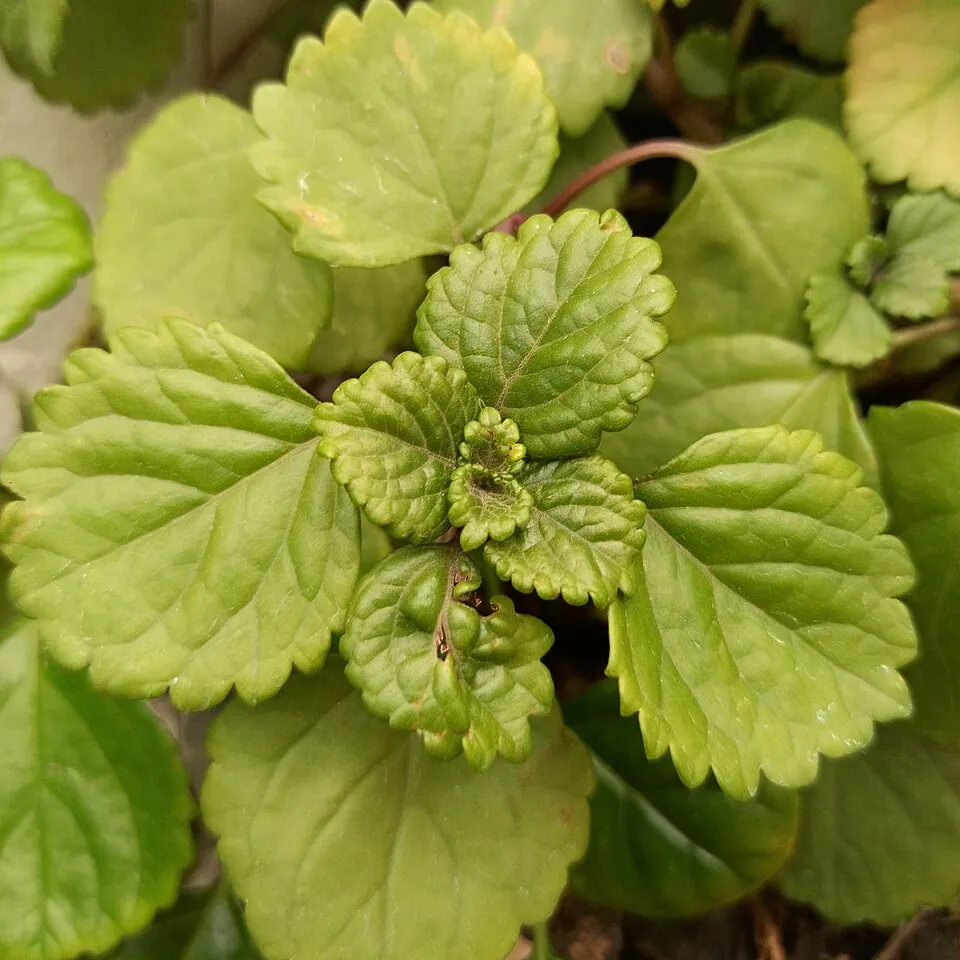
Plectranthus australis, widely recognized by its common name Swedish Ivy, is a charming perennial herbaceous plant belonging to the expansive Lamiaceae family, which also includes renowned aromatic herbs like mint and basil. This species is native to the warm, subtropical regions of South Africa, where it thrives in shaded, well-draining environments. When cultivated, Plectranthus australis typically forms a compact yet sprawling habit, reaching heights of 30 to 60 centimeters (12 to 24 inches) with thick, fleshy stems that can extend up to 1 meter (3 feet) in length, often exhibiting a subtly ridged texture.
Its most distinctive feature lies in its foliage: ovate to elliptical leaves, approximately 5 to 10 centimeters (2 to 4 inches) long, boasting a lustrous deep green surface and distinctively serrated margins. These attractive leaves are arranged in whorls along the stems, contributing significantly to its aesthetic appeal. Under optimal conditions, particularly when grown outdoors or in strong indirect light, the plant may produce delicate, tubular flowers.
These blossoms typically range from lavender to pale purple hues and are clustered in small, axillary racemes, adding a subtle beauty, though flowering is less frequent in typical indoor settings. Plectranthus australis is highly valued for its adaptability and ease of care, making it a popular choice for indoor gardening, hanging baskets, and ground cover in suitable climates.
Trusted Scientific References
1. Authoritative external sources for Plectranthus australis
1.1 Wikipedia — Plectranthus australis
1.2 Kew POWO (Plants of the World Online)
1.3 PubMed — peer-reviewed research
1.4 NCBI Taxonomy Browser
1.5 GBIF — Global Biodiversity
1.6Plectranthus Australis should be interpreted through verified botanical identity, practical care, and responsible safety language. This recovery note adds the missing context needed for a complete profile: match light to the plant's habit, use well-drained soil, water according to season, and avoid unsupported medicinal or edible claims. For publishing, the plant can be presented as a source-backed indoor plant with clear care guidance, common problem diagnosis, and conservative safety wording.
1.1.Plectranthus Australis — Notable Characteristics
- ✓Glossy, deep green, — Glossy, deep green, serrated leaves.
- ✓Trailing or cascading — Trailing or cascading growth habit, ideal for hanging baskets.
- ✓Produces small, tubular — Produces small, tubular lavender to pale purple flowers.
- ✓Native to subtropical — Native to subtropical regions of South Africa.
- ✓Renowned for its — Renowned for its ease of cultivation as an indoor plant.
- ✓Contains notable levels — Contains notable levels of rosmarinic acid.
- ✓Traditionally recognized for anti — inflammatory properties.
- ✓Belongs to the — Belongs to the large and medicinally significant Lamiaceae family.
- ✓Adaptable to a — Adaptable to a range of indoor light conditions.
- ✓Offers potential for — Offers potential for natural antiseptic and antimicrobial applications.
1.2.Plectranthus Australis — Concise Overview
- ✓Common Name — Swedish Ivy (Plectranthus australis)
- ✓Family — Lamiaceae, known for aromatic herbs.
- ✓Key Properties — Anti-inflammatory, analgesic, and antimicrobial.
- ✓Primary Uses — Traditionally used for topical skin issues and internal inflammation.
- ✓Active Compounds — Rich in rosmarinic acid, flavonoids, and diterpenoids.
- ✓Cultivation — Easy-to-grow houseplant, thrives in indirect light and well-draining soil.
2.Plectranthus Australis — Nomenclature & Classification
3.Plectranthus Australis — Key Data
4.Plectranthus Australis — Physical Description
5.Plectranthus Australis — Native Range & Habitat
6.Plectranthus Australis — Folk Medicine Applications
7.Plectranthus Australis — Phytochemistry
- ✓Rosmarinic Acid — A potent ester of caffeic acid and 3,4-dihydroxyphenyl lactic acid, known for its significant antioxidant, anti-inflammatory, and antiviral properties.
- ✓Flavonoids — A diverse group of polyphenolic compounds such as apigenin and luteolin, contributing to the plant's antioxidant, anti-inflammatory, and protective cellular effects.
- ✓Diterpenoids — Including compounds like coleon A and plectranthone, which exhibit a range of biological activities including antimicrobial, anti-inflammatory, and sometimes cytotoxic effects.
- ✓Phenolic Acids — Beyond rosmarinic acid, other simple phenolic acids contribute to the plant's overall antioxidant capacity and protective mechanisms.
- ✓Essential Oils — Contains a complex mixture of volatile organic compounds, including monoterpenes and sesquiterpenes, which contribute to its characteristic aroma and may possess antimicrobial properties.
- ✓Triterpenes — Compounds such as ursolic acid and oleanolic acid derivatives, which are often associated with anti-inflammatory, hepatoprotective, and adaptogenic activities.
- ✓Sterols — Plant sterols like beta-sitosterol are present, known for their potential to support cardiovascular health and modulate immune responses.
- ✓Saponins — Glycosides with surfactant properties, some of which may have immune-modulating or expectorant effects, though generally in lower concentrations.
- ✓Glycosides — Various other glycosidic compounds, where a sugar molecule is linked to a non-sugar component, contributing to diverse pharmacological actions.
- ✓Coumarins — A class of organic compounds often found in plants, which can have anticoagulant, anti-inflammatory, and antimicrobial properties.
8.Plectranthus Australis — Evidence-Based Benefits
- ✓Anti-inflammatory — Plectranthus australis extracts have shown potential to reduce inflammation, likely due to the presence of phenolic compounds and diterpenoids that modulate inflammatory pathways.
- ✓Analgesic — Traditionally, this plant has been used for its pain-relieving properties, which may be attributed to its anti-inflammatory effects and direct interaction with pain receptors.
- ✓Antimicrobial — Research indicates Plectranthus australis possesses activity against various bacteria and fungi, making it useful in preventing and treating minor infections.
- ✓Antiseptic — Applied topically, the plant can help cleanse wounds and abrasions, inhibiting the growth of harmful microorganisms and promoting a sterile healing environment.
- ✓Wound Healing Support — Its anti-inflammatory and antimicrobial actions collectively support the natural wound healing process, reducing swelling and preventing infection.
- ✓Dermatological Relief — Used for soothing skin irritations, rashes, and minor burns, providing a cooling and calming effect on inflamed skin.
- ✓Antioxidant Protection — Rich in rosmarinic acid and other flavonoids, Plectranthus australis helps neutralize free radicals, protecting cells from oxidative damage.
- ✓Respiratory Comfort — In some traditional practices, infusions might be used to alleviate minor respiratory discomforts, leveraging its anti-inflammatory properties.
- ✓Digestive Aid — While less studied for this species, other Plectranthus plants are used traditionally to soothe minor digestive upsets, suggesting potential carminative properties.
- ✓Immune System Modulation — The plant's bioactive compounds may help balance immune responses, contributing to overall health and resilience.
8.1.Plectranthus Australis — Conditions Traditionally Used For
9.Plectranthus Australis — Safety Considerations
9.1.Plectranthus Australis — Caution Notes
- ✓Allergic Reactions — Sensitive individuals may experience contact dermatitis or skin irritation upon topical application.
- ✓Gastrointestinal Upset — High doses taken internally may lead to mild nausea, stomach discomfort, or diarrhea.
- ✓Photosensitivity — Rarely, some individuals might experience increased skin sensitivity to sunlight after internal consumption.
- ✓Drug Interactions — Potential interactions with blood-thinning medications or those affecting blood pressure due due to some constituent actions.
- ✓Pregnancy & Lactation — Insufficient safety data exists; therefore, use is generally advised against during these periods.
- ✓Topical Discoloration — Some plant extracts can temporarily stain skin or fabric, though uncommon with Plectranthus australis.
- ✓Oral Irritation — Direct chewing of raw leaves in large quantities might cause mild irritation to mucous membranes.
9.2.Plectranthus Australis — Toxicity Assessment
- ✓Patch Test Recommended — Always perform a small patch test on skin before widespread topical application to check for allergic reactions.
- ✓Consult Healthcare Professional — Seek advice from a qualified healthcare provider before internal use, especially if pregnant, breastfeeding, or on medication.
- ✓Avoid During Pregnancy/Lactation — Due to limited research on its effects, it is prudent to avoid use during pregnancy and while nursing.
- ✓Keep Out of Reach of Children — Store all plant preparations safely away from children and pets to prevent accidental ingestion.
- ✓Discontinue Use if Adverse Reactions Occur — If any adverse symptoms arise, cease use immediately and consult a medical professional.
- ✓Not for Self-Treatment of Serious Conditions — Plectranthus australis should not be used as a sole treatment for serious medical conditions; always seek professional diagnosis.
- ✓Dosage Adherence — Adhere strictly to recommended dosages for prepared remedies to minimize potential side effects.
10.Plectranthus Australis — Preparation Methods
- ✓Topical Poultice — Fresh, crushed leaves can be applied directly to minor wounds, insect bites, or inflamed skin to reduce swelling and aid healing.
- ✓Herbal Infusion (Tea) — Dried or fresh leaves can be steeped in hot water to create an herbal tea, traditionally used for internal anti-inflammatory or digestive support.
- ✓Tincture — An alcohol-based extract of the leaves and stems, offering a concentrated form for internal or diluted external application.
- ✓Ointment or Salve — Infused oil made from the plant can be blended with beeswax to create a topical ointment for localized pain relief and skin healing.
- ✓Herbal Compress — A cloth soaked in a warm, strong infusion of Plectranthus australis can be applied to aching joints or muscles for analgesic effects.
- ✓Glycerite — A non-alcoholic extract using vegetable glycerin, suitable for internal use, especially for children or those avoiding alcohol.
- ✓Essential Oil Blend — While not a primary essential oil plant, extracts containing volatile compounds can be incorporated into topical blends for aromatherapy or localized relief.
- ✓Bath Additive — A strong infusion can be added to bathwater to soothe widespread skin irritations or muscle soreness.
11.Plectranthus Australis — Garden Cultivation
- ✓Light Requirements — Prefers bright, indirect sunlight indoors; partial to full shade outdoors in warmer climates.
- ✓Soil Preference — Thrives in well-draining, humus-rich potting mix with a slightly acidic to neutral pH.
- ✓Watering Schedule — Keep the soil consistently moist but never waterlogged; allow the top inch of soil to dry slightly between waterings.
- ✓Temperature & Humidity — Ideal temperatures range from 18-24°C (65-75°F); appreciates high humidity, benefiting from misting or a pebble tray.
- ✓Propagation — Easily propagated from stem cuttings. Cuttings root readily in water or moist soil within a few weeks.
- ✓Fertilization — Feed monthly during the growing season (spring and summer) with a balanced liquid fertilizer diluted to half strength.
- ✓Pruning — Regular pinching and pruning encourage bushier growth and prevent legginess, also promoting better air circulation.
- ✓Pests & Diseases — Generally hardy, but can occasionally be susceptible to common houseplant pests like spider mites, mealybugs, and aphids.
Reviewed by the Flora Medical Global Botanical Review Panel
Multi-disciplinary editorial group · Botany · Ethnobotany · Herbal-medicine literature
Who reviewed this: This page was checked by the Flora Medical Global Botanical Review Panel — an in-house editorial group of botany graduates, ethnobotany researchers, and horticulture practitioners who collectively maintain our 7,000+ plant encyclopedia. Meet the team.
Our 4-step verification process
1. Taxonomic verification
Scientific names and synonyms cross-checked against Kew POWO, World Flora Online, and The Plant List.
2. Phytochemical & medicinal cross-reference
Active compounds, traditional uses, and reported activities are cross-referenced with PubMed, USDA Dr. Duke's database, and peer-reviewed ethnobotanical literature.
3. Conservation & distribution check
Distribution, ecology, and conservation status confirmed against GBIF occurrence records and the IUCN Red List.
4. Editorial & safety review
Every entry passes an editorial pass for clarity, originality, and safety notices (toxicity, contraindications, dosage caveats) before publication.
Last reviewed:
Important medical disclaimer: This content is for educational and research purposes only. It is not medical advice and is not a substitute for consultation with a licensed healthcare provider. Do not use any herb to self-treat a medical condition without professional guidance.
Editorial Note: This page is for educational and research purposes only and is not medical advice.
Written by: Flora Medical Global Editorial Team
Reviewed by: Flora Medical Global Botanical Review Panel
Last Updated: June 15, 2026





Plectranthus Australis — Comments & Community Reviews
Rate this plant