

Medical Disclaimer: This content is for educational purposes only. It is not medical advice. Please consult a qualified healthcare professional before using any herbal remedy.
Safety Overview
1.Plum Tree — At a Glance
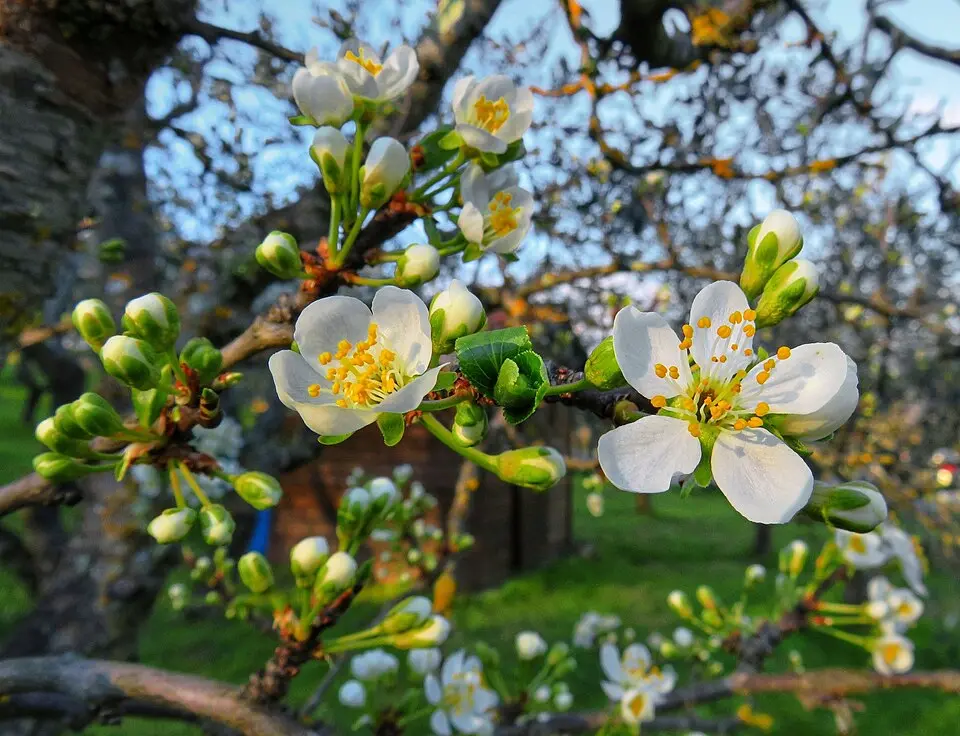
Prunus domestica, commonly known as the European plum or simply the plum tree, is a prominent deciduous species within the Rosaceae family. Its origins trace back to the ancient regions encompassing the Caucasus Mountains, extending through the Balkans and into Central Asia, where it has been cultivated for thousands of years due to its highly prized and versatile fruit. This moderately sized tree typically achieves heights of 6 to 10 meters, developing a broad, spreading canopy, although numerous dwarf cultivars exist for diverse horticultural applications. The bark presents a dark grey hue, progressively developing deep fissures as the tree matures. Leaves are characteristically ovate to elliptical, featuring finely serrated margins, and range from 4 to 15 cm in length, displaying a vibrant green during the summer before transitioning to striking yellow or red tones in autumn.
Delicate white or pale pink flowers emerge in early spring, often preceding the leaves, appearing either solitarily or in small clusters. These blossoms are vital for fruit production, with many cultivars necessitating cross-pollination to ensure optimal fruit set. The plum fruit itself is a drupe, exhibiting remarkable diversity across cultivars in terms of size, shape, color (from deep purples and reds to yellows and greens), and flavor profile, which can range from intensely sweet to distinctly tart. A characteristic powdery 'bloom' often coats the skin. Nutritionally, plums are a rich source of dietary fiber, essential vitamins like C and K, and a broad spectrum of antioxidants.
The species demonstrates considerable adaptability, flourishing across a wide array of temperate climates, toler tolerating cold winters while requiring a specific chilling period for proper fruit bud development. It thrives best in well-drained soils and requires full sun exposure for maximal productivity. Beyond its extensive culinary applications, the durable wood has historically been utilized for crafting tool handles and various small woodworking projects, and the plant holds a significant, albeit varied, role in traditional medicinal practices across different cultures.
Trusted Scientific References
1. Authoritative external sources for Prunus domestica
1.1 Wikipedia — Prunus domestica
1.2 Kew POWO (Plants of the World Online)
1.3 PubMed — peer-reviewed research
1.4 NCBI Taxonomy Browser
1.5 GBIF — Global Biodiversity
1.1.Plum Tree — Distinguishing Points
- ✓Deciduous tree belonging — Deciduous tree belonging to the Rosaceae family.
- ✓Produces a diverse — Produces a diverse range of drupe fruits (plums).
- ✓Native to the — Native to the Caucasus region, widely cultivated globally.
- ✓Rich in dietary — Rich in dietary fiber, vitamins (C, K), and antioxidants.
- ✓Flowers are white — Flowers are white to pale pink, appearing in early spring.
- ✓Adaptable to various — Adaptable to various temperate climates, requiring chilling hours.
- ✓Fruit color varies — Fruit color varies from purple, red, yellow to green.
- ✓Known for its — Known for its natural laxative effects, particularly when dried.
- ✓Historically valued for — Historically valued for both culinary and traditional medicinal uses.
- ✓Numerous cultivars exist, — Numerous cultivars exist, selected for specific fruit traits.
1.2.Plum Tree — Concise Overview
- ✓Nutrient-rich fruit supporting overall health.
- ✓Excellent source of dietary fiber and antioxidants.
- ✓Renowned for its natural laxative properties, especially as prunes.
- ✓Contributes to bone, cardiovascular, and digestive well-being.
- ✓Cultivated globally for millennia in temperate climates.
- ✓Versatile in culinary uses, from fresh fruit to preserves.
2.Plum Tree — Scientific Identity
3.Plum Tree — Vital Statistics
4.Plum Tree — Physical Description
5.Plum Tree — Ecological Habitat
6.Plum Tree — Traditional Uses
7.Plum Tree — Chemical Profile
- ✓Phenolic Compounds — Includes anthocyanins (e.g., cyanidin-3-glucoside) responsible for fruit color and potent antioxidant activity, along with flavonoids (quercetin, kaempferol) and phenolic acids (chlorogenic acid, neochlorogenic acid) known for their antioxidant and anti-inflammatory effects.
- ✓Dietary Fiber — Both soluble and insoluble fibers are present, crucial for digestive health, cholesterol regulation, and blood sugar control.
- ✓Sugar Alcohols — Sorbitol is a key sugar alcohol in plums, contributing to their sweetness and acting as an osmotic laxative, especially in prunes.
- ✓Vitamins — Rich in Vitamin C (ascorbic acid) for immune support and antioxidant function, Vitamin K (phylloquinone) essential for blood clotting and bone metabolism, and Vitamin A precursors (beta-carotene) for vision and immune health.
- ✓Minerals — Significant sources of potassium, which is vital for blood pressure regulation and nerve function, as well as magnesium, phosphorus, and calcium, important for bone health and various metabolic processes.
- ✓Organic Acids — Malic acid and citric acid contribute to the fruit's tartness and overall flavor profile.
- ✓Carotenoids — Beta-carotene and cryptoxanthin are present, acting as antioxidants and precursors to Vitamin A.
- ✓Tannins — Found in the bark and leaves, these astringent compounds have traditional uses in wound healing and as antidiarrheals.
- ✓Triterpenoids — Compounds like ursolic acid and oleanolic acid are found in the fruit and leaves, exhibiting anti-inflammatory and hepatoprotective activities.
- ✓Cyanogenic Glycosides — Amygdalin is present in the seeds (pits) and bark, which can release hydrogen cyanide upon hydrolysis; however, it is negligible in the edible fruit flesh and not typically consumed.
8.Plum Tree — Scientific Evidence
- ✓Digestive Health — Plums, especially dried prunes, are renowned for their high fiber content and sorbitol, acting as a natural laxative to promote bowel regularity and alleviate constipation.
- ✓Antioxidant Protection — Rich in anthocyanins, chlorogenic acid, and other phenolic compounds, plums help neutralize free radicals, reducing oxidative stress and cellular damage.
- ✓Bone Health Support — Research suggests that prunes, in particular, may contribute to maintaining bone mineral density and reducing the risk of osteoporosis, possibly due to their vitamin K, boron, and phenolic content.
- ✓Cardiovascular Well-being — The fiber, potassium, and antioxidants in plums can help manage cholesterol levels and blood pressure, supporting overall heart health.
- ✓Blood Sugar Regulation — Despite their sweetness, plums have a relatively low glycemic index and their fiber content helps moderate blood sugar spikes after meals, beneficial for metabolic health.
- ✓Anti-inflammatory Properties — Certain compounds in Prunus domestica exhibit anti-inflammatory effects, potentially aiding in the management of chronic inflammatory conditions.
- ✓Vision Health — Plums contain vitamin A precursors and antioxidants that are beneficial for eye health, potentially protecting against age-related macular degeneration.
- ✓Immune System Boost — The significant vitamin C content in plums supports a robust immune system, enhancing the body's natural defenses against infections.
- ✓Weight Management — The high fiber content promotes satiety and reduces overall calorie intake, making plums a beneficial addition to weight management strategies.
- ✓Anemia Support — While not a primary iron source, the vitamin C in plums enhances the absorption of non-heme iron from other foods, which can be beneficial for individuals with iron deficiency anemia.
8.1.Plum Tree — Reported Uses
9.Plum Tree — Safety Considerations
9.1.Plum Tree — Caution Notes
- ✓Digestive Upset — Excessive consumption of plums or prunes, especially due to high fiber and sorbitol, can lead to bloating, gas, abdominal cramps, and diarrhea.
- ✓Allergic Reactions — Individuals sensitive to Rosaceae family members may experience oral allergy syndrome symptoms like itching or swelling of the mouth, lips, or throat.
- ✓Oxalate Content — While generally low, plums contain oxalates, which in very high amounts could contribute to kidney stone formation in susceptible individuals.
- ✓Drug Interactions — The vitamin K content, particularly in concentrated forms like prunes, could potentially interfere with anticoagulant medications (blood thinners).
- ✓Acidity — The organic acids in plums may contribute to heartburn or acid reflux in sensitive individuals and, with very frequent consumption, could impact dental enamel.
- ✓Pesticide Residues — Non-organic plums may carry pesticide residues; washing thoroughly or choosing organic options is advisable.
9.2.Plum Tree — Risk Assessment
- ✓General Consumption — Prunus domestica fruit is generally considered safe for consumption in typical dietary amounts for most healthy individuals.
- ✓Pregnancy and Lactation — Plums and prunes are safe during pregnancy and lactation when consumed as food; medicinal doses or extracts should be avoided without professional medical advice.
- ✓Children — Plums are safe for children in moderation, but excessive amounts of prunes can cause digestive upset.
- ✓Seed Toxicity — The seeds (pits) of plums contain cyanogenic glycosides (amygdalin) which can release hydrogen cyanide; therefore, plum pits should never be crushed or ingested.
- ✓Medical Conditions — Individuals with Irritable Bowel Syndrome (IBS) or other digestive sensitivities should consume plums and prunes in moderation due to their fiber and sorbitol content.
- ✓Diabetes Management — While plums have a relatively low glycemic index, individuals with diabetes should monitor their intake as part of their overall carbohydrate management plan.
- ✓Professional Consultation — Always consult a healthcare professional before using plum extracts or concentrated forms for medicinal purposes, especially if on medication or with underlying health conditions.
10.Plum Tree — Usage Guide
- ✓Fresh Consumption — Enjoy ripe plums directly as a nutritious snack, providing vitamins, fiber, and antioxidants.
- ✓Dried Fruit (Prunes) — Dried plums are a popular method of consumption, known for their concentrated nutrients and potent laxative effects.
- ✓Culinary Applications — Incorporate fresh or dried plums into various dishes, including desserts, tarts, jams, jellies, sauces, and even savory meat preparations.
- ✓Juices and Smoothies — Blend fresh plums into refreshing juices or smoothies to harness their nutritional benefits in liquid form.
- ✓Infusions and Decoctions (Traditional) — Historically, dried plum bark and leaves have been used to prepare infusions or decoctions in traditional medicine for various ailments, though this practice requires caution due to potential toxicity.
- ✓Syrups and Preserves — Cook plums down into sweet syrups or preserves, extending their shelf life and creating versatile condiments.
- ✓Fruit Leather — Dehydrate plum puree into fruit leather for a chewy, portable snack that retains many of the fruit's nutrients.
- ✓External Poultices (Traditional) — In some traditional practices, mashed plum fruit or leaf poultices were applied topically for minor skin irritations or wounds.
11.Plum Tree — Cultivation & Care
- ✓Site Selection — Choose a location with full sun exposure (at least 6-8 hours daily) and protection from strong winds.
- ✓Soil Requirements — Plums thrive in well-drained, fertile loamy soils with a pH between 6.0 and 7.0; avoid heavy, waterlogged conditions.
- ✓Planting — Plant bare-root trees in early spring or container-grown trees anytime during the growing season, ensuring proper spacing (5-7 meters apart for standard trees).
- ✓Watering — Provide consistent moisture, especially during dry periods and fruit development; young trees require regular watering to establish.
- ✓Fertilization — Apply a balanced fertilizer in early spring as new growth begins, adjusting based on soil test results and tree vigor.
- ✓Pruning — Prune annually in late winter or early spring to remove dead or diseased wood, maintain tree shape, and encourage fruit production.
- ✓Pest and Disease Management — Monitor for common issues like plum curculio, aphids, brown rot, and bacterial canker, employing integrated pest management strategies.
- ✓Chilling Requirement — Ensure the chosen cultivar meets the chilling hour requirements for your climate to promote proper bud break and fruit set.
Reviewed by the Flora Medical Global Botanical Review Panel
Multi-disciplinary editorial group · Botany · Ethnobotany · Herbal-medicine literature
Who reviewed this: This page was checked by the Flora Medical Global Botanical Review Panel — an in-house editorial group of botany graduates, ethnobotany researchers, and horticulture practitioners who collectively maintain our 7,000+ plant encyclopedia. Meet the team.
Our 4-step verification process
1. Taxonomic verification
Scientific names and synonyms cross-checked against Kew POWO, World Flora Online, and The Plant List.
2. Phytochemical & medicinal cross-reference
Active compounds, traditional uses, and reported activities are cross-referenced with PubMed, USDA Dr. Duke's database, and peer-reviewed ethnobotanical literature.
3. Conservation & distribution check
Distribution, ecology, and conservation status confirmed against GBIF occurrence records and the IUCN Red List.
4. Editorial & safety review
Every entry passes an editorial pass for clarity, originality, and safety notices (toxicity, contraindications, dosage caveats) before publication.
Last reviewed:
Important medical disclaimer: This content is for educational and research purposes only. It is not medical advice and is not a substitute for consultation with a licensed healthcare provider. Do not use any herb to self-treat a medical condition without professional guidance.
Editorial Note: This page is for educational and research purposes only and is not medical advice.
Written by: Flora Medical Global Editorial Team
Reviewed by: Flora Medical Global Botanical Review Panel
Last Updated: June 15, 2026





Plum Tree — Comments & Community Reviews
Rate this plant