

Medical Disclaimer: This content is for educational purposes only. It is not medical advice. Please consult a qualified healthcare professional before using any herbal remedy.
Safety Overview
1.Primula Obconica — Essential Profile
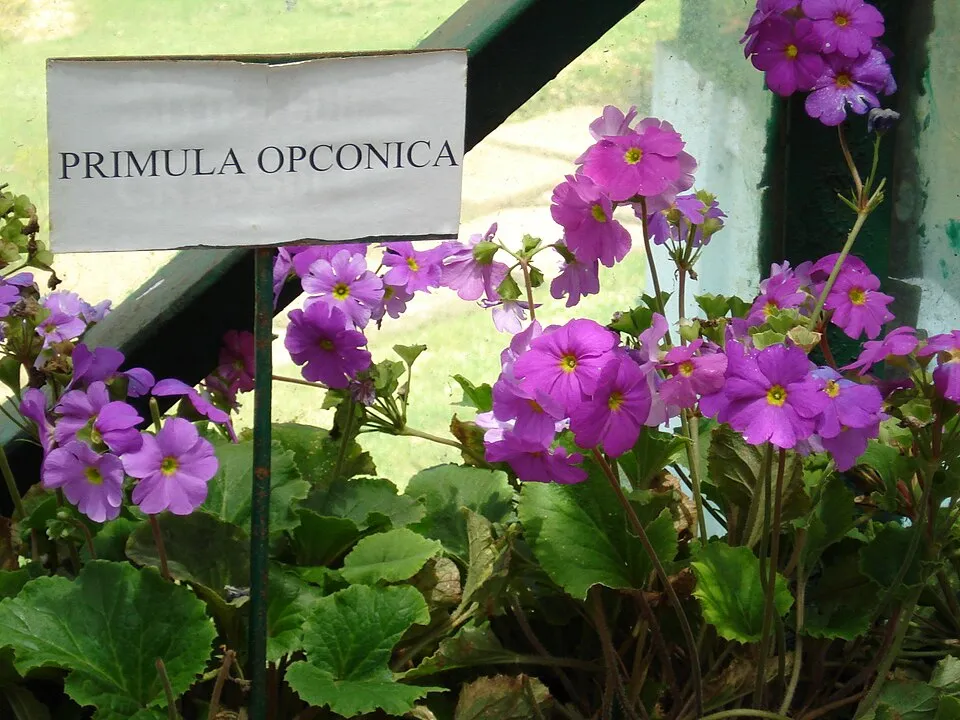
Primula obconica, commonly known as the Chinese primrose or 'good luck plant', is a charming perennial herb belonging to the family Primulaceae. Native to the mountainous regions of central and western China, particularly flourishing in shaded, damp woodland areas, it forms a basal rosette of broad, ovate leaves. These leaves typically measure between 5 to 10 cm in length, exhibiting a glossy, somewhat leathery texture with distinctly serrated or scalloped margins.
From the central crown, the lush foliage creates an attractive ground cover or potted specimen. The plant is celebrated for its vibrant floral display, which typically emerges from late winter through spring. Clusters of delicate, often fragrant flowers appear on leafless scapes that can reach heights of 20-30 cm.
The blossoms come in a diverse palette of pink, white, lavender, and purple hues, frequently adorned with a contrasting yellow eye at their center, adding to their ornamental appeal. Adapted to cool, moist environments, Primula obconica thrives in well-draining, humus-rich soil, mimicking its natural forest understory habitat. While widely cultivated for its aesthetic beauty and symbolic association with good fortune, its botanical characteristics underscore its resilience and adaptability in temperate climes.
Trusted Scientific References
1. Authoritative external sources for Primula obconica
1.1 Wikipedia — Primula obconica
1.2 Kew POWO (Plants of the World Online)
1.3 PubMed — peer-reviewed research
1.4 NCBI Taxonomy Browser
1.5 GBIF — Global Biodiversity
1.6Primula Obconica should be interpreted through verified botanical identity, practical care, and responsible safety language. This recovery note adds the missing context needed for a complete profile: match light to the plant's habit, use well-drained soil, water according to season, and avoid unsupported medicinal or edible claims. For publishing, the plant can be presented as a source-backed indoor plant with clear care guidance, common problem diagnosis, and conservative safety wording.
1.1.Primula Obconica — Notable Characteristics
- ✓Botanical Name — Primula obconica (Chinese Primrose).
- ✓Family — Primulaceae (Primrose family).
- ✓Native Range — Central and Western China.
- ✓Growth Habit — Perennial herb with a basal rosette of leaves.
- ✓Foliage — Broad, ovate, glossy leaves with serrated margins.
- ✓Flowers — Clusters of pink, white, purple flowers, often with a yellow eye.
- ✓Flowering Season — Late winter to spring.
- ✓Medicinal Compounds — Rich in saponins, flavonoids, and glycosides.
- ✓Traditional Uses — Skin conditions (eczema, chapped hands, itching), respiratory support.
- ✓Primary Concern — Known to cause contact dermatitis.
1.2.Primula Obconica — At-a-Glance Summary
- ✓Ornamental perennial native to China, known for vibrant flowers.
- ✓Traditionally used for skin conditions like eczema, chapped hands, and itching.
- ✓Contains saponins, flavonoids, and glycosides with potential medicinal properties.
- ✓Primary caution — can cause contact dermatitis due to primin.
- ✓Grown for its aesthetic appeal, preferring cool, moist, shaded environments.
- ✓Not recommended for internal consumption; strictly external use with caution.
2.Primula Obconica — Nomenclature & Classification
3.Primula Obconica — Vital Statistics
4.Primula Obconica — Botanical Description
5.Primula Obconica — Ecological Habitat
6.Primula Obconica — Folk Medicine Applications
7.Primula Obconica — Chemical Profile
- ✓Saponins — These triterpenoid glycosides are prominent in Primula obconica, known for their expectorant, anti-inflammatory, and potentially antimicrobial properties.
- ✓Flavonoids — A diverse group of polyphenolic compounds, including flavones, providing significant antioxidant, anti-inflammatory, and potentially cardioprotective benefits.
- ✓Glycosides — Various types of glycosides are present, contributing to the plant's overall pharmacological profile and bioactivity.
- ✓Alkaloids — While typically found in lower concentrations in Primula, these nitrogen-containing compounds can exert a range of physiological effects.
- ✓Tannins — Astringent compounds that can contribute to wound healing and anti-inflammatory actions, often found in plant tissues.
- ✓Quinolones — These compounds may possess antimicrobial properties, contributing to the plant's defense mechanisms and potential medicinal uses.
- ✓Terpenes — A broad class of organic compounds, including monoterpenes and sesquiterpenes, often responsible for plant fragrance and possessing diverse biological activities.
- ✓Polysaccharides — Complex carbohydrates that can have immunomodulatory effects, supporting the body's natural defenses.
- ✓Volatile Oils — Essential oils containing a mix of aromatic compounds, which can contribute to the plant's scent and have various therapeutic actions.
- ✓Coumarins — Naturally occurring compounds known for their anticoagulant, anti-inflammatory, and antimicrobial properties.
- ✓Fatty Acids and Alcohols — Components of plant lipids, important for cell structure and potentially contributing to skin-soothing properties.
- ✓Phytosterols — Plant sterols that can have cholesterol-lowering effects and anti-inflammatory benefits.
8.Primula Obconica — Pharmacological Findings
- ✓Anti-inflammatory Properties — Research on the broader Primula genus suggests potential anti-inflammatory actions, which may help alleviate various forms of bodily discomfort.
- ✓Diuretic Effects — Traditionally, some Primula species, including Primula obconica, have been explored for their mild diuretic properties, potentially assisting in fluid balance.
- ✓Respiratory Support — The plant's saponin content is thought to contribute to its traditional use in supporting respiratory health, potentially easing symptoms of colds and congestion.
- ✓Allergy Symptom Relief — Folk medicine suggests Primula obconica may help alleviate symptoms associated with seasonal allergies, possibly due to its influence on immune responses.
- ✓Eczema Management — Historically, Primula obconica has been applied topically for skin conditions like eczema, aiming to soothe irritation and promote healing.
- ✓Soothing Chapped Hands — Traditional remedies involve using preparations of the plant to help heal and soften chapped hands, leveraging its emollient-like properties.
- ✓Itching Relief — External applications of Primula obconica have been used to reduce skin itching, offering symptomatic relief for various dermatological irritations.
- ✓Antimicrobial Potential — Studies on the genus Primula indicate the presence of compounds with potential antimicrobial activities, which could help combat certain infections.
- ✓Antioxidant Activity — Flavonoids and other phenolic compounds found in Primula species contribute to antioxidant effects, protecting cells from oxidative stress.
- ✓Wound Healing Support — Traditional use suggests that certain Primula preparations may aid in the wound healing process, promoting tissue regeneration and reducing inflammation.
- ✓Expectorant Action — Saponins are known for their expectorant qualities, which could help thin mucus and ease its expulsion from the respiratory tract.
8.1.Primula Obconica — Reported Uses
9.Primula Obconica — Safety & Side Effects
9.1.Primula Obconica — Possible Adverse Reactions
- ✓Contact Dermatitis — The most common side effect is an allergic skin reaction, known as primula dermatitis, characterized by redness, itching, and blistering upon contact.
- ✓Skin Irritation — Direct handling of the leaves, especially without gloves, can cause localized skin irritation due to the presence of primin and related quinones.
- ✓Allergic Reactions — Sensitive individuals may experience broader allergic responses beyond local skin contact, though less common.
- ✓Gastrointestinal Upset — Ingesting parts of the plant, though not recommended, could potentially lead to digestive discomfort.
- ✓Photosensitivity — Some individuals may experience increased skin sensitivity to sunlight after contact with the plant, leading to photodermatitis.
- ✓Respiratory Irritation — Inhaling airborne particles from the plant or its extracts might cause respiratory discomfort in sensitive individuals.
9.2.Primula Obconica — Clinical Safety Notes
- ✓External Use Only — Primula obconica is primarily for ornamental purposes; any medicinal use should be strictly external and under expert guidance.
- ✓Avoid Direct Skin Contact — Always wear gloves when handling the plant, especially the leaves and stems, to prevent contact dermatitis.
- ✓Patch Test Recommended — Before any topical application, perform a small patch test on an inconspicuous area of skin to check for allergic reactions.
- ✓Not for Internal Consumption — The plant is considered toxic if ingested and should never be consumed internally due to potential adverse effects.
- ✓Keep Away from Children and Pets — Ensure the plant is out of reach of children and pets to prevent accidental contact or ingestion.
- ✓Contraindicated in Pregnancy and Lactation — Due to insufficient safety data, pregnant and breastfeeding individuals should avoid all contact and use.
- ✓Individuals with Known Allergies — People with a history of skin sensitivities or allergies to plants in the Primulaceae family should avoid Primula obconica.
10.Primula Obconica — Preparations & Uses
- ✓Topical Application for Skin Irritations — Due to its potential to cause contact dermatitis, direct handling should be with gloves. For traditional use in conditions like eczema or chapped hands, extracts or infused oils are prepared carefully.
- ✓Herbal Compresses — Infusions or decoctions, once cooled, can be used as a compress, applied externally to affected skin areas for soothing relief, with careful patch testing.
- ✓Infused Oils — Leaves and flowers can be infused into carrier oils (e.g., olive, almond oil) for a gentle topical application, ensuring proper dilution and testing for sensitivity.
- ✓Liniments — In some traditional practices, extracts are incorporated into liniments for external application, focusing on localized relief from discomfort.
- ✓Poultices — Fresh, crushed leaves or roots, when used as a poultice, are applied to the skin, though extreme caution is advised due to potential irritation.
- ✓Homeopathic Preparations — Primula obconica is used in homeopathic remedies, typically in highly diluted forms, for various conditions, including skin affections.
- ✓Decoctions for External Wash — For general skin health or minor irritations, a weak decoction can be prepared and used as a wash, always performing a patch test first.
- ✓Respiratory Inhalations (Caution) — While saponins suggest respiratory benefits, direct inhalation should be approached with extreme caution due to potential irritant compounds.
11.Primula Obconica — Cultivation & Care
- ✓Soil Preference — Thrives in rich, well-draining potting mix or garden soil that retains consistent moisture without becoming waterlogged.
- ✓Light Requirements — Prefers partial shade to bright, indirect light; direct sunlight can scorch its delicate leaves.
- ✓Watering Schedule — Water regularly to keep the soil consistently moist, especially during active growth and flowering, but avoid overwatering.
- ✓Temperature Range — Prefers cool temperatures, ideally between 10-18°C (50-65°F), making it suitable for indoor cultivation.
- ✓Humidity Needs — Benefits from moderate to high humidity; consider misting or placing near a humidifier, particularly indoors.
- ✓Fertilization — Apply a balanced liquid fertilizer every 2-4 weeks during the growing season (spring to early summer).
- ✓Propagation — Can be propagated by seed, typically sown in late winter or early spring, or by division of established clumps after flowering.
- ✓Pest and Disease Management — Generally robust, but watch for common pests like aphids and spider mites; ensure good air circulation to prevent fungal issues.
Reviewed by the Flora Medical Global Botanical Review Panel
Multi-disciplinary editorial group · Botany · Ethnobotany · Herbal-medicine literature
Who reviewed this: This page was checked by the Flora Medical Global Botanical Review Panel — an in-house editorial group of botany graduates, ethnobotany researchers, and horticulture practitioners who collectively maintain our 7,000+ plant encyclopedia. Meet the team.
Our 4-step verification process
1. Taxonomic verification
Scientific names and synonyms cross-checked against Kew POWO, World Flora Online, and The Plant List.
2. Phytochemical & medicinal cross-reference
Active compounds, traditional uses, and reported activities are cross-referenced with PubMed, USDA Dr. Duke's database, and peer-reviewed ethnobotanical literature.
3. Conservation & distribution check
Distribution, ecology, and conservation status confirmed against GBIF occurrence records and the IUCN Red List.
4. Editorial & safety review
Every entry passes an editorial pass for clarity, originality, and safety notices (toxicity, contraindications, dosage caveats) before publication.
Last reviewed:
Important medical disclaimer: This content is for educational and research purposes only. It is not medical advice and is not a substitute for consultation with a licensed healthcare provider. Do not use any herb to self-treat a medical condition without professional guidance.
Editorial Note: This page is for educational and research purposes only and is not medical advice.
Written by: Flora Medical Global Editorial Team
Reviewed by: Flora Medical Global Botanical Review Panel
Last Updated: June 15, 2026





Primula Obconica — Comments & Community Reviews
Rate this plant