
Medical Disclaimer: This content is for educational purposes only. It is not medical advice. Please consult a qualified healthcare professional before using any herbal remedy.
Safety Overview
1.Primulina — At a Glance
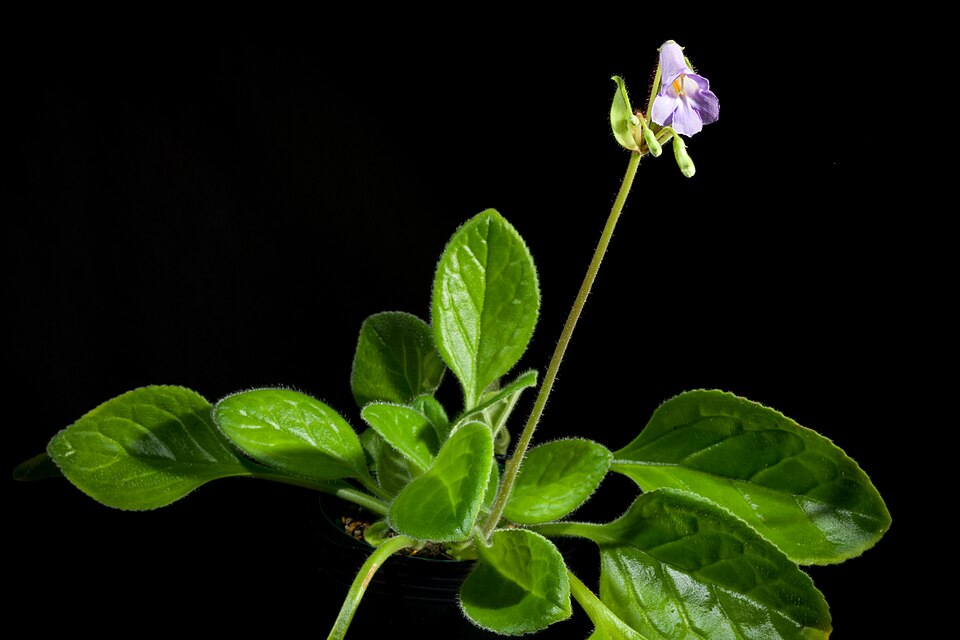
Primulina tabacum, commonly known as the tobacco primrose, is a captivating perennial herbaceous plant belonging to the Gesneriaceae family. This species is indigenous to the humid, subtropical, and tropical forest regions of China, where it thrives in the understory. Its preferred habitat includes shaded and consistently moist environments, typically found nestled on forest floors, allowing it to absorb dappled or filtered sunlight. Morphologically, Primulina tabacum presents a distinctive basal rosette of leaves.
These leaves are characteristically oval to oblong, possessing a smooth, almost velvety surface and a rich, dark green coloration. Individual leaves can grow substantially, ranging from 10 to 25 centimeters in length and approximately 5 to 10 centimeters in width. From the center of this attractive foliage, slender peduncles emerge, often reaching heights of 10 to 30 centimeters. Each peduncle gracefully bears several tubular flowers, which typically measure between 2 and 5 centimeters long.
The blossoms display a delicate palette, predominantly in shades of bright or pale yellow. These charming flowers are known to open primarily in the afternoon, relying on various insects, particularly bees, for pollination. Beyond its aesthetic appeal as an ornamental plant, the foliage of P. tabacum is also recognized for its potential to contribute to indoor air quality by purifying the surrounding environment.
Trusted Scientific References
1. Authoritative external sources for Primulina tabacum
1.1 Wikipedia — Primulina tabacum
1.2 Kew POWO (Plants of the World Online)
1.3 PubMed — peer-reviewed research
1.4 NCBI Taxonomy Browser
1.5 GBIF — Global Biodiversity
1.6Primulina should be interpreted through verified botanical identity, practical care, and responsible safety language. This recovery note adds the missing context needed for a complete profile: match light to the plant's habit, use well-drained soil, water according to season, and avoid unsupported medicinal or edible claims. For publishing, the plant can be presented as a source-backed indoor plant with clear care guidance, common problem diagnosis, and conservative safety wording.
1.1.Primulina — Notable Characteristics
- ✓Scientific Name — Primulina tabacum Hance
- ✓Common Name — Tobacco Primrose
- ✓Family — Gesneriaceae
- ✓Native Region — Subtropical and tropical forests of China
- ✓Traditional Uses — Anti-inflammatory, analgesic, respiratory aid (TCM)
- ✓Key Phytochemicals — Flavonoids, Alkaloids, Linalool
- ✓Habitat Preference — Shaded, moist forest floors
- ✓Ornamental Value — Prized for attractive dark green foliage and yellow tubular flowers
- ✓Growth Habit — Perennial herbaceous plant forming a basal rosette
- ✓Known Pests — Aphids, spider mites, and Meloidogyne enterolobii (root-knot nematode)
1.2.Primulina — At-a-Glance Summary
- ✓Ornamental and medicinal plant native to subtropical and tropical China.
- ✓Traditionally used in TCM for its anti-inflammatory, analgesic, and respiratory benefits.
- ✓Rich in beneficial phytochemicals including flavonoids, alkaloids, and terpenoids like linalool.
- ✓Requires specific growing conditions — high humidity, consistently moist soil, and filtered light.
- ✓Further scientific investigation is needed to fully validate its traditional medicinal claims.
- ✓Susceptible to common pests, notably root-knot nematodes, which can impact plant health.
2.Primulina — Botanical Identity
3.Primulina — Fact Sheet
4.Primulina — Botanical Description
5.Primulina — Ecological Habitat
6.Primulina — Traditional Uses
7.Primulina — Chemical Profile
- ✓Flavonoids — Key compounds like quercetin and kaempferol derivatives are present, acting as potent antioxidants and contributing significantly to the plant's anti-inflammatory and cardioprotective effects.
- ✓Alkaloids — Various nitrogen-containing compounds, which are often responsible for the plant's more potent pharmacological actions, including its traditional analgesic and potential antimicrobial properties.
- ✓Terpenoids — This category includes monoterpenes such as linalool, which imparts a characteristic aroma and is known for its anxiolytic, anti-inflammatory, and antimicrobial activities.
- ✓Phenolic Acids — Compounds like caffeic acid and chlorogenic acid are found, contributing to the overall antioxidant capacity and offering additional anti-inflammatory benefits.
- ✓Saponins — These glycosides may be present, potentially offering expectorant properties, supporting immune function, and contributing to anti-inflammatory effects.
- ✓Polysaccharides — Complex carbohydrates that can have immunomodulatory effects, supporting cellular communication and overall immune system balance.
- ✓Glycosides — A broad class of compounds where active molecules are bound to sugar units, which can enhance their solubility, stability, and bioavailability within the body.
- ✓Essential Oils — Volatile compounds, including linalool, that contribute to the plant's subtle fragrance and may possess mild antimicrobial or calming effects.
- ✓Phytosterols — Plant-derived sterols, such as beta-sitosterol, which are known for their potential anti-inflammatory properties and role in maintaining cellular health.
8.Primulina — Pharmacological Findings
- ✓Anti-inflammatory Support — Primulina tabacum is traditionally valued for its ability to reduce inflammation, likely due to the presence of flavonoids and other bioactive compounds that modulate inflammatory pathways.
- ✓Analgesic Properties — In Traditional Chinese Medicine (TCM), the plant is used to alleviate pain, suggesting natural analgesic effects that may involve nerve pathway modulation.
- ✓Respiratory Health Aid — Historically employed in TCM for various respiratory conditions, it may act as an expectorant, bronchodilator, or soothing agent for the airways.
- ✓Antimicrobial Action — Constituents such as certain alkaloids and terpenes within the plant are thought to possess properties that inhibit the growth of various microbes.
- ✓Antioxidant Activity — The rich flavonoid content in Primulina tabacum contributes to its potent antioxidant capacity, helping to neutralize free radicals and protect cells from oxidative stress.
- ✓Immunomodulatory Effects — Some plant compounds may influence the immune system, potentially enhancing or balancing immune responses to support overall health.
- ✓Detoxification Support — Traditional uses hint at the plant's potential to support the body's natural detoxification processes, possibly by aiding liver or kidney function.
- ✓Wound Healing Potential — Though not widely studied, traditional topical applications suggest properties that could promote tissue repair and skin regeneration.
- ✓Digestive Comfort — In some traditional practices, Primulina tabacum has been used to address minor gastrointestinal discomforts, indicating potential soothing effects on the digestive tract.
- ✓Cardiovascular Health — Flavonoids, abundant in the tobacco primrose, are frequently associated with supporting cardiovascular system health and maintaining vascular integrity.
8.1.Primulina — Indications & Uses
9.Primulina — Safety & Side Effects
9.1.Primulina — Caution Notes
- ✓Gastrointestinal Upset — Some individuals may experience mild stomach discomfort, nausea, or diarrhea, particularly with higher doses.
- ✓Allergic Reactions — Potential for skin rashes, itching, or respiratory symptoms in those sensitive to plants in the Gesneriaceae family.
- ✓Drowsiness — Certain plant constituents, especially alkaloids, might induce mild sedative effects, impacting alertness.
- ✓Hypotension Risk — In theory, high doses could potentially lower blood pressure, which should be considered by individuals with hypotension.
- ✓Drug Interactions — May interact with certain prescription medications, including anticoagulants, antihypertensives, or central nervous system depressants.
- ✓Liver/Kidney Stress — Prolonged or excessive use of any herb containing potent alkaloids warrants caution regarding potential strain on liver and kidney function.
9.2.Primulina — Safety Overview
- ✓Pregnancy & Lactation — Avoid use during pregnancy and breastfeeding due to insufficient research regarding its safety for these populations.
- ✓Children — Not recommended for use in infants or young children without explicit guidance from a qualified healthcare professional.
- ✓Pre-existing Conditions — Individuals with chronic health conditions, particularly liver or kidney impairments, should consult a doctor before use.
- ✓Medication Interactions — Exercise caution if taking prescription medications; consult a healthcare provider to avoid potential adverse interactions.
- ✓Dosage Adherence — Strictly follow recommended dosages; exceeding guidelines may increase the risk of side effects or toxicity.
- ✓Allergic History — Individuals with known allergies to other plants in the Gesneriaceae family should exercise caution or avoid Primulina tabacum.
- ✓Botanical Identification — Ensure accurate identification of the plant, as misidentification can lead to consumption of toxic or ineffective species.
10.Primulina — Preparations & Uses
- ✓Herbal Tea/Infusion — Prepare by steeping dried leaves or flowers in hot water for 5-10 minutes, traditionally consumed for respiratory support or general wellness.
- ✓Decoction — For more robust extraction of compounds from tougher plant parts, simmer the plant material in water for a longer period, then strain and consume.
- ✓Tincture — Create a concentrated liquid extract by macerating fresh or dried plant material in alcohol, allowing for precise and potent dosing.
- ✓Poultice — Freshly crushed leaves can be applied directly to the skin as a poultice to soothe localized discomfort or minor skin irritations.
- ✓Herbal Compress — Soak a clean cloth in a strong infusion or decoction, then apply as a warm or cool compress to affected areas for relief.
- ✓Inhalation — Inhale the steam from a hot infusion to help clear respiratory passages, particularly beneficial for coughs or congestion.
- ✓Topical Ointment/Salve — Incorporate plant extracts into a carrier oil and beeswax to create a topical ointment for external application on inflamed or sore areas.
11.Primulina — Cultivation & Care
- ✓Light — Requires bright, indirect light or filtered sunlight to thrive; direct exposure to intense sun can cause leaf scorch.
- ✓Soil — Prefers a well-draining yet moisture-retentive potting mix, ideally composed of equal parts peat, perlite, and bark.
- ✓Watering — Maintain consistently moist soil, ensuring it never dries out completely, but avoid waterlogging to prevent root rot.
- ✓Humidity — Demands high humidity, ideally above 60%; consider using a humidifier, pebble tray, or grouping with other plants.
- ✓Temperature — Thrives in stable warm conditions, typically between 18-25°C (65-77°F), and should be protected from cold drafts.
- ✓Fertilization — Fertilize sparingly during the active growing season (spring and summer) with a balanced liquid fertilizer diluted to half strength.
- ✓Propagation — Easily propagated from leaf cuttings, which can be rooted in moist soil or water, or from seeds.
- ✓Pest Management — Regularly inspect for common pests like aphids, spider mites, and root-knot nematodes (Meloidogyne enterolobii), treating infestations promptly with appropriate organic solutions.
Reviewed by the Flora Medical Global Botanical Review Panel
Multi-disciplinary editorial group · Botany · Ethnobotany · Herbal-medicine literature
Who reviewed this: This page was checked by the Flora Medical Global Botanical Review Panel — an in-house editorial group of botany graduates, ethnobotany researchers, and horticulture practitioners who collectively maintain our 7,000+ plant encyclopedia. Meet the team.
Our 4-step verification process
1. Taxonomic verification
Scientific names and synonyms cross-checked against Kew POWO, World Flora Online, and The Plant List.
2. Phytochemical & medicinal cross-reference
Active compounds, traditional uses, and reported activities are cross-referenced with PubMed, USDA Dr. Duke's database, and peer-reviewed ethnobotanical literature.
3. Conservation & distribution check
Distribution, ecology, and conservation status confirmed against GBIF occurrence records and the IUCN Red List.
4. Editorial & safety review
Every entry passes an editorial pass for clarity, originality, and safety notices (toxicity, contraindications, dosage caveats) before publication.
Last reviewed:
Important medical disclaimer: This content is for educational and research purposes only. It is not medical advice and is not a substitute for consultation with a licensed healthcare provider. Do not use any herb to self-treat a medical condition without professional guidance.
Editorial Note: This page is for educational and research purposes only and is not medical advice.
Written by: Flora Medical Global Editorial Team
Reviewed by: Flora Medical Global Botanical Review Panel
Last Updated: June 15, 2026





Primulina — Comments & Community Reviews
Rate this plant