

Medical Disclaimer: This content is for educational purposes only. It is not medical advice. Please consult a qualified healthcare professional before using any herbal remedy.
Safety Overview
1.Priyal — Essential Profile
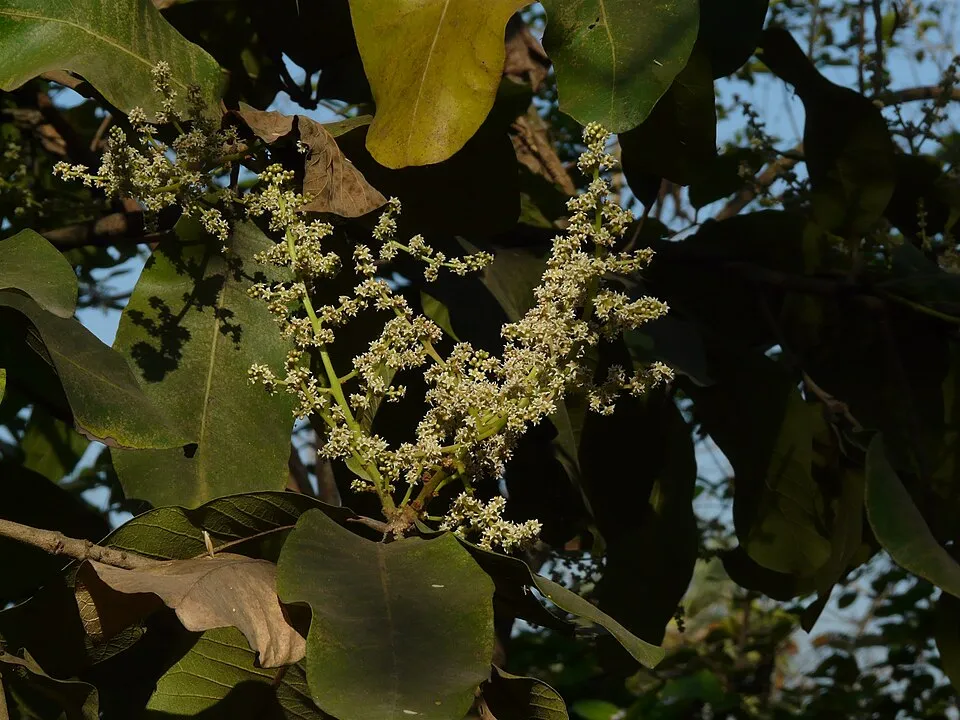
Buchanania lanzan, commonly known as Priyal or Chironji, is a medium-sized deciduous tree indigenous to the dry tropical and subtropical forests of the Indian subcontinent, particularly flourishing in regions like Madhya Pradesh, Rajasthan, Uttar Pradesh, and parts of the Western Ghats. It typically attains a height of 8 to 15 meters, occasionally exceeding this, and is characterized by its rough, grayish-brown bark that often flakes in small patches, giving it a distinctive textured appearance. The leaves are alternate, elliptical to oblong, measuring between 10 to 20 cm in length, featuring a leathery texture, glossy green surface, and prominent venation.
Small, delicate white to yellowish flowers emerge in axillary clusters during late spring to early summer, preceding the development of its notable fruit. The fruit is a small, hard, oval drupe, approximately 1-1.5 cm in diameter, which ripens to a dark brown or black hue, encasing one or two highly prized, edible, almond-like seeds known as Chironji. Taxonomically, Priyal belongs to the Anacardiaceae family, sharing kinship with other economically significant species such as mango, cashew, and pistachio.
This resilient tree thrives in well-drained, sandy loam soils and requires full sunlight, often found along forest margins and riverbanks where it benefits from dappled light and adequate moisture.
Trusted Scientific References
1. Authoritative external sources for Buchanania lanzan
1.1 Wikipedia — Buchanania lanzan
1.2 Kew POWO (Plants of the World Online)
1.3 PubMed — peer-reviewed research
1.4 NCBI Taxonomy Browser
1.5 GBIF — Global Biodiversity
1.6Priyal should be interpreted through verified botanical identity, practical care, and responsible safety language. This recovery note adds the missing context needed for a complete profile: match light to the plant's habit, use well-drained soil, water according to season, and avoid unsupported medicinal or edible claims. For publishing, the plant can be presented as a source-backed medicinal plant with clear care guidance, common problem diagnosis, and conservative safety wording.
1.1.Priyal — Highlights
- ✓Native to the — Native to the Indian subcontinent, thriving in dry deciduous forests.
- ✓Edible and highly — Edible and highly nutritious seeds known as Chironji or Cuddapah Almond.
- ✓Valued in Ayurveda, — Valued in Ayurveda, Unani, and Siddha for its broad therapeutic applications.
- ✓Possesses a 'Madhura' — Possesses a 'Madhura' (sweet) taste and 'Shita' (cold) potency according to Ayurveda.
- ✓Effective in balancing — Effective in balancing Pitta dosha, particularly for inflammatory conditions.
- ✓Rich source of — Rich source of essential fatty acids, vitamins, and minerals.
- ✓Bark, leaves, and — Bark, leaves, and seeds are all utilized for medicinal purposes.
- ✓Supports skin health, — Supports skin health, digestive function, and urinary tract health.
- ✓Known for its — Known for its nervine tonic and rejuvenative (Rasayana) properties.
- ✓Distinctive rough, grayish — brown, flaking bark.
1.2.Priyal — In Brief
- ✓Buchanania lanzan, or Priyal, is a versatile Ayurvedic tree native to India.
- ✓Known for its cooling, nutritive, and Pitta-pacifying properties.
- ✓Seeds (Chironji) are edible and rich in nutrients, used in cuisine and medicine.
- ✓Traditionally used for digestive, urinary, skin, and reproductive health.
- ✓Contains flavonoids, tannins, fatty acids, and essential minerals.
- ✓Use with caution during pregnancy and lactation; consult a healthcare professional.
2.Priyal — Scientific Identity
3.Priyal — Key Data
4.Priyal — Physical Description
5.Priyal — Native Range & Habitat
6.Priyal — Heritage Uses
7.Priyal — Phytochemistry
- ✓Flavonoids — These potent antioxidants contribute to Priyal's anti-inflammatory and protective cellular effects, safeguarding against oxidative damage.
- ✓Saponins — Known for their foam-forming properties, saponins may possess immune-modulating and cholesterol-lowering activities, contributing to overall health.
- ✓Tannins — Imparting astringent qualities, tannins are responsible for Priyal's efficacy in addressing digestive issues like diarrhea and for wound healing through their protein-binding action.
- ✓Alkaloids — While present in smaller quantities, alkaloids can exhibit diverse pharmacological activities, including potential analgesic and anti-inflammatory effects.
- ✓Vitamins (B-complex, C) — Essential for numerous metabolic processes, these vitamins bolster immune function, energy production, and antioxidant defense within the body.
- ✓Minerals (Iron, Calcium, Magnesium) — Vital for bone health, nerve function, muscle contraction, and oxygen transport, these minerals contribute to Priyal's nutritive value.
- ✓Essential Oils — Found in the seeds and leaves, these volatile compounds contribute to the plant's aromatic profile and may possess antimicrobial and anti-inflammatory properties.
- ✓Fatty Acids (e.g., Linoleic Acid) — Abundant in Chironji seeds, these healthy fats are crucial for skin integrity, hormone production, and overall cardiovascular health.
- ✓Phytosterols — Plant sterols that can help reduce cholesterol absorption and have anti-inflammatory properties.
- ✓Glycosides — Compounds that release sugar molecules upon hydrolysis, often associated with various therapeutic effects including cardiotonic or anti-inflammatory actions.
8.Priyal — Pharmacological Findings
- ✓Pitta Pacification — Priyal's inherent cooling properties effectively balance excessive Pitta dosha, making it beneficial for conditions characterized by heat, inflammation, and burning sensations.
- ✓Digestive Aid — The bark and seeds possess mild astringent qualities, supporting digestive health by firming bowel movements and managing conditions like diarrhea and dysentery.
- ✓Urinary Health Support — Its demulcent and cooling actions help alleviate burning micturition and discomfort associated with urinary tract issues by reducing inflammation.
- ✓Nervine Tonic — Priyal is recognized in traditional medicine for its calming effects on the nervous system, aiding in the reduction of stress and anxiety.
- ✓Nutritive and Rejuvenating Tonic — Chironji seeds are a rich source of essential nutrients, acting as a general tonic to enhance vitality, strength, and overall well-being.
- ✓Skin Health Enhancement — A paste made from Priyal seeds is traditionally applied topically to moisturize skin, reduce acne, soothe rashes, and promote wound healing due to its anti-inflammatory and nourishing compounds.
- ✓Respiratory Symptom Relief — The herb exhibits expectorant properties, assisting in the clearance of mucus and providing relief from coughs, colds, and respiratory congestion.
- ✓Reproductive System Support — Priyal functions as a Rasayana (rejuvenative) for reproductive health, potentially improving sperm quality and regulating menstrual cycles, especially in Pitta-related imbalances.
- ✓Anti-inflammatory Action — The presence of various phytochemicals contributes to Priyal's ability to reduce systemic inflammation, benefiting a range of inflammatory conditions.
- ✓Antioxidant Properties — Rich in antioxidants, Priyal helps combat oxidative stress, protecting cells from damage and supporting overall cellular health.
8.1.Priyal — Health Applications
9.Priyal — Safety & Side Effects
9.1.Priyal — Possible Adverse Reactions
- ✓Allergic Reactions — Some individuals may experience allergic reactions, such as skin rashes or digestive upset, especially with topical application or ingestion.
- ✓Digestive Discomfort — Due to its 'Guru' (heavy) quality, excessive consumption may lead to digestive discomfort or heaviness in individuals with weak digestion.
- ✓Pregnancy and Lactation — Use during pregnancy and lactation should be approached with caution and strictly under the guidance of a qualified healthcare professional.
- ✓Blood Sugar Levels — While not conclusively proven, individuals with diabetes should monitor blood sugar levels, as some plant compounds can influence glucose metabolism.
- ✓Drug Interactions — Potential interactions with certain medications, particularly those affecting blood clotting or blood sugar, cannot be ruled out; consult a physician.
- ✓Overuse Toxicity — As with any medicinal herb, prolonged or excessive use beyond recommended dosages may lead to unforeseen adverse effects.
9.2.Priyal — Clinical Safety Notes
- ✓Professional Consultation — Always consult a qualified Ayurvedic practitioner or healthcare provider before using Priyal, especially for therapeutic purposes.
- ✓Dosage Adherence — Strictly follow recommended dosages to avoid potential side effects and ensure safe consumption.
- ✓Patch Test — Before topical application, perform a patch test on a small skin area to check for any allergic reactions.
- ✓Pregnancy and Breastfeeding — Avoid use or use with extreme caution and medical supervision during pregnancy and lactation.
- ✓Children and Infants — Administer to children only under the guidance of a healthcare professional, with adjusted dosages.
- ✓Pre-existing Conditions — Individuals with chronic health conditions or those on medication should exercise caution and seek medical advice before use.
- ✓Quality Sourcing — Ensure the use of high-quality, unadulterated Priyal products from reputable sources to guarantee safety and efficacy.
10.Priyal — Usage Guide
- ✓Churna (Powder) — Dried Priyal bark or seed powder can be consumed orally, typically 3-5 grams, mixed with milk or water, once or twice daily for digestive or nutritive benefits.
- ✓Seed Paste (Lepa) — For external application, Chironji seeds are ground into a fine paste with milk or rose water, used to treat skin conditions like acne, rashes, or as a moisturizer.
- ✓Decoction (Kwath) — A decoction prepared from the bark or leaves, by boiling in water, is consumed in doses of 10-20 ml, once or twice daily, for indigestion, respiratory issues, or urinary discomfort.
- ✓Oil Extraction — The seeds can be pressed to extract Chironji oil, which is used topically for skin nourishment or in culinary applications.
- ✓Culinary Use — The edible Chironji seeds are widely used in Indian cuisine as a garnish, thickening agent, or ingredient in sweets and savory dishes, providing nutritional benefits.
- ✓Infusion — Leaves or bark can be steeped in hot water to create an herbal infusion, offering a milder form for general well-being or mild respiratory complaints.
- ✓Traditional Concoctions — Various parts of Priyal are combined with other herbs in complex Ayurvedic formulations to target specific health conditions, as prescribed by a practitioner.
11.Priyal — How to Grow
- ✓Climate — Thrives in tropical and subtropical climates with distinct dry and wet seasons, accustomed to high temperatures.
- ✓Soil Requirements — Prefers well-drained, sandy loam soils but can adapt to a range of soil types, provided they are not waterlogged.
- ✓Sunlight — Requires full sunlight exposure for optimal growth and fruit production, typically found in open forest areas.
- ✓Propagation — Primarily propagated through seeds, which require proper scarification or soaking to enhance germination rates.
- ✓Watering — Young plants need regular watering, but mature trees are drought-tolerant once established, owing to their native dry habitat.
- ✓Fertilization — Generally low maintenance, but organic matter or balanced fertilizers can be applied during early growth stages.
- ✓Pests and Diseases — Relatively resistant to most common pests and diseases, though monitoring for fungal infections in humid conditions is advisable.
- ✓Harvesting — Seeds are harvested from ripened fruits, typically collected after they fall from the tree or by shaking branches.
Reviewed by the Flora Medical Global Botanical Review Panel
Multi-disciplinary editorial group · Botany · Ethnobotany · Herbal-medicine literature
Who reviewed this: This page was checked by the Flora Medical Global Botanical Review Panel — an in-house editorial group of botany graduates, ethnobotany researchers, and horticulture practitioners who collectively maintain our 7,000+ plant encyclopedia. Meet the team.
Our 4-step verification process
1. Taxonomic verification
Scientific names and synonyms cross-checked against Kew POWO, World Flora Online, and The Plant List.
2. Phytochemical & medicinal cross-reference
Active compounds, traditional uses, and reported activities are cross-referenced with PubMed, USDA Dr. Duke's database, and peer-reviewed ethnobotanical literature.
3. Conservation & distribution check
Distribution, ecology, and conservation status confirmed against GBIF occurrence records and the IUCN Red List.
4. Editorial & safety review
Every entry passes an editorial pass for clarity, originality, and safety notices (toxicity, contraindications, dosage caveats) before publication.
Last reviewed:
Important medical disclaimer: This content is for educational and research purposes only. It is not medical advice and is not a substitute for consultation with a licensed healthcare provider. Do not use any herb to self-treat a medical condition without professional guidance.
Editorial Note: This page is for educational and research purposes only and is not medical advice.
Written by: Flora Medical Global Editorial Team
Reviewed by: Flora Medical Global Botanical Review Panel
Last Updated: June 15, 2026





Priyal — Comments & Community Reviews
Rate this plant