
Medical Disclaimer: This content is for educational purposes only. It is not medical advice. Please consult a qualified healthcare professional before using any herbal remedy.
Safety Overview
1.Prunus Africana — Plant Snapshot
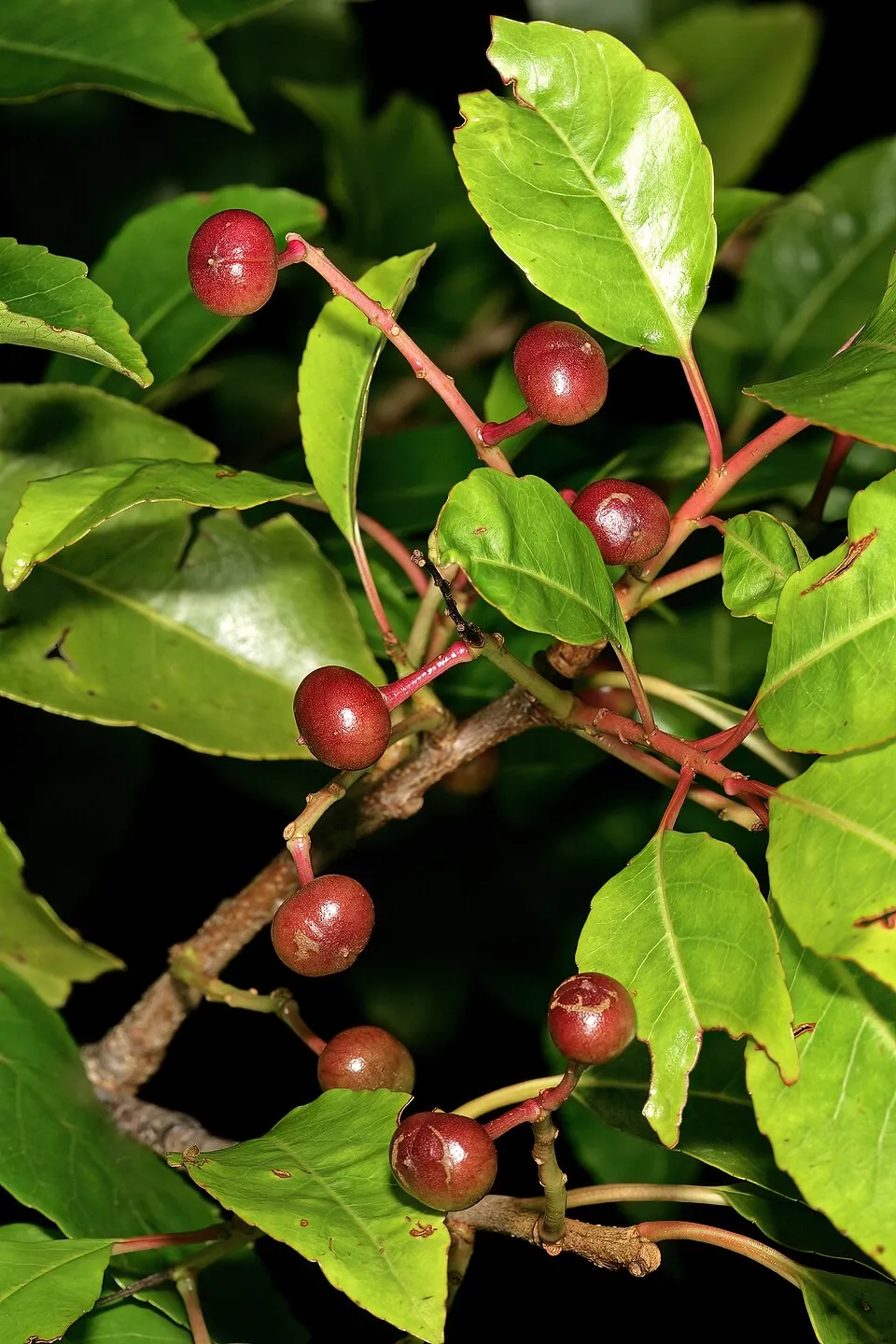
Prunus africana, widely known as the African plum tree, African cherry, African prune, or bitter almond, is a majestic evergreen species within the Rosaceae family. This towering tree can reach impressive heights of 10 to 40 meters, characterized by a robust, straight trunk that supports a rounded, often dense crown. Its foliage consists of dark green, glossy leaves, typically elliptical to oblanceolate, measuring between 8 and 15 centimeters in length with smooth, entire margins.
During its blooming period, the Prunus africana tree produces delicate clusters of small, white to pale pink flowers, each approximately 1 to 2 centimeters across, arranged in racemes. A distinguishing feature is its bark—thick, grayish-brown, and deeply fissured, which is the primary part harvested for its medicinal properties. This species thrives in the tropical montane forests of Central and West Africa, with significant populations found in countries like Cameroon, the Democratic Republic of Congo, and Madagascar.
Taxonomically, it belongs to the diverse Prunus genus, known for its various fruit-bearing and ornamental trees. Prunus africana prefers well-drained, fertile, and slightly acidic soils within these montane ecosystems and is celebrated for its remarkable longevity, with some specimens enduring for over a century, demonstrating exceptional resilience to environmental pressures.
Trusted Scientific References
1. Authoritative external sources for Prunus africana
1.1 Wikipedia — Prunus africana
1.2 Kew POWO (Plants of the World Online)
1.3 PubMed — peer-reviewed research
1.4 NCBI Taxonomy Browser
1.5 GBIF — Global Biodiversity
1.6Prunus Africana should be interpreted through verified botanical identity, practical care, and responsible safety language. This recovery note adds the missing context needed for a complete profile: match light to the plant's habit, use well-drained soil, water according to season, and avoid unsupported medicinal or edible claims. For publishing, the plant can be presented as a source-backed medicinal plant with clear care guidance, common problem diagnosis, and conservative safety wording.
1.1.Prunus Africana — Standout Qualities
- ✓Native to Afromontane — Native to Afromontane forests across Central and West Africa.
- ✓Distinctive deeply fissured grayish — brown bark, the primary medicinal part.
- ✓Globally recognized in — Globally recognized in modern phytotherapy for Benign Prostatic Hyperplasia (BPH) management.
- ✓Contains potent anti — inflammatory, anti-androgenic, and antioxidant compounds like beta-sitosterol.
- ✓Evergreen tree capable — Evergreen tree capable of reaching significant heights and impressive longevity.
- ✓Traditionally used for — Traditionally used for a wide array of ailments including malaria, fevers, and wounds.
- ✓Flowers are small, — Flowers are small, white to pale pink, borne in racemes, leading to plum-like drupes.
- ✓Subject to international — Subject to international conservation efforts due to overharvesting and habitat loss.
- ✓Possesses antimicrobial and — Possesses antimicrobial and analgesic properties.
- ✓An important component — An important component of various traditional African healing systems.
1.2.Prunus Africana — At-a-Glance Summary
- ✓Prunus africana, the African plum tree, is highly valued for its medicinal bark.
- ✓It is primarily used to support prostate health, particularly benign prostatic hyperplasia (BPH).
- ✓Rich in phytosterols, triterpenes, and flavonoids, it exhibits anti-inflammatory and antioxidant properties.
- ✓Traditional African medicine utilizes it for diverse ailments, including fevers, wounds, and gastrointestinal issues.
- ✓Sustainable harvesting is critical due to its vulnerable status from high demand.
- ✓Always consult a healthcare professional before use due to potential interactions and specific health conditions.
2.Prunus Africana — Scientific Profile
3.Prunus Africana — Reference Facts
4.Prunus Africana — Plant Morphology
5.Prunus Africana — Where It Grows
6.Prunus Africana — Cultural & Traditional Roles
7.Prunus Africana — Secondary Metabolites
- ✓Phytosterols — Primarily beta-sitosterol, beta-sitostenone, and ferulic acid esters, these compounds are crucial for the plant's anti-inflammatory and anti-androgenic effects, especially in prostate health.
- ✓Triterpenoids — Including ursolic acid and oleanolic acid, these compounds contribute significantly to the anti-inflammatory and antioxidant properties of the bark.
- ✓Flavonoids — A diverse group of polyphenols like catechins and quercetin derivatives, known for their potent antioxidant activity and roles in reducing inflammation and protecting cellular integrity.
- ✓Phenolic Acids — Such as ferulic acid and caffeic acid, which provide strong antioxidant, anti-inflammatory, and antimicrobial benefits.
- ✓Alkaloids — While present in smaller quantities, these nitrogen-containing compounds can exhibit various pharmacological activities, including analgesic and antimalarial effects.
- ✓Saponins — These glycosides are known for their detergent-like properties and can contribute to immune modulation and anti-inflammatory responses.
- ✓Fatty Acids — Including long-chain fatty acids, which play a role in the structural integrity of cell membranes and can have anti-inflammatory effects.
- ✓Tannins — Astringent compounds that contribute to wound healing and antimicrobial activity, often found in bark extracts.
8.Prunus Africana — Modern Studies
- ✓Benign Prostatic Hyperplasia (BPH) Treatment — Prunus africana bark extracts are extensively studied and utilized for their efficacy in managing symptoms associated with BPH, reducing inflammation and promoting healthy prostate function through compounds like phytosterols.
- ✓Anti-inflammatory Effects — The plant's rich phytochemical profile, including triterpenes and phenolic acids, contributes to significant anti-inflammatory actions, helping to alleviate pain and swelling in various conditions.
- ✓Antioxidant Protection — Flavonoids and other phenolic compounds in Prunus africana act as potent antioxidants, neutralizing harmful free radicals and protecting cells from oxidative stress and damage.
- ✓Antimicrobial Activity — Traditional uses and preliminary research suggest that extracts possess antimicrobial properties, showing efficacy against certain bacteria, fungi, and potentially viruses, supporting immune defense.
- ✓Analgesic Properties — The bark extracts have been traditionally used to alleviate pain, with studies indicating a potential to reduce discomfort and act as a natural pain reliever.
- ✓Immune System Support — Constituents within Prunus africana are believed to modulate and enhance immune responses, contributing to overall health and resistance against infections.
- ✓Wound Healing — Traditionally, the bark has been applied topically for its astringent and healing properties, aiding in the recovery of wounds and skin ailments.
- ✓Digestive Health — In traditional medicine, it has been employed to address various gastrointestinal disorders, promoting digestive comfort and function.
- ✓Potential Antidiabetic Effects — Some traditional applications and emerging research indicate a role for Prunus africana in managing blood sugar levels, although more comprehensive studies are needed.
- ✓Anti-androgenic Activity — Phytosterols, particularly beta-sitosterol, exert anti-androgenic effects, which are crucial in reducing the growth of prostate cells and managing BPH.
- ✓General Wellness Promotion — Beyond specific ailments, Prunus africana is valued in traditional practices for its overall contribution to vitality and well-being.
8.1.Prunus Africana — Health Applications
9.Prunus Africana — Precautions & Warnings
9.1.Prunus Africana — Possible Adverse Reactions
- ✓Gastrointestinal Upset — Some individuals may experience mild digestive disturbances such as nausea, stomach pain, constipation, or diarrhea, particularly with higher doses.
- ✓Allergic Reactions — Rare instances of allergic reactions, including skin rashes or itching, have been reported in sensitive individuals.
- ✓Hormonal Interactions — Due to its anti-androgenic effects, there's a theoretical risk of interacting with hormonal medications or affecting hormonal balance.
- ✓Headache and Dizziness — Occasionally, users might report mild headaches or feelings of dizziness, especially when first starting supplementation.
- ✓Liver Enzyme Elevation — Very rarely, high doses or prolonged use might be associated with transient elevations in liver enzymes, though clinical significance is often low.
- ✓Insomnia — Some users have reported experiencing difficulty sleeping or mild insomnia, though this is not a common side effect.
9.2.Prunus Africana — Safety Profile
- ✓Professional Consultation — Always consult a qualified healthcare provider before starting any Prunus africana regimen, especially if you have pre-existing medical conditions or are taking other medications.
- ✓Pregnancy and Lactation — Not recommended for use during pregnancy or breastfeeding due to insufficient safety data.
- ✓Pediatric Use — Safety has not been established for children; therefore, its use in pediatric populations should be avoided.
- ✓Dosage Adherence — Adhere strictly to recommended dosages, as excessive intake may increase the risk of adverse effects.
- ✓Interaction with Medications — Potential interactions with hormone-sensitive medications, blood thinners, or drugs metabolized by the liver should be discussed with a doctor.
- ✓Sustainable Sourcing — Ensure products are sourced sustainably, as overharvesting has led to the plant's vulnerable conservation status.
- ✓Long-term Use — While generally considered safe for short to medium-term use, the long-term safety profile requires more extensive research.
10.Prunus Africana — Application Forms
- ✓Bark Decoction — Traditionally, the dried bark is boiled in water to create a decoction, which is then consumed orally for conditions like BPH, fevers, or general inflammation.
- ✓Powdered Bark — Dried bark is ground into a fine powder, which can be encapsulated and taken as a dietary supplement or mixed with liquids.
- ✓Standardized Extracts — Modern formulations often involve standardized extracts, typically in capsule or tablet form, ensuring consistent levels of active compounds like phytosterols.
- ✓Tinctures — A concentrated liquid extract made by steeping bark in alcohol, allowing for easy absorption and precise dosing.
- ✓Topical Applications — In some traditional practices, poultices or pastes made from the bark may be applied externally for wound healing or skin conditions.
- ✓Infusions — While less common for bark, infusions can be made from leaves for milder preparations, although the bark is the primary medicinal part.
- ✓Commercial Products — Widely available as over-the-counter supplements, often combined with other herbs for prostate health support.
11.Prunus Africana — Growing Guide
- ✓Climate Preference — Thrives in tropical to subtropical montane climates, typically at elevations between 900 and 2,500 meters, requiring consistent rainfall.
- ✓Soil Requirements — Prefers well-drained, fertile, and slightly acidic soils, ideally with good organic matter content to support robust growth.
- ✓Light Exposure — Requires adequate sunlight for optimal growth, typically favoring full sun to partial shade conditions.
- ✓Watering — Needs regular watering, especially during dry periods, to maintain consistent soil moisture without waterlogging.
- ✓Propagation — Can be propagated from seeds, though germination can be slow and erratic, or more reliably from cuttings to ensure genetic consistency.
- ✓Growth Rate — Exhibits a relatively slow to moderate growth rate, taking many years to reach maturity and produce harvestable bark.
- ✓Sustainable Harvesting — Due to high demand, sustainable harvesting practices are crucial, often involving stripping only a portion of the bark or rotational harvesting to allow for regeneration.
- ✓Pest and Disease Management — Generally resilient, but requires monitoring for common tree pests and fungal diseases, especially in humid environments.
Reviewed by the Flora Medical Global Botanical Review Panel
Multi-disciplinary editorial group · Botany · Ethnobotany · Herbal-medicine literature
Who reviewed this: This page was checked by the Flora Medical Global Botanical Review Panel — an in-house editorial group of botany graduates, ethnobotany researchers, and horticulture practitioners who collectively maintain our 7,000+ plant encyclopedia. Meet the team.
Our 4-step verification process
1. Taxonomic verification
Scientific names and synonyms cross-checked against Kew POWO, World Flora Online, and The Plant List.
2. Phytochemical & medicinal cross-reference
Active compounds, traditional uses, and reported activities are cross-referenced with PubMed, USDA Dr. Duke's database, and peer-reviewed ethnobotanical literature.
3. Conservation & distribution check
Distribution, ecology, and conservation status confirmed against GBIF occurrence records and the IUCN Red List.
4. Editorial & safety review
Every entry passes an editorial pass for clarity, originality, and safety notices (toxicity, contraindications, dosage caveats) before publication.
Last reviewed:
Important medical disclaimer: This content is for educational and research purposes only. It is not medical advice and is not a substitute for consultation with a licensed healthcare provider. Do not use any herb to self-treat a medical condition without professional guidance.
Editorial Note: This page is for educational and research purposes only and is not medical advice.
Written by: Flora Medical Global Editorial Team
Reviewed by: Flora Medical Global Botanical Review Panel
Last Updated: June 15, 2026





Prunus Africana — Comments & Community Reviews
Rate this plant