


Medical Disclaimer: This content is for educational purposes only. It is not medical advice. Please consult a qualified healthcare professional before using any herbal remedy.
Safety Overview
1.Punarnava White (Horse Purslane) — Botanical Snapshot
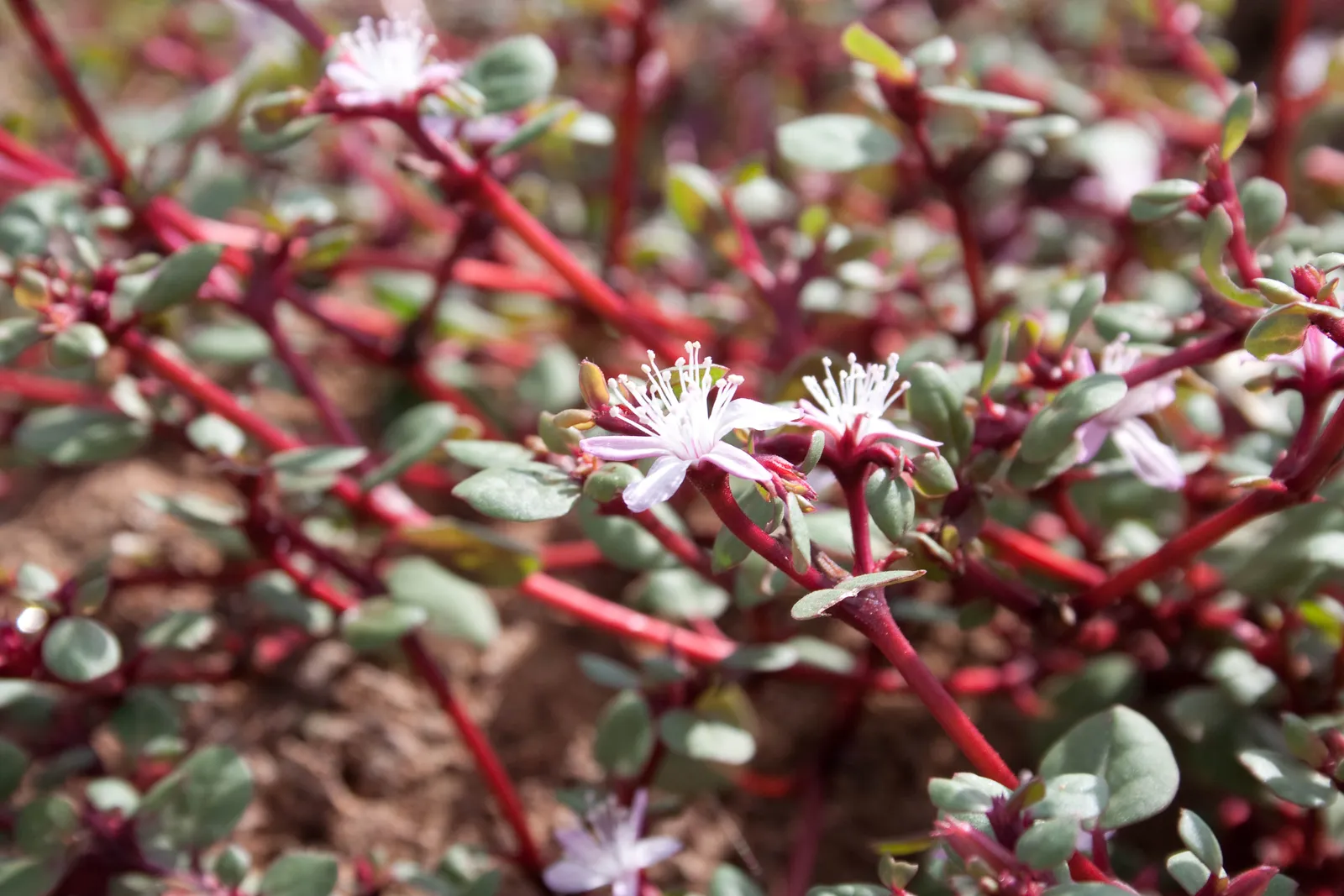
Punarnava White, scientifically known as Trianthema portulacastrum, is a resilient, prostrate annual herb belonging to the Aizoaceae family, commonly recognized as Horse Purslane. This much-branched plant typically spreads across the ground, reaching a height of 10 to 40 cm. Its robust stems are fleshy and can vary in color from green to a subtle purplish hue, characterized by a smooth texture.
The leaves are distinctively small, measuring approximately 2 to 5 cm in length, and exhibit an ovate to elliptic shape with a succulent, fleshy consistency, which is an adaptation for efficient moisture retention in arid environments. Small, inconspicuous flowers, usually about 1.5 cm in diameter, emerge in shades of white to pale pink, arranged in axillary clusters along the stems, adding to the plant's understated botanical charm. The fruit develops into a small capsule containing numerous tiny, brownish seeds.
This adaptable species predominantly thrives in sandy or loamy soils across tropical and subtropical regions globally. It is frequently encountered in disturbed sites, such as roadsides, waste grounds, and often as a common weed in agricultural fields. Its natural distribution spans from Africa through Asia, extending into parts of Australia, underscoring its remarkable ability to acclimate to diverse warm climates.
Taxonomically, its placement within the Aizoaceae family highlights its shared characteristics with other succulents, particularly their capacity for water storage. Trianthema portulacastrum is notable for its high salt tolerance and proficiency in growing in nutrient-poor soils, making it an ecologically significant, yet often underestimated, species with substantial traditional value.
Trusted Scientific References
1. Authoritative external sources for Trianthema portulacastrum
1.1 Wikipedia — Trianthema portulacastrum
1.2 Kew POWO (Plants of the World Online)
1.3 PubMed — peer-reviewed research
1.4 NCBI Taxonomy Browser
1.5 GBIF — Global Biodiversity
1.6Punarnava White (Horse Purslane) should be interpreted through verified botanical identity, practical care, and responsible safety language. This recovery note adds the missing context needed for a complete profile: match light to the plant's habit, use well-drained soil, water according to season, and avoid unsupported medicinal or edible claims. For publishing, the plant can be presented as a source-backed medicinal plant with clear care guidance, common problem diagnosis, and conservative safety wording.
1.1.Punarnava White (Horse Purslane) — Distinguishing Points
- ✓Botanical Name — Trianthema portulacastrum, also known as Horse Purslane.
- ✓Common Name — Punarnava White, Svet Punarnava.
- ✓Family — Aizoaceae, known for succulent plants.
- ✓Key Actions — Diuretic, anti-inflammatory, hepatoprotective, cardiotonic.
- ✓Primary Constituents — Ecdysterone, Trianthemine, flavonoids, triterpenoids.
- ✓Traditional Medicine — Deeply rooted in Ayurvedic, Siddha, and Unani systems.
- ✓Habitat — Thrives in tropical and subtropical disturbed soils and agricultural fields.
- ✓Growth Habit — Prostrate, much-branched annual herb with fleshy, succulent leaves.
- ✓Culinary Use — Young leaves are occasionally consumed as a vegetable in some regions.
- ✓Research Focus — Explored for its antioxidant, nephroprotective, and anticarcinogenic potential.
1.2.Punarnava White (Horse Purslane) — At-a-Glance Summary
- ✓Punarnava White (Trianthema portulacastrum) is a potent Ayurvedic herb.
- ✓Renowned for its strong diuretic, anti-inflammatory, and hepatoprotective properties.
- ✓Supports kidney, liver, and cardiovascular health, traditionally used for edema and UTIs.
- ✓Rich in bioactive compounds like ecdysterone, alkaloids, and flavonoids.
- ✓Easily cultivated in warm, tropical climates from seeds or cuttings.
- ✓Requires cautious use, especially during pregnancy, lactation, or with certain medications.
2.Punarnava White (Horse Purslane) — Botanical Identity
3.Punarnava White (Horse Purslane) — Vital Statistics
4.Punarnava White (Horse Purslane) — Physical Description
5.Punarnava White (Horse Purslane) — Ecological Habitat
6.Punarnava White (Horse Purslane) — Folk Medicine Applications
7.Punarnava White (Horse Purslane) — Chemical Profile
- ✓Alkaloids — Key alkaloids include Trianthemine and Punarnavine, which are largely responsible for the plant’s notable diuretic and anti-inflammatory activities, particularly concentrated in the roots.
- ✓Ecdysteroids — Ecdysterone is a prominent bioactive compound found in Punarnava White, recognized for its potential adaptogenic, anabolic, and insecticidal properties, contributing to the plant’s resilience and medicinal value.
- ✓Flavonoids — This class of compounds, present throughout the plant, acts as powerful antioxidants and anti-inflammatory agents, protecting cells from oxidative damage and modulating immune responses.
- ✓Triterpenoids — Including compounds like 3-acetylaleuritolic acid, triterpenoids contribute to the plant's anti-inflammatory, hepatoprotective, and perhaps even anticarcinogenic effects.
- ✓Steroids — Various steroidal compounds are present, playing roles in the plant's physiological processes and potentially contributing to its medicinal attributes.
- ✓Phenolic Compounds — Such as 3,4-dimethoxy cinnamic acid, 5-hydroxy-2-methoxybenzaldehyde, and p-methoxybenzoic acid, these compounds offer significant antioxidant and antimicrobial benefits.
- ✓Betacyanins — These nitrogen-containing pigments, like beta cyanin, are responsible for any reddish hues in the plant and exhibit strong antioxidant and anti-inflammatory properties.
- ✓Amino Acids — The plant contains a range of essential and non-essential amino acids, which are fundamental building blocks for proteins and contribute to its nutritional profile.
- ✓Saponins — These glycosides are known for their adaptogenic, immune-modulating, and sometimes expectorant properties, contributing to the plant's diverse therapeutic effects.
- ✓Glycosides — Various other glycosides are present, which may contribute to the plant's overall pharmacological activities, including cardiotonic effects.
8.Punarnava White (Horse Purslane) — Scientific Evidence
- ✓Diuretic Support — Punarnava White is highly valued for its potent diuretic properties, promoting increased urine output to help flush toxins and excess fluids from the body, thereby supporting kidney function and reducing edema.
- ✓Anti-inflammatory Action — The plant contains bioactive compounds that modulate inflammatory pathways, offering significant anti-inflammatory effects beneficial for various conditions involving swelling and pain.
- ✓Hepatoprotective Effects — Research and traditional use indicate its ability to protect liver cells from damage caused by toxins, supporting liver regeneration and enhancing overall hepatic health.
- ✓Cardiotonic Properties — It traditionally contributes to cardiovascular well-being by potentially strengthening heart muscle function and improving circulation, making it useful in certain heart conditions.
- ✓Nephroprotective Benefits — Punarnava White aids in maintaining kidney health, assisting in the prevention and management of kidney stones and urinary tract infections through its diuretic and protective actions.
- ✓Analgesic Relief — Its anti-inflammatory constituents also confer analgesic properties, helping to alleviate various types of pain, including those associated with inflammation.
- ✓Antioxidant Activity — Rich in antioxidants, the herb combats oxidative stress by neutralizing harmful free radicals, thereby protecting cells and tissues from damage and promoting cellular longevity.
- ✓Digestive Aid — Traditionally, it serves as a stomachic and a mild laxative, improving digestion, relieving constipation, and supporting overall gastrointestinal health.
- ✓Anemia Support — In traditional systems like Ayurveda, Punarnava is used to help manage certain blood-related conditions, including specific forms of anemia, by supporting healthy blood composition.
- ✓Anticarcinogenic Potential — Preliminary scientific investigations suggest that compounds within Trianthema portulacastrum may possess properties that inhibit the growth of certain cancer cells.
- ✓Ocular Health — Historically, Punarnava White has been utilized in folk medicine for addressing various eye-related issues, including the traditional treatment of night blindness.
- ✓Rejuvenative Tonic — Considered a rasayana (rejuvenative) herb in Ayurveda, it helps rejuvenate vital organs like the kidneys and liver, promoting overall vitality and longevity.
8.1.Punarnava White (Horse Purslane) — Health Applications
9.Punarnava White (Horse Purslane) — Cautions & Contraindications
9.1.Punarnava White (Horse Purslane) — Reported Side Effects
- ✓Gastrointestinal Upset — High doses or prolonged use may lead to mild stomach discomfort, nausea, indigestion, or diarrhea in sensitive individuals.
- ✓Hypotension — Due to its potent diuretic and blood pressure-lowering effects, excessive consumption could potentially cause a significant drop in blood pressure.
- ✓Electrolyte Imbalance — Long-term or high-dose use might disrupt the body's electrolyte balance, particularly potassium levels, necessitating careful monitoring.
- ✓Allergic Reactions — Although rare, some individuals may experience allergic responses, such as skin rashes, itching, or other hypersensitivity reactions.
- ✓Increased Urination — Its strong diuretic action will naturally lead to more frequent urination, which, while therapeutic, can be inconvenient for some.
- ✓Dehydration Risk — If adequate fluid intake is not maintained alongside its use, the pronounced diuretic effect could potentially lead to dehydration.
9.2.Punarnava White (Horse Purslane) — Risk Assessment
- ✓Pregnancy and Lactation — Punarnava White should be avoided during pregnancy and breastfeeding due to insufficient safety data regarding its effects on fetal development or infant health.
- ✓Children — Consult a qualified healthcare professional before administering Punarnava preparations to children, as appropriate dosage and safety profiles are not well-established.
- ✓Kidney Conditions — Individuals with severe or chronic kidney disease should use this herb with extreme caution and only under strict medical supervision due to its potent diuretic action.
- ✓Heart Conditions — Patients undergoing treatment for cardiac conditions, especially those on diuretics, antihypertensives, or other heart medications, must consult their doctor before use.
- ✓Drug Interactions — Punarnava may interact with conventional diuretics, blood pressure medications, and lithium, potentially altering their effects or increasing the risk of side effects.
- ✓Hydration — It is crucial to maintain adequate fluid intake when using Punarnava, particularly for extended periods, to mitigate the risk of dehydration associated with its diuretic properties.
- ✓Professional Guidance — Always seek advice from a qualified medical herbalist or healthcare practitioner to determine appropriate dosage, duration of use, and potential contraindications.
10.Punarnava White (Horse Purslane) — Usage Guide
- ✓Decoction — Prepare a traditional decoction by boiling dried Punarnava root or the whole plant in water; commonly used for kidney and liver support, consumed in measured doses.
- ✓Powder — Dried and finely ground plant material can be ingested, typically mixed with water, honey, or ghee, with a common dosage ranging from 1 to 3 grams, one to two times daily.
- ✓Fresh Juice — Extracting juice from fresh leaves and stems provides a highly potent form, often used for immediate diuretic and detoxifying effects, usually consumed in small quantities.
- ✓Tincture — An alcoholic extract of Punarnava concentrates its active compounds, offering a convenient and potent method of administration, dosed by drops.
- ✓Poultice — Freshly crushed leaves and stems can be applied topically as a poultice to reduce localized inflammation, swelling, or for skin conditions.
- ✓Infusion — A milder preparation involves steeping dried leaves or aerial parts in hot water to create a tea, beneficial for general well-being and hydration.
- ✓Ayurvedic Formulations — Punarnava is a key ingredient in numerous complex polyherbal Ayurvedic formulations, such as Punarnavarishta and Punarnava Mandur, tailored for specific therapeutic outcomes.
- ✓Culinary Use — In some traditional cuisines, the young leaves and shoots of Punarnava White are consumed as a leafy vegetable, adding nutritional value and a slightly bitter taste to dishes.
11.Punarnava White (Horse Purslane) — How to Grow
- ✓Propagation — Punarnava White is primarily propagated from seeds, which exhibit good germination rates, or readily from stem cuttings for quicker establishment and clonal consistency.
- ✓Soil Requirements — It thrives in well-drained, fertile loamy or sandy-loamy soils, demonstrating adaptability to a wide range of soil types, including those with poor nutrient content.
- ✓Climate — The plant prefers warm, tropical to subtropical climates and requires ample sunlight, ideally full sun exposure for optimal growth and secondary metabolite production.
- ✓Watering — While established plants are notably drought-tolerant due to their succulent nature, moderate and regular watering is beneficial during dry periods and initial growth phases.
- ✓Fertilization — Generally considered low-maintenance, Punarnava benefits from the incorporation of organic compost or a balanced, slow-release fertilizer, especially in nutrient-depleted soils.
- ✓Pests and Diseases — Trianthema portulacastrum shows strong natural resistance to most common pests and diseases, minimizing the need for chemical interventions in cultivation.
- ✓Harvesting — Leaves and young stems can be harvested throughout the growing season, typically before the plant fully flowers, to ensure the highest concentration of active compounds.
- ✓Weed Management — As it is often considered a weed in many regions, minimal effort is required for its growth, though managing its spread is important if cultivated alongside other crops.
Reviewed by the Flora Medical Global Botanical Review Panel
Multi-disciplinary editorial group · Botany · Ethnobotany · Herbal-medicine literature
Who reviewed this: This page was checked by the Flora Medical Global Botanical Review Panel — an in-house editorial group of botany graduates, ethnobotany researchers, and horticulture practitioners who collectively maintain our 7,000+ plant encyclopedia. Meet the team.
Our 4-step verification process
1. Taxonomic verification
Scientific names and synonyms cross-checked against Kew POWO, World Flora Online, and The Plant List.
2. Phytochemical & medicinal cross-reference
Active compounds, traditional uses, and reported activities are cross-referenced with PubMed, USDA Dr. Duke's database, and peer-reviewed ethnobotanical literature.
3. Conservation & distribution check
Distribution, ecology, and conservation status confirmed against GBIF occurrence records and the IUCN Red List.
4. Editorial & safety review
Every entry passes an editorial pass for clarity, originality, and safety notices (toxicity, contraindications, dosage caveats) before publication.
Last reviewed:
Important medical disclaimer: This content is for educational and research purposes only. It is not medical advice and is not a substitute for consultation with a licensed healthcare provider. Do not use any herb to self-treat a medical condition without professional guidance.
Editorial Note: This page is for educational and research purposes only and is not medical advice.
Written by: Flora Medical Global Editorial Team
Reviewed by: Flora Medical Global Botanical Review Panel
Last Updated: June 15, 2026





Punarnava White (Horse Purslane) — Comments & Community Reviews
Rate this plant