
Medical Disclaimer: This content is for educational purposes only. It is not medical advice. Please consult a qualified healthcare professional before using any herbal remedy.
Safety Overview
1.Quebracho — Introduction & Highlights
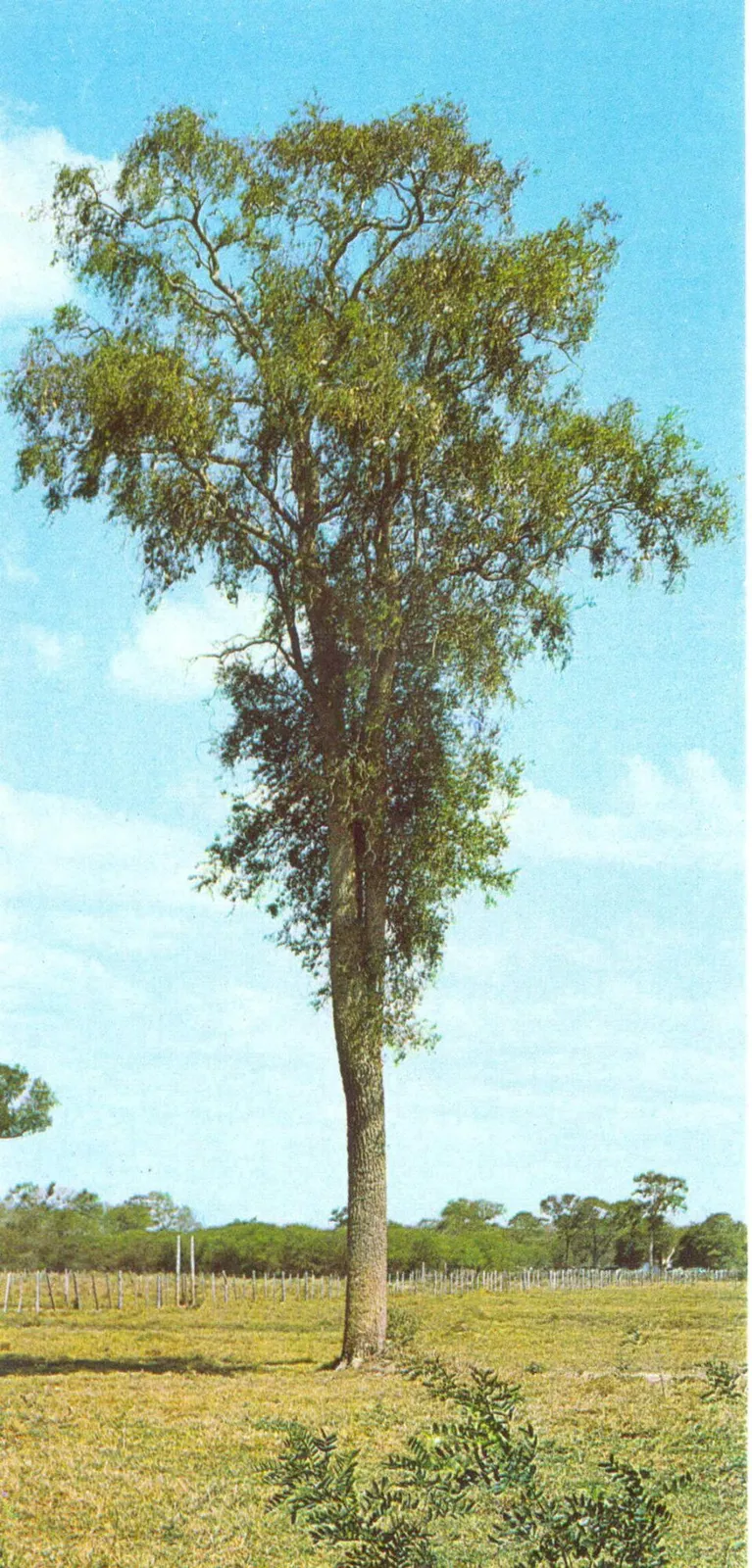
Aspidosperma quebracho-blanco, commonly known as Quebracho Blanco or White Quebracho, is a magnificent evergreen tree native to the semi-arid to moist subtropical regions of South America, predominantly found across Argentina, Paraguay, and parts of Bolivia. This robust hardwood species can soar to impressive heights of 20 to 25 meters, characterized by its deeply furrowed, grayish-brown bark that boasts a thick, fibrous texture. Its distinctive foliage consists of elliptical to lanceolate leaves, typically 5 to 10 cm long, arranged in whorls along the branches, forming a dense and verdant canopy throughout the year.
During late spring to early summer, Quebracho Blanco adorns itself with clusters of small, fragrant white flowers, each approximately 1 cm in diameter with five petal-like structures, which are vital for attracting local pollinators. These flowers eventually give way to slender, elongated capsules, up to 10 cm in length, containing several flat seeds. The tree thrives in well-drained soils, often dominating forest edges and open woodlands.
Taxonomically, it is a significant member of the Apocynaceae family, sharing kinship with other medicinally important plants within the genus Aspidosperma. Beyond its ecological significance, Quebracho Blanco is valued for its exceptionally dense wood, used in construction, and as a rich source of tannins for leather processing, underscoring its multifaceted importance both environmentally and economically.
Trusted Scientific References
1. Authoritative external sources for Aspidosperma quebracho-blanco
1.1 Wikipedia — Aspidosperma quebracho-blanco
1.2 Kew POWO (Plants of the World Online)
1.3 PubMed — peer-reviewed research
1.4 NCBI Taxonomy Browser
1.5 GBIF — Global Biodiversity
1.6Quebracho should be interpreted through verified botanical identity, practical care, and responsible safety language. This recovery note adds the missing context needed for a complete profile: match light to the plant's habit, use well-drained soil, water according to season, and avoid unsupported medicinal or edible claims. For publishing, the plant can be presented as a source-backed medicinal plant with clear care guidance, common problem diagnosis, and conservative safety wording.
1.1.Quebracho — Key Features
- ✓Native to South — Native to South America, particularly Argentina and Paraguay.
- ✓Prominent source of — Prominent source of indole alkaloids, notably aspidospermine.
- ✓Traditionally utilized as — Traditionally utilized as a bronchodilator and expectorant.
- ✓Evergreen tree with — Evergreen tree with a rugged, thick bark.
- ✓Produces small, fragrant — Produces small, fragrant white flowers in clusters.
- ✓Fruit is an — Fruit is an elongated capsule containing flat seeds.
- ✓Wood is extremely — Wood is extremely dense and used in construction.
- ✓Bark is a — Bark is a significant source of industrial tannins.
- ✓Belongs to the — Belongs to the Apocynaceae family.
- ✓Historically applied in — Historically applied in folk medicine for fever and spasms.
1.2.Quebracho — Quick Summary
- ✓South American native hardwood tree, Aspidosperma quebracho-blanco.
- ✓Traditionally used for respiratory ailments like asthma and cough.
- ✓Rich in indole alkaloids, including aspidospermine and quebrachine.
- ✓Valued for both its medicinal bark and dense timber.
- ✓Limited scientific evidence supports its traditional medicinal uses.
- ✓Caution advised due to potential side effects and lack of dosage guidelines.
2.Quebracho — Systematic Position
3.Quebracho — Quick Facts
4.Quebracho — Plant Morphology
5.Quebracho — Where It Grows
6.Quebracho — Cultural & Traditional Roles
7.Quebracho — Bioactive Constituents
- ✓Indole Alkaloids — The bark is notably rich in indole alkaloids such as aspidospermine, quebrachine (which is synonymous with yohimbine), and aspidospermatine, which are believed to exert bronchodilator and respiratory stimulant effects.
- ✓Tannins — High concentrations of condensed tannins are present, contributing to the bark's astringent properties, traditionally used for various applications.
- ✓Flavonoids — These phenolic compounds are found in the plant, offering potential antioxidant and anti-inflammatory activities that support overall cellular health.
- ✓Triterpenes — Various triterpenoid compounds are present, which may contribute to the plant's traditional anti-inflammatory and adaptogenic effects.
- ✓Sterols — Plant sterols are found, playing a role in cell membrane structure and potentially contributing to various physiological responses.
- ✓Saponins — These glycosides are present and can contribute to expectorant actions, aiding in the loosening of mucus in the respiratory tract.
- ✓Coumarins — Identified in lesser amounts, coumarins may possess anticoagulant, anti-inflammatory, and antimicrobial properties, contributing to the plant's broader medicinal profile.
- ✓Resins — The bark contains various resins, which can contribute to the plant's physical properties and potentially have a role in its traditional applications.
8.Quebracho — Modern Studies
- ✓Respiratory Support — Traditionally, the bark of Quebracho Blanco has been used as an expectorant and bronchodilator to aid in clearing respiratory passages and easing breathing, particularly for conditions like asthma and bronchitis.
- ✓Asthma Relief — Historically employed to alleviate symptoms associated with asthma attacks, its traditional use suggests a capacity to relax bronchial muscles and improve airflow.
- ✓Cough Suppression — Decoctions made from the bark are traditionally consumed to soothe persistent coughs, helping to reduce irritation and discomfort in the throat and lungs.
- ✓Common Cold Remedy — In traditional South American folk medicine, Quebracho Blanco has been utilized to mitigate symptoms of the common cold, including congestion and general malaise.
- ✓Fever Reduction — Indigenous practices have long involved the use of Quebracho Blanco to help lower fever, indicating traditional antipyretic properties.
- ✓Blood Pressure Management — There are traditional accounts of its use in managing high blood pressure, though specific mechanisms and efficacy require modern scientific validation.
- ✓Antispasmodic Action — Traditionally, it has been applied to alleviate spasms, suggesting a potential for muscle relaxation, particularly in the respiratory tract.
- ✓Diuretic Properties — Folk medicine points to its use as a diuretic, potentially aiding in the reduction of fluid retention within the body.
- ✓Menstrual Cramp Relief — Historically, Quebracho Blanco has been used to ease the discomfort and pain associated with menstrual cramps.
- ✓Sexual Desire Enhancement — Some traditional uses suggest an application for increasing sexual desire, although this claim lacks robust scientific evidence.
- ✓General Lung Health — Beyond specific ailments, the plant's bark has been generally regarded in traditional systems for promoting overall health and function of the lower respiratory tract.
8.1.Quebracho — Therapeutic Indications
9.Quebracho — Risk Profile
9.1.Quebracho — Possible Adverse Reactions
- ✓Drooling — Some individuals may experience increased salivation, or drooling, as a side effect when consuming medicinal amounts of Quebracho Blanco.
- ✓Headache — Headaches have been reported as a possible adverse reaction, particularly with higher dosages.
- ✓Sweating — Excessive sweating, or hyperhidrosis, can occur in some users of Quebracho Blanco.
- ✓Dizziness — Feelings of lightheadedness or dizziness are potential side effects, suggesting caution with operating machinery.
- ✓Stupor and Sleepiness — In larger doses, the plant may induce a state of stupor or increased sleepiness, indicating central nervous system effects.
- ✓Nausea and Vomiting — High doses of Quebracho Blanco can lead to gastrointestinal distress, including significant nausea and vomiting.
- ✓Allergic Reactions — As with any plant product, there is a potential for allergic reactions in sensitive individuals, though specific data is limited.
9.2.Quebracho — Safety Profile
- ✓Pregnancy and Breastfeeding — Quebracho Blanco is not recommended for medicinal use during pregnancy or breastfeeding due to insufficient safety data; food amounts are generally considered safe.
- ✓Children — Its use in children is not advised due to the lack of specific research on its safety and appropriate dosing for this demographic.
- ✓Dosage Caution — Medicinal doses should be approached with extreme caution, as there is no scientific consensus on safe and effective dosages.
- ✓Differentiation — It is crucial to distinguish Aspidosperma quebracho-blanco (white quebracho) from Schinopsis quebracho-colorado (red quebracho), as they contain different chemical constituents and have distinct safety profiles.
- ✓Professional Consultation — Always consult a healthcare professional before using Quebracho Blanco, especially if you have underlying health conditions or are taking other medications.
- ✓Short-term Use — Quebracho Blanco is possibly safe when used orally in medicinal amounts for short durations, but long-term safety is not established.
- ✓Driving and Operating Machinery — Due to potential side effects like dizziness and sleepiness, users should avoid driving or operating heavy machinery until they know how it affects them.
10.Quebracho — Application Forms
- ✓Decoction Preparation — The most common traditional method involves boiling pieces of the dried bark in water to create a potent decoction for internal consumption.
- ✓Tincture Extraction — Modern herbalists may prepare tinctures by steeping the bark in alcohol, allowing for a concentrated liquid extract.
- ✓Powdered Bark — Dried bark can be finely ground into a powder, which can then be encapsulated or mixed with liquids for easier ingestion.
- ✓Infusion Method — While less common for bark, young leaves or softer parts might be used to prepare infusions by steeping in hot water.
- ✓Topical Application — In some traditional practices, poultices or washes made from the bark might be applied externally for skin conditions or localized pain.
- ✓Flavoring Agent — In the food and beverage industry, Quebracho Blanco extract is sometimes used as a natural flavoring, though in very small, safe amounts.
- ✓Dosage Guidance — Due to insufficient scientific data, precise medicinal dosing is not established; traditional doses vary, and professional guidance is crucial.
- ✓Commercial Extracts — Standardized extracts of Quebracho Blanco are available in supplement form, often in capsules, with manufacturer-recommended dosages.
11.Quebracho — Propagation & Care
- ✓Climate Requirements — Quebracho Blanco thrives in subtropical to tropical climates, tolerating both semi-arid and moist conditions.
- ✓Soil Preference — It prefers well-drained soils, often sandy or rocky, and can adapt to nutrient-poor substrates, indicating its hardiness.
- ✓Propagation — Primarily propagated by seeds, which require specific conditions for germination, often benefiting from scarification.
- ✓Growth Rate — This tree exhibits a relatively slow to moderate growth rate, particularly in its early stages, but can live for many decades.
- ✓Light Exposure — Requires full sun exposure to flourish, typically forming part of the upper canopy in its native habitats.
- ✓Watering Needs — Once established, Quebracho Blanco is highly drought-tolerant, requiring minimal supplemental irrigation.
- ✓Maintenance — Generally low-maintenance, it benefits from occasional pruning for shape or health, but is largely self-sufficient.
- ✓Harvesting — The medicinal bark is typically harvested from mature trees, often requiring sustainable practices to ensure regeneration and long-term supply.
Reviewed by the Flora Medical Global Botanical Review Panel
Multi-disciplinary editorial group · Botany · Ethnobotany · Herbal-medicine literature
Who reviewed this: This page was checked by the Flora Medical Global Botanical Review Panel — an in-house editorial group of botany graduates, ethnobotany researchers, and horticulture practitioners who collectively maintain our 7,000+ plant encyclopedia. Meet the team.
Our 4-step verification process
1. Taxonomic verification
Scientific names and synonyms cross-checked against Kew POWO, World Flora Online, and The Plant List.
2. Phytochemical & medicinal cross-reference
Active compounds, traditional uses, and reported activities are cross-referenced with PubMed, USDA Dr. Duke's database, and peer-reviewed ethnobotanical literature.
3. Conservation & distribution check
Distribution, ecology, and conservation status confirmed against GBIF occurrence records and the IUCN Red List.
4. Editorial & safety review
Every entry passes an editorial pass for clarity, originality, and safety notices (toxicity, contraindications, dosage caveats) before publication.
Last reviewed:
Important medical disclaimer: This content is for educational and research purposes only. It is not medical advice and is not a substitute for consultation with a licensed healthcare provider. Do not use any herb to self-treat a medical condition without professional guidance.
Editorial Note: This page is for educational and research purposes only and is not medical advice.
Written by: Flora Medical Global Editorial Team
Reviewed by: Flora Medical Global Botanical Review Panel
Last Updated: June 15, 2026





Quebracho — Comments & Community Reviews
Rate this plant