
Medical Disclaimer: This content is for educational purposes only. It is not medical advice. Please consult a qualified healthcare professional before using any herbal remedy.
Safety Overview
1.Radiator Plant — Essential Profile
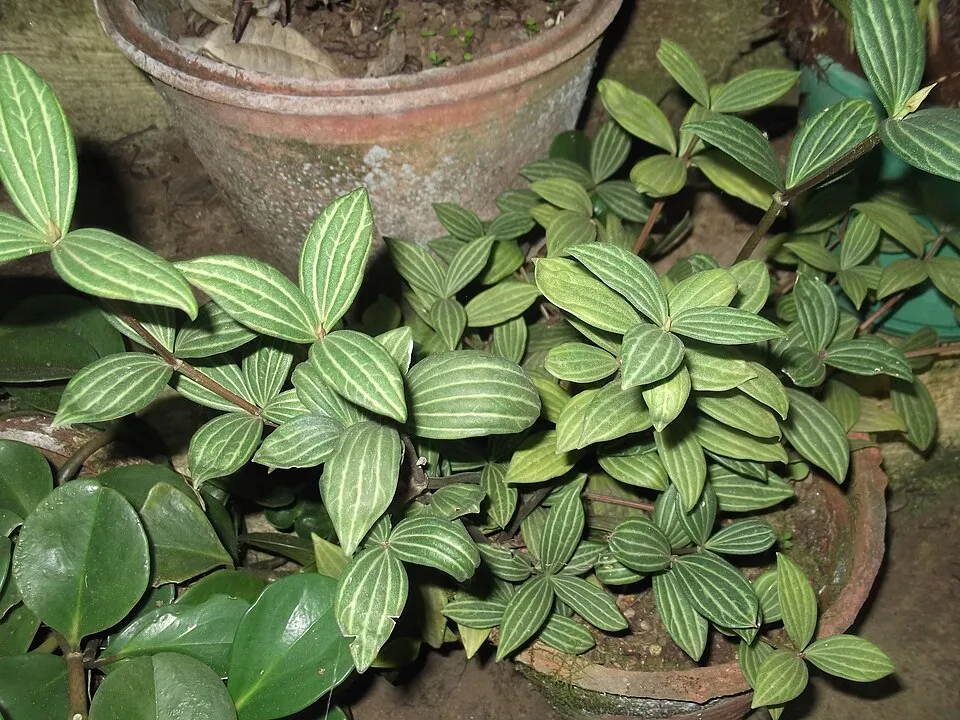
Peperomia puteolata, commonly known as the Radiator Plant, is an exquisite herbaceous perennial distinguished by its striking foliage and compact growth habit. Typically reaching heights of 12 to 18 inches, this species is perfectly suited for tabletop displays or as an elegant, low-maintenance houseplant. Its characteristic leaves are fleshy, oval-shaped, and showcase a vibrant green to dark green coloration, beautifully accented by pale green or yellowish stripes that radiate from the base to the tip. These leaves, averaging 2 to 4 inches in length, possess a remarkably smooth texture that enhances their naturally glossy appearance, adding a touch of sophistication to any indoor setting.
The plant earns its evocative common name from its tendency to grow in dense, radiator-like clusters, creating a lush and visually appealing effect. While Peperomia puteolata does not produce prominent flowers, it may occasionally bear slender, inconspicuous spikes of greenish-white blooms that are more understated than dramatic. Native to the humid tropical regions of South America, particularly Brazil, it thrives in warm, moist environments. As a member of the diverse Piperaceae family, which includes the pepper plant, it shares kinship with numerous species valued for their unique ornamental and sometimes medicinal properties.
Peperomia puteolata prefers a well-draining potting mix rich in organic matter and adapts well to various potting situations, including mixes formulated for aroids. It is particularly notable for its resilience to neglect and tolerance of indoor air pollution, making it an ideal choice for urban environments. Furthermore, the succulent structure of its leaves allows for efficient moisture storage, granting it a significant advantage in drought tolerance, and its ability to naturally filter airborne toxins enhances indoor air quality.
Trusted Scientific References
1. Authoritative external sources for Peperomia puteolata
1.1 Wikipedia — Peperomia puteolata
1.2 Kew POWO (Plants of the World Online)
1.3 PubMed — peer-reviewed research
1.4 NCBI Taxonomy Browser
1.5 GBIF — Global Biodiversity
1.1.Radiator Plant — Highlights
- ✓Striking Foliage — Features glossy, fleshy, green leaves with distinctive pale green or yellowish stripes.
- ✓Compact Growth — Typically grows to 12-18 inches, making it ideal for tabletops and small indoor spaces.
- ✓Air Purifier — Contributes to a healthier indoor environment by filtering common airborne toxins.
- ✓Drought Tolerant — Its succulent leaves efficiently store water, enhancing its resilience to dry periods.
- ✓Low Maintenance — Renowned for its ease of care and ability to thrive with minimal attention.
- ✓Tropical Origin — Native to the warm and humid regions of South America, particularly Brazil.
- ✓Piperaceae Family — Belongs to the pepper family, known for its diverse and often aromatic members.
- ✓Ornamental Value — Highly prized for its aesthetic appeal, adding elegance to interior decor.
- ✓Ethnobotanical Interest — Related species have a rich history in various traditional medicine systems.
- ✓Unique Name — Derived from its habit of growing in dense, 'radiator-like' clusters.
1.2.Radiator Plant — Concise Overview
- ✓Botanical — Attractive indoor plant, 12-18 inches, distinctive striped foliage, known as Radiator Plant.
- ✓Traditional Use — Related Peperomia species are traditionally valued for anti-inflammatory, analgesic, and wound healing properties.
- ✓Chemical Profile — Rich in sesquiterpenes, flavonoids, and arylpropanoids, as identified in related species.
- ✓Air Purification — Recognized for its ability to enhance indoor air quality by filtering pollutants.
- ✓Resilience — A low-maintenance houseplant that is drought-tolerant and resistant to indoor pollution.
- ✓Caution — Limited specific research on Peperomia puteolata necessitates careful and informed use, especially for medicinal applications.
2.Radiator Plant — Botanical Identity
3.Radiator Plant — Key Data
4.Radiator Plant — Physical Description
5.Radiator Plant — Ecological Habitat
6.Radiator Plant — Heritage Uses
7.Radiator Plant — Chemical Profile
- ✓Sesquiterpenes — These are major components of the essential oils in the Peperomia genus, with compounds like Carotol being identified as a significant constituent in P. pellucida, contributing to anti-inflammatory and potentially other therapeutic effects.
- ✓Flavonoids — Compounds such as acacetin, apigenin, isovitexin, and pellucidatin are present in related Peperomia species, known for their antioxidant, anti-inflammatory, and protective cellular activities.
- ✓Phytosterols — Stigmasterol and campesterol have been isolated from Peperomia species like P. pellucida, which are plant sterols recognized for their potential to lower cholesterol and exert anti-inflammatory effects.
- ✓Arylpropanoids — Including compounds like apiols (dillapiol, parsley apiol), these are known for their significant antifungal and insecticidal properties, contributing to the plant's defense mechanisms.
- ✓Dimeric ArC2 Compounds — Pellucidin A is an example of a unique dimeric arylpropanoid found in P. pellucida, which has shown interesting biological activities, including cytotoxic potential.
- ✓Peperomins — These are a class of alkaloid-like compounds identified in some Peperomia species, notably P. pellucida, which have exhibited in vitro cytotoxic and anticancer activities.
- ✓Essential Oils — The Peperomia genus is characterized by volatile essential oils containing a complex mixture of monoterpenes and sesquiterpenes, which contribute to the plant's aroma and potential therapeutic actions.
- ✓Substituted Styrenes — Various substituted styrenes have been identified in the chemical profile of related Peperomia species, contributing to their diverse array of secondary metabolites.
- ✓Alkaloids — While not always major constituents, various alkaloids are generally present in the Piperaceae family, potentially contributing to the plant's biological activities.
- ✓Polysaccharides — Common in many plants, these complex carbohydrates can contribute to immunomodulatory and demulcent properties, though specific research for P. puteolata is limited.
8.Radiator Plant — Pharmacological Findings
- ✓Anti-inflammatory Support — Extracts from related Peperomia species, particularly P. pellucida, have demonstrated potential anti-inflammatory effects by inhibiting prostaglandin synthesis, which could help alleviate swelling and pain.
- ✓Analgesic Properties — Traditional uses of botanical relatives suggest pain-relieving capabilities, with studies on P. pellucida showing a reduction in pain perception in preclinical models.
- ✓Wound Healing Acceleration — Mashed aerial parts of related Peperomia species have been traditionally applied topically to minor wounds and skin abrasions to promote healing and reduce infection.
- ✓Antipyretic Action — Decoctions from the roots or aerial parts of some Peperomia species are traditionally consumed to help reduce fevers.
- ✓Diuretic Effects — In regions like Guyana, P. pellucida has been traditionally used as a diuretic, potentially aiding in fluid balance and renal support.
- ✓Antioxidant Activity — Phytochemicals such as flavonoids and polyphenols found in the Peperomia genus contribute to antioxidant defense, protecting cells from oxidative stress.
- ✓Antimicrobial Potential — Arylpropanoids and other compounds isolated from related Peperomia species exhibit antifungal and antibacterial activities, offering protection against certain pathogens.
- ✓Digestive Aid — Traditional practices across various cultures have employed related Peperomia species to alleviate symptoms of abdominal pain and colic.
- ✓Respiratory Relief — In the Amazon region, some Peperomia species are used as cough suppressants and emollients to soothe respiratory discomfort.
- ✓Rheumatic Pain Management — Certain Peperomia species, when consumed as a cooked vegetable or in salads, are traditionally believed to help mitigate rheumatic joint pain.
- ✓Skin Irritation Soothing — In the context of Traditional Chinese Medicine (TCM), some Peperomia species are valued for their soothing properties on minor skin irritations.
- ✓Indoor Air Purification — Peperomia puteolata itself is recognized for its ability to filter common indoor air pollutants, contributing to a healthier living environment.
8.1.Radiator Plant — Conditions Traditionally Used For
9.Radiator Plant — Safety & Side Effects
9.1.Radiator Plant — Warnings
- ✓Allergic Reactions — Individuals with sensitivities to the Piperaceae family or strong plant odors may experience allergic reactions, including skin irritation or asthma-like respiratory symptoms.
- ✓Gastrointestinal Discomfort — Ingesting large quantities, particularly of raw plant material, might lead to mild digestive upset, nausea, or stomach cramps in some sensitive individuals.
- ✓Skin Irritation — Direct dermal contact with the sap of Peperomia puteolata could cause localized skin irritation, redness, or dermatitis in susceptible persons.
- ✓Pregnancy Complications — Due to the potential for related Peperomia species to interfere with prostaglandin synthesis, use during pregnancy may pose risks and is contraindicated.
- ✓Unknown Drug Interactions — Limited specific research on Peperomia puteolata means potential interactions with prescription medications or other herbal supplements are not well-documented.
- ✓Hypotensive Effects — Some Peperomia species have been traditionally used to affect blood pressure, suggesting a potential for hypotensive effects, particularly in sensitive individuals or with large doses.
- ✓Photosensitivity — While rare, some plant compounds can induce photosensitivity, potentially leading to increased skin sensitivity to sunlight after topical application or ingestion.
9.2.Radiator Plant — Risk Assessment
- ✓Hypersensitivity — Individuals with known allergies to plants in the Piperaceae family or those sensitive to strong plant aromas should avoid use to prevent allergic reactions.
- ✓Pregnancy & Lactation — Use is contraindicated during pregnancy and lactation due to insufficient safety data and potential interference with prostaglandin synthesis observed in related species.
- ✓Pediatric Use — Not recommended for infants or young children due to the lack of specific safety studies and established dosages for this age group.
- ✓Medical Consultation — Always consult a qualified healthcare professional or medical herbalist before using Peperomia puteolata for medicinal purposes, especially if you have pre-existing health conditions or are on medication.
- ✓Dosage & Administration — No clinically validated dosages exist for Peperomia puteolata; exercise extreme caution and rely on professional guidance if considering traditional uses of related species.
- ✓Topical Application — While generally safer, a patch test on a small skin area is advisable before widespread topical application to check for localized skin irritation.
- ✓Internal Use Caution — Due to limited specific research on Peperomia puteolata, internal consumption for medicinal purposes is not generally recommended without expert supervision.
10.Radiator Plant — Preparations & Uses
- ✓Topical Poultice — Mashed aerial parts of related Peperomia species are traditionally applied directly to minor wounds, skin irritations, or boils to soothe and aid healing.
- ✓Oral Infusion — Dried leaves or stems from related Peperomia species can be steeped in hot water to create a tea, traditionally consumed for fevers, coughs, or general wellness.
- ✓Culinary Inclusion — In certain cultures, particularly in Southeast Asia, the leaves of Peperomia pellucida are eaten raw in salads or cooked as greens, often for their purported anti-rheumatic properties.
- ✓Decoction Preparation — Roots or tougher plant sections of related species are boiled in water for an extended period to extract therapeutic compounds, traditionally used for systemic conditions.
- ✓Tincture Extraction — Plant material can be steeped in an alcohol solution to create a concentrated liquid extract, offering a prolonged shelf life and a precise method for internal administration (for related species).
- ✓Essential Oil Application — While less common for P. puteolata, essential oils from other Peperomia species are used in aromatherapy or diluted for topical application to address inflammation or pain.
- ✓Whole Plant Consumption — In some traditional practices, the entire plant of related species is crushed and mixed with water, then orally administered for conditions like hemorrhage, though this should be approached with extreme caution and professional guidance.
11.Radiator Plant — Garden Cultivation
- ✓Potting Mix — Use a well-draining, airy potting mix rich in organic matter, ideally formulated for aroids or succulents, to prevent waterlogging.
- ✓Light Conditions — Place in bright, indirect light; avoid direct harsh sunlight which can scorch leaves, while insufficient light may lead to leggy growth.
- ✓Watering — Allow the top inch or two of soil to dry out completely between waterings, as the fleshy leaves store moisture; overwatering is the most common cause of issues.
- ✓Humidity & Temperature — Thrives in warm, humid environments (65-80°F / 18-27°C); consider misting or using a pebble tray for increased humidity, especially in dry indoor conditions.
- ✓Fertilization — Feed sparingly during the growing season (spring and summer) with a balanced liquid fertilizer diluted to half strength, once every 2-4 weeks.
- ✓Propagation — Easily propagated from stem or leaf cuttings placed in moist soil or water, which typically root within a few weeks.
- ✓Pruning — Prune occasionally to maintain desired shape and promote bushier growth, removing any leggy or discolored stems.
- ✓Pest Management — Generally pest-resistant, but occasionally monitor for common houseplant pests like spider mites or mealybugs, treating with neem oil or insecticidal soap if necessary.
Reviewed by the Flora Medical Global Botanical Review Panel
Multi-disciplinary editorial group · Botany · Ethnobotany · Herbal-medicine literature
Who reviewed this: This page was checked by the Flora Medical Global Botanical Review Panel — an in-house editorial group of botany graduates, ethnobotany researchers, and horticulture practitioners who collectively maintain our 7,000+ plant encyclopedia. Meet the team.
Our 4-step verification process
1. Taxonomic verification
Scientific names and synonyms cross-checked against Kew POWO, World Flora Online, and The Plant List.
2. Phytochemical & medicinal cross-reference
Active compounds, traditional uses, and reported activities are cross-referenced with PubMed, USDA Dr. Duke's database, and peer-reviewed ethnobotanical literature.
3. Conservation & distribution check
Distribution, ecology, and conservation status confirmed against GBIF occurrence records and the IUCN Red List.
4. Editorial & safety review
Every entry passes an editorial pass for clarity, originality, and safety notices (toxicity, contraindications, dosage caveats) before publication.
Last reviewed:
Important medical disclaimer: This content is for educational and research purposes only. It is not medical advice and is not a substitute for consultation with a licensed healthcare provider. Do not use any herb to self-treat a medical condition without professional guidance.
Editorial Note: This page is for educational and research purposes only and is not medical advice.
Written by: Flora Medical Global Editorial Team
Reviewed by: Flora Medical Global Botanical Review Panel
Last Updated: June 15, 2026





Radiator Plant — Comments & Community Reviews
Rate this plant