
Medical Disclaimer: This content is for educational purposes only. It is not medical advice. Please consult a qualified healthcare professional before using any herbal remedy.
Safety Overview
1.Raspberry Bush — Plant Snapshot
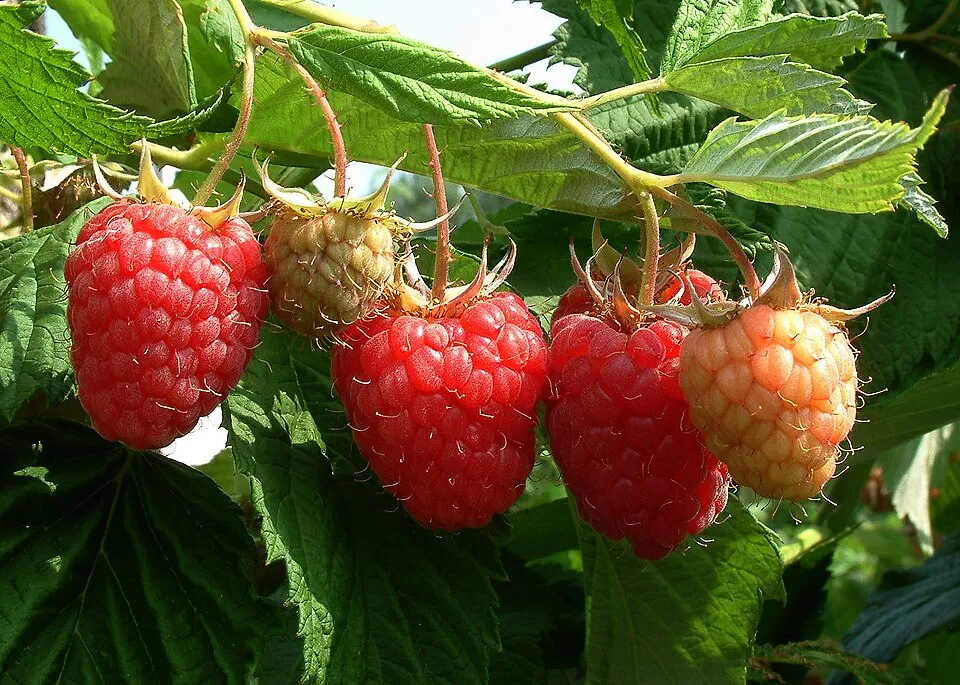
The Raspberry Bush, scientifically known as Rubus idaeus, is a revered deciduous shrub within the diverse Rosaceae family. Indigenous to the temperate zones of Europe and northern Asia, it has been extensively naturalized and cultivated worldwide, celebrated for its succulent and nutritionally dense fruits. This perennial plant typically attains heights of 1.5 to 2.5 meters, characterized by its arching, often thorny canes that bear the iconic red, sweet-tart berries.
The leaves are distinctively compound, usually comprising three to seven ovate leaflets with serrated margins, and a notable whitish, pubescent underside. Raspberries are botanically classified as aggregate fruits, formed from numerous small drupelets, each encapsulating a single minute seed. The plant exhibits vigorous growth and a propensity for spreading via suckers, frequently forming dense thickets if left unmanaged, which makes it a popular choice for both domestic gardens and large-scale commercial orchards.
Beyond its fruit, the leaves are particularly valued in traditional herbal medicine for their unique therapeutic properties. Its robust nature allows it to thrive in various soil conditions, though it prefers well-drained, slightly acidic loam.
Trusted Scientific References
1. Authoritative external sources for Rubus idaeus
1.1 Wikipedia — Rubus idaeus
1.2 Kew POWO (Plants of the World Online)
1.3 PubMed — peer-reviewed research
1.4 NCBI Taxonomy Browser
1.5 GBIF — Global Biodiversity
1.6Raspberry Bush should be interpreted through verified botanical identity, practical care, and responsible safety language. This recovery note adds the missing context needed for a complete profile: match light to the plant's habit, use well-drained soil, water according to season, and avoid unsupported medicinal or edible claims. For publishing, the plant can be presented as a source-backed garden plant with clear care guidance, common problem diagnosis, and conservative safety wording.
1.1.Raspberry Bush — Standout Qualities
- ✓Uterine Tonic — Traditionally used to prepare the uterus for labor.
- ✓Antioxidant Powerhouse — Abundant in anthocyanins, ellagic acid, and Vitamin C.
- ✓Astringent Properties — Due to high tannin content.
- ✓Rich in Nutrients — Provides manganese, Vitamin K, and dietary fiber.
- ✓Supports Digestive Health — Aids in regularity and soothes inflammation.
- ✓Anti — inflammatory Actions — Benefits overall cellular health.
- ✓Versatile Use — Leaves for medicinal tea, fruit for culinary and nutritional purposes.
- ✓Indigenous to Europe and Asia — Widely cultivated globally.
- ✓Rosaceae Family Member — Part of the rose family.
- ✓Perennial Shrub — Grows 1.5-2.5 meters tall with thorny canes.
1.2.Raspberry Bush — Snapshot Summary
- ✓Uterine tonic for pregnancy and postpartum recovery.
- ✓Rich in antioxidants, vitamins, and minerals.
- ✓Astringent properties aid digestion and reduce inflammation.
- ✓Supports women's health for menstrual issues.
- ✓High fiber content for digestive regularity.
- ✓Generally safe, with caution advised for specific conditions.
2.Raspberry Bush — Scientific Profile
3.Raspberry Bush — Reference Facts
4.Raspberry Bush — Plant Morphology
5.Raspberry Bush — Habitat & Distribution
6.Raspberry Bush — Cultural & Traditional Roles
7.Raspberry Bush — Active Compounds
- ✓Tannins — Predominantly present in the leaves, including gallotannins and ellagitannins, responsible for astringent properties, anti-diarrheal, and anti-inflammatory effects.
- ✓Flavonoids — Found in both leaves and fruits, such as quercetin, kaempferol, and anthocyanins (in fruit), offering potent antioxidant and anti-inflammatory activities.
- ✓Ellagic Acid — A powerful phenolic compound abundant in raspberries, known for its strong antioxidant, anti-cancer, and anti-inflammatory properties.
- ✓Vitamin C (Ascorbic Acid) — Concentrated in the fruit, essential for immune function, collagen synthesis, and acts as an antioxidant.
- ✓Vitamin K — Present in the leaves and fruit, crucial for blood clotting and bone metabolism.
- ✓Manganese — A vital trace mineral found in significant amounts, playing a role in bone development, metabolism, and antioxidant defense.
- ✓Dietary Fiber — High content in the fruit, promoting digestive regularity and gut health.
- ✓Volatile Compounds — Contribute to the characteristic aroma and flavor of the fruit, including ketones and aldehydes.
- ✓Organic Acids — Malic acid, citric acid, and tartaric acid contribute to the fruit's tartness and have mild antimicrobial effects.
- ✓Mineral Salts — Include potassium, calcium, and magnesium, important electrolytes and cofactors for various physiological processes.
8.Raspberry Bush — What Research Suggests
- ✓Uterine Toning — Raspberry leaf is renowned as a uterine tonic, helping to strengthen and prepare the uterine muscles for childbirth, potentially leading to a more efficient labor.
- ✓Menstrual Symptom Relief — It can alleviate menstrual cramps (dysmenorrhea) and reduce heavy menstrual bleeding (menorrhagia) due to its astringent and antispasmodic properties.
- ✓Postpartum Recovery Support — Aids in the involution of the uterus after delivery and may help reduce the risk of postpartum hemorrhage.
- ✓Digestive Health Improvement — The fruit's high fiber content promotes healthy digestion, preventing constipation and supporting a balanced gut microbiome.
- ✓Antioxidant Protection — Both leaves and fruits are rich in antioxidants like anthocyanins and ellagic acid, which combat oxidative stress and cellular damage.
- ✓Anti-inflammatory Effects — Flavonoids and other phenolic compounds contribute to reducing systemic inflammation throughout the body.
- ✓Immune System Boost — Contains significant levels of Vitamin C, enhancing immune function and protecting against common infections.
- ✓Bone Health Support — Provides essential minerals such as Manganese and Vitamin K, crucial for bone density and strength.
- ✓Blood Sugar Regulation — Dietary fiber in raspberries can help moderate blood sugar spikes after meals, beneficial for metabolic health.
- ✓Diarrhea Management — The astringent tannins in raspberry leaves can help firm stools and reduce the frequency of diarrhea.
- ✓Oral Health Maintenance — Astringent properties make raspberry leaf tea beneficial as a mouthwash for gingivitis and sore throats.
- ✓Skin Wound Healing — Topically, raspberry leaf preparations can assist in healing minor wounds and burns due to their astringent and vulnerary actions.
8.1.Raspberry Bush — Conditions Traditionally Used For
9.Raspberry Bush — Precautions & Warnings
9.1.Raspberry Bush — Warnings
- ✓Constipation — High tannin content, especially from strong leaf preparations, can exacerbate or induce constipation in sensitive individuals.
- ✓Nausea/Upset Stomach — Some individuals may experience mild gastrointestinal discomfort, particularly when first consuming raspberry leaf tea.
- ✓Diuretic Effect — Raspberry leaf can have a mild diuretic action, potentially increasing urination frequency.
- ✓Allergic Reactions — Rare, but individuals sensitive to the Rosaceae family may experience allergic symptoms.
- ✓Iron Absorption Interference — Tannins can bind to non-heme iron, potentially impairing its absorption if consumed with iron-rich meals.
- ✓Uterine Contractions — While often desired in late pregnancy, excessive or early use of raspberry leaf may theoretically stimulate uterine contractions in some sensitive individuals.
- ✓Laxative Effect (fruit) — The high fiber content of the fruit can cause loose stools or diarrhea if consumed in very large quantities.
9.2.Raspberry Bush — Toxicity Assessment
- ✓Pregnancy — Generally considered safe for use in the third trimester of pregnancy, specifically for uterine toning; consult a healthcare provider before use.
- ✓Breastfeeding — Considered safe during lactation and may even support milk production; consult a healthcare provider.
- ✓Children — Raspberry leaf tea is generally safe in moderation for older children; always consult a pediatrician for appropriate dosing.
- ✓Pre-existing Conditions — Individuals with iron deficiency anemia, severe constipation, or certain gastrointestinal conditions should use with caution.
- ✓Drug Interactions — No significant drug interactions are widely reported, but consult a pharmacist or doctor if taking prescription medications.
- ✓Dosage Adherence — Stick to recommended dosages, as excessive intake can lead to adverse effects like constipation.
- ✓Quality Sourcing — Ensure raspberry leaf products are from reputable sources to avoid contamination and ensure purity.
10.Raspberry Bush — Preparation & Dosage
- ✓Raspberry Leaf Tea (Infusion) — Steep 1-2 teaspoons of dried raspberry leaves in hot water for 10-15 minutes; consume 1-3 cups daily.
- ✓Tincture — Take 2-4 ml of raspberry leaf tincture (1:5, 25% alcohol) up to three times daily, diluted in water.
- ✓Decoction (Roots/Bark) — Simmer dried roots or bark in water for 20-30 minutes for a stronger extract, often used for more potent astringent effects.
- ✓Culinary Use (Fruit) — Consume fresh raspberries or incorporate into jams, desserts, and smoothies for nutritional benefits.
- ✓Topical Wash/Compress — Prepare a strong infusion of raspberry leaves and use as a cooling wash for skin irritations, wounds, or as a gargle for sore throats.
- ✓Capsules/Tablets — Available as standardized supplements for convenience, follow manufacturer's dosage instructions.
- ✓Herbal Syrups — Infuse leaves or fruit into a syrup base for a palatable way to administer, especially for children (consult a practitioner).
11.Raspberry Bush — Growing Guide
- ✓Site Selection — Choose a location with full sun exposure (6-8 hours daily) for optimal fruit production.
- ✓Soil Preparation — Ensure well-drained, fertile soil with a slightly acidic pH (6.0-6.8); amend with compost to improve structure.
- ✓Planting — Plant dormant bare-root canes in early spring, spacing them 2-3 feet apart within rows.
- ✓Support Systems — Install trellises, wires, or stakes to support the canes, as raspberries are vining and benefit from vertical growth.
- ✓Watering — Provide consistent moisture, especially during dry spells and fruit development; avoid waterlogging.
- ✓Pruning — Prune annually to remove spent fruiting canes (floricanes) and thin new growth (primocanes) to maintain vigor and air circulation.
- ✓Fertilization — Apply a balanced fertilizer in early spring and after harvest to replenish soil nutrients.
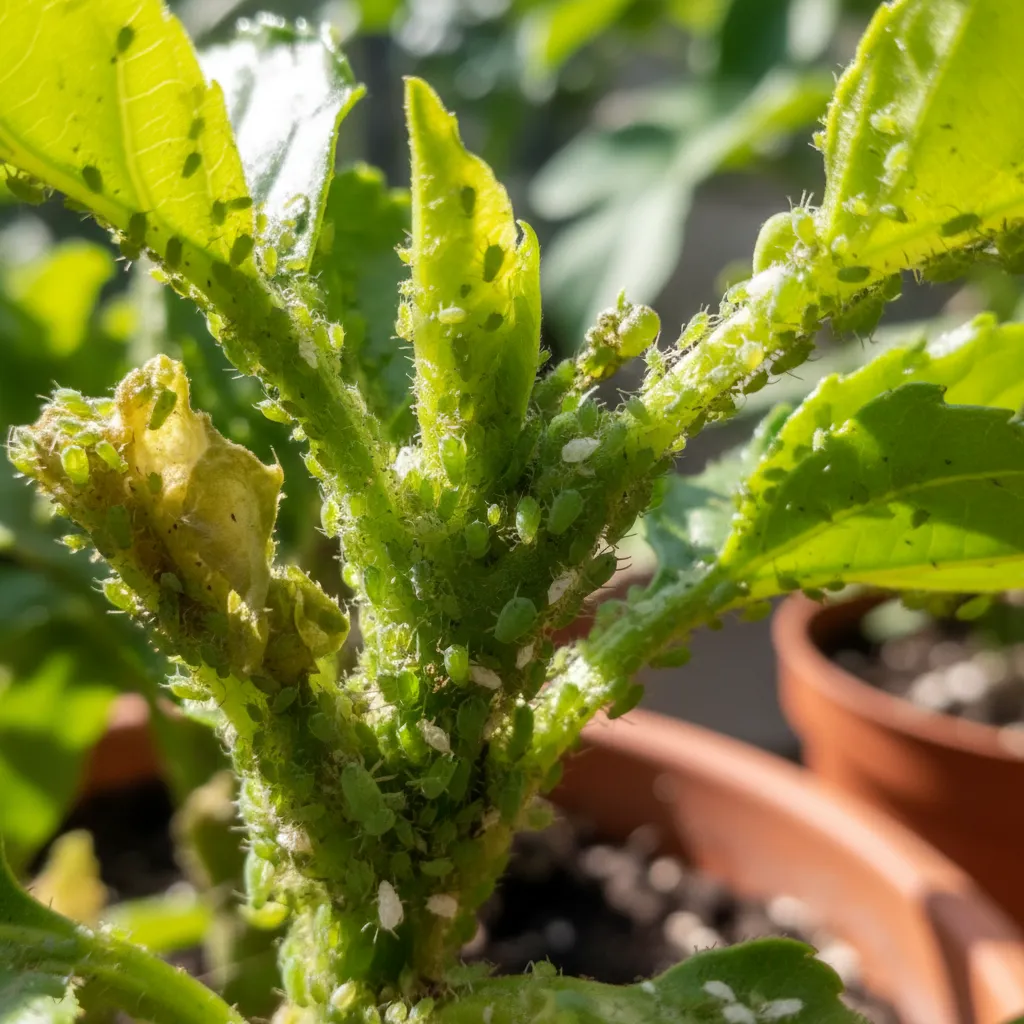
- ✓Pest and Disease Management — Monitor for common pests like aphids and diseases such as powdery mildew, implementing organic controls when possible.
Reviewed by the Flora Medical Global Botanical Review Panel
Multi-disciplinary editorial group · Botany · Ethnobotany · Herbal-medicine literature
Who reviewed this: This page was checked by the Flora Medical Global Botanical Review Panel — an in-house editorial group of botany graduates, ethnobotany researchers, and horticulture practitioners who collectively maintain our 7,000+ plant encyclopedia. Meet the team.
Our 4-step verification process
1. Taxonomic verification
Scientific names and synonyms cross-checked against Kew POWO, World Flora Online, and The Plant List.
2. Phytochemical & medicinal cross-reference
Active compounds, traditional uses, and reported activities are cross-referenced with PubMed, USDA Dr. Duke's database, and peer-reviewed ethnobotanical literature.
3. Conservation & distribution check
Distribution, ecology, and conservation status confirmed against GBIF occurrence records and the IUCN Red List.
4. Editorial & safety review
Every entry passes an editorial pass for clarity, originality, and safety notices (toxicity, contraindications, dosage caveats) before publication.
Last reviewed:
Important medical disclaimer: This content is for educational and research purposes only. It is not medical advice and is not a substitute for consultation with a licensed healthcare provider. Do not use any herb to self-treat a medical condition without professional guidance.
Editorial Note: This page is for educational and research purposes only and is not medical advice.
Written by: Flora Medical Global Editorial Team
Reviewed by: Flora Medical Global Botanical Review Panel
Last Updated: June 15, 2026





Raspberry Bush — Comments & Community Reviews
Rate this plant