


Medical Disclaimer: This content is for educational purposes only. It is not medical advice. Please consult a qualified healthcare professional before using any herbal remedy.
Safety Overview
1.Ratibida Columnifera — Overview
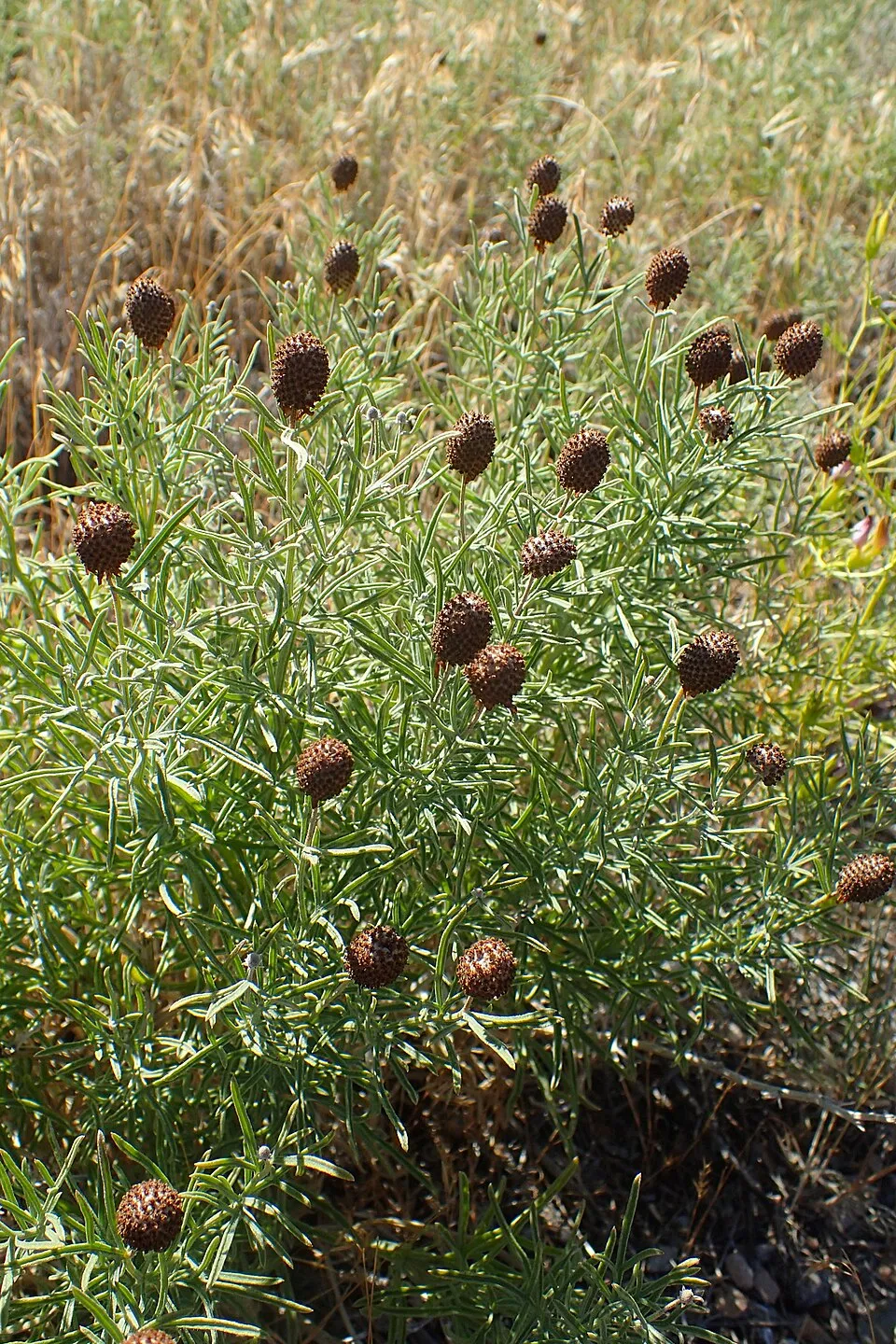
Ratibida columnifera, widely recognized as Mexican Hat or Prairie Coneflower, is a distinctive perennial herbaceous plant belonging to the Asteraceae family. Native across a vast range from Canada down through the central and western United United States, extending into Mexico, it thrives in prairies, plains, meadows, and along roadsides. This species is characterized by its unique flower structure: ray florets that are typically three to seven, conspicuously reflexed downwards, creating a sombrero-like appearance.
These rays can display vibrant yellow, reddish-brown, or striking bicolored patterns. The central disk is a prominent, elongated, often dark reddish-brown cone, measuring between 12 to 50 millimeters high, significantly protruding above the drooping petals.
The plant typically reaches heights of 30 to 90 centimeters (1 to 3 feet), featuring one to several branched stems. Its leaves are deeply pinnatifid to bipinnatifid, giving them a feathery texture, and are concentrated primarily in the lower sections of the stem. Ratibida columnifera possesses a robust taproot system, contributing to its notable drought tolerance and ability to thrive in poor, well-drained soils, including calcareous or loamy types.
Its long blooming season, from early summer to fall, makes it a valuable species for ecological restoration projects, xeriscaping, and native plant gardens, where it attracts a diverse array of pollinators like native bees, butterflies, and other beneficial insects. Despite its aggressive growth habit in favorable conditions, it is a cherished component of native ecosystems.
Trusted Scientific References
1. Authoritative external sources for Ratibida Columnifera
1.1 Wikipedia — Ratibida Columnifera
1.2 Kew POWO (Plants of the World Online)
1.3 PubMed — peer-reviewed research
1.4 NCBI Taxonomy Browser
1.5 GBIF — Global Biodiversity
1.6Ratibida Columnifera should be interpreted through verified botanical identity, practical care, and responsible safety language. This recovery note adds the missing context needed for a complete profile: match light to the plant's habit, use well-drained soil, water according to season, and avoid unsupported medicinal or edible claims. For publishing, the plant can be presented as a source-backed garden plant with clear care guidance, common problem diagnosis, and conservative safety wording.
1.1.Ratibida Columnifera — Key Features
- ✓Distinctive sombrero — shaped flowers with reflexed ray florets.
- ✓Prominent, elongated central disk in dark reddish — brown.
- ✓Native to central — Native to central and western North America, including Canada and Mexico.
- ✓Belongs to the — Belongs to the Asteraceae (Daisy) family.
- ✓Perennial herbaceous plant, typically 1 — 3 feet tall.
- ✓Drought — tolerant and adaptable to various well-drained soil types.
- ✓Long blooming season — Long blooming season from summer to fall.
- ✓Attracts a wide — Attracts a wide array of pollinators, including bees and butterflies.
- ✓Historically used in — Historically used in traditional Native American medicine.
- ✓Contains bioactive compounds — Contains bioactive compounds like flavonoids and sesquiterpene lactones.
1.2.Ratibida Columnifera — In Brief
- ✓Mexican Hat is a perennial wildflower known for its unique sombrero-like flowers.
- ✓Traditionally used by Native Americans for headaches, fevers, stomach issues, and skin ailments.
- ✓Contains beneficial compounds like flavonoids, sesquiterpenes, and phenolic acids.
- ✓Highly valued in landscaping for its drought tolerance and pollinator attraction.
- ✓Requires full sun and well-drained soil, easy to grow from seed.
- ✓Exercise caution with internal use; potential for allergic reactions.
2.Ratibida Columnifera — Systematic Position
3.Ratibida Columnifera — Reference Facts
4.Ratibida Columnifera — Morphological Account
5.Ratibida Columnifera — Habitat & Distribution
6.Ratibida Columnifera — Cultural & Traditional Roles
7.Ratibida Columnifera — Secondary Metabolites
- ✓Flavonoids — Include quercetin and kaempferol derivatives, known for antioxidant and anti-inflammatory activities.
- ✓Sesquiterpene Lactones — Such as columniferin, potentially responsible for anti-inflammatory and cytotoxic effects.
- ✓Terpenes — A diverse group of organic compounds contributing to the plant's aroma and potential therapeutic properties.
- ✓Essential Oils — Comprising various monoterpenes and sesquiterpenes, offering antimicrobial and insect-repellent actions.
- ✓Phenolic Compounds — Including phenolic acids and tannins, strong antioxidants that contribute to the plant's defense mechanisms.
- ✓Alkaloids — Present in trace amounts, some may exert pharmacological effects.
- ✓Saponins — Glycosides that can have expectorant and anti-inflammatory properties.
- ✓Coumarins — May possess anticoagulant, anti-inflammatory, and antimicrobial activities.
- ✓Polysaccharides — Contribute to immune modulation and general tonic effects.
- ✓Fatty Acids — Essential components of plant lipids, important for cellular function.
8.Ratibida Columnifera — Modern Studies
- ✓Anti-inflammatory — Traditional applications suggest relief from localized pain and swelling due to potential anti-inflammatory compounds like sesquiterpene lactones.
- ✓Analgesic — Used historically to alleviate headaches and general body aches, possibly through interaction with pain pathways.
- ✓Antipyretic — Native American tribes utilized infusions to reduce fevers, indicating a traditional role in temperature regulation.
- ✓Gastrointestinal Relief — Teas made from the stalks and leaves were employed to soothe stomachaches and alleviate other digestive discomforts.
- ✓Antimicrobial — The plant's compounds are believed to possess properties that can combat bacterial or fungal infections, supporting its use in skin preparations.
- ✓Wound Healing — Applied externally as poultices for skin irritations and snake bites, suggesting potential for promoting tissue repair and reducing infection.
- ✓Detoxification (External) — Historically used as a wash to draw out poisons, such as from rattlesnake bites, indicating a traditional belief in its purifying properties.
- ✓Antiseptic — The presence of essential oils and phenolic compounds may contribute to its ability to clean and protect minor cuts and abrasions from infection.
- ✓Dermatological Support — Decoctions were used to treat skin conditions like poison ivy rash, implying soothing and anti-itch properties.
- ✓Immune Modulatory — While not fully explored, some plant compounds can influence immune responses, potentially supporting overall health.
8.1.Ratibida Columnifera — Conditions Traditionally Used For
9.Ratibida Columnifera — Precautions & Warnings
9.1.Ratibida Columnifera — Reported Side Effects
- ✓Allergic Reactions — Individuals sensitive to the Asteraceae family may experience skin rash, itching, or respiratory issues.
- ✓Gastrointestinal Upset — High doses or prolonged internal use may lead to nausea, vomiting, or stomach discomfort.
- ✓Skin Irritation — Direct application of fresh plant material may cause contact dermatitis in sensitive individuals.
- ✓Photosensitivity — Some plant compounds can increase sensitivity to sunlight, especially with topical use.
- ✓Potential for Liver Toxicity — As with many herbal remedies, excessive use without guidance could theoretically impact liver function.
- ✓Drug Interactions — May interact with certain medications, particularly those affecting blood clotting or liver enzymes.
- ✓Pregnancy & Lactation — Avoid use during pregnancy and breastfeeding due to insufficient safety data.
9.2.Ratibida Columnifera — Clinical Safety Notes
- ✓Patch Test — Always perform a patch test before extensive topical application to check for skin sensitivity.
- ✓Consult a Professional — Seek advice from a healthcare provider or qualified herbalist before internal use, especially if pregnant, nursing, or on medication.
- ✓Dosage Adherence — Strictly follow recommended dosages to avoid potential adverse effects.
- ✓Avoid if Allergic — Do not use if known allergy to Asteraceae (Daisy) family plants exists.
- ✓Internal Use Caution — Exercise caution with internal use, as long-term effects and interactions are not fully studied.
- ✓Children & Pets — Keep out of reach of children and pets; not recommended for internal use in these groups without expert guidance.
- ✓Harvest Responsibly — Ensure plant identification is accurate to avoid mistaken identity with toxic species.
10.Ratibida Columnifera — Preparation & Dosage
- ✓Herbal Tea (Leaves) — Infuse dried leaves in hot water for internal use to address headaches, fevers, and stomach ailments.
- ✓Herbal Tea (Flowers) — Prepare an infusion from dried flower heads for similar internal benefits, particularly for headaches.
- ✓Decoction (Leaves & Stems) — Boil fresh or dried leaves and stems to create a stronger liquid for external washes, such as for snake bites or skin irritations.
- ✓Poultice (Crushed Leaves/Flowers) — Crush fresh leaves and flowers and apply directly to skin irritations, wounds, or painful areas for localized relief.
- ✓Tincture — Extract active compounds by soaking plant material in alcohol, suitable for internal or external application in diluted form.
- ✓Herbal Compress — Soak a cloth in a strong decoction and apply to affected areas for sustained topical treatment.
- ✓Herbal Bath — Add a strong infusion or decoction to bathwater for full-body relief from skin conditions or general aches.
- ✓Essential Oil Extraction — Though less common for home use, essential oils can be extracted for aromatherapy or topical application (diluted).
11.Ratibida Columnifera — Growing Guide
- ✓Seed Sowing — Best sown directly outdoors in late fall or early spring, or cold stratified for spring planting.
- ✓Sun Exposure — Requires full sun, ideally at least 6 hours of direct sunlight daily, for optimal growth and flowering.
- ✓Soil Preference — Thrives in well-drained to dry soil, tolerating a wide range of soil types including poor, sandy, calcareous, or loamy.
- ✓Water Requirements — Highly drought-tolerant once established; requires low to moderate water, making it suitable for xeriscaping.
- ✓Spacing — Allow adequate space between plants, as it can grow aggressively and spread.
- ✓Germination — Optimal germination temperatures are between 20-30°C (68-86°F), with germination typically occurring within two days.
- ✓Maintenance — Low maintenance, generally not requiring fertilization; deadheading can prolong blooming.
- ✓Pest and Disease — Generally resistant to most common pests and diseases, due to its robust nature.
Reviewed by the Flora Medical Global Botanical Review Panel
Multi-disciplinary editorial group · Botany · Ethnobotany · Herbal-medicine literature
Who reviewed this: This page was checked by the Flora Medical Global Botanical Review Panel — an in-house editorial group of botany graduates, ethnobotany researchers, and horticulture practitioners who collectively maintain our 7,000+ plant encyclopedia. Meet the team.
Our 4-step verification process
1. Taxonomic verification
Scientific names and synonyms cross-checked against Kew POWO, World Flora Online, and The Plant List.
2. Phytochemical & medicinal cross-reference
Active compounds, traditional uses, and reported activities are cross-referenced with PubMed, USDA Dr. Duke's database, and peer-reviewed ethnobotanical literature.
3. Conservation & distribution check
Distribution, ecology, and conservation status confirmed against GBIF occurrence records and the IUCN Red List.
4. Editorial & safety review
Every entry passes an editorial pass for clarity, originality, and safety notices (toxicity, contraindications, dosage caveats) before publication.
Last reviewed:
Important medical disclaimer: This content is for educational and research purposes only. It is not medical advice and is not a substitute for consultation with a licensed healthcare provider. Do not use any herb to self-treat a medical condition without professional guidance.
Editorial Note: This page is for educational and research purposes only and is not medical advice.
Written by: Flora Medical Global Editorial Team
Reviewed by: Flora Medical Global Botanical Review Panel
Last Updated: June 15, 2026





Ratibida Columnifera — Comments & Community Reviews
Rate this plant