
Medical Disclaimer: This content is for educational purposes only. It is not medical advice. Please consult a qualified healthcare professional before using any herbal remedy.
Safety Overview
1.Rauwolfia Vomitoria — At a Glance
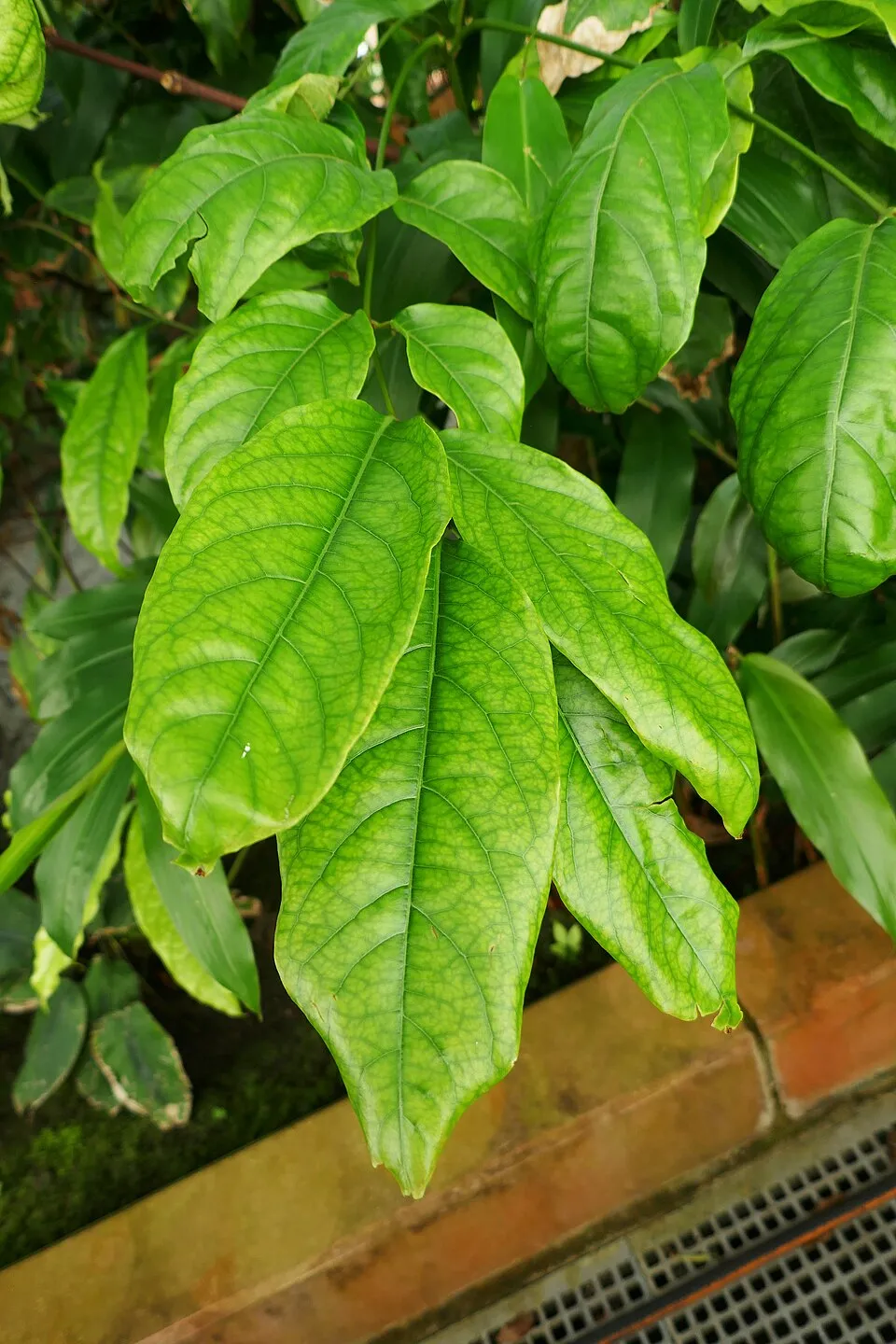
Rauvolfia vomitoria, commonly known as Rauwolfia vomitoria or African Serpentwood, is a significant tropically grown shrub native to West Africa, thriving particularly in countries like Nigeria, Ghana, and Cameroon. This resilient member of the Apocynaceae family typically attains a height of 1.5 to 3 meters, though it can occasionally grow taller, developing into a small tree. Its morphology is characterized by lush, simple leaves that are oval to elliptical, measuring approximately 10 to 20 cm in length and 5 to 10 cm in width. The leaf margins are smooth, and their upper surface presents a glossy, dark green hue, contrasting sharply with a paler underside.
The plant's reproductive structures include small, fragrant, tubular flowers, predominantly white to pale yellow, which are arranged in distinctive axillary clusters. Each flower possesses five lobes, which are strongly fused at the base to form a corolla. The bark of Rauvolfia vomitoria is notable for its greyish-brown coloration and rough texture, adding to its unique appearance. This species flourishes in humid, tropical climates, often found in the understory of forests or along the banks of rivers, indicating its preference for well-drained, fertile soils.
Taxonomically, it belongs to the kingdom Plantae, clade Angiosperms, clade Eudicots, and order Gentianales, placing it within a family well-regarded for its diverse array of bioactive alkaloids. Historically, Rauvolfia vomitoria has captured the attention of both traditional healers and modern researchers due to its rich ethnomedicinal heritage, particularly for its traditional applications in managing hypertension and various mental health conditions. This unique plant stands as both a striking component of its native flora and a valuable herbal resource in the realm of ethnomedicine.
Trusted Scientific References
1. Authoritative external sources for Rauvolfia vomitoria
1.1 Wikipedia — Rauvolfia vomitoria
1.2 Kew POWO (Plants of the World Online)
1.3 PubMed — peer-reviewed research
1.4 NCBI Taxonomy Browser
1.5 GBIF — Global Biodiversity
1.1.Rauwolfia Vomitoria — Highlights
- ✓Botanical Name — Rauvolfia vomitoria, also known as African Serpentwood or African Snakeroot.
- ✓Family Affiliation — Belongs to the Apocynaceae family, known for producing diverse alkaloids.
- ✓Geographic Origin — Native to West Africa, thriving in humid, tropical environments.
- ✓Primary Active Compounds — Rich in indole alkaloids, most notably reserpine, rescinnamine, and ajmaline.
- ✓Traditional Uses — Historically employed for hypertension, mental disorders, fevers, and as a sedative.
- ✓Potent Pharmacological Effects — Exerts significant effects on the cardiovascular and central nervous systems.
- ✓Cautious Use — Identified as possibly unsafe due to a range of severe potential side effects.
- ✓Regulatory Status — Banned in some workout supplements due to potent prescription-drug level chemicals.
- ✓Morphology — Characterized by glossy dark green leaves, small white-yellow flowers, and rough greyish-brown bark.
- ✓Habitat Preference — Grows in forests and along river banks, preferring well-drained, fertile soils.
1.2.Rauwolfia Vomitoria — In Brief
- ✓Potent African medicinal shrub with a rich history in traditional medicine.
- ✓Known for high alkaloid content, especially reserpine, with significant pharmacological activity.
- ✓Traditionally used for hypertension, mental disorders, fever, and pain relief.
- ✓Scientific evidence for many traditional uses is insufficient, and safety is a major concern.
- ✓Contains compounds that can profoundly affect cardiovascular and nervous systems.
- ✓POSSIBLY UNSAFE due to serious side effects like irregular heartbeat, severe hypotension, and mental health exacerbation.
2.Rauwolfia Vomitoria — Botanical Identity
3.Rauwolfia Vomitoria — Fact Sheet
4.Rauwolfia Vomitoria — Botanical Description
5.Rauwolfia Vomitoria — Native Range & Habitat
6.Rauwolfia Vomitoria — Traditional Uses
7.Rauwolfia Vomitoria — Key Phytochemicals
- ✓Indole Alkaloids — Primarily features reserpine, which acts as a potent antihypertensive and tranquilizer by depleting catecholamines and serotonin from nerve endings. Other notable alkaloids include rescinnamine, ajmaline, serpentine, and yohimbine, each contributing to the plant's diverse pharmacological profile.
- ✓Flavonoids — A group of polyphenolic compounds known for their antioxidant and anti-inflammatory properties, which may contribute to the plant's overall health benefits and protective effects.
- ✓Saponins — These glycosides exhibit surfactant properties and have been associated with cholesterol-lowering, immune-modulating, and sometimes cytotoxic activities.
- ✓Tannins — Possess astringent properties and are known for their antioxidant, antimicrobial, and anti-inflammatory effects, contributing to wound healing and gut health.
- ✓Glycosides — Various glycosides are present, which can have diverse biological activities depending on their aglycone and sugar moieties, including cardiac and purgative actions.
- ✓Phenolic Acids — Naturally occurring compounds with antioxidant and anti-inflammatory benefits, contributing to the plant's protective mechanisms against oxidative stress.
- ✓Sterols — Plant sterols, such as beta-sitosterol, are known for their potential to lower cholesterol levels and support prostate health.
- ✓Fatty Acids — Essential and non-essential fatty acids are present, contributing to the plant's nutritional value and potentially influencing cellular membrane integrity and inflammatory responses.
- ✓Volatile Oils — Minor constituents that contribute to the plant's aroma and may possess antimicrobial and insecticidal properties.
8.Rauwolfia Vomitoria — Scientific Evidence
- ✓Blood Pressure Regulation — Traditionally utilized to lower high blood pressure by potentially influencing cardiovascular function and reducing heart rate, though caution is advised due to potent effects.
- ✓Anxiolytic Effects — Historically employed to alleviate symptoms of anxiety and nervous tension, attributed to its alkaloid content that may exert calming actions on the central nervous system.
- ✓Antipsychotic Properties — Used in traditional medicine for managing certain mental conditions, with some compounds thought to modulate neurotransmitter activity, similar to pharmaceutical antipsychotics.
- ✓Analgesic Activity — Indigenous communities have applied this plant for pain relief, suggesting potential antinociceptive properties that may interact with pain pathways.
- ✓Anti-inflammatory Action — Extracts have shown traditional use in reducing inflammation, possibly through modulation of inflammatory mediators in the body.
- ✓Antimicrobial Defense — Traditionally applied against various infections, indicating potential antibacterial and antiviral properties of its phytochemicals.
- ✓Antidiabetic Support — Some traditional practices suggest its use in managing blood sugar levels, though scientific evidence is limited and caution is paramount.
- ✓Antineoplastic Potential — Preliminary research indicates certain compounds may possess activity against cancer cells, warranting further investigation into its cytotoxic mechanisms.
- ✓Fever Reduction — Employed traditionally as an antipyretic to help reduce fever, possibly by influencing thermoregulatory centers in the body.
- ✓Brain Function Support — Though specific mechanisms are not fully clear, traditional uses point to effects on brain function, which could relate to its impact on neurological pathways.
- ✓Sedative Properties — Can induce a calming and sedative effect, useful in traditional remedies for promoting relaxation and aiding sleep, due to central nervous system depression.
- ✓Diuretic Action — May possess mild diuretic properties, assisting in fluid balance and potentially contributing to its traditional use in blood pressure management.
8.1.Rauwolfia Vomitoria — Indications & Uses
9.Rauwolfia Vomitoria — Safety & Side Effects
9.1.Rauwolfia Vomitoria — Warnings
- ✓Severe Hypotension — Can cause dangerously low blood pressure, especially when combined with other antihypertensive medications.
- ✓Bradycardia and Arrhythmia — May lead to a significantly slowed heart rate or irregular heartbeats, increasing the risk of cardiac events.
- ✓Central Nervous System Depression — Can induce profound drowsiness, sedation, shakiness, or jerky movements, and may worsen depression or anxiety.
- ✓Gastrointestinal Distress — Commonly causes stomach irritation, nausea, vomiting, diarrhea, and can exacerbate peptic ulcers or GI inflammation.
- ✓Seizures — High doses or sensitive individuals may experience seizures due to its potent neurological effects.
- ✓Psychiatric Disturbances — Potential to induce or worsen depression, anxiety, and psychosis, particularly due to its impact on neurotransmitter levels.
- ✓Heart Attack Risk — In rare cases, severe cardiovascular effects can increase the risk of heart attack.
9.2.Rauwolfia Vomitoria — Safety Overview
- ✓Pregnancy and Breast-feeding — POSSIBLY UNSAFE. Contains chemicals that may cause birth defects and there's insufficient data on safety during lactation; avoid use.
- ✓Cardiovascular Disease — Use with extreme caution. Can cause unpredictable fluctuations in blood pressure and heart rate, increasing risk for heart disease patients.
- ✓Depression and Anxiety — Contraindicated. Can worsen symptoms of depression and anxiety due to its impact on neurotransmitter systems.
- ✓Gastrointestinal Conditions — Avoid if you have peptic ulcers, inflammatory bowel disease, or other GI irritations, as it can exacerbate these conditions.
- ✓Electrocunvulsive Therapy (ECT) — Contraindicated. Must be discontinued at least one week prior to ECT due to potential interactions and exacerbated side effects.
- ✓Gallstones and Pheochromocytoma — Contraindicated. May worsen gallbladder disease and is not safe for individuals with pheochromocytoma.
- ✓Surgery — Discontinue at least two weeks before scheduled surgery as it can affect blood sugar levels and interact with anesthetics.
10.Rauwolfia Vomitoria — Usage Guide
- ✓Decoction of Roots — Dried roots are boiled in water to extract active compounds, traditionally used for hypertension and nervous conditions. Dosage requires expert guidance.
- ✓Leaf Infusion — Fresh or dried leaves are steeped in hot water to prepare a tea, often used traditionally for fevers or as a mild sedative. Less potent than root preparations.
- ✓Tincture Preparation — Roots or bark are macerated in alcohol to create a concentrated liquid extract, allowing for precise dosing under professional supervision.
- ✓Powdered Form — Dried roots are ground into a fine powder, which can be encapsulated or mixed with food, primarily used in traditional African medicine, but with significant safety concerns.
- ✓Topical Application — Crushed leaves or root paste might be applied externally in some traditional practices for localized pain or skin conditions, though efficacy and safety are not well-established.
- ✓Bark Extracts — Bark is sometimes used in decoctions or tinctures, sharing similar traditional applications with root preparations, particularly for its alkaloid content.
- ✓Herbal Combinations — Often used in traditional formulations with other herbs to synergize effects or mitigate potential side effects, requiring deep traditional knowledge.
- ✓Standardized Extracts — Modern preparations aim for standardized alkaloid content, primarily reserpine, for controlled therapeutic use, available only by prescription in many regions.
11.Rauwolfia Vomitoria — Cultivation & Care
- ✓Climate Preference — Thrives in tropical and subtropical regions with high humidity and consistent warmth, ideally mimicking its native West African environment.
- ✓Soil Requirements — Prefers well-drained, fertile loamy soils rich in organic matter, with a slightly acidic to neutral pH range (6.0-7.0) for optimal growth.
- ✓Propagation — Can be propagated effectively from seeds, which require scarification, or vegetatively through stem cuttings for faster establishment and genetic consistency.
- ✓Light Exposure — Grows best in partial shade, especially when young, but mature plants can tolerate full sun in sufficiently moist conditions.
- ✓Watering — Requires consistent moisture, particularly during dry spells; ensure regular watering to prevent drought stress but avoid waterlogging.
- ✓Fertilization — Benefits from periodic application of balanced organic fertilizers or compost to support vigorous growth and alkaloid production.
- ✓Pests and Diseases — Generally robust, but monitor for common tropical plant pests like aphids or scale insects, and fungal diseases in overly humid conditions.
- ✓Harvesting — Roots are typically harvested from mature plants (2-3 years old) for medicinal use, while leaves can be collected as needed.
Reviewed by the Flora Medical Global Botanical Review Panel
Multi-disciplinary editorial group · Botany · Ethnobotany · Herbal-medicine literature
Who reviewed this: This page was checked by the Flora Medical Global Botanical Review Panel — an in-house editorial group of botany graduates, ethnobotany researchers, and horticulture practitioners who collectively maintain our 7,000+ plant encyclopedia. Meet the team.
Our 4-step verification process
1. Taxonomic verification
Scientific names and synonyms cross-checked against Kew POWO, World Flora Online, and The Plant List.
2. Phytochemical & medicinal cross-reference
Active compounds, traditional uses, and reported activities are cross-referenced with PubMed, USDA Dr. Duke's database, and peer-reviewed ethnobotanical literature.
3. Conservation & distribution check
Distribution, ecology, and conservation status confirmed against GBIF occurrence records and the IUCN Red List.
4. Editorial & safety review
Every entry passes an editorial pass for clarity, originality, and safety notices (toxicity, contraindications, dosage caveats) before publication.
Last reviewed:
Important medical disclaimer: This content is for educational and research purposes only. It is not medical advice and is not a substitute for consultation with a licensed healthcare provider. Do not use any herb to self-treat a medical condition without professional guidance.
Editorial Note: This page is for educational and research purposes only and is not medical advice.
Written by: Flora Medical Global Editorial Team
Reviewed by: Flora Medical Global Botanical Review Panel
Last Updated: June 15, 2026





Rauwolfia Vomitoria — Comments & Community Reviews
Rate this plant