
Medical Disclaimer: This content is for educational purposes only. It is not medical advice. Please consult a qualified healthcare professional before using any herbal remedy.
Safety Overview
1.Reishi — At a Glance
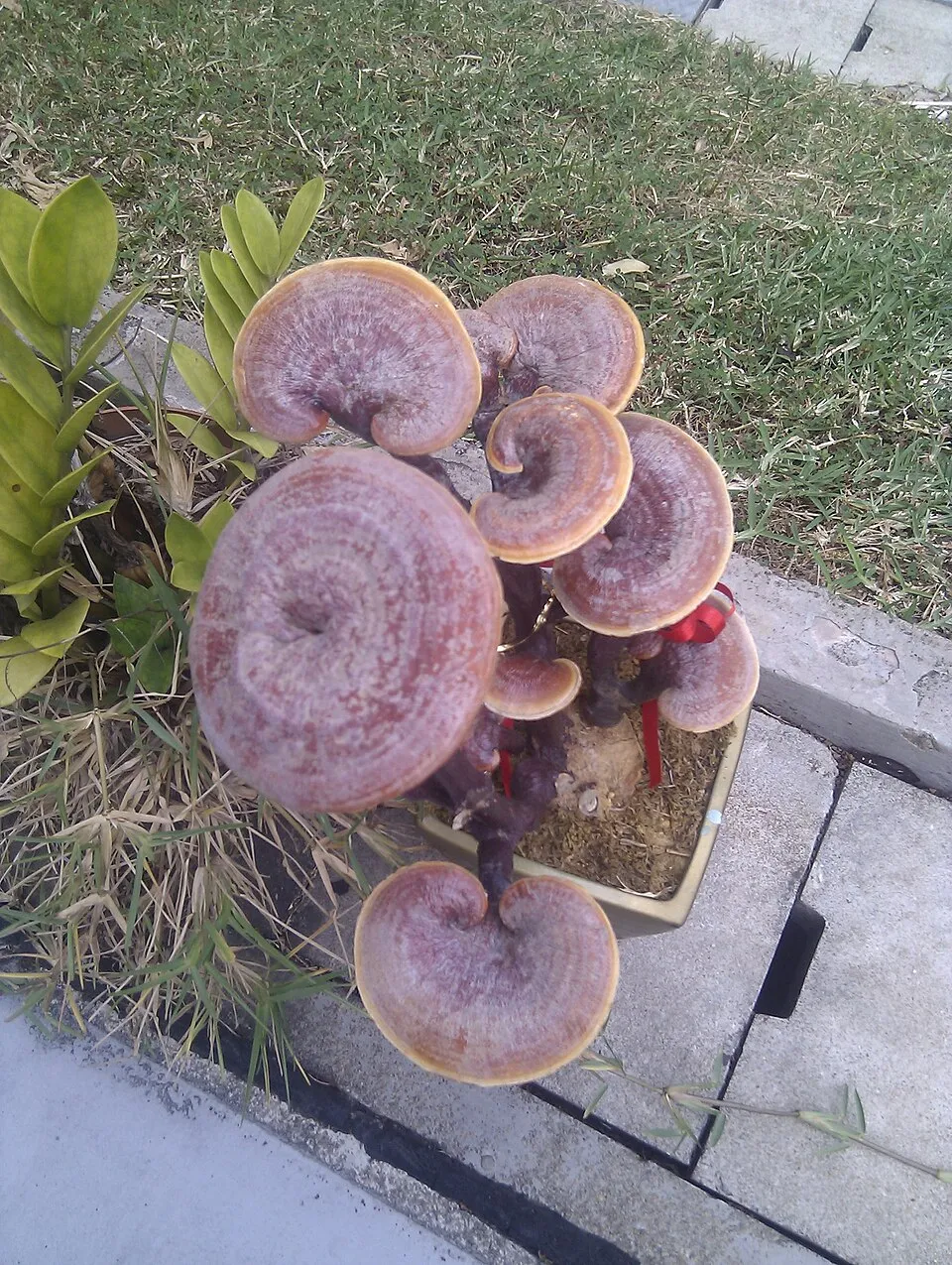
Reishi, scientifically known as Ganoderma lingzhi, is a revered species of polypore fungus belonging to the Ganodermataceae family, widely recognized for its distinctive morphology and profound medicinal value. This perennial fungus is characterized by its glossy, reddish-brown, kidney or fan-shaped caps that can extend up to 20 centimeters in diameter, often displaying concentric growth rings. The upper surface is smooth and shiny, while the underside features a porous, light tan hymenium rather than traditional gills, from which spores are released.
Reishi mushrooms possess a hard, woody texture, rendering them inedible in their raw state but ideal for medicinal extraction. Naturally, Ganoderma lingzhi thrives on dead or dying hardwood trees, particularly oak and maple, in temperate and subtropical forested regions across East Asia, including China, Japan, and Korea. It prefers humid conditions with indirect sunlight, often growing on tree trunks or stumps.
Taxonomically, it falls under the order Polyporales, and its classification has historically been complex, with Ganoderma lucidum often used interchangeably, though modern molecular studies increasingly differentiate species within the genus. The unique combination of triterpenoids and polysaccharides within Reishi contributes significantly to its health-promoting effects, making it a cornerstone of ethnopharmacology and a subject of extensive contemporary research. Its increasing demand has led to widespread cultivation, ensuring a sustainable supply of this powerful medicinal mushroom.
Trusted Scientific References
1. Authoritative external sources for Ganoderma lingzhi
1.1 Wikipedia — Ganoderma lingzhi
1.2 Kew POWO (Plants of the World Online)
1.3 PubMed — peer-reviewed research
1.4 NCBI Taxonomy Browser
1.5 GBIF — Global Biodiversity
1.6Reishi should be interpreted through verified botanical identity, practical care, and responsible safety language. This recovery note adds the missing context needed for a complete profile: match light to the plant's habit, use well-drained soil, water according to season, and avoid unsupported medicinal or edible claims. For publishing, the plant can be presented as a source-backed medicinal plant with clear care guidance, common problem diagnosis, and conservative safety wording.
1.1.Reishi — Distinguishing Points
- ✓Common Names — Lingzhi, Mannentake, 'Mushroom of Immortality,' 'Herb of Spiritual Potency.'
- ✓Distinct Appearance — Glossy, reddish-brown, kidney-shaped cap with a varnished surface.
- ✓Woody Texture — Not consumed raw; primarily used for medicinal extracts and preparations.
- ✓Adaptogenic Qualities — Enhances the body's ability to cope with physical and mental stressors.
- ✓Immunomodulatory Power — Supports and balances the immune system through various mechanisms.
- ✓Antioxidant Richness — Protects cells and tissues from damage caused by free radicals.
- ✓Hepatoprotective Benefits — Aids in supporting liver function and protecting against damage.
- ✓Cardiovascular Health Support — Contributes to maintaining healthy blood pressure and cholesterol levels.
- ✓Traditional Significance — Deeply rooted in Traditional Chinese Medicine for vitality and longevity.
- ✓Global Cultivation — Widely cultivated to meet increasing demand, ensuring sustainable supply.
1.2.Reishi — At-a-Glance Summary
- ✓Ancient Healing Mushroom — Revered in East Asia for over 2000 years as the 'Mushroom of Immortality'.
- ✓Potent Adaptogen — Helps the body manage stress and promotes overall physiological balance.
- ✓Immune System Support — Rich in beta-glucans, it modulates and strengthens immune responses.
- ✓Key Bioactive Compounds — Contains beneficial triterpenoids and polysaccharides for diverse health benefits.
- ✓Versatile Usage — Available as extracts, powders, teas, and capsules for various applications.
- ✓Generally Safe — Well-tolerated by most, but caution advised for specific medical conditions and medications.
2.Reishi — Scientific Identity
3.Reishi — Fact Sheet
4.Reishi — Botanical Features
5.Reishi — Ecological Habitat
6.Reishi — Folk Medicine Applications
7.Reishi — Chemical Profile
- ✓Triterpenoids — Key compounds like ganoderic acids, lucidenic acids, and ganodermanontriol contribute to Reishi's bitter taste and exhibit anti-inflammatory, anti-tumor, and hepatoprotective activities.
- ✓Polysaccharides — Primarily beta-D-glucans, these complex carbohydrates are potent immunomodulators, enhancing immune cell activity and showing anti-tumor and antioxidant effects.
- ✓Sterols — Including ergosterol, which is a precursor to Vitamin D, these compounds may offer anti-inflammatory and cell membrane-stabilizing properties.
- ✓Peptides and Proteins — Such as Lingzhi-8 (LZ-8), an immunomodulatory protein with documented effects on stimulating immune cell proliferation and cytokine production.
- ✓Nucleosides — Compounds like adenosine and guanosine contribute to cardiovascular benefits, including potential anti-platelet aggregation and blood pressure regulation.
- ✓Alkaloids — Various nitrogen-containing organic compounds with diverse pharmacological activities, though less studied than triterpenoids and polysaccharides.
- ✓Phenolic Compounds — Flavonoids and phenolic acids contribute significantly to Reishi's overall antioxidant capacity, protecting against oxidative stress.
- ✓Fatty Acids — Contains unsaturated fatty acids, which play roles in cell membrane integrity and may have anti-inflammatory properties.
- ✓Trace Elements — Rich in minerals such as germanium, selenium, and iron, which are essential for various physiological processes and antioxidant defense.
8.Reishi — Evidence-Based Benefits
- ✓Immune Modulation — Reishi polysaccharides, particularly beta-glucans, enhance and balance immune responses by activating immune cells like macrophages and T-lymphocytes.
- ✓Anti-inflammatory Action — Triterpenoids, such as ganoderic acids, help reduce systemic inflammation by inhibiting pro-inflammatory pathways and mediators.
- ✓Antioxidant Protection — Various compounds in Reishi, including phenolics and triterpenoids, scavenge free radicals, thereby protecting cells from oxidative damage.
- ✓Hepatoprotective Effects — Ganoderic acids support liver function and aid in detoxification, potentially protecting liver cells from injury and promoting regeneration.
- ✓Adaptogenic Properties — As an adaptogen, Reishi helps the body adapt to physical, mental, and environmental stressors, promoting overall resilience and balance.
- ✓Cardiovascular Support — May contribute to healthy cardiovascular function by helping to regulate blood pressure, reduce cholesterol levels, and inhibit platelet aggregation.
- ✓Neuroprotective Potential — Some components may support brain health and cognitive function, with traditional uses for enhancing memory and easing the mind.
- ✓Blood Sugar Regulation — Research suggests Reishi may assist in maintaining healthy blood glucose levels by improving insulin sensitivity and inhibiting glucose absorption.
- ✓Respiratory Health Aid — Traditionally used to alleviate cough and asthma symptoms, indicating potential benefits for bronchial and lung function.
- ✓Stress and Sleep Improvement — Known in traditional medicine for its calming effects, helping to reduce anxiety, promote relaxation, and support restful sleep.
- ✓Anti-Fatigue Properties — Regular consumption is associated with increased vitality and reduced feelings of fatigue, improving overall energy levels.
- ✓Potential Anti-Cancer Support — In vitro and animal studies show certain compounds can inhibit tumor growth and metastasis, often used as an adjunct in cancer care.
8.1.Reishi — Indications & Uses
9.Reishi — Cautions & Contraindications
9.1.Reishi — Possible Adverse Reactions
- ✓Digestive Upset — Mild symptoms such as stomach discomfort, nausea, diarrhea, or dry mouth have been reported, particularly at higher doses.
- ✓Allergic Reactions — Rare instances of skin rashes, itching, or respiratory issues may occur in individuals sensitive to mushrooms.
- ✓Bleeding Risk — Reishi may inhibit platelet aggregation, potentially increasing the risk of bleeding, especially when combined with anticoagulant medications.
- ✓Hypotension — Can lower blood pressure, which might be a concern for individuals already on hypotensive drugs or with naturally low blood pressure.
- ✓Liver Toxicity — Extremely rare case reports of liver enzyme elevation have been linked to Reishi, primarily with prolonged, high-dose use of specific extracts.
- ✓Dryness — Some users experience dryness of the mouth, throat, or nasal passages.
- ✓Drug Interactions — Potential interactions with immunosuppressants, antiplatelet drugs, anticoagulants, and blood pressure medications should be considered.
9.2.Reishi — Safety Overview
- ✓Pregnancy and Lactation — Due to insufficient safety data, Reishi is generally not recommended for use during pregnancy or while breastfeeding.
- ✓Autoimmune Conditions — Individuals with autoimmune diseases should exercise caution or consult a healthcare professional due to Reishi's immune-modulating effects.
- ✓Prior to Surgery — Discontinue Reishi use at least two weeks before any scheduled surgical procedure to minimize potential bleeding risks.
- ✓Bleeding Disorders — Contraindicated for individuals with known bleeding disorders or those currently taking anticoagulant or antiplatelet medications.
- ✓Diabetes Management — Diabetics should monitor blood glucose levels closely, as Reishi may enhance the effects of antidiabetic drugs and lower blood sugar.
- ✓Mushroom Allergies — Avoid Reishi if you have a known allergy or hypersensitivity to mushrooms or other species within the Ganoderma genus.
- ✓Quality Sourcing — Always ensure Reishi products are sourced from reputable suppliers to guarantee purity, potency, and absence of contaminants.
10.Reishi — Preparation Methods
- ✓Decoction — Slices of dried Reishi mushroom are simmered in water for 1-2 hours to extract water-soluble compounds, yielding a potent medicinal tea.
- ✓Tincture — A dual extraction method using both alcohol and hot water is often employed to capture a broader spectrum of Reishi's triterpenoids and polysaccharides.
- ✓Powder — Dried Reishi fruiting bodies or concentrated extracts are ground into a fine powder, which can be encapsulated, added to smoothies, or mixed into beverages.
- ✓Capsules/Tablets — Standardized extracts or raw powdered Reishi are commonly encapsulated for convenient and consistent dosing.
- ✓Tea Bags — Pre-packaged Reishi tea bags offer a simpler preparation method, steeping in hot water for a milder infusion.
- ✓Culinary Infusion — While woody, Reishi can be infused into broths, soups, and stews, imparting its medicinal properties without being consumed directly.
- ✓Spore Powder — The highly concentrated spores of Reishi are often taken separately, known for their rich triterpenoid content and specific health benefits.
- ✓Topical Preparations — Less common, but Reishi extracts are occasionally incorporated into skincare products for their antioxidant and anti-inflammatory potential.
11.Reishi — Garden Cultivation
- ✓Substrate Preparation — Reishi is typically cultivated on sterilized hardwood logs (e.g., oak, maple) or sawdust blocks enriched with nutrients like rice bran or wheat bran.
- ✓Inoculation — The prepared substrate is inoculated with Ganoderma lingzhi mycelial spawn under sterile conditions to prevent contamination.
- ✓Incubation — Mycelial colonization occurs in a dark, humid environment at controlled temperatures, usually between 20-28°C, over several weeks to months.
- ✓Fruiting Induction — Once the substrate is fully colonized, environmental conditions are altered, including exposure to indirect light, increased fresh air exchange, and high humidity (90-95%) to stimulate fruiting body formation.
- ✓Environmental Control — Precise regulation of temperature, humidity, light cycles, and carbon dioxide levels is crucial for optimal growth and development of the mushroom.
- ✓Harvesting — Reishi mushrooms are harvested when their caps are fully expanded, firm, and have developed a distinct glossy, reddish-brown coloration, prior to extensive spore release.
- ✓Post-Harvest Processing — Harvested mushrooms are typically air-dried, freeze-dried, or hot-air dried to preserve their active compounds and extend shelf life.
- ✓Spore Collection — For specific products, the fine, medicinal spores released by mature mushrooms are carefully collected, as they are rich in triterpenoids and other beneficial compounds.
Reviewed by the Flora Medical Global Botanical Review Panel
Multi-disciplinary editorial group · Botany · Ethnobotany · Herbal-medicine literature
Who reviewed this: This page was checked by the Flora Medical Global Botanical Review Panel — an in-house editorial group of botany graduates, ethnobotany researchers, and horticulture practitioners who collectively maintain our 7,000+ plant encyclopedia. Meet the team.
Our 4-step verification process
1. Taxonomic verification
Scientific names and synonyms cross-checked against Kew POWO, World Flora Online, and The Plant List.
2. Phytochemical & medicinal cross-reference
Active compounds, traditional uses, and reported activities are cross-referenced with PubMed, USDA Dr. Duke's database, and peer-reviewed ethnobotanical literature.
3. Conservation & distribution check
Distribution, ecology, and conservation status confirmed against GBIF occurrence records and the IUCN Red List.
4. Editorial & safety review
Every entry passes an editorial pass for clarity, originality, and safety notices (toxicity, contraindications, dosage caveats) before publication.
Last reviewed:
Important medical disclaimer: This content is for educational and research purposes only. It is not medical advice and is not a substitute for consultation with a licensed healthcare provider. Do not use any herb to self-treat a medical condition without professional guidance.
Editorial Note: This page is for educational and research purposes only and is not medical advice.
Written by: Flora Medical Global Editorial Team
Reviewed by: Flora Medical Global Botanical Review Panel
Last Updated: June 15, 2026




Reishi — Comments & Community Reviews
Rate this plant