

Medical Disclaimer: This content is for educational purposes only. It is not medical advice. Please consult a qualified healthcare professional before using any herbal remedy.
Safety Overview
1.Reseda — Plant Snapshot
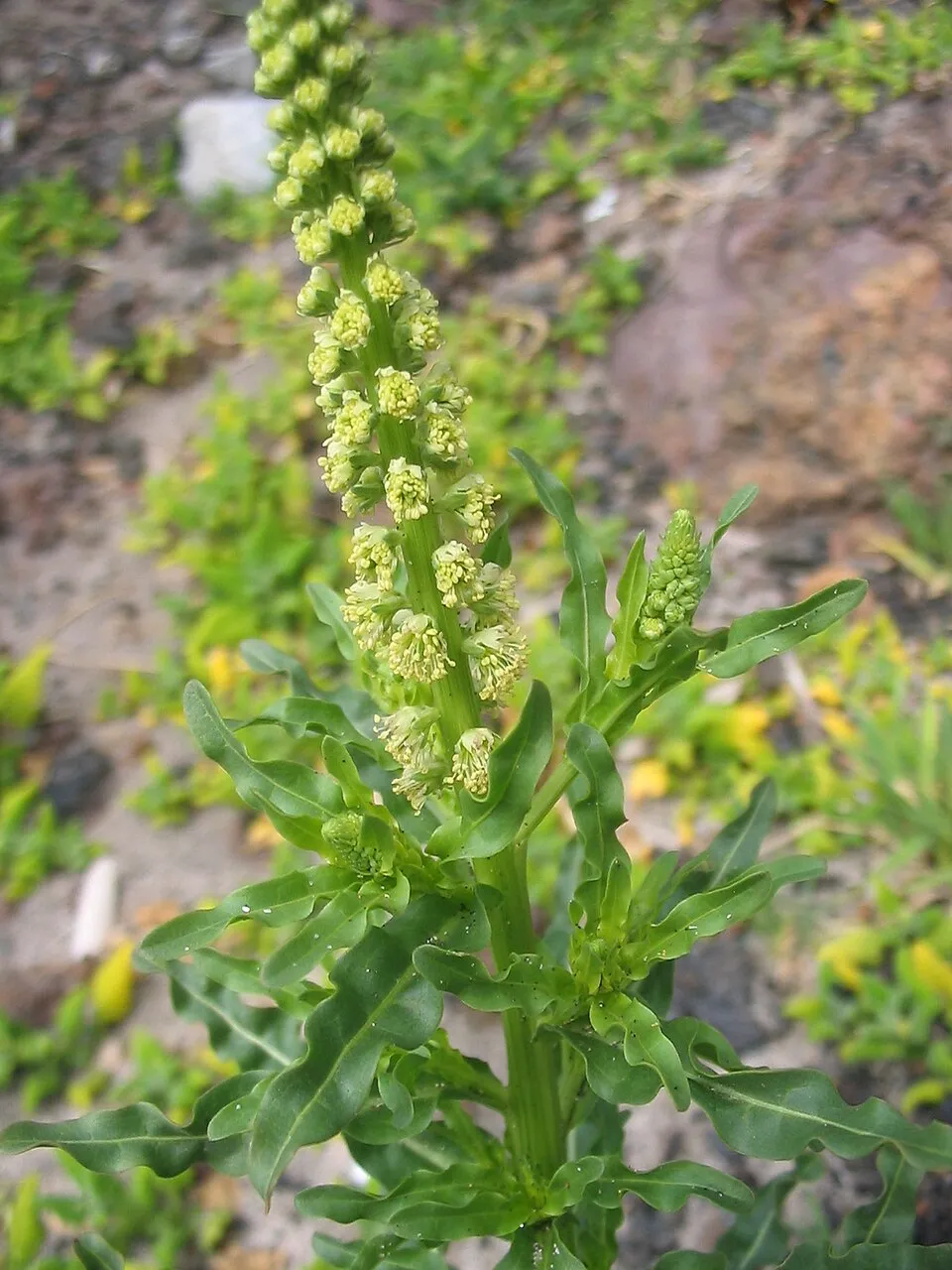
Reseda luteola, commonly known as weld or dyer's rocket, is a remarkable herbaceous biennial plant thriving in temperate to subtropical regions, typically reaching heights of 40 to 80 centimeters, though it can extend up to a meter in optimal conditions. Its erect, smooth, and often branched stems support distinctive, narrow, elongated leaves that are lanceolate to ovate, measuring up to 15 centimeters in length, and presenting a vibrant bright green hue. The plant's striking inflorescence, blooming from July to September, consists of densely clustered, small, pale yellow to greenish-yellow flowers, each measuring approximately 4 to 6 millimeters in diameter.
Reseda luteola exhibits a slightly rough texture near its base. This species flourishes in sunny environments and is frequently encountered on disturbed soils, roadsides, and open fields across Europe, parts of Asia, and has been naturalized in other regions. Belonging to the family Resedaceae, it holds significant historical importance, particularly for its potent luteolin-based dye, alongside a rich tradition of medicinal application.
Its cultivation is believed to have originated in the Mediterranean basin, facilitating its widespread adoption into various traditional medicine systems globally, notably in Ayurvedic practices. Beyond its human uses, Reseda luteola plays a vital ecological role by supporting diverse pollinator populations during its extended flowering season.
Trusted Scientific References
1. Authoritative external sources for Reseda luteola
1.1 Wikipedia — Reseda luteola
1.2 Kew POWO (Plants of the World Online)
1.3 PubMed — peer-reviewed research
1.4 NCBI Taxonomy Browser
1.5 GBIF — Global Biodiversity
1.6Reseda should be interpreted through verified botanical identity, practical care, and responsible safety language. This recovery note adds the missing context needed for a complete profile: match light to the plant's habit, use well-drained soil, water according to season, and avoid unsupported medicinal or edible claims. For publishing, the plant can be presented as a source-backed medicinal plant with clear care guidance, common problem diagnosis, and conservative safety wording.
1.1.Reseda — Defining Traits
- ✓Botanical Identity — Herbaceous biennial plant, often called weld or dyer's rocket.
- ✓Distinctive Flowers — Small, pale yellow to greenish-yellow flowers clustered in dense spikes.
- ✓Primary Bioactive — Abundant in luteolin, a powerful flavonoid responsible for its yellow pigment and medicinal properties.
- ✓Historical Dye Plant — Cultivated since antiquity for its intense yellow dye, noted in Greco-Roman texts.
- ✓Ayurvedic Significance — Known as 'Haridrarchchha', used for cooling, anti-inflammatory, and Pitta-balancing effects.
- ✓Anti — inflammatory Power — Modulates inflammatory pathways, beneficial for conditions like mild osteoarthritis.
- ✓Antioxidant Champion — High free-radical scavenging capacity due to its rich flavonoid content.
- ✓Mild Diuretic — Traditional use for fluid balance supported by research on its resedanol content.
- ✓Skin and Eye Health — Applied topically for soothing minor skin irritations and eye inflammation.
- ✓Global Distribution — Native to Europe and Asia, now naturalized in various temperate regions.
1.2.Reseda — Snapshot Summary
- ✓Reseda luteola is a biennial herb valued historically as both a potent yellow dye and a medicinal plant.
- ✓Rich in luteolin, it offers significant anti-inflammatory, antioxidant, and mild diuretic benefits.
- ✓Traditional uses include eye care, skin soothing, and balancing Pitta dosha in Ayurveda.
- ✓Available in decoctions, powders, and topical pastes for various applications.
- ✓Requires careful dosing and professional consultation, especially for pregnant women or those on medications.
- ✓Modern research supports many traditional claims, particularly for its flavonoid-driven activities.
2.Reseda — Scientific Profile
3.Reseda — Botanical Stats
4.Reseda — Plant Morphology
5.Reseda — Where It Grows
6.Reseda — Historical Applications
7.Reseda — Secondary Metabolites
- ✓Flavones — Luteolin is the primary bioactive compound, renowned for potent antioxidant and anti-inflammatory properties through mechanisms like NF-κB signaling modulation.
- ✓Flavonoid Glycosides — Luteolin-7-O-glucoside is a significant derivative that enhances free-radical scavenging capabilities and contributes to overall antioxidant efficacy.
- ✓Flavonols — Quercetin is present, synergizing with luteolin to inhibit inflammatory enzymes via both COX and LOX pathways, amplifying the plant's anti-inflammatory effects.
- ✓Glucosides — Resedanol, a minor glucoside unique to the Resedaceae family, has been studied for its mild diuretic action, contributing to the plant's traditional use for fluid balance.
- ✓Phenolic Acids — Various phenolic acids contribute to the plant's antioxidant capacity and may play a role in its antimicrobial and anti-inflammatory activities.
- ✓Alkaloids — While generally in minor quantities, alkaloids present may contribute to the plant's diverse pharmacological profile, often influencing physiological responses.
- ✓Terpenoids — These compounds are known for their aromatic properties and can contribute to anti-inflammatory, antimicrobial, and insecticidal activities within the plant.
- ✓Saponins — Saponins may possess expectorant, anti-inflammatory, and immune-modulating properties, though their specific role in Reseda luteola's medicinal profile requires further investigation.
8.Reseda — Modern Studies
- ✓Anti-inflammatory Support — Luteolin-rich extracts have shown promise in reducing inflammation by modulating NF-κB signaling and inhibiting inflammatory enzymes like COX and LOX pathways, offering relief in conditions such as mild osteoarthritis.
- ✓Ophthalmic Relief — Traditionally, a paste of leaves mixed with ghee was applied externally to soothe eye irritations like redness and itching, with modern pilot studies suggesting improved conjunctival hyperemia scores.
- ✓Diuretic Action — Traditional decoctions of Reseda luteola exhibit a mild diuretic effect, promoting increased urine output which may assist in fluid balance, as confirmed by animal studies.
- ✓Antioxidant Protection — The high concentration of flavonoids, particularly luteolin, provides potent antioxidant activity, scavenging free radicals and protecting cells from oxidative stress-related disorders.
- ✓Skin Health Benefits — Anecdotal reports and traditional uses suggest topical application of flower paste can soothe minor burns, insect bites, and ease skin irritations like psoriasis flare-ups, attributed to its combined anti-inflammatory and antimicrobial properties.
- ✓Neuroprotective Potential — In vitro studies indicate luteolin's ability to inhibit amyloid-beta aggregation, hinting at a potential role in neurodegenerative conditions like Alzheimer's disease, though further research is needed.
- ✓Anti-tumor Activity — Preliminary research on weld extract has demonstrated a reduction in tumor growth in animal models, possibly through apoptosis induction, opening avenues for cancer research.
- ✓Immune System Modulation — The plant's diverse phytochemicals contribute to general wellness promotion and immune support, enhancing the body's natural defense mechanisms.
- ✓Digestive Health — Traditionally, it has been used to support digestive health, likely due to its mild detoxifying and anti-inflammatory effects on the gastrointestinal tract.
- ✓Pitta Dosha Balancing — In Ayurveda, Reseda luteola, known as 'Haridrarchchha', is prized for its 'Shita' (cooling) and 'Teekshna' (sharp) qualities, effectively clearing excess Pitta heat.
8.1.Reseda — Conditions Traditionally Used For
9.Reseda — Precautions & Warnings
9.1.Reseda — Caution Notes
- ✓Gastrointestinal Upset — High doses (e.g., >5 g/day) may lead to mild nausea or diarrhea.
- ✓Allergic Contact Dermatitis — Rare instances of skin irritation or allergic reactions have been reported from handling fresh leaves.
- ✓Diuretic Interaction — Concurrent use with prescription diuretics can have an additive effect, potentially altering electrolyte balance.
- ✓Bleeding Risks — Luteolin might inhibit platelet aggregation, necessitating caution for individuals on anticoagulant medications.
- ✓Kidney Strain — Excessive use, particularly in individuals with pre-existing kidney conditions, could potentially strain renal function.
- ✓Peptic Ulcer Exacerbation — Due to the presence of tannins, it may exacerbate symptoms in individuals with active peptic ulcers.
- ✓Hypotension — In theory, its diuretic action could contribute to a drop in blood pressure, especially in sensitive individuals or those on antihypertensives.
9.2.Reseda — Toxicity Assessment
- ✓Pregnancy and Breastfeeding — Internal use is not recommended for pregnant or breastfeeding women due due to insufficient safety data; professional consultation is essential.
- ✓Medication Interactions — Exercise caution if on diuretics, NSAIDs, or anticoagulants, as Reseda luteola may potentiate their effects.
- ✓Acute Kidney Inflammation — Contraindicated in individuals with acute kidney inflammation or severe renal impairment.
- ✓Peptic Ulcers — Avoid internal use in cases of active peptic ulcers due to potential irritation from tannins.
- ✓Pediatric Use — Children under 12 should avoid internal use; for those over 12, start with half the adult dose and under expert guidance.
- ✓Elderly Individuals — Start with a lower dose (e.g., half-dose) for elderly patients, monitoring for any adverse reactions or interactions.
- ✓Professional Consultation — Always consult a qualified medical herbalist or Ayurvedic practitioner before initiating Reseda luteola, especially if on multiple medications or with chronic conditions.
10.Reseda — Preparation & Dosage
- ✓Decoction — Prepare by simmering 2–5 grams of dried aerial parts in 200 mL of water for 10 minutes; strain and consume warm, 1–2 times daily for internal benefits.
- ✓Powder (Churna) — Take 1–2 grams of the finely powdered herb mixed with warm water, typically after meals, 1–2 times a day for systemic effects.
- ✓Extract/Tincture — A 1:5 alcoholic extract can be taken as 2–5 mL, diluted in water, twice daily, offering a concentrated form of the plant's compounds.
- ✓External Paste for Ophthalmic Relief — Mix powdered leaves with equal parts ghee or coconut oil to form a paste; apply externally around the eyes to soothe redness and itching.
- ✓Topical Paste for Skin Conditions — Combine powdered flowers with a minimal amount of water or carrier oil to create a paste; apply directly to minor burns, insect bites, or inflamed skin areas up to three times daily.
- ✓Herbal Tea — A milder infusion can be made by steeping dried leaves and flowers in hot water for 5-10 minutes, suitable for general wellness.
- ✓Compresses — For localized inflammation, a cloth soaked in a strong decoction can be applied as a warm compress.
11.Reseda — Growing Guide
- ✓Climate — Thrives in temperate to subtropical climates with ample sunlight.
- ✓Soil Requirements — Prefers well-drained, calcareous soils, often found in disturbed areas.
- ✓Sunlight Exposure — Requires full sun exposure for optimal growth and pigment production.
- ✓Watering — Needs regular watering, especially during dry periods, but avoids waterlogging.
- ✓Propagation — Primarily propagated by seeds, which can be sown directly in spring or autumn.
- ✓Harvesting — Aerial parts, especially flowers and leaves, are best harvested at dawn when pigment concentration (luteolin) is highest, avoiding dew.
- ✓Drying — Traditionally sun-dried on mats or mud floors to preserve the bioactive compounds and vibrant yellow pigment.
- ✓Yield Optimization — Cultivation in areas like Rajasthan and Gujarat, known for favorable conditions, often yields the best quality material.
Reviewed by the Flora Medical Global Botanical Review Panel
Multi-disciplinary editorial group · Botany · Ethnobotany · Herbal-medicine literature
Who reviewed this: This page was checked by the Flora Medical Global Botanical Review Panel — an in-house editorial group of botany graduates, ethnobotany researchers, and horticulture practitioners who collectively maintain our 7,000+ plant encyclopedia. Meet the team.
Our 4-step verification process
1. Taxonomic verification
Scientific names and synonyms cross-checked against Kew POWO, World Flora Online, and The Plant List.
2. Phytochemical & medicinal cross-reference
Active compounds, traditional uses, and reported activities are cross-referenced with PubMed, USDA Dr. Duke's database, and peer-reviewed ethnobotanical literature.
3. Conservation & distribution check
Distribution, ecology, and conservation status confirmed against GBIF occurrence records and the IUCN Red List.
4. Editorial & safety review
Every entry passes an editorial pass for clarity, originality, and safety notices (toxicity, contraindications, dosage caveats) before publication.
Last reviewed:
Important medical disclaimer: This content is for educational and research purposes only. It is not medical advice and is not a substitute for consultation with a licensed healthcare provider. Do not use any herb to self-treat a medical condition without professional guidance.
Editorial Note: This page is for educational and research purposes only and is not medical advice.
Written by: Flora Medical Global Editorial Team
Reviewed by: Flora Medical Global Botanical Review Panel
Last Updated: June 15, 2026




Reseda — Comments & Community Reviews
Rate this plant