


Medical Disclaimer: This content is for educational purposes only. It is not medical advice. Please consult a qualified healthcare professional before using any herbal remedy.
Safety Overview
1.He Shou Wu — Botanical Snapshot
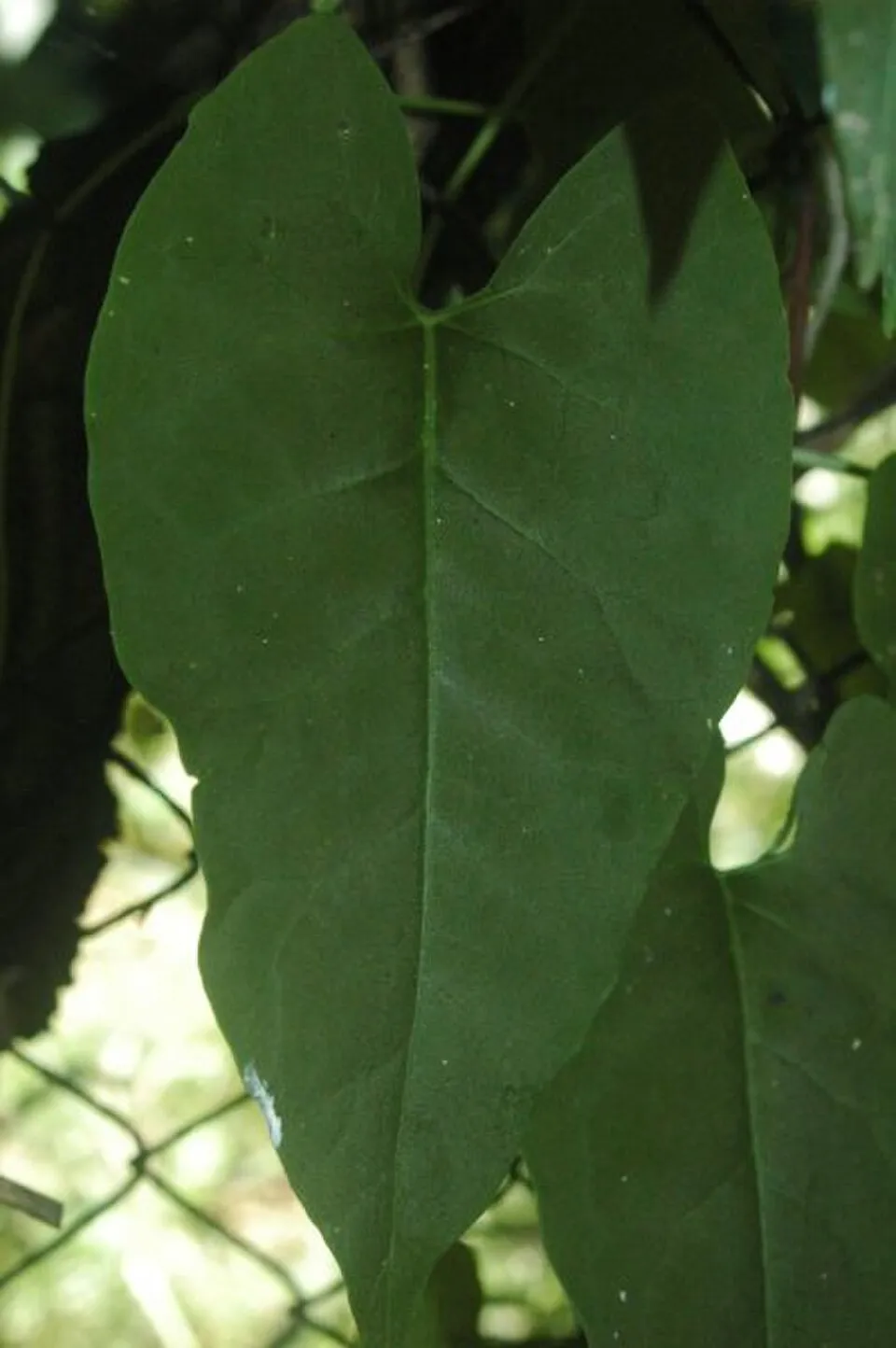
He Shou Wu, scientifically known as Reynoutria multiflora (formerly Polygonum multiflorum), is a robust perennial climbing plant belonging to the Polygonaceae family. This vigorous vine can ascend to heights of up to 3 meters (approximately 10 feet) with adequate support, twining around other vegetation or structures. Its foliage is characterized by ovate to heart-shaped leaves, typically measuring 6 to 12 cm in length, displaying a striking glossy dark green color.
During late summer to early autumn, the plant produces small, rather inconspicuous white or creamy-white flowers, which are clustered in delicate racemes, usually less than 1 cm wide. The stems are hollow, featuring a smooth, reddish-brown bark that often exhibits a subtle sheen. Native to the mountainous regions of East Asia, particularly prevalent across China in provinces like Zhejiang, Sichuan, and Yunnan, He Shou Wu thrives in moist, well-drained woodland environments and along forest margins.
The plant's most valued part is its tuberous root, which, when harvested, appears dark brown to black and can grow significantly, sometimes reaching 30 cm in length and considerable girth after several years of maturation.
Trusted Scientific References
1. Authoritative external sources for Reynoutria multiflora
1.1 Wikipedia — Reynoutria multiflora
1.2 Kew POWO (Plants of the World Online)
1.3 PubMed — peer-reviewed research
1.4 NCBI Taxonomy Browser
1.5 GBIF — Global Biodiversity
1.6He Shou Wu should be interpreted through verified botanical identity, practical care, and responsible safety language. This recovery note adds the missing context needed for a complete profile: match light to the plant's habit, use well-drained soil, water according to season, and avoid unsupported medicinal or edible claims. For publishing, the plant can be presented as a source-backed medicinal plant with clear care guidance, common problem diagnosis, and conservative safety wording.
1.7He Shou Wu (Reynoutria multiflora) is maintained in this recovery file as a complete medicinal profile with practical care, safety, and identification context. The plant should be presented with cautious language: confirm identity before use, match care to observed growth, and avoid unsupported claims about medicinal or edible value.
1.1.He Shou Wu — Notable Characteristics
- ✓Revered adaptogen in — Revered adaptogen in Traditional Chinese Medicine for promoting longevity.
- ✓Known for its — Known for its profound effects on hair pigmentation and growth.
- ✓Potent antioxidant and anti — inflammatory properties from stilbenes and flavonoids.
- ✓Supports cardiovascular, immune, — Supports cardiovascular, immune, and cognitive health.
- ✓Crucial distinction between — Crucial distinction between raw (laxative) and processed (tonic) forms.
- ✓Aims to replenish — Aims to replenish vital essences (Jing and Xue) in the body.
- ✓Native to East — Native to East Asia, thriving in moist, woodland environments.
- ✓Tuberous root is — Tuberous root is the primary medicinal part, harvested after several years.
- ✓Part of the — Part of the Polygonaceae family, related to other potent botanical species.
1.2.He Shou Wu — In Brief
- ✓Renowned TCM longevity tonic for vitality and anti-aging.
- ✓Supports hair health, preventing graying and promoting growth.
- ✓Traditionally nourishes liver and kidneys, replenishing 'Jing' and 'Xue'.
- ✓Contains potent antioxidants like stilbenes and flavonoids.
- ✓Raw root has laxative effects; processed root is for tonic use.
- ✓Critical to use the processed form to avoid liver toxicity.
2.He Shou Wu — Nomenclature & Classification
3.He Shou Wu — Fact Sheet
4.He Shou Wu — Botanical Description
5.He Shou Wu — Native Range & Habitat
6.He Shou Wu — Traditional Uses
7.He Shou Wu — Key Phytochemicals
- ✓Anthraquinones — Emodin, physcion, and rhein are key compounds, primarily responsible for the laxative effect of the unprocessed root and contributing to antioxidant activity.
- ✓Stilbenes — Resveratrol and its glycosides (e.g., 2,3,5,4'-tetrahydroxystilbene-2-O-β-D-glucopyranoside, TSG) are potent antioxidants, linked to anti-aging and cardiovascular benefits.
- ✓Flavonoids — Quercetin, catechin, and their derivatives provide significant antioxidant, anti-inflammatory, and neuroprotective effects.
- ✓Polysaccharides — Complex carbohydrates that exhibit immunomodulatory, anti-tumor, and hypoglycemic activities, enhancing immune function.
- ✓Phospholipids — Lecithin and other phospholipids are important for cellular membrane integrity, brain function, and cholesterol metabolism.
- ✓Phenolic Acids — Gallic acid, caffeic acid, and chlorogenic acid contribute to the plant's overall antioxidant and anti-inflammatory profile.
- ✓Trace Minerals — Contains essential minerals such as iron, zinc, and calcium, vital for various physiological processes and overall health.
- ✓Amino Acids — A range of essential and non-essential amino acids support protein synthesis, tissue repair, and various metabolic functions.
- ✓Alkaloids — While present in smaller amounts, some alkaloids may contribute to its diverse pharmacological effects, requiring further research.
8.He Shou Wu — Scientific Evidence
- ✓Hair Rejuvenation — He Shou Wu is revered for its ability to prevent premature graying and promote hair growth by stimulating melanocyte activity and supporting follicle health.
- ✓Liver and Kidney Nourishment — In TCM, it's a primary tonic for the liver and kidneys, believed to replenish 'Jing' (essence) and 'Xue' (blood), crucial for overall vitality and organ function.
- ✓Anti-aging Properties — Rich in antioxidants like stilbenes, Reynoutria multiflora helps combat oxidative stress, contributing to cellular longevity and reducing signs of aging.
- ✓Cardiovascular Support — Studies suggest its compounds may help maintain healthy cholesterol levels and support arterial health, contributing to overall heart wellness.
- ✓Immune System Modulation — Certain polysaccharides within He Shou Wu are thought to enhance immune response, strengthening the body's natural defenses.
- ✓Bone Health — Traditional applications and modern research point to its potential in supporting bone density and integrity, particularly important with aging.
- ✓Cognitive Enhancement — By improving blood circulation and reducing oxidative stress, He Shou Wu may support neurological function and cognitive clarity.
- ✓Adaptogenic Effects — It helps the body adapt to stress, promoting balance and resilience against various physical and mental stressors.
- ✓Digestive Regularity — The unprocessed root has a laxative effect due to anthraquinones, aiding in the relief of occasional constipation.
- ✓Sexual Health and Fertility — Traditionally used to enhance libido and support reproductive health in both men and women by nourishing vital essences.
- ✓Anti-inflammatory Action — Flavonoids and other phenolic compounds contribute to its anti-inflammatory properties, potentially alleviating various inflammatory conditions.
8.1.He Shou Wu — Reported Uses
9.He Shou Wu — Cautions & Contraindications
9.1.He Shou Wu — Reported Side Effects
- ✓Liver Toxicity — Unprocessed He Shou Wu, particularly in high doses or prolonged use, can cause hepatotoxicity, ranging from mild elevation of liver enzymes to severe liver damage.
- ✓Gastrointestinal Upset — Raw He Shou Wu can cause diarrhea, abdominal pain, and nausea due to its anthraquinone content, especially in sensitive individuals.
- ✓Allergic Reactions — Some individuals may experience allergic responses, including skin rashes, itching, or other hypersensitivity reactions.
- ✓Photosensitivity — Rare cases of increased sensitivity to sunlight have been reported, leading to skin reactions upon sun exposure.
- ✓Hypoglycemia — May lower blood sugar levels, posing a risk for individuals with diabetes or those on hypoglycemic medications.
- ✓Electrolyte Imbalance — Excessive use of the raw root's laxative effect can lead to significant electrolyte disturbances and dehydration.
9.2.He Shou Wu — Safety Profile
- ✓Liver Disease — Absolutely contraindicated for individuals with pre-existing liver conditions, a history of liver dysfunction, or those taking hepatotoxic medications.
- ✓Pregnancy and Lactation — Avoid use during pregnancy and breastfeeding due to insufficient safety data and potential effects on hormonal balance.
- ✓Anticoagulant Medications — May interact with blood-thinning drugs (e.g., warfarin, aspirin), increasing the risk of bleeding or bruising.
- ✓Diabetes Medications — Use with extreme caution by diabetics, as it may lower blood glucose and necessitate dose adjustments of medications.
- ✓Processing is Key — Always use the "processed" (prepared) form of He Shou Wu for internal consumption to mitigate liver toxicity and reduce laxative effects.
- ✓Professional Guidance — Consult a qualified healthcare practitioner or medical herbalist before use, especially for prolonged periods or if on other medications.
- ✓Monitor Symptoms — Discontinue use immediately and seek medical attention if symptoms of liver dysfunction (e.g., dark urine, yellow skin/eyes, persistent nausea, fatigue) occur.
10.He Shou Wu — Usage Guide
- ✓Processed Root Decoction — The most common traditional method involves simmering the "processed" (cured with black bean liquid) root slices in water to create a medicinal tea.
- ✓Raw Root Preparation — Unprocessed (raw) He Shou Wu is used as a laxative, typically in lower doses, prepared as a decoction or powdered for short-term relief.
- ✓Tinctures — Alcoholic extracts of the processed root are used to concentrate its active compounds for convenient dosing and extended shelf life.
- ✓Powdered Form — Dried and ground processed root powder can be encapsulated or mixed into foods, smoothies, or beverages for daily intake.
- ✓Herbal Formulas — Often combined with other herbs in Traditional Chinese Medicine prescriptions to enhance specific therapeutic effects or balance its properties.
- ✓Topical Applications — Extracts or infused oils may be used externally for hair and skin health, though this is less common than internal administration.
- ✓Dosage — Dosage varies significantly based on the form, processing, and individual needs, generally ranging from 3-12 grams daily for processed root decoctions.
11.He Shou Wu — Garden Cultivation
- ✓Climate — Thrives in temperate to subtropical climates with adequate rainfall, preferring regions with distinct seasons for optimal growth.
- ✓Soil Requirements — Prefers well-drained, fertile, humus-rich soil with a slightly acidic to neutral pH (6.0-7.0) to support robust root development.
- ✓Light Exposure — Grows best in partial shade, mimicking its natural woodland habitat, though it can tolerate full sun with consistent moisture.
- ✓Propagation — Primarily propagated from root cuttings or by seed in spring; root division is also a common method for established plants.
- ✓Watering — Requires consistent moisture, especially during dry periods, but dislikes waterlogging which can lead to root rot and disease.
- ✓Support Structure — As a climbing vine, it benefits significantly from a trellis, fence, or other plants for support to maximize vertical growth and root development.
- ✓Harvesting — Tuberous roots are typically harvested after 3-4 years of growth, usually in late autumn or early winter when the plant's energy is concentrated in the roots.
Reviewed by the Flora Medical Global Botanical Review Panel
Multi-disciplinary editorial group · Botany · Ethnobotany · Herbal-medicine literature
Who reviewed this: This page was checked by the Flora Medical Global Botanical Review Panel — an in-house editorial group of botany graduates, ethnobotany researchers, and horticulture practitioners who collectively maintain our 7,000+ plant encyclopedia. Meet the team.
Our 4-step verification process
1. Taxonomic verification
Scientific names and synonyms cross-checked against Kew POWO, World Flora Online, and The Plant List.
2. Phytochemical & medicinal cross-reference
Active compounds, traditional uses, and reported activities are cross-referenced with PubMed, USDA Dr. Duke's database, and peer-reviewed ethnobotanical literature.
3. Conservation & distribution check
Distribution, ecology, and conservation status confirmed against GBIF occurrence records and the IUCN Red List.
4. Editorial & safety review
Every entry passes an editorial pass for clarity, originality, and safety notices (toxicity, contraindications, dosage caveats) before publication.
Last reviewed:
Important medical disclaimer: This content is for educational and research purposes only. It is not medical advice and is not a substitute for consultation with a licensed healthcare provider. Do not use any herb to self-treat a medical condition without professional guidance.
Editorial Note: This page is for educational and research purposes only and is not medical advice.
Written by: Flora Medical Global Editorial Team
Reviewed by: Flora Medical Global Botanical Review Panel
Last Updated: June 15, 2026





He Shou Wu — Comments & Community Reviews
Rate this plant