

Medical Disclaimer: This content is for educational purposes only. It is not medical advice. Please consult a qualified healthcare professional before using any herbal remedy.
Safety Overview
1.Rhatany — Overview
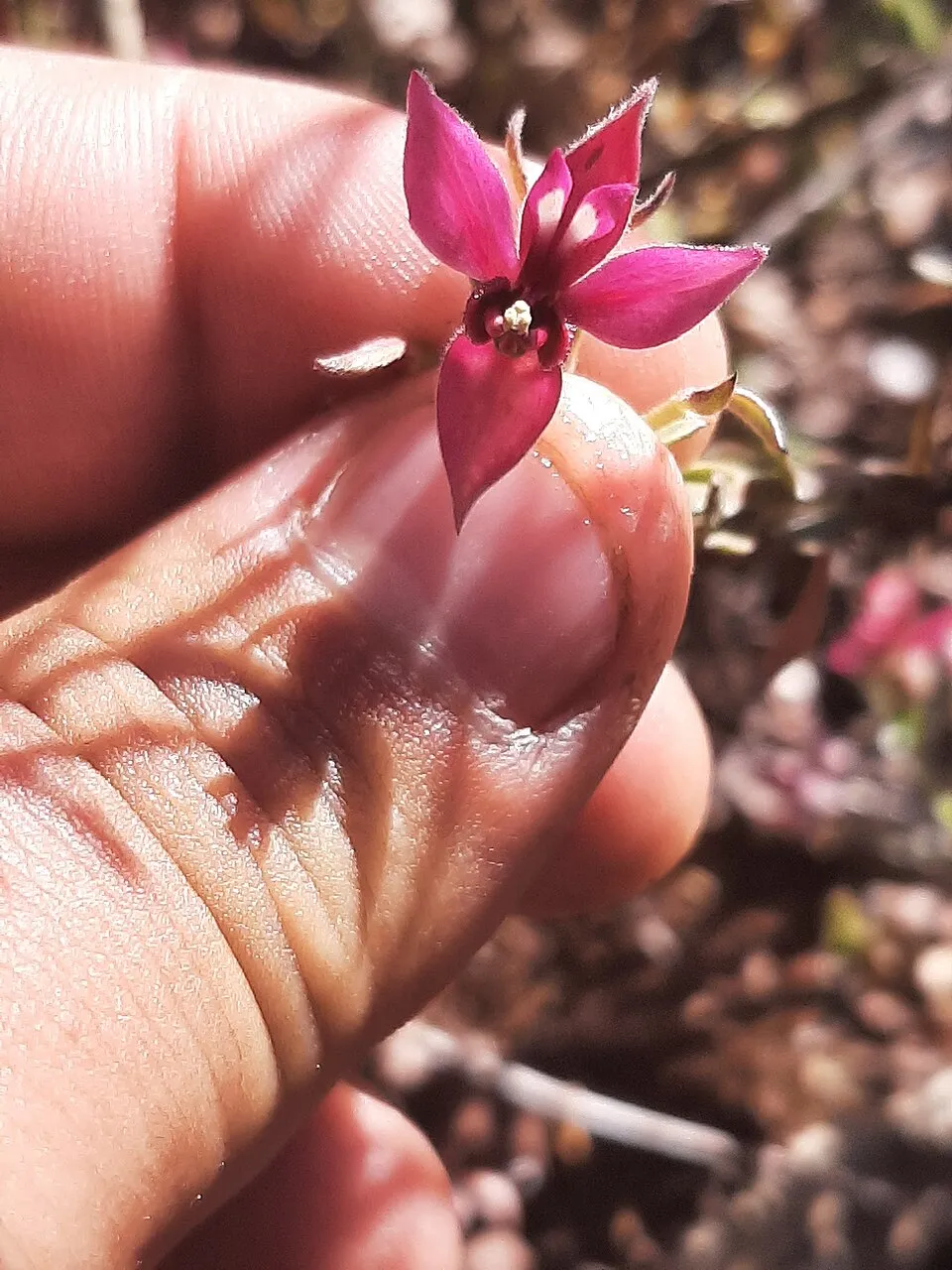
Rhatany (Krameria lappacea) is a distinctive perennial shrub belonging to the Krameriaceae family, primarily native to the arid and semi-arid regions of the Andes mountains in South America, spanning countries like Peru, Bolivia, and Chile. This low-growing plant is characterized by its deep, extensive root system, which is the primary source of its renowned medicinal properties. The roots are typically reddish-brown externally and reddish-yellow internally, becoming darker upon drying.
Its aerial parts consist of small, often silvery-hued leaves that help reduce water loss in its dry habitat, and small, vibrant red-purple flowers that are adapted for pollination by oil-collecting bees. Rhatany thrives in well-drained, sandy, and stony soils, often at higher altitudes, reflecting its resilience to harsh environmental conditions. Taxonomically, while several Krameria species exist, Krameria lappacea is often considered the principal source of medicinal rhatany, although other species like Krameria triandra are sometimes used interchangeably or as adulterants, necessitating careful botanical identification for therapeutic applications.
The plant's robust nature and concentrated bioactive compounds, particularly in its root, have made it a staple in traditional South American healing practices for centuries.
Trusted Scientific References
1. Authoritative external sources for Krameria lappacea
1.1 Wikipedia — Krameria lappacea
1.2 Kew POWO (Plants of the World Online)
1.3 PubMed — peer-reviewed research
1.4 NCBI Taxonomy Browser
1.5 GBIF — Global Biodiversity
1.6Rhatany should be interpreted through verified botanical identity, practical care, and responsible safety language. This recovery note adds the missing context needed for a complete profile: match light to the plant's habit, use well-drained soil, water according to season, and avoid unsupported medicinal or edible claims. For publishing, the plant can be presented as a source-backed medicinal plant with clear care guidance, common problem diagnosis, and conservative safety wording.
1.1.Rhatany — Key Features
- ✓Latin Name — Krameria lappacea
- ✓Family — Krameriaceae
- ✓Primary Active Compounds — Condensed Tannins (Krameriatannins)
- ✓Key Action — Astringent, Anti-inflammatory
- ✓Traditional Uses — Oral health, topical wound healing, digestive support
- ✓Native Region — Andean regions of South America (Peru, Bolivia, Chile)
- ✓Medicinal Part — Root
- ✓Growth Habit — Perennial shrub thriving in arid, well-drained soils
- ✓SEO Focus — Rhatany benefits, Rhatany uses, natural oral care
- ✓Safety Note — Caution with internal use; avoid in pregnancy.
1.2.Rhatany — Quick Summary
- ✓Rhatany (Krameria lappacea) is a powerful South American herb from the Andes.
- ✓Its root is rich in tannins, providing strong astringent and anti-inflammatory properties.
- ✓Primarily used topically for oral health issues like gum inflammation and skin conditions such as ulcers.
- ✓Internal use is generally not recommended due to limited safety data and potential for stomach upset.
- ✓Avoid during pregnancy and breastfeeding; consult a healthcare professional for safe use.
2.Rhatany — Scientific Profile
3.Rhatany — Reference Facts
4.Rhatany — Plant Morphology
5.Rhatany — Where It Grows
6.Rhatany — Ethnobotanical Uses
7.Rhatany — Secondary Metabolites
- ✓Condensed Tannins (Proanthocyanidins) — These are the primary active compounds, notably krameriatannins I-V, responsible for Rhatany's potent astringent, anti-inflammatory, and mild antimicrobial effects.
- ✓Lignans — Present in the root, these compounds may contribute to the plant's overall antioxidant and anti-inflammatory profile.
- ✓Flavonoids — Found in smaller quantities, flavonoids act as antioxidants and may offer additional anti-inflammatory and vascular protective benefits.
- ✓Resins — Minor components that can contribute to the plant's texture and potentially offer some localized antiseptic properties.
- ✓Starch — A significant storage carbohydrate found within the parenchymatous cells of the Rhatany root.
- ✓Sugars — Various simple sugars are present in the plant matrix, providing energy for plant metabolism.
- ✓Mineral Salts — Trace amounts of essential minerals are naturally occurring within the root structure, contributing to its overall biochemical composition.
- ✓Organic Acids — Minor amounts of organic acids may be present, influencing the plant's pH and contributing to its chemical complexity.
8.Rhatany — Modern Studies
- ✓Astringent Action — The high concentration of tannins in Rhatany root causes tissues to contract, effectively reducing inflammation and secretions.
- ✓Oral Health Promotion — Used as a mouthwash, Rhatany helps reduce gum inflammation (gingivitis), soothe canker sores, and tighten oral mucosa due to its astringent properties.
- ✓Anti-inflammatory Support — Its tannins exhibit anti-inflammatory effects by modulating cellular pathways, making it beneficial for inflamed mucous membranes.
- ✓Digestive Tract Soothing — Traditionally applied to alleviate intestinal inflammation, such as enteritis, by its local astringent and protective action on the gut lining, though internal use requires caution.
- ✓Wound Healing — When applied topically, Rhatany aids in the healing of minor wounds, leg ulcers, and skin abrasions by promoting tissue regeneration and providing mild antiseptic action.
- ✓Antimicrobial Properties — The tannins possess mild antiseptic and antibacterial qualities, which can help inhibit the growth of certain pathogens on skin and mucous membranes.
- ✓Antioxidant Activity — Phytochemicals present in Rhatany contribute to its antioxidant capacity, helping to protect cells from oxidative damage.
- ✓Hemostatic Effects — Its strong astringent action can help staunch minor capillary bleeding, making it useful for superficial cuts or bleeding gums.
- ✓Skin Irritation Relief — Topically, it can be used to soothe conditions like chilblains, reducing swelling and itching by tightening local tissues.
8.1.Rhatany — Conditions Traditionally Used For
9.Rhatany — Risk Profile
9.1.Rhatany — Side Effects & Warnings
- ✓Gastrointestinal Upset — Oral ingestion, especially in higher doses, can cause stomach upset, nausea, or constipation due to its high tannin content.
- ✓Allergic Reactions — Rarely, individuals may experience allergic reactions, particularly as localized irritation or swelling in the mouth and throat lining.
- ✓Nutrient Absorption Interference — Tannins can bind to proteins and minerals, potentially reducing the absorption of essential nutrients if consumed internally over prolonged periods.
- ✓Liver Toxicity (Hypothetical) — While not specifically proven for Rhatany, chronic high-dose oral intake of tannin-rich plants could theoretically impact liver function, requiring caution.
- ✓Local Irritation (Topical) — Although generally well-tolerated, sensitive skin types might experience mild irritation or redness upon topical application.
- ✓Esophageal Irritation — Strong, undiluted oral preparations could potentially cause irritation to the esophageal lining.
9.2.Rhatany — Safety Overview
- ✓Pregnancy & Breastfeeding — Rhatany should be avoided during pregnancy and breastfeeding due to insufficient reliable safety information regarding its effects on fetal development or infant health.
- ✓Oral Use Caution — Internal use of Rhatany is generally not recommended due to limited scientific safety data and the potential for gastrointestinal upset and nutrient absorption issues.
- ✓Topical Use — Rhatany is considered possibly safe for most people when applied to the skin for short durations, typically less than two weeks.
- ✓Allergic Sensitivity — Individuals with known allergies to Rhatany or other high-tannin plants should avoid its use to prevent allergic reactions.
- ✓Dosage — There is a lack of established scientific dosing guidelines for Rhatany; always consult a qualified healthcare professional before use.
- ✓Plant Identification — Ensuring correct botanical identification is crucial, as other Krameria species or unrelated plants may be substituted, potentially altering efficacy and safety.
- ✓Chronic Use — Long-term internal use is discouraged due to potential cumulative effects of tannins on nutrient absorption and theoretical organ impact.
10.Rhatany — Preparation & Dosage
- ✓Decoction — Prepare by simmering dried Rhatany root pieces in water for 10-15 minutes; commonly used as a mouthwash, gargle, or topical compress.
- ✓Tincture — An alcoholic extract of the root, used internally in diluted form or externally for oral rinses and skin applications.
- ✓Powder — Dried root ground into a fine powder; can be encapsulated for internal use (with caution) or mixed with water to form a paste for topical application.
- ✓Mouthwash/Gargle — Diluted decoctions or tinctures are highly effective for soothing gum inflammation, canker sores, and sore throats.
- ✓Topical Poultice/Compress — Crushed fresh or rehydrated dried root can be applied directly to leg ulcers, chilblains, or minor wounds.
- ✓Dental Preparations — Rhatany powder or extract is sometimes incorporated into natural toothpastes or dental powders for its gum-tightening effects.
- ✓Infusion (less common for roots) — A strong infusion, though less potent than a decoction, can be prepared for milder oral or topical applications.
- ✓Suppositories (Traditional) — Historically used in some traditional practices for rectal inflammation, though modern data is limited.
11.Rhatany — Growing Guide
- ✓Climate — Thrives in arid to semi-arid climates, characteristic of its native Andean high-altitude environments.
- ✓Soil — Prefers well-drained, sandy, or stony soils that are often poor in organic matter.
- ✓Sunlight — Requires full sun exposure for optimal growth and to encourage the synthesis of its potent secondary metabolites.
- ✓Propagation — Primarily propagated from seeds, which can be challenging to germinate, but root cuttings can also be employed.
- ✓Watering — Highly drought-tolerant once established, necessitating minimal supplemental irrigation, especially in its natural habitat.
- ✓Harvesting — Roots are typically harvested after several years of growth, usually during the dry season to maximize the concentration of active compounds, particularly tannins.
- ✓Pests and Diseases — Generally robust against common pests and diseases due to its adaptation to harsh conditions, requiring minimal intervention.
- ✓Fertilization — Not typically required in its natural habitat; excessive fertilization can reduce secondary metabolite production.
Reviewed by the Flora Medical Global Botanical Review Panel
Multi-disciplinary editorial group · Botany · Ethnobotany · Herbal-medicine literature
Who reviewed this: This page was checked by the Flora Medical Global Botanical Review Panel — an in-house editorial group of botany graduates, ethnobotany researchers, and horticulture practitioners who collectively maintain our 7,000+ plant encyclopedia. Meet the team.
Our 4-step verification process
1. Taxonomic verification
Scientific names and synonyms cross-checked against Kew POWO, World Flora Online, and The Plant List.
2. Phytochemical & medicinal cross-reference
Active compounds, traditional uses, and reported activities are cross-referenced with PubMed, USDA Dr. Duke's database, and peer-reviewed ethnobotanical literature.
3. Conservation & distribution check
Distribution, ecology, and conservation status confirmed against GBIF occurrence records and the IUCN Red List.
4. Editorial & safety review
Every entry passes an editorial pass for clarity, originality, and safety notices (toxicity, contraindications, dosage caveats) before publication.
Last reviewed:
Important medical disclaimer: This content is for educational and research purposes only. It is not medical advice and is not a substitute for consultation with a licensed healthcare provider. Do not use any herb to self-treat a medical condition without professional guidance.
Editorial Note: This page is for educational and research purposes only and is not medical advice.
Written by: Flora Medical Global Editorial Team
Reviewed by: Flora Medical Global Botanical Review Panel
Last Updated: June 15, 2026





Rhatany — Comments & Community Reviews
Rate this plant