
Medical Disclaimer: This content is for educational purposes only. It is not medical advice. Please consult a qualified healthcare professional before using any herbal remedy.
Safety Overview
1.Rhodanthe Chlorocephala — Essential Profile
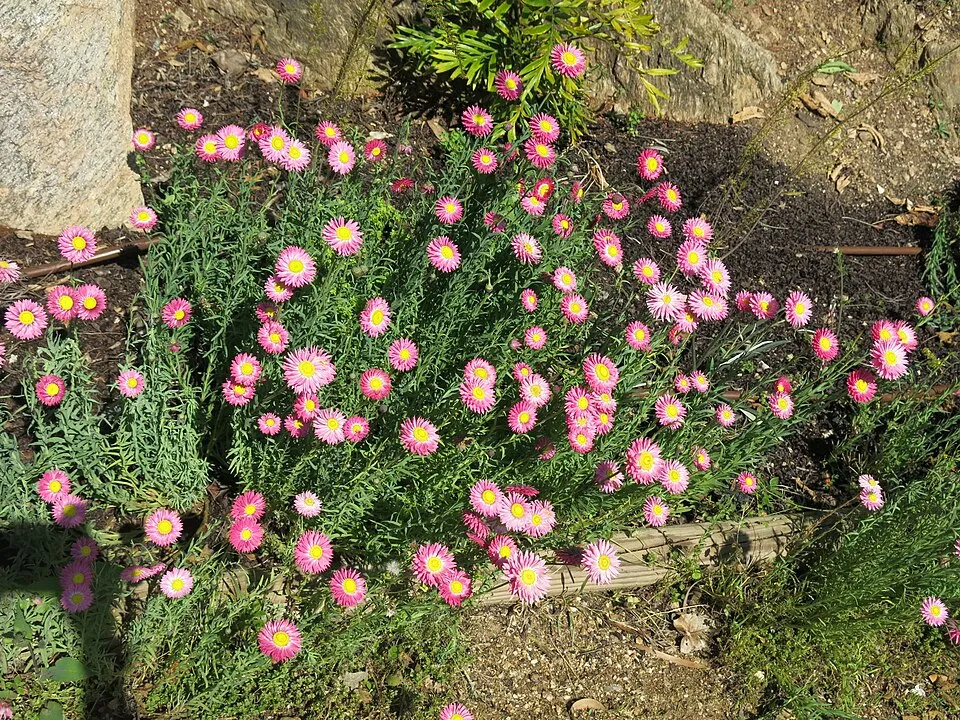
Rhodanthe chlorocephala, commonly known as Pink Everlasting or Paper Daisy, is an exquisite annual flowering plant belonging to the Asteraceae family. Native to the arid and semi-arid regions of Western Australia, this charming species thrives in dry grasslands and rocky slopes, showcasing remarkable drought tolerance. It typically grows as an annual herb, reaching heights of 30 to 60 cm, forming elegant, bushy clumps.
The slender, grey-green foliage provides a subtle backdrop to its most striking feature: the delicate, papery flowers. These blooms primarily feature white or various shades of pink petals, often encircling a vibrant yellow center, giving them a cheerful and bright appearance. The unique texture of its 'everlasting' flowers, which retain their form and color long after cutting, makes Rhodanthe chlorocephala a highly prized ornamental plant for fresh arrangements, dried floral displays, and garden beds.
Its presence contributes significantly to biodiversity in its native habitat and offers aesthetic value in cultivated landscapes, requiring well-drained soil and ample sunlight to flourish. Taxonomically, it is classified under the genus Rhodanthe, which encompasses several other 'everlasting' species, all notable for their papery bracts that mimic petals.
Trusted Scientific References
1. Authoritative external sources for Rhodanthe Chlorocephala
1.1 Wikipedia — Rhodanthe Chlorocephala
1.2 Kew POWO (Plants of the World Online)
1.3 PubMed — peer-reviewed research
1.4 NCBI Taxonomy Browser
1.5 GBIF — Global Biodiversity
1.6Rhodanthe Chlorocephala should be interpreted through verified botanical identity, practical care, and responsible safety language. This recovery note adds the missing context needed for a complete profile: match light to the plant's habit, use well-drained soil, water according to season, and avoid unsupported medicinal or edible claims. For publishing, the plant can be presented as a source-backed garden plant with clear care guidance, common problem diagnosis, and conservative safety wording.
1.1.Rhodanthe Chlorocephala — Distinguishing Points
- ✓Papery, Everlasting Flowers — Blooms retain form and color when dried.
- ✓Native to Western Australia — Thrives in dry, arid conditions.
- ✓Annual Herb — Completes life cycle within one growing season.
- ✓Drought Tolerant — Once established, requires minimal watering.
- ✓Ornamental Value — Highly prized for gardens and floral arrangements.
- ✓Asteraceae Family — Member of the daisy family.
- ✓Low Maintenance — Easy to grow in suitable conditions.
- ✓Attracts Pollinators — Can contribute to local biodiversity.
- ✓Grey — Green Foliage — Provides an attractive backdrop to flowers.
- ✓Varied Flower Colors — Typically pink or white with yellow centers.
1.2.Rhodanthe Chlorocephala — Snapshot Summary
- ✓Rhodanthe chlorocephala is an annual ornamental plant native to Western Australia.
- ✓Known for its delicate, papery pink or white flowers with yellow centers.
- ✓Primarily valued for ornamental use, dried floral arrangements, and garden beauty.
- ✓Traditional uses include headache relief, fever reduction, and skin treatment.
- ✓Contains flavonoids, phenolic acids, and carotenoids with antioxidant properties.
- ✓Gardening with it offers therapeutic benefits like stress reduction.
- ✓Internal consumption is not recommended; primarily for external or aesthetic use.
2.Rhodanthe Chlorocephala — Botanical Identity
3.Rhodanthe Chlorocephala — Vital Statistics
4.Rhodanthe Chlorocephala — Physical Description
5.Rhodanthe Chlorocephala — Native Range & Habitat
6.Rhodanthe Chlorocephala — Folk Medicine Applications
7.Rhodanthe Chlorocephala — Chemical Profile
- ✓Flavonoids — Includes quercetin, kaempferol, and their glycosides, known for antioxidant, anti-inflammatory, and neuroprotective properties.
- ✓Phenolic Acids — Such as caffeic acid, gallic acid, and ferulic acid, contributing to antioxidant and antimicrobial activities.
- ✓Carotenoids — Responsible for the yellow pigmentation in the flower centers, acting as antioxidants and precursors to Vitamin A.
- ✓Volatile Organic Compounds (VOCs) — Including terpenes and esters, which contribute to the plant's subtle fragrance and may have mild aromatic therapeutic effects.
- ✓Saponins — Glycosides that can have expectorant, anti-inflammatory, and cholesterol-lowering properties, though concentrations may vary.
- ✓Triterpenoids — Compounds known for anti-inflammatory, antimicrobial, and adaptogenic potential.
- ✓Anthocyanins — Pigments contributing to pink and red hues in some varieties, potent antioxidants with potential cardiovascular benefits.
- ✓Lignans — Phytoestrogens with antioxidant and potential anticancer properties.
- ✓Phytosterols — Plant sterols such as beta-sitosterol, which can help reduce cholesterol absorption.
- ✓Fatty Acids — Essential fatty acids found in seeds, supporting cellular health and providing energy.
8.Rhodanthe Chlorocephala — Evidence-Based Benefits
- ✓Headache Relief — Traditional use suggests applying poultices or infusions to alleviate tension and migraine headaches, possibly due to anti-inflammatory compounds.
- ✓Fever Reduction — Anecdotal evidence points to the plant's use in indigenous medicine for febrifuge properties, helping to lower body temperature.
- ✓Skin Condition Treatment — Extracts or crushed leaves historically applied topically to soothe skin irritations, minor wounds, and rashes, potentially leveraging antiseptic qualities.
- ✓Anti-inflammatory Support — Contains compounds that may help reduce inflammation, offering relief for mild internal or external inflammatory conditions.
- ✓Antioxidant Activity — Presence of flavonoids and phenolic acids contributes to antioxidant effects, protecting cells from oxidative stress.
- ✓Mood Enhancement (Aromatherapy) — The subtle fragrance from volatile organic compounds may have mild mood-lifting and stress-reducing effects through aromatherapy.
- ✓Stress Reduction (Horticultural Therapy) — Cultivating and tending to this beautiful plant provides therapeutic benefits, reducing stress and improving mental well-being.
- ✓General Well-being — Aesthetic pleasure derived from its vibrant blooms contributes to a positive environment, fostering mental calm and happiness.
- ✓Digestive Aid — Some traditional uses hint at mild digestive support, though specific mechanisms are not well-documented.
- ✓Immune System Support — General plant compounds like vitamins and minerals might offer minor support to overall immune function.
8.1.Rhodanthe Chlorocephala — Conditions Traditionally Used For
9.Rhodanthe Chlorocephala — Safety Considerations
9.1.Rhodanthe Chlorocephala — Warnings
- ✓Allergic Reactions — Potential for contact dermatitis or allergic rhinitis in sensitive individuals, especially to pollen.
- ✓Skin Irritation — Direct topical application of raw plant material may cause mild irritation in some people.
- ✓Gastrointestinal Upset — Internal consumption is not recommended and may lead to digestive disturbances.
- ✓Unknown Interactions — Lack of research means potential interactions with medications or other herbs are unknown.
- ✓Photosensitivity — Rare, but some plant compounds can increase skin sensitivity to sunlight.
- ✓Respiratory Issues — Inhaling fine plant particles or pollen may exacerbate asthma or respiratory allergies.
9.2.Rhodanthe Chlorocephala — Risk Assessment
- ✓External Use Only — Primarily recommended for ornamental and external traditional uses; internal consumption is not advised.
- ✓Patch Test Recommended — Always perform a patch test before applying any plant material topically to check for allergic reactions.
- ✓Pregnant/Nursing Women — Avoid use due to insufficient safety data.
- ✓Children — Keep out of reach of children; not recommended for pediatric use.
- ✓Consult Healthcare Professional — Seek advice from a doctor or qualified herbalist before any medicinal application.
- ✓Identify Correctly — Ensure accurate identification of the plant to avoid confusion with potentially toxic species.
- ✓No Established Medicinal Dosage — No scientifically validated dosages exist for medicinal use.
10.Rhodanthe Chlorocephala — Usage Guide
- ✓Ornamental Displays — Primarily used for its aesthetic beauty in gardens, borders, and containers.
- ✓Dried Flowers — Harvest flowers just before they fully open and hang upside down in a cool, dark place for long-lasting dried arrangements.
- ✓Fresh Cut Flowers — Cut stems for fresh floral arrangements, extending their beauty indoors.
- ✓Horticultural Therapy — Engage in gardening activities with Rhodanthe chlorocephala to reduce stress and improve mental well-being.
- ✓Topical Poultice (Traditional) — Crushed fresh leaves or flowers applied to skin for minor irritations (use with caution, patch test first).
- ✓Herbal Infusions (External, Traditional) — Steeping dried flowers in hot water for a wash to soothe skin (not for internal consumption).
- ✓Botanical Art — Utilized in various forms of botanical art and crafts due to its unique papery texture.
- ✓Ecological Landscaping — Planted in native gardens to attract pollinators and provide habitat.
11.Rhodanthe Chlorocephala — Cultivation & Care
- ✓Seed Sowing — Sow seeds directly into well-drained soil in spring after the last frost or indoors 6-8 weeks prior.
- ✓Sunlight Requirement — Prefers full sun exposure, needing at least 6 hours of direct sunlight daily for optimal bloom.
- ✓Soil Preference — Thrives in sandy, well-drained soils; avoid heavy, waterlogged conditions to prevent root rot.
- ✓Watering — Water regularly until established, then it becomes drought-tolerant; allow soil to dry out between waterings.
- ✓Fertilization — Generally requires minimal fertilization; a light application of balanced, slow-release fertilizer at planting may be beneficial.
- ✓Spacing — Space plants 15-20 cm apart to allow for proper air circulation and growth.
- ✓Deadheading — While not strictly necessary, deadheading spent blooms can encourage more flowering and improve plant appearance.
- ✓Pest and Disease Management — Relatively pest and disease resistant; ensure good air circulation to prevent fungal issues.
Reviewed by the Flora Medical Global Botanical Review Panel
Multi-disciplinary editorial group · Botany · Ethnobotany · Herbal-medicine literature
Who reviewed this: This page was checked by the Flora Medical Global Botanical Review Panel — an in-house editorial group of botany graduates, ethnobotany researchers, and horticulture practitioners who collectively maintain our 7,000+ plant encyclopedia. Meet the team.
Our 4-step verification process
1. Taxonomic verification
Scientific names and synonyms cross-checked against Kew POWO, World Flora Online, and The Plant List.
2. Phytochemical & medicinal cross-reference
Active compounds, traditional uses, and reported activities are cross-referenced with PubMed, USDA Dr. Duke's database, and peer-reviewed ethnobotanical literature.
3. Conservation & distribution check
Distribution, ecology, and conservation status confirmed against GBIF occurrence records and the IUCN Red List.
4. Editorial & safety review
Every entry passes an editorial pass for clarity, originality, and safety notices (toxicity, contraindications, dosage caveats) before publication.
Last reviewed:
Important medical disclaimer: This content is for educational and research purposes only. It is not medical advice and is not a substitute for consultation with a licensed healthcare provider. Do not use any herb to self-treat a medical condition without professional guidance.
Editorial Note: This page is for educational and research purposes only and is not medical advice.
Written by: Flora Medical Global Editorial Team
Reviewed by: Flora Medical Global Botanical Review Panel
Last Updated: June 15, 2026





Rhodanthe Chlorocephala — Comments & Community Reviews
Rate this plant