
Medical Disclaimer: This content is for educational purposes only. It is not medical advice. Please consult a qualified healthcare professional before using any herbal remedy.
Safety Overview
1.Romneya Coulteri — Essential Profile
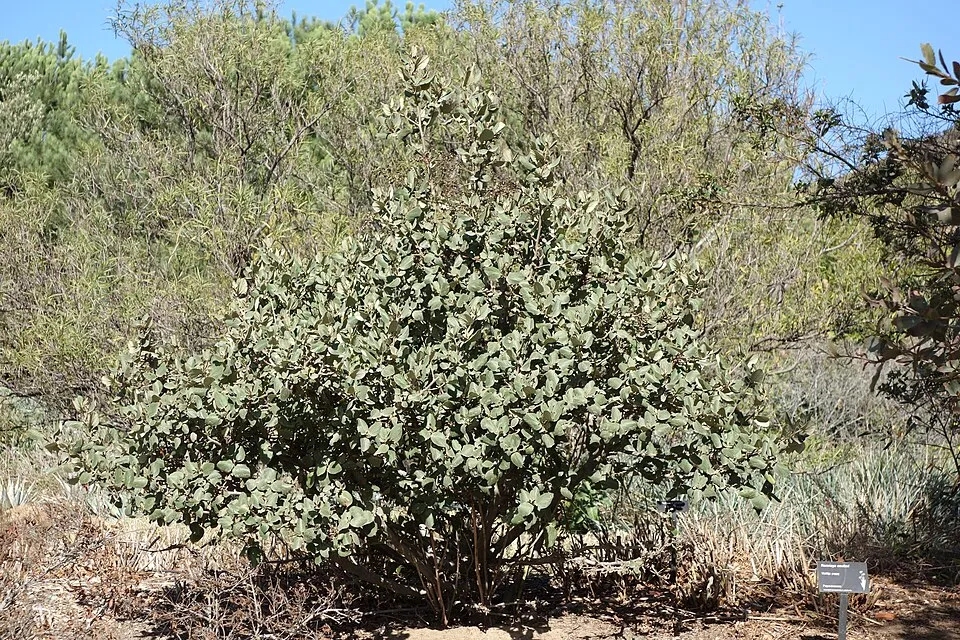
Romneya coulteri, universally recognized as the Coulter's Matilija Poppy or California Tree Poppy, is a majestic perennial shrub indigenous to the sun-drenched landscapes of Southern California and extending into Northern Baja California, Mexico. As a distinguished member of the Papaveraceae family, it shares lineage with other well-known poppies. This magnificent plant commands attention with its extraordinarily large, solitary, and saucer-shaped flowers, which impressively span 4 to 6 inches (10-15 cm) in diameter. Each bloom features luminous, crinkled white petals, often described as having a delicate, tissue-papery texture, elegantly encircling a prominent central boss of vibrant golden-yellow stamens, creating a dramatic visual spectacle.
Blooming predominantly from late spring through summer, its flowering can sporadically continue into the fall, particularly in milder climates or with diligent watering and deadheading. The foliage of Romneya coulteri is equally captivating, presenting deeply lobed and pinnately compound leaves with an attractive silvery-green or bluish-green hue. This distinctive coloration provides a striking contrast to the brilliant white flowers, ensuring year-round aesthetic appeal. The stems, woody at their base, transition to herbaceous and slightly fuzzy towards their tips, capable of reaching impressive heights of 5 to 10 feet (1.5-3 meters) or more, with a similar spread, forming a dense, shrubby habit.
Romneya coulteri is a vigorous grower, known for its ability to spread via robust rhizomes, forming expansive thickets over time. While it is not typically considered invasive within its native range or in well-managed garden settings, its robust nature and remarkable adaptability make it a highly coveted choice for ornamental gardening, excelling particularly in Mediterranean or dry garden styles. The plant is also celebrated for its exceptional resilience, tolerating profound drought conditions once established and thriving in conditions ranging from full sun to partial shade. Its spectacular floral display, attractive foliage, and adaptable nature collectively establish Romneya coulteri as a truly exceptional and sought-after specimen, embodying the wild beauty of California's flora.
Trusted Scientific References
1. Authoritative external sources for Romneya Coulteri
1.1 Wikipedia — Romneya Coulteri
1.2 Kew POWO (Plants of the World Online)
1.3 PubMed — peer-reviewed research
1.4 NCBI Taxonomy Browser
1.5 GBIF — Global Biodiversity
1.1.Romneya Coulteri — Highlights
- ✓Botanical Name — Romneya coulteri
- ✓Common Names — Coulter's Matilija Poppy, California Tree Poppy
- ✓Family — Papaveraceae (Poppy Family)
- ✓Native Range — Southern California, Northern Baja California
- ✓Flower Description — Large (4-6 inch), crinkled white petals surrounding golden stamens
- ✓Foliage — Deeply lobed, pinnately compound, silvery-green to bluish-green leaves
- ✓Growth Habit — Fast-growing perennial shrub, reaching 5-10 feet tall and wide
- ✓Soil Preference — Thrives in poor, rocky, well-draining soils; dislikes rich, heavy soil
- ✓Drought Tolerance — Exceptional drought tolerance once established
- ✓Fire Ecology — Highly adapted to fire, often regenerating vigorously from rhizomes post-fire
- ✓Ornamental Value — Highly prized for its dramatic floral display in gardens
1.2.Romneya Coulteri — Concise Overview
- ✓Romneya coulteri is a striking California native perennial, known as Matilija Poppy.
- ✓Features large, crinkled white flowers with golden centers and silvery-green foliage.
- ✓Highly drought-tolerant and fire-adapted, thriving in poor, well-draining soils.
- ✓Primarily valued as an ornamental garden plant, spreading via rhizomes.
- ✓Belongs to the Papaveraceae family, implying potential alkaloid content, but specific medicinal uses are undocumented.
- ✓Requires aggressive annual pruning for optimal vigor and bloom production.
2.Romneya Coulteri — Nomenclature & Classification
3.Romneya Coulteri — Vital Statistics
4.Romneya Coulteri — Physical Description
5.Romneya Coulteri — Native Range & Habitat
6.Romneya Coulteri — Folk Medicine Applications
7.Romneya Coulteri — Key Phytochemicals
- ✓Alkaloids — While not fully characterized for Romneya coulteri, other Papaveraceae members are rich in isoquinoline alkaloids (e.g., protopine, allocryptopine) which can have various pharmacological effects, including potential analgesic or sedative properties.
- ✓Flavonoids — These ubiquitous plant pigments are potent antioxidants and often possess anti-inflammatory and free-radical scavenging activities, likely present in the leaves and flowers.
- ✓Phenolic Acids — Compounds such as caffeic acid and ferulic acid are expected, contributing to the plant's antioxidant defense mechanisms and potential anti-inflammatory actions.
- ✓Terpenoids — Various terpenes and terpenoids may be present, contributing to the plant's aroma and potentially offering insect-repellent or antimicrobial properties, though unquantified.
- ✓Polysaccharides — Structural carbohydrates and mucilage are likely present, offering demulcent or soothing properties if extracts were to be used topically.
- ✓Saponins — These glycosides can have emulsifying properties and are sometimes associated with expectorant or anti-inflammatory actions, though their specific role in Romneya coulteri is unknown.
- ✓Tannins — Astringent compounds that can contribute to wound healing or anti-inflammatory effects through protein precipitation, potentially found in the plant's vegetative parts.
- ✓Fatty Acids — Seeds of poppy family members often contain various fatty acids, which could be a source of nutritional oils, although Romneya coulteri seeds are not typically consumed.
- ✓Carotenoids — Pigments responsible for yellow and orange hues, likely contributing to the golden stamens and offering antioxidant benefits.
- ✓Glycosides — Various types of glycosides, beyond saponins, may be present, influencing plant defense or having potential biological activities.
8.Romneya Coulteri — Scientific Evidence
- ✓Potential Mild Analgesic — Based on its family (Papaveraceae), some members contain alkaloids that have been traditionally associated with mild pain-relieving properties, though specific efficacy for Romneya coulteri is unproven.
- ✓Hypothetical Sedative Effects — Certain poppy species are known for compounds that can induce relaxation; Romneya coulteri's potential for similar mild sedative actions remains to be researched.
- ✓Traditional Antispasmodic Potential — The Papaveraceae family often includes plants with compounds that can help alleviate muscle spasms, a property that might hypothetically extend to Romneya coulteri.
- ✓Anti-inflammatory Properties (Exploratory) — Like many plants, Romneya coulteri likely contains flavonoids and phenolic acids that could offer general anti-inflammatory benefits, pending specific study.
- ✓Antioxidant Support — The presence of various plant compounds suggests potential antioxidant activity, which helps protect cells from oxidative stress, though not specifically quantified for this species.
- ✓Topical Soothing (Unsubstantiated) — Historically, some plant saps have been used externally for minor skin irritations; Romneya coulteri's sap has not been studied for such specific applications.
- ✓Respiratory Support (Historical Family Use) — While not documented for Romneya coulteri, some poppy relatives have traditional uses for respiratory discomfort, warranting cautious investigation.
- ✓Stress Reduction (Aesthetic/Holistic) — Its striking beauty and natural resilience, as observed in horticultural settings, contribute to psychological well-being and a sense of calm.
- ✓General Immune Modulation (Hypothetical) — Polysaccharides and other compounds found in plants can sometimes support immune function; specific research for Romneya coulteri is needed.
- ✓Digestive Comfort (Traditional Context) — Some traditional herbal systems use poppy family members for mild digestive complaints, a role not yet substantiated for Romneya coulteri.
8.1.Romneya Coulteri — Therapeutic Indications
9.Romneya Coulteri — Safety Considerations
9.1.Romneya Coulteri — Reported Side Effects
- ✓Gastrointestinal Upset — Internal consumption of Romneya coulteri is not recommended and could potentially lead to nausea, vomiting, or stomach discomfort due to unknown compounds.
- ✓Allergic Reactions — Individuals sensitive to plants in the Papaveraceae family or other botanical allergens may experience skin irritation or respiratory symptoms upon contact or exposure to pollen.
- ✓Potential Sedation — As a member of the poppy family, it may contain alkaloids that could hypothetically cause mild drowsiness or central nervous system depression if ingested.
- ✓Unknown Toxicity — Comprehensive toxicity studies for human ingestion of Romneya coulteri are lacking, making internal use highly risky and unadvised.
- ✓Drug Interactions (Hypothetical) — If ingested, certain compounds could potentially interact with medications, especially sedatives, anticoagulants, or other pharmaceutical drugs.
- ✓Skin Irritation — Direct contact with the plant's sap or foliage may cause mild skin irritation or dermatitis in sensitive individuals.
9.2.Romneya Coulteri — Toxicity Assessment
- ✓Not for Internal Consumption — Romneya coulteri is strictly an ornamental plant; internal use is not traditionally or scientifically supported and is considered unsafe.
- ✓Pregnancy & Lactation — Avoid use entirely during pregnancy and lactation due to the complete lack of safety data and potential alkaloid content.
- ✓Keep Away from Children — Ensure children and pets do not ingest any part of the plant to prevent accidental poisoning due to unknown toxicity.
- ✓Allergic Individuals Caution — Individuals with known allergies, especially to members of the Papaveraceae family, should handle the plant with care.
- ✓Consult a Professional — Always consult a qualified healthcare provider or medical herbalist before considering any use, especially if considering topical application.
- ✓Potential Alkaloids — As a poppy family member, it may contain various alkaloids; the specific types and their concentrations in Romneya coulteri are not well-studied.
- ✓External Use with Patch Test — If considering any topical application, perform a small patch test on the skin first to check for adverse reactions.
10.Romneya Coulteri — Usage Guide
- ✓Ornamental Landscaping — Primarily cultivated for its spectacular aesthetic appeal in native, Mediterranean, and drought-tolerant garden designs.
- ✓Focal Point Plant — Its large, striking flowers and architectural form make it an excellent specimen plant or background shrub in mixed borders.
- ✓Ecological Restoration — Utilized in native plant restoration projects, particularly in Southern California, due to its resilience and fire-adaptive qualities.
- ✓Cut Flower Display (Short-lived) — Blooms can be cut for indoor arrangements, though they typically last only 12-48 hours, providing a temporary burst of beauty.
- ✓Erosion Control — Its extensive rhizomatous root system makes it useful for stabilizing slopes and preventing soil erosion in suitable habitats.
- ✓Botanical Study — Valued by botanists and horticulturists for its unique adaptations, taxonomic position, and ecological interactions.
- ✓Traditional External Use (Hypothetical) — While not documented for Romneya coulteri, some Papaveraceae members have been traditionally used topically for skin soothing; caution is advised due to unknown specific properties.
11.Romneya Coulteri — Cultivation & Care
- ✓Soil Preference — Thrives in very poor, rocky, sandy, or gravely, well-draining soils; avoids rich, heavy, or waterlogged conditions.
- ✓Light Requirements — Prefers full sun exposure but can tolerate partial shade, especially in hotter inland climates.
- ✓Watering — Highly drought-tolerant once established; requires infrequent, deep watering, particularly during prolonged dry periods.
- ✓Pruning — Benefits from aggressive cutting back to 2-4 inches from the ground in late fall or early winter to encourage vigorous new spring growth and abundant blooms.
- ✓Propagation — Primarily propagated by rhizome division in fall or early spring; seeds can be challenging to germinate and may require fire scarification or cold stratification.
- ✓Climate & Hardiness — Best suited for Mediterranean climates, hardy in USDA Zones 7-10, tolerating mild frosts.
- ✓Spacing — Given its rhizomatous spread, allow ample space (5-10 feet) to accommodate its mature size and natural expansion.
- ✓Pest & Disease Resistance — Generally robust and resistant to most common garden pests and diseases when grown in suitable conditions.
Reviewed by the Flora Medical Global Botanical Review Panel
Multi-disciplinary editorial group · Botany · Ethnobotany · Herbal-medicine literature
Who reviewed this: This page was checked by the Flora Medical Global Botanical Review Panel — an in-house editorial group of botany graduates, ethnobotany researchers, and horticulture practitioners who collectively maintain our 7,000+ plant encyclopedia. Meet the team.
Our 4-step verification process
1. Taxonomic verification
Scientific names and synonyms cross-checked against Kew POWO, World Flora Online, and The Plant List.
2. Phytochemical & medicinal cross-reference
Active compounds, traditional uses, and reported activities are cross-referenced with PubMed, USDA Dr. Duke's database, and peer-reviewed ethnobotanical literature.
3. Conservation & distribution check
Distribution, ecology, and conservation status confirmed against GBIF occurrence records and the IUCN Red List.
4. Editorial & safety review
Every entry passes an editorial pass for clarity, originality, and safety notices (toxicity, contraindications, dosage caveats) before publication.
Last reviewed:
Important medical disclaimer: This content is for educational and research purposes only. It is not medical advice and is not a substitute for consultation with a licensed healthcare provider. Do not use any herb to self-treat a medical condition without professional guidance.
Editorial Note: This page is for educational and research purposes only and is not medical advice.
Written by: Flora Medical Global Editorial Team
Reviewed by: Flora Medical Global Botanical Review Panel
Last Updated: June 15, 2026





Romneya Coulteri — Comments & Community Reviews
Rate this plant