
Medical Disclaimer: This content is for educational purposes only. It is not medical advice. Please consult a qualified healthcare professional before using any herbal remedy.
Safety Overview
1.Rose Miniature — Botanical Snapshot
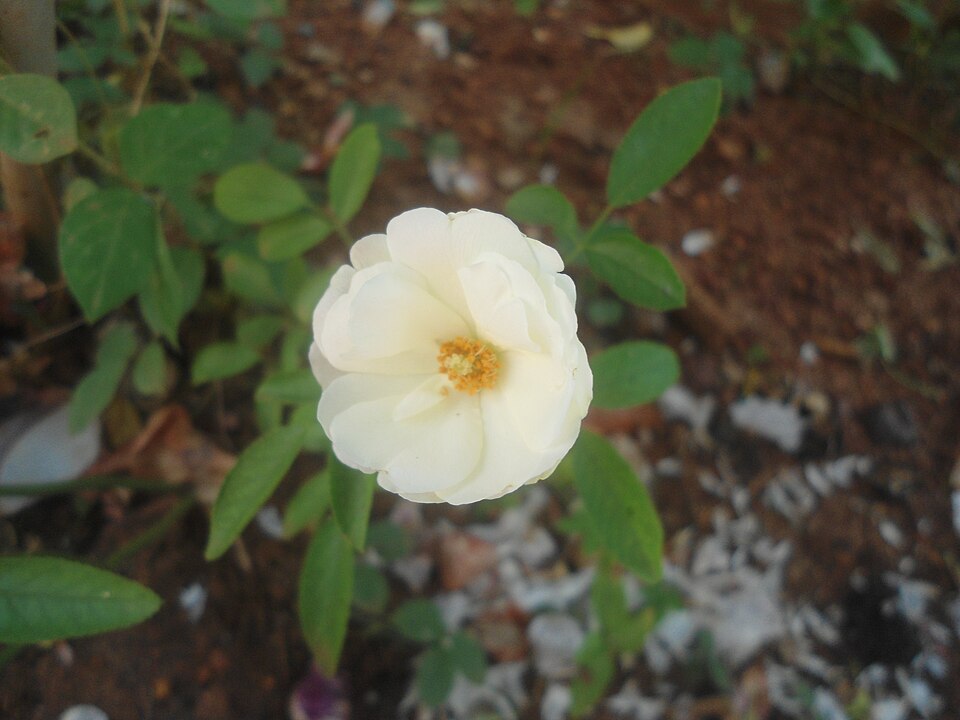
The Miniature Rose, scientifically known as Rosa miniature, represents a delightful and highly cultivated subgroup within the extensive Rosa genus, belonging to the Rosaceae family. These charming plants are celebrated for their exceptionally compact stature, typically reaching no more than 2 feet (60 cm) in height, making them an ideal choice for diverse gardening applications where space is at a premium. Unlike their larger shrub or climbing relatives, their diminutive size enhances their ornamental appeal, enabling gardeners to craft intricate and vibrant displays in containers, window boxes, and small garden borders. Miniature roses are complex hybrids, meticulously bred over generations to encapsulate the classic rose form and often a sweet fragrance within a petite package.
They feature smaller, finer foliage than standard roses, frequently exhibiting a glossy sheen that further emphasizes their delicate nature. The blooms, while proportionally smaller, showcase an impressive spectrum of colors, mirroring the full range found in larger roses—from vibrant reds and soft pinks to sunny yellows, creamy whites, and blushing oranges, often with captivating bi-colored petals. Many varieties enchant with a delightful, characteristic rose scent. These versatile plants thrive in pots, hanging baskets, and as indoor houseplants, provided they receive ample sunlight and attentive care.
Their extended blooming season, spanning from late spring through autumn, ensures a continuous spectacle of beauty. Miniature roses are remarkably resilient, adapting to various conditions, though they prefer well-draining, fertile soil, full sun exposure, and consistent watering. Their manageable size simplifies maintenance, making pruning less daunting than for their larger counterparts, and they bring the grandeur of a rose garden to even the most intimate settings.
Trusted Scientific References
1. Authoritative external sources for Rosa miniature
1.1 Wikipedia — Rosa miniature
1.2 Kew POWO (Plants of the World Online)
1.3 PubMed — peer-reviewed research
1.4 NCBI Taxonomy Browser
1.5 GBIF — Global Biodiversity
1.1.Rose Miniature — Distinguishing Points
- ✓Compact Growth Habit — Typically grows under 2 feet (60 cm) in height, perfect for small spaces.
- ✓Abundant, Delicate Blooms — Produces numerous small, classic rose-shaped flowers consistently.
- ✓Diverse Color Spectrum — Flowers come in vibrant reds, pinks, yellows, whites, oranges, and bi-colors.
- ✓Sweet Fragrance — Many varieties possess a delightful, characteristic rose scent.
- ✓Fine, Glossy Foliage — Features smaller, often shinier leaves compared to standard roses.
- ✓Long Blooming Season — Offers continuous flowering from late spring through fall.
- ✓High Ornamental Value — Excellent for containers, borders, window boxes, and indoor decoration.
- ✓Adaptable and Resilient — Tolerates various growing conditions with appropriate care.
- ✓Rich in Bioactive Compounds — Contains antioxidants, anti-inflammatory agents, and essential oils common to the Rosa genus.
- ✓Low Maintenance Pruning — Manageable size makes pruning and general care less intensive.
1.2.Rose Miniature — Snapshot Summary
- ✓Miniature Rose (Rosa miniature) is a compact, ornamental hybrid celebrated for its delicate, abundant blooms.
- ✓A member of the Rosaceae family, it shares many beneficial properties with the wider Rosa genus.
- ✓Valued for its antioxidant, anti-inflammatory, and mood-enhancing characteristics.
- ✓Rich in polyphenols, vitamins, and fragrant terpenes, supporting skin health and general well-being.
- ✓Highly versatile in cultivation, ideal for small spaces, and offers diverse cosmetic and subtle culinary uses.
- ✓Generally safe for external use, but caution is advised for allergies and during pregnancy; prioritize quality sourcing.
2.Rose Miniature — Nomenclature & Classification
3.Rose Miniature — Vital Statistics
4.Rose Miniature — Botanical Features
5.Rose Miniature — Ecological Habitat
6.Rose Miniature — Traditional Uses
7.Rose Miniature — Chemical Profile
- ✓Polyphenols — Include flavonoids (e.g., quercetin, kaempferol, anthocyanins) and phenolic acids (e.g., gallic acid, ellagic acid), which are potent antioxidants and anti-inflammatory agents.
- ✓Terpenes and Terpenoids — Primarily responsible for the characteristic rose fragrance; key compounds like geraniol, citronellol, nerol, and farnesol also possess antimicrobial and sedative properties.
- ✓Vitamins — Rose hips, in particular, are exceptionally rich in Vitamin C (ascorbic acid), a powerful antioxidant vital for immune function and collagen synthesis, alongside smaller amounts of Vitamins A and E.
- ✓Essential Fatty Acids — Found predominantly in rose hips, including linoleic acid (Omega-6) and alpha-linolenic acid (Omega-3), crucial for maintaining skin barrier function and reducing inflammation.
- ✓Tannins — Astringent compounds present in various parts of the plant, contributing to its ability to tighten tissues, reduce inflammation, and offer mild antiseptic effects.
- ✓Pectins — Soluble fibers concentrated in rose hips, beneficial for digestive health, blood sugar regulation, and cholesterol management.
- ✓Carotenoids — Pigments like beta-carotene, lycopene, and zeaxanthin, providing antioxidant protection and precursors to Vitamin A, supporting vision and skin health.
- ✓Anthocyanins — Water-soluble pigments responsible for the red, pink, and purple hues of rose petals, acting as powerful antioxidants and exhibiting anti-inflammatory activities.
- ✓Sterols — Plant sterols such as beta-sitosterol, which may contribute to anti-inflammatory and cholesterol-lowering effects.
8.Rose Miniature — Evidence-Based Benefits
- ✓Anti-inflammatory Actions — Rose extracts contain compounds like flavonoids and phenolic acids that help mitigate inflammation, offering potential relief for various inflammatory conditions.
- ✓Antioxidant Properties — Rich in polyphenols and vitamin C, rose helps combat oxidative stress by neutralizing harmful free radicals, thereby protecting cellular integrity and promoting overall health.
- ✓Antidepressant and Anxiolytic Effects — Rose essential oil and extracts are traditionally used in aromatherapy to alleviate symptoms of mild depression, stress, and anxiety, possibly by influencing neurotransmitter activity and promoting relaxation.
- ✓Antimicrobial Activity — Rose water and specific extracts exhibit antibacterial and antifungal effects against various microbiota, making them beneficial for skin care, minor wound healing, and combating topical infections.
- ✓Pain Relief (Analgesic) — Traditional applications of rose preparations suggest their efficacy in managing pain, including dysmenorrhea (menstrual cramps), likely due to their anti-inflammatory and soothing properties.
- ✓Skin Health and Anti-aging — Rose, particularly rose water, is highly valued in cosmetics for its hydrating, toning, and astringent properties, promoting skin elasticity, reducing redness, and minimizing signs of aging.
- ✓Digestive Support — Certain Rosa species have been traditionally employed to soothe stomach aches and alleviate mild diarrhea, indicating potential mild astringent and anti-spasmodic effects on the gastrointestinal tract.
- ✓Blood Sugar Regulation — Some traditional uses of Rosa species suggest a role in managing blood sugar levels, though this benefit requires further scientific validation for specific rose types.
- ✓Menstrual Health Support — Beyond pain relief, rose preparations are used in traditional systems to address menoxenia or irregular menstrual cycles, aiming to promote hormonal balance.
- ✓Wound Healing Enhancement — The combined antimicrobial and anti-inflammatory properties of rose extracts can support the natural healing process of minor cuts, abrasions, and skin irritations.
8.1.Rose Miniature — Conditions Traditionally Used For
9.Rose Miniature — Safety Considerations
9.1.Rose Miniature — Warnings
- ✓Allergic Reactions — Some individuals may experience skin irritation, redness, itching, or contact dermatitis when topical rose products are used, or rare systemic allergic reactions upon ingestion.
- ✓Photosensitivity — While uncommon, certain rose extracts may rarely increase skin sensitivity to sunlight, particularly in individuals prone to photodermatitis.
- ✓Digestive Upset — High doses of rose hip preparations, especially due to their vitamin C content, can potentially cause mild gastrointestinal discomfort, including diarrhea, stomach cramps, or nausea.
- ✓Drug Interactions — Rose preparations, particularly those containing significant amounts of vitamin K (found in some rose hips), could theoretically interact with anticoagulant medications, though this is less documented for petal-based products.
- ✓Contamination Risk — Products not sourced from reputable suppliers may contain pesticides, heavy metals, or other contaminants, leading to adverse health effects.
- ✓Laxative Effect — Large quantities of rose hips, due to their fiber content, may exert a mild laxative effect.
9.2.Rose Miniature — Risk Assessment
- ✓Pregnancy and Lactation — Pregnant or breastfeeding individuals should consult a healthcare professional before therapeutic use of rose products due to limited specific safety data.
- ✓Children — Topical application of rose water or mild rose preparations is generally considered safe for children, but internal therapeutic use should be guided by a medical expert.
- ✓Allergy Patch Test — Always perform a patch test on a small, inconspicuous area of skin before widespread topical application to check for potential allergic reactions or sensitivities.
- ✓Quality Sourcing — It is crucial to source rose products from reputable and certified suppliers to ensure purity, absence of pesticides, and overall product safety.
- ✓Dosage Adherence — When consuming rose preparations internally, strictly adhere to recommended dosages, as excessive intake may lead to mild digestive discomfort.
- ✓Medical Conditions — Individuals with pre-existing medical conditions, especially those on prescription medications, should seek professional medical advice before incorporating rose products into their therapeutic regimen.
- ✓External Use Predominance — While the Rosa genus offers medicinal benefits, Rosa miniature is primarily an ornamental hybrid, and its internal therapeutic use should be approached with caution and specific knowledge.
10.Rose Miniature — Preparations & Uses
- ✓Rose Water — Distill fresh, unsprayed rose petals to produce aromatic rose water, commonly used as a gentle facial toner, soothing body mist, or a delicate flavor enhancer in culinary dishes.
- ✓Herbal Tea — Infuse dried rose petals or rose hips in hot water for 5-10 minutes to create a fragrant, antioxidant-rich herbal tea, often consumed for relaxation and digestive comfort.
- ✓Tincture — Macerate fresh or dried rose petals or hips in food-grade alcohol to extract beneficial compounds, used internally in small, diluted doses or applied topically for skin conditions.
- ✓Infused Oil — Gently steep fresh or dried rose petals in a carrier oil (such as jojoba or almond oil) for several weeks to create a fragrant and moisturizing oil for massage, skin hydration, or bath use.
- ✓Culinary Applications — Incorporate fresh, unsprayed rose petals into salads, desserts, jams, jellies, or as an elegant garnish to add a floral note and visual appeal.
- ✓Topical Compresses — Prepare a strong rose tea, allow it to cool, and then soak a cloth to create compresses for soothing irritated skin, reducing puffiness around the eyes, or calming minor burns.
- ✓Bath Additive — Add dried rose petals and a few drops of rose essential oil (from suitable species like Rosa damascena) to bathwater for a luxurious, aromatic, and skin-softening experience.
- ✓Potpourri and Sachets — Dry rose petals thoroughly and combine with other fragrant botanicals to create natural potpourri or sachets for scenting rooms and linens.
11.Rose Miniature — How to Grow
- ✓Site Selection — Plant Miniature Roses in a location receiving a minimum of 6-8 hours of direct sunlight daily for optimal growth and abundant flowering.
- ✓Soil Requirements — Ensure well-draining, fertile soil rich in organic matter, with a slightly acidic to neutral pH range of 6.0 to 6.5.
- ✓Watering — Water deeply and consistently, especially during dry spells, keeping the soil moist but never waterlogged to prevent root rot.
- ✓Fertilization — Apply a balanced rose-specific fertilizer every 4-6 weeks throughout the active growing season to support vigorous growth and continuous blooming.
- ✓Pruning — Conduct annual pruning in late winter or early spring to remove dead, diseased, or weak canes, shape the plant, and encourage healthy new shoots. Deadhead spent blooms regularly to promote further flowering.
- ✓Pest and Disease Management — Regularly inspect plants for common rose pests like aphids and spider mites, and fungal diseases such as black spot and powdery mildew; address issues promptly using appropriate organic or chemical treatments.
- ✓Container Growing — For potted Miniature Roses, use containers with adequate drainage holes and a high-quality potting mix, ensuring sufficient space for root development.
- ✓Winter Protection — In colder climates, provide winter protection by mulching heavily around the base of outdoor plants or moving containerized roses to a sheltered, unheated area.
Reviewed by the Flora Medical Global Botanical Review Panel
Multi-disciplinary editorial group · Botany · Ethnobotany · Herbal-medicine literature
Who reviewed this: This page was checked by the Flora Medical Global Botanical Review Panel — an in-house editorial group of botany graduates, ethnobotany researchers, and horticulture practitioners who collectively maintain our 7,000+ plant encyclopedia. Meet the team.
Our 4-step verification process
1. Taxonomic verification
Scientific names and synonyms cross-checked against Kew POWO, World Flora Online, and The Plant List.
2. Phytochemical & medicinal cross-reference
Active compounds, traditional uses, and reported activities are cross-referenced with PubMed, USDA Dr. Duke's database, and peer-reviewed ethnobotanical literature.
3. Conservation & distribution check
Distribution, ecology, and conservation status confirmed against GBIF occurrence records and the IUCN Red List.
4. Editorial & safety review
Every entry passes an editorial pass for clarity, originality, and safety notices (toxicity, contraindications, dosage caveats) before publication.
Last reviewed:
Important medical disclaimer: This content is for educational and research purposes only. It is not medical advice and is not a substitute for consultation with a licensed healthcare provider. Do not use any herb to self-treat a medical condition without professional guidance.
Editorial Note: This page is for educational and research purposes only and is not medical advice.
Written by: Flora Medical Global Editorial Team
Reviewed by: Flora Medical Global Botanical Review Panel
Last Updated: June 15, 2026





Rose Miniature — Comments & Community Reviews
Rate this plant