
Medical Disclaimer: This content is for educational purposes only. It is not medical advice. Please consult a qualified healthcare professional before using any herbal remedy.
Safety Overview
1.Rose Shrub — Essential Profile
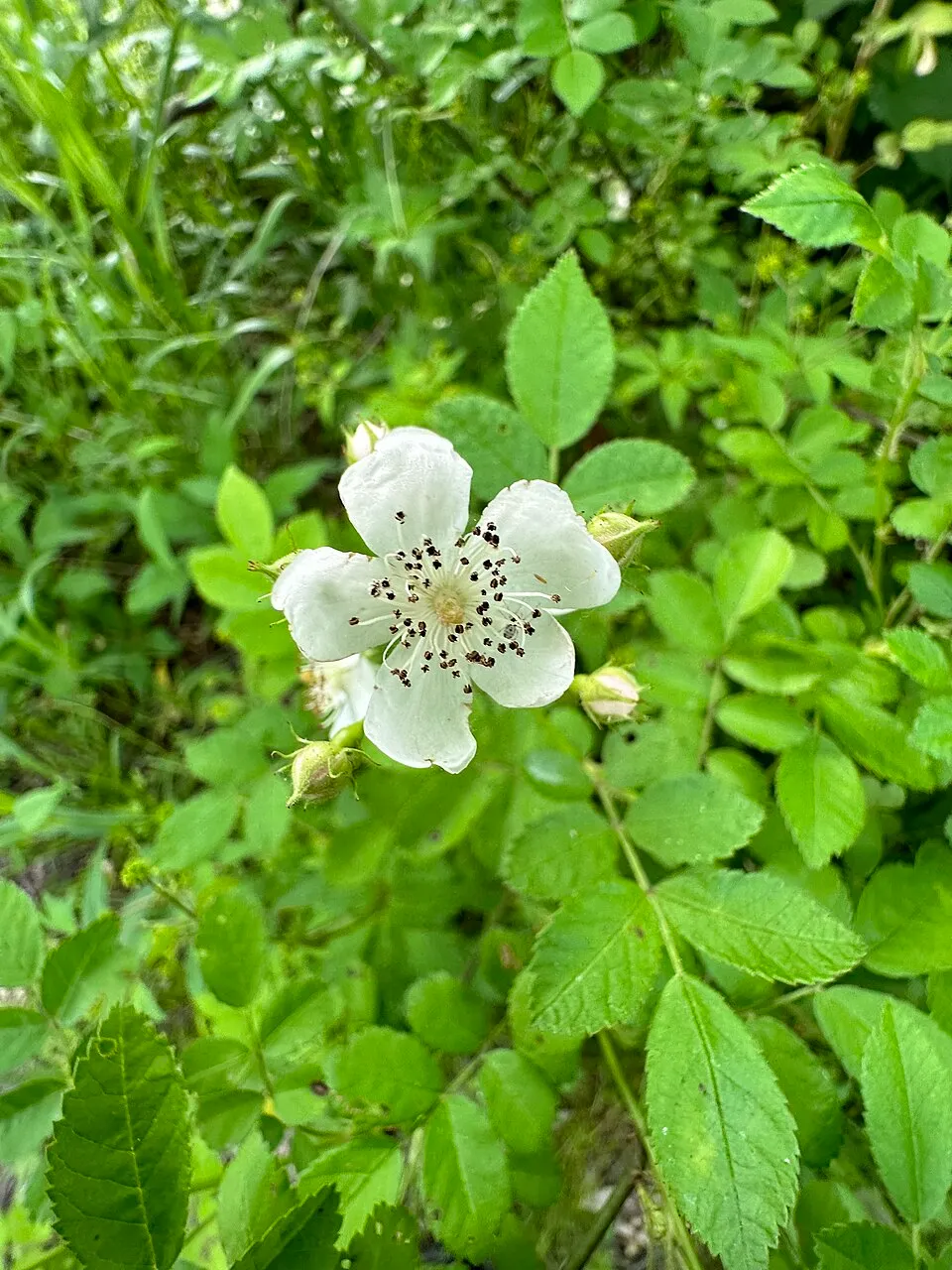
The Rose shrub, botanically known as Rosa spp., is a cherished woody perennial flowering plant belonging to the expansive Rosaceae family. This genus encompasses thousands of diverse cultivars, ranging from compact miniature roses to sprawling climbers, all characterized by their often fragrant blooms and thorny stems. Roses are globally celebrated for their aesthetic appeal, cultivated extensively in gardens, parks, and landscapes across various climates.
Morphologically, a typical rose features compound leaves with serrated leaflets, and flowers that can be solitary or borne in clusters, showcasing a rich palette of colors, forms, and petal arrangements. The flowers develop into a fleshy, often red or orange fruit called a rose hip, which is a key botanical feature with significant medicinal value. While many species are native to Asia, Europe, and North America, their adaptability and beauty have led to widespread cultivation and hybridization, resulting in the vast diversity seen today.
The thorns, technically prickles, serve as a defense mechanism against herbivores, reflecting the plant's ancient and protective nature. Beyond their ornamental value, various parts of the Rose shrub, particularly the petals and hips, have been utilized for centuries in traditional medicine and culinary practices.
Trusted Scientific References
1. Authoritative external sources for Rosa shrub
1.1 Wikipedia — Rosa shrub
1.2 Kew POWO (Plants of the World Online)
1.3 PubMed — peer-reviewed research
1.4 NCBI Taxonomy Browser
1.5 GBIF — Global Biodiversity
1.6Rose Shrub should be interpreted through verified botanical identity, practical care, and responsible safety language. This recovery note adds the missing context needed for a complete profile: match light to the plant's habit, use well-drained soil, water according to season, and avoid unsupported medicinal or edible claims. For publishing, the plant can be presented as a source-backed garden plant with clear care guidance, common problem diagnosis, and conservative safety wording.
1.1.Rose Shrub — Notable Characteristics
- ✓Rich in Vitamin C — Rose hips are among the highest natural sources of ascorbic acid, vital for immune health.
- ✓Potent Antioxidant Profile — Contains flavonoids, anthocyanins, and carotenoids that combat oxidative stress.
- ✓Anti — inflammatory Properties — Effective in reducing inflammation both internally and externally due to terpenes and phenolic compounds.
- ✓Aromatic and Calming — Rose essential oil is widely used in aromatherapy for its soothing, anxiolytic, and mood-uplifting effects.
- ✓Skin Rejuvenation — Known for its astringent, antiseptic, and hydrating qualities, beneficial for various skin conditions.
- ✓Digestive Aid — Supports gut health, aids digestion, and can alleviate mild constipation and bloating.
- ✓Traditional Medicinal History — Valued for millennia in Ayurvedic, TCM, and Western herbal traditions for diverse ailments.
- ✓Adaptogenic — like Qualities — Considered a 'rasayana' in Ayurveda, suggesting rejuvenative and balancing effects on the body and mind.
- ✓Versatile Usage — Utilized in teas, oils, tinctures, culinary dishes, and topical applications.
- ✓Symbolic and Cultural Significance — Revered globally as a symbol of love, beauty, and protection.
1.2.Rose Shrub — Concise Overview
- ✓Rose (Rosa spp.) is a versatile plant renowned for its beauty and significant medicinal properties.
- ✓Rose hips are a powerhouse of Vitamin C and antioxidants, boosting immunity and overall vitality.
- ✓Rose petals and essential oil offer anti-inflammatory, calming, and skin-healing benefits.
- ✓Historically used across cultures for digestive aid, mood elevation, and reproductive health.
- ✓Essential for immune support, skin care, and emotional well-being, with proper usage and safety considerations.
- ✓Cultivation requires ample sunlight, well-drained soil, and consistent care for optimal growth and bloom.
2.Rose Shrub — Scientific Identity
3.Rose Shrub — Fact Sheet
4.Rose Shrub — Physical Description
5.Rose Shrub — Native Range & Habitat
6.Rose Shrub — Folk Medicine Applications
7.Rose Shrub — Phytochemistry
- ✓Ascorbic Acid (Vitamin C) — Abundant in rose hips, this potent antioxidant is crucial for immune function, collagen synthesis, and protecting cells from oxidative damage.
- ✓Flavonoids — Including quercetin, kaempferol, and anthocyanins, found in petals and hips, these compounds are responsible for much of rose's anti-inflammatory, antioxidant, and cardiovascular protective actions.
- ✓Anthocyanins — Pigments providing red, purple, and blue hues to rose petals, they are powerful antioxidants with demonstrated anti-inflammatory and vascular-strengthening properties.
- ✓Carotenoids — Such as beta-carotene and lycopene, present in rose hips, contributing to their color and offering antioxidant benefits, important for vision and skin health.
- ✓Terpenes/Terpenoids — Key components of rose essential oil (e.g., geraniol, citronellol, nerol), imparting its characteristic fragrance and contributing to its antimicrobial, anti-inflammatory, and anxiolytic effects.
- ✓Tannins — Astringent compounds found in petals and hips, contributing to rose's ability to tighten tissues, reduce inflammation, and act as an antimicrobial, useful for digestive complaints and skin issues.
- ✓Pectin — A soluble fiber concentrated in rose hips, aiding digestion, promoting gut health, and contributing to a feeling of fullness.
- ✓Gallic Acid — A phenolic acid with strong antioxidant, anti-inflammatory, and antimicrobial properties, present in various parts of the rose plant.
- ✓Essential Fatty Acids — Rose hips contain linoleic and alpha-linolenic acids, important for skin health and overall cellular function.
- ✓Volatile Oils — A complex mixture primarily from petals, containing over 300 compounds, responsible for the unique aroma and many therapeutic effects including calming and antiseptic properties.
- ✓Tocopherols (Vitamin E) — Found in rose hips, this fat-soluble antioxidant protects cell membranes from oxidative damage and supports skin health.
8.Rose Shrub — Pharmacological Findings
- ✓Immune System Support — Rose hips are exceptionally rich in Vitamin C, flavonoids, and other antioxidants, which collectively bolster the immune system, helping the body defend against infections and oxidative stress.
- ✓Anti-inflammatory Action — Rose petals and essential oil contain compounds like terpenes and flavonoids that exhibit potent anti-inflammatory effects, useful in mitigating systemic inflammation and localized discomfort.
- ✓Digestive Health Aid — Rose preparations can act as mild laxatives and carminatives, promoting healthy digestion, alleviating constipation, and reducing bloating and gas. They also possess probiotic qualities that support beneficial gut flora.
- ✓Anxiolytic and Antidepressant Effects — The aromatic compounds in rose essential oil and hydrosols have nervine properties, helping to calm the nervous system, reduce anxiety, and uplift mood, often used in aromatherapy.
- ✓Skin Healing and Rejuvenation — Rosewater and rose oil are astringent, antiseptic, and anti-inflammatory, making them excellent for soothing irritated skin, reducing redness, healing minor wounds, and maintaining skin hydration.
- ✓Cardiovascular Support — Flavonoids and anthocyanins in roses contribute to cardiovascular health by supporting blood vessel integrity and improving circulation, acting as a mild cardiotonic.
- ✓Reproductive Tonic and Emmenagogue — Traditionally, rose has been used to address imbalances in the female reproductive system, easing menstrual cramps, regulating flow, and acting as a uterine tonic.
- ✓Hepatoprotective Properties — Certain constituents in rose have shown hepatoprotective effects, supporting liver function and aiding in detoxification processes.
- ✓Analgesic Qualities — Applied topically or taken internally, rose can offer mild pain relief, particularly for inflammatory conditions like arthritis or muscle soreness.
- ✓Antimicrobial Activity — Rose extracts exhibit antibacterial and antiviral properties, useful in combating various pathogens, both internally and externally for conditions like sore throats or skin infections.
- ✓Diuretic and Detoxicant — Rose hips and petals can act as mild diuretics, assisting the kidneys in processing toxins and managing fluid imbalances, such as those leading to mild edema.
- ✓Aphrodisiac Qualities — Rose is traditionally revered as an aphrodisiac, believed to open the heart and body to intimacy and enhance desire through its calming and uplifting effects.
8.1.Rose Shrub — Health Applications
9.Rose Shrub — Safety Considerations
9.1.Rose Shrub — Warnings
- ✓Allergic Reactions — Some individuals may experience skin irritation, contact dermatitis, or mild allergic reactions when applying rose products topically, especially with essential oils.
- ✓Digestive Upset — Ingesting large quantities of rose hips or petals may occasionally lead to mild digestive upset, such as diarrhea or stomach cramps, due to their laxative properties.
- ✓Photosensitivity — While rare, some components in rose may potentially increase photosensitivity in highly sensitive individuals, particularly with concentrated extracts.
- ✓Medication Interactions — Rose preparations, especially concentrated forms, may theoretically interact with certain medications, such as blood thinners or diabetes medications, due to their Vitamin C and flavonoid content.
- ✓Pregnancy and Lactation — Caution is advised during pregnancy and while nursing, and consultation with a healthcare provider is recommended due to insufficient safety data for concentrated forms.
- ✓Aspiration Risk — Direct inhalation of essential oils, particularly in infants or individuals with respiratory sensitivities, should be avoided due to potential aspiration or irritation.
9.2.Rose Shrub — Safety Overview
- ✓Consult Healthcare Professional — Always consult a qualified healthcare provider before using rose medicinally, especially if pregnant, nursing, on medication, or having pre-existing health conditions.
- ✓Patch Test — Perform a patch test on a small area of skin before widespread topical application of rose essential oil or concentrated extracts to check for allergic reactions.
- ✓Adhere to Recommended Dosages — Follow standard dosages for rose preparations; excessive intake may lead to adverse effects.
- ✓Source Quality Products — Ensure rose products are sourced from reputable suppliers to guarantee purity and avoid contaminants or adulterants.
- ✓Avoid Undiluted Essential Oil — Never apply undiluted rose essential oil directly to the skin; always dilute it in a carrier oil before use.
- ✓Internal Use Caution — While rose tea and culinary uses are generally safe, exercise caution with concentrated internal extracts and essential oils, and only use under professional guidance.
- ✓Storage — Store rose preparations, especially essential oils and dried herbs, in cool, dark, airtight containers to maintain potency and prevent degradation.
10.Rose Shrub — Preparation Methods
- ✓Herbal Teas — Infuse dried rose petals or crushed rose hips in hot water for a soothing and immune-boosting beverage, often sweetened with honey.
- ✓Essential Oil — Dilute rose essential oil in a carrier oil for topical application in massage or skincare, or diffuse for aromatherapy to promote relaxation and uplift mood.
- ✓Rosewater — Use as a facial toner, setting spray, or mild antiseptic wash for skin; can also be incorporated into culinary dishes for its delicate flavor.
- ✓Tinctures and Extracts — Prepare alcoholic or glycerin-based tinctures from rose petals or hips for concentrated internal use as a nervine, anti-inflammatory, or immune tonic.
- ✓Culinary Applications — Incorporate fresh or dried rose petals into jams, jellies, desserts, syrups, or salads for flavor and aesthetic appeal.
- ✓Topical Compresses and Washes — Apply strong rose tea or rosewater as a compress for tired eyes, skin irritations, or as a mouthwash for gum health.
- ✓Sitz Baths — Use a strong rose infusion in sitz baths to soothe postpartum discomfort, hemorrhoids, or genitourinary inflammation.
- ✓Syrups and Honeys — Prepare rose-infused syrups or honeys for a pleasant way to consume its medicinal properties, often used for coughs or as a general tonic.
11.Rose Shrub — Garden Cultivation
- ✓Sunlight — Ensure at least 6-8 hours of direct, unfiltered sunlight daily for robust growth and abundant flowering; partial shade may be tolerated in very hot climates but can reduce bloom quality.
- ✓Soil Requirements — Plant in well-drained, fertile loamy soil with a slightly acidic to neutral pH (6.0-7.0); amend heavy clay or sandy soils generously with organic matter like compost to improve structure and nutrient retention.
- ✓Watering — Provide consistent, deep watering, especially during dry periods and active growth phases; water at the base of the plant to keep foliage dry, which helps prevent fungal diseases.
- ✓Pruning — Regular pruning is crucial for plant health, shape, and continuous bloom production; remove dead, diseased, or crossing branches, and deadhead spent flowers to encourage new flushes.
- ✓Fertilization — Feed roses with a balanced, slow-release granular fertilizer or a specialized rose food in early spring and again after the first major flush of blooms, strictly following product instructions.
- ✓Pest and Disease Management — Monitor plants diligently for common pests like aphids, spider mites, and thrips, and diseases such as black spot and powdery mildew; employ integrated pest management strategies, using organic or targeted chemical controls as necessary.
- ✓Propagation — Roses can be propagated through various methods including stem cuttings, budding, grafting, or from seeds (for species roses), with cuttings being a common approach for many cultivars.
- ✓Air Circulation — Ensure good air circulation around plants by proper spacing and pruning to minimize fungal disease risk.
Reviewed by the Flora Medical Global Botanical Review Panel
Multi-disciplinary editorial group · Botany · Ethnobotany · Herbal-medicine literature
Who reviewed this: This page was checked by the Flora Medical Global Botanical Review Panel — an in-house editorial group of botany graduates, ethnobotany researchers, and horticulture practitioners who collectively maintain our 7,000+ plant encyclopedia. Meet the team.
Our 4-step verification process
1. Taxonomic verification
Scientific names and synonyms cross-checked against Kew POWO, World Flora Online, and The Plant List.
2. Phytochemical & medicinal cross-reference
Active compounds, traditional uses, and reported activities are cross-referenced with PubMed, USDA Dr. Duke's database, and peer-reviewed ethnobotanical literature.
3. Conservation & distribution check
Distribution, ecology, and conservation status confirmed against GBIF occurrence records and the IUCN Red List.
4. Editorial & safety review
Every entry passes an editorial pass for clarity, originality, and safety notices (toxicity, contraindications, dosage caveats) before publication.
Last reviewed:
Important medical disclaimer: This content is for educational and research purposes only. It is not medical advice and is not a substitute for consultation with a licensed healthcare provider. Do not use any herb to self-treat a medical condition without professional guidance.
Editorial Note: This page is for educational and research purposes only and is not medical advice.
Written by: Flora Medical Global Editorial Team
Reviewed by: Flora Medical Global Botanical Review Panel
Last Updated: June 15, 2026





Rose Shrub — Comments & Community Reviews
Rate this plant