
Medical Disclaimer: This content is for educational purposes only. It is not medical advice. Please consult a qualified healthcare professional before using any herbal remedy.
Safety Overview
1.Rue Plant — Introduction & Highlights
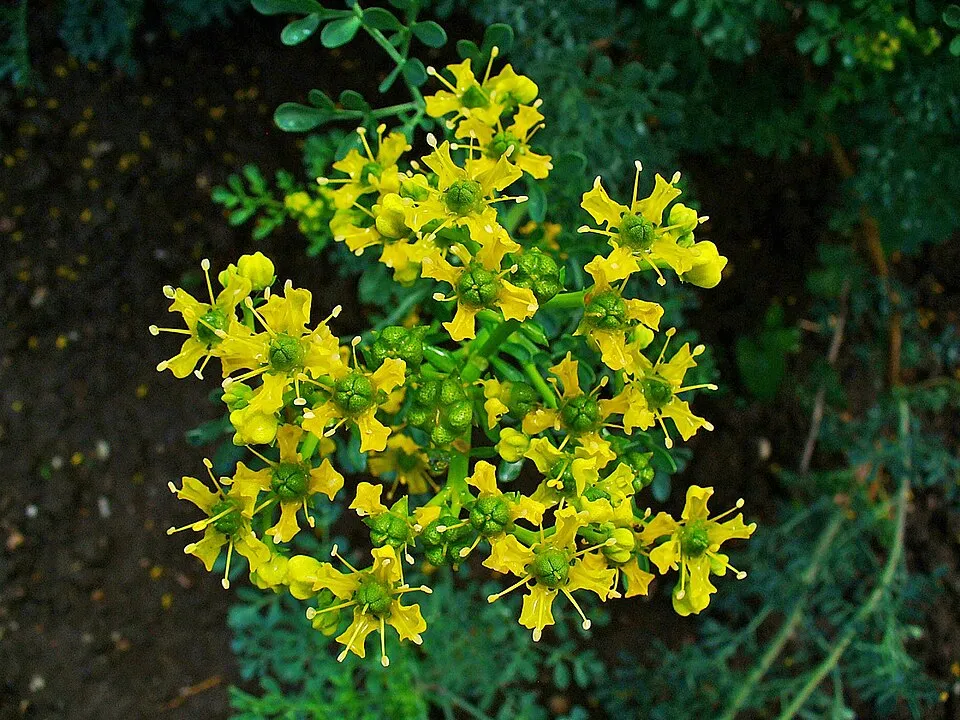
Rue, botanically known as Ruta graveolens L., is a robust perennial herb belonging to the Rutaceae family, renowned for its distinctive, strong aromatic properties. Typically, this shrubby plant reaches heights of 60 to 90 cm (24 to 36 inches), occasionally growing taller. Its most striking feature is its gray-green, highly dissected, pinnately compound leaves, which are approximately 3 to 10 cm (1.2 to 4 inches) long, with obovate to spatulate leaflets that have slightly toothed margins.
The plant produces small, vibrant yellow flowers, each with four or five petals, arranged in flat-topped clusters called cymes, blooming prominently from late spring through early summer. The upright stems are initially herbaceous, becoming woody and developing a grayish-brown, slightly rough texture with age. Ruta graveolens is indigenous to the sun-drenched Mediterranean region, particularly Southern Europe, where it flourishes in arid, rocky, and well-drained soils.
Its adaptability has led to its widespread cultivation across the globe, including various parts of Europe, Africa, Asia (like China and Japan), and the Americas (such as Mexico and tropical regions). Taxonomically, Rue is classified under the order Sapindales and the family Rutaceae, which also includes citrus plants. Its potent, somewhat unpleasant aroma, from which its Latin name 'graveolens' (meaning strong-smelling) is derived, is a key identifier and a testament to its rich chemical composition.
Trusted Scientific References
1. Authoritative external sources for Ruta graveolens L.
1.1 Wikipedia — Ruta graveolens L.
1.2 Kew POWO (Plants of the World Online)
1.3 PubMed — peer-reviewed research
1.4 NCBI Taxonomy Browser
1.5 GBIF — Global Biodiversity
1.6Rue Plant should be interpreted through verified botanical identity, practical care, and responsible safety language. This recovery note adds the missing context needed for a complete profile: match light to the plant's habit, use well-drained soil, water according to season, and avoid unsupported medicinal or edible claims. For publishing, the plant can be presented as a source-backed medicinal plant with clear care guidance, common problem diagnosis, and conservative safety wording.
1.1.Rue Plant — Defining Traits
- ✓Distinctive Pungent Aroma — Emits a strong, often unpleasant, characteristic odor, which is a primary identifier and defense mechanism.
- ✓Gray — Green Pinnately Compound Leaves — Features attractive, finely divided foliage with a unique glaucus or bluish-green hue.
- ✓Mediterranean Native — Originating from Southern Europe and the Mediterranean basin, it is adapted to arid, sunny environments.
- ✓Potent Phototoxicity — Contains furanocoumarins that cause severe phytophotodermatitis (skin blistering and burns) upon sun exposure.
- ✓Rich Phytochemical Profile — Abundant in diverse compounds including alkaloids, furanocoumarins, flavonoids, and essential oils.
- ✓Traditional Medicinal Significance — Historically valued in various folk medicine systems for its anti-inflammatory, analgesic, and antimicrobial properties.
- ✓Significant Toxicity Risk — Known for its high toxicity, particularly when ingested, necessitating extreme caution and limited internal use.
- ✓Emmenagogue and Abortifacient Properties — Traditionally used to stimulate menstruation and induce abortion, making it highly dangerous for pregnant women.
- ✓Natural Insect Repellent — Its strong aroma and specific compounds act as effective deterrents against various insects.
- ✓Culinary Use (Highly Restricted) — Used in extremely small, specific quantities as a bitter flavoring in certain ethnic cuisines or spirits like grappa.
1.2.Rue Plant — Snapshot Summary
- ✓Ruta graveolens, or Rue, is a perennial herb known for its strong aroma and historical medicinal uses.
- ✓It is rich in diverse phytochemicals, including alkaloids, flavonoids, and potent furanocoumarins.
- ✓Traditionally used for anti-inflammatory, antimicrobial, pain-relieving, and emmenagogue purposes across various cultures.
- ✓Rue is highly toxic, especially when ingested, and causes severe phytophotodermatitis upon skin contact and sun exposure.
- ✓Extreme caution is mandatory for any use, with internal consumption generally advised against due to significant health risks.
- ✓Cultivated globally, it thrives in well-drained, sunny conditions, producing small yellow flowers and characteristic gray-green leaves.
2.Rue Plant — Taxonomic Classification
3.Rue Plant — Reference Facts
4.Rue Plant — Structural Profile
5.Rue Plant — Where It Grows
6.Rue Plant — Historical Applications
7.Rue Plant — Bioactive Constituents
- ✓Alkaloids — Principal alkaloids include acridone, quinoline, and quinolone derivatives such as graveoline, rutacridone, arborinine, and dictamnine, which are responsible for many of Rue's pharmacological activities like antimicrobial and anti-inflammatory effects.
- ✓Furanocoumarins — Key photosensitizing compounds like psoralen, bergapten, and xanthotoxin are present, contributing to both therapeutic uses (e.g., in phototherapy) and the significant phototoxicity of the plant.
- ✓Flavonoids — Important antioxidant compounds such as rutin, quercetin, and kaempferol derivatives contribute to Rue's anti-inflammatory and free radical scavenging properties.
- ✓Essential Oils — The volatile oil fraction is rich in ketones, particularly 2-undecanone (methyl nonyl ketone) and 2-nonanone, along with various monoterpenes and sesquiterpenes, imparting the plant's characteristic strong aroma and insecticidal activity.
- ✓Phenolic Acids — Derivatives of caffeic acid and ferulic acid are found, contributing to the plant's overall antioxidant and anti-inflammatory profile.
- ✓Limonoids — These triterpenoid derivatives are present in the Rutaceae family and may contribute to various bioactivities, including potential anti-cancer properties.
- ✓Steroids — Phytosterols like beta-sitosterol are identified, which may offer anti-inflammatory and hypocholesterolemic effects.
- ✓Anthraquinones — While less prominent, some anthraquinone derivatives have been reported, potentially contributing to mild laxative or antimicrobial actions.
8.Rue Plant — Research Insights
- ✓Anti-inflammatory Support — Ruta graveolens contains a spectrum of bioactive compounds, including flavonoids and specific alkaloids, which may modulate inflammatory pathways, offering potential relief from various inflammatory conditions.
- ✓Antioxidant Protection — Rich in phenolic compounds, particularly flavonoids and coumarins, Rue actively scavenges free radicals, thereby reducing oxidative stress and protecting cellular integrity from damaging effects.
- ✓Antimicrobial Activity — Extracts of Rue have demonstrated broad-spectrum efficacy against certain bacteria, fungi, and viruses in laboratory settings, supporting its traditional use in combating various infections.
- ✓Pain Relief (Analgesic) — Traditionally, Rue has been employed for its analgesic properties, which are attributed to its alkaloid content, making it useful for alleviating pain, including headaches, toothaches, and sprains.
- ✓Antispasmodic Effects — The plant's phytochemicals, especially certain alkaloids and essential oil components, can help relax smooth muscles, contributing to its traditional use in easing cramps and spasms, including menstrual discomfort.
- ✓Digestive Aid — In historical contexts, Rue was utilized to support digestive health, potentially by reducing gut spasms and promoting bile flow, although internal use is now highly cautioned.
- ✓Immune System Modulation — Some constituents in Rue are believed to influence immune responses, potentially enhancing the body's natural defenses or balancing immunological functions.
- ✓Cardiovascular Support — Preliminary research suggests that certain compounds within Rue may exert effects on the cardiovascular system, such as influencing blood vessel dilation or supporting healthy circulation.
- ✓Nervous System Modulation — Traditionally, Rue has been used for conditions affecting the nervous system, potentially offering calming effects or alleviating nervous tension, though toxicological considerations are paramount.
- ✓Menstrual Regulation (Emmenagogue) — Historically, Rue was used to stimulate menstruation, a property linked to its uterine stimulant effects, which also underpin its dangerous abortifacient action.
- ✓Detoxification Support — In Traditional Chinese Medicine, Rue is used to 'remove heat and toxic materials,' suggesting a role in supporting the body's natural detoxification processes and clearing internal 'heat'.
8.1.Rue Plant — Reported Uses
9.Rue Plant — Adverse Effects
9.1.Rue Plant — Reported Side Effects
- ✓Phototoxicity (Phytophotodermatitis) — Skin contact with fresh Rue, followed by exposure to sunlight, can cause severe rashes, blistering, burns, and hyperpigmentation due to furanocoumarins.
- ✓Gastrointestinal Distress — Internal consumption, even in small amounts, can lead to severe stomach pain, nausea, vomiting, diarrhea, and abdominal cramps.
- ✓Uterine Contractions/Abortifacient Effects — Rue is a potent emmenagogue and abortifacient, highly dangerous for pregnant women as it can induce strong uterine contractions and cause miscarriage.
- ✓Liver and Kidney Damage — High doses or prolonged internal use can result in hepatotoxicity (liver damage) and nephrotoxicity (kidney damage), leading to organ dysfunction.
- ✓Nervous System Effects — Ingesting significant quantities may cause neurological symptoms such as dizziness, confusion, tremors, convulsions, and even paralysis.
- ✓Allergic Reactions — Some individuals may experience contact dermatitis, characterized by itching, redness, and swelling, even without sun exposure, due to skin sensitivity.
- ✓Oral and Mucosal Irritation — Direct contact with Rue can cause irritation and burning sensations in the mouth, throat, and other mucous membranes.
9.2.Rue Plant — Safety Profile
- ✓Pregnancy and Breastfeeding — Ruta graveolens is strictly contraindicated during pregnancy due to its potent abortifacient and emmenagogue properties; it should also be avoided by breastfeeding mothers.
- ✓Children and Infants — Not recommended for use in children or infants in any form due to its significant toxicity and the risk of severe adverse reactions.
- ✓Internal Consumption — Internal use of Rue is generally considered unsafe and is strongly discouraged for the general public due to its high toxicity and narrow therapeutic window; consult only highly specialized experts.
- ✓Skin Contact — Always wear gloves when handling fresh Rue to prevent phytophotodermatitis; avoid sun exposure on any skin areas that have come into contact with the plant.
- ✓Drug Interactions — Rue may interact with anticoagulant medications, photosensitizing drugs, and other medications; always consult a healthcare professional before use, especially if on prescription drugs.
- ✓Pre-existing Conditions — Individuals with liver disease, kidney disease, bleeding disorders, or nervous system disorders should strictly avoid Rue.
- ✓Dosage — No safe internal dosage for general use is established; any traditional internal application must be under the direct and stringent supervision of an experienced medical herbalism expert due to the plant's toxicity.
10.Rue Plant — Preparation & Dosage
- ✓External Infusion (Compress/Wash) — A diluted infusion of Rue leaves can be prepared for external application as a compress or wash, traditionally used for skin irritations, minor wounds, or as an insect repellent, always with prior patch testing.
- ✓Highly Diluted Tincture (Topical) — A very small amount of Rue tincture, significantly diluted in a carrier oil, may be applied topically to specific, unbroken skin areas for localized pain relief or anti-inflammatory effects, under strict guidance.
- ✓Essential Oil (Aromatherapy/Repellent) — Rue essential oil, due to its potency, is primarily used in aromatherapy diffusers for its strong scent or as an insect repellent when extremely diluted and applied topically to clothing or surfaces.
- ✓Traditional Culinary Flavoring (Extremely Limited) — In specific ethnic cuisines, such as Ethiopian coffee flavoring or Italian grappa, fresh Rue leaves are used in minute quantities as a potent bitter and aromatic agent, never for general culinary use.
- ✓Herbal Poultice (External, Cautious) — Crushed fresh Rue leaves can be applied as a poultice for bruises or sprains in traditional practices, but this requires extreme caution due to phototoxicity and limited skin contact time.
- ✓Incense or Fumigation (Traditional) — Dried Rue has been burned as incense or for fumigation in traditional rituals, utilizing its aromatic properties without direct internal exposure, often for purification or warding off negative influences.
- ✓Decoction (Traditional, Expert Supervision ONLY) — In some traditional medicine systems like TCM, a decoction of the dried plant may be prepared; however, internal consumption is generally strongly discouraged today due to high toxicity and should only be considered under the guidance of a highly qualified, experienced medical herbalist.
11.Rue Plant — Propagation & Care
- ✓Climate Preference — Ruta graveolens thrives in warm, temperate to subtropical climates, demonstrating good tolerance to heat and drought once established, characteristic of its Mediterranean origin.
- ✓Sunlight Requirements — This plant demands full sun exposure, needing at least 6-8 hours of direct sunlight daily to ensure vigorous growth and optimal production of its bioactive compounds.
- ✓Soil Conditions — Prefers well-drained, average to poor soils that are neutral to slightly alkaline (pH 6.0-8.0); sandy, rocky, or loamy soils are ideal, as it dislikes heavy, waterlogged conditions.
- ✓Watering Regimen — Water consistently during its establishment phase and in prolonged dry spells, but allow the soil to dry out completely between waterings to prevent root rot, as mature plants are quite drought-tolerant.
- ✓Propagation Techniques — Rue can be readily propagated from seeds sown in spring after the last frost, or more reliably from semi-hardwood cuttings taken in late spring or early summer.
- ✓Pruning Practices — Light pruning in early spring helps maintain a compact, bushy form, encourages new growth, and prevents the plant from becoming leggy or overly woody.
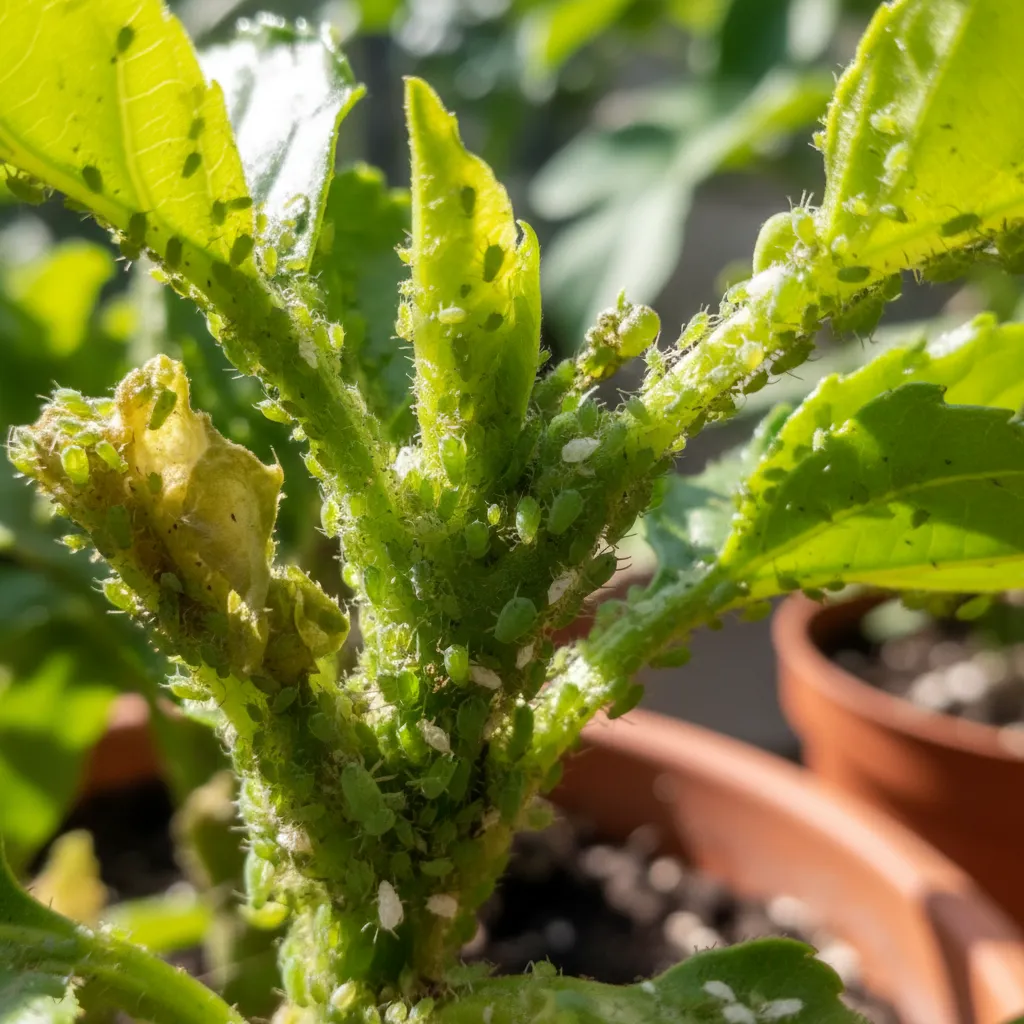
- ✓Pest and Disease Resistance — Generally highly resistant to most common garden pests and diseases due to its strong aroma and chemical deterrents, though occasional issues with aphids may arise.
Reviewed by the Flora Medical Global Botanical Review Panel
Multi-disciplinary editorial group · Botany · Ethnobotany · Herbal-medicine literature
Who reviewed this: This page was checked by the Flora Medical Global Botanical Review Panel — an in-house editorial group of botany graduates, ethnobotany researchers, and horticulture practitioners who collectively maintain our 7,000+ plant encyclopedia. Meet the team.
Our 4-step verification process
1. Taxonomic verification
Scientific names and synonyms cross-checked against Kew POWO, World Flora Online, and The Plant List.
2. Phytochemical & medicinal cross-reference
Active compounds, traditional uses, and reported activities are cross-referenced with PubMed, USDA Dr. Duke's database, and peer-reviewed ethnobotanical literature.
3. Conservation & distribution check
Distribution, ecology, and conservation status confirmed against GBIF occurrence records and the IUCN Red List.
4. Editorial & safety review
Every entry passes an editorial pass for clarity, originality, and safety notices (toxicity, contraindications, dosage caveats) before publication.
Last reviewed:
Important medical disclaimer: This content is for educational and research purposes only. It is not medical advice and is not a substitute for consultation with a licensed healthcare provider. Do not use any herb to self-treat a medical condition without professional guidance.
Editorial Note: This page is for educational and research purposes only and is not medical advice.
Written by: Flora Medical Global Editorial Team
Reviewed by: Flora Medical Global Botanical Review Panel
Last Updated: June 15, 2026




Rue Plant — Comments & Community Reviews
Rate this plant