
Medical Disclaimer: This content is for educational purposes only. It is not medical advice. Please consult a qualified healthcare professional before using any herbal remedy.
Safety Overview
1.Ruellia Makoyana — Plant Snapshot
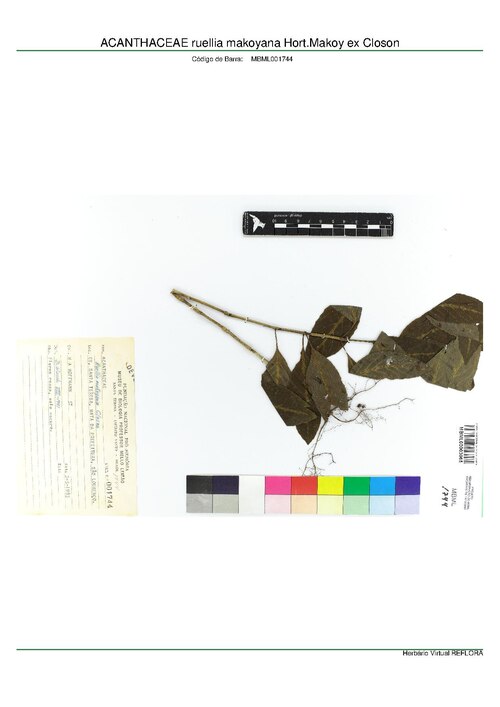
Ruellia makoyana, commonly known as the Bamboo Orchid or Malaysian Violet, is an exquisite perennial herbaceous plant belonging to the Acanthaceae family. Native to the lush tropical and subtropical regions of Southeast Asia, particularly Indonesia and Malaysia, this species is celebrated for its highly decorative foliage and delicate, vibrant flowers. The plant typically forms a compact bush, reaching heights of approximately 30 to 60 centimeters, and spreads gracefully through an extensive rhizomatous root system.
Its leaves are a key ornamental feature, characterized by their lanceolate to ovate shape, growing up to 25 cm in length. They boast a rich, glossy green surface, strikingly contrasted by a prominent white to silver central vein and often adorned with intricate silver spots or variegation, making them exceptionally appealing for indoor cultivation. In its natural habitat, Ruellia makoyana thrives in moist, well-drained soils abundant in organic matter, under the warm, humid conditions of its native environment.
The plant produces charming tubular, funnel-shaped flowers, predominantly in shades of purple or violet, often with darker throat markings, which emerge in clusters and are known to attract various pollinators like bees and butterflies. Beyond its aesthetic appeal, this species holds a place in traditional practices for its reputed health-supporting properties.
Trusted Scientific References
1. Authoritative external sources for Ruellia makoyana
1.1 Wikipedia — Ruellia makoyana
1.2 Kew POWO (Plants of the World Online)
1.3 PubMed — peer-reviewed research
1.4 NCBI Taxonomy Browser
1.5 GBIF — Global Biodiversity
1.6Ruellia Makoyana should be interpreted through verified botanical identity, practical care, and responsible safety language. This recovery note adds the missing context needed for a complete profile: match light to the plant's habit, use well-drained soil, water according to season, and avoid unsupported medicinal or edible claims. For publishing, the plant can be presented as a source-backed indoor plant with clear care guidance, common problem diagnosis, and conservative safety wording.
1.1.Ruellia Makoyana — Key Features
- ✓Common Names — Bamboo Orchid, Malaysian Violet, Trailing Velvet Plant.
- ✓Family — Belongs to the Acanthaceae family.
- ✓Origin — Native to tropical and subtropical Southeast Asia, particularly Indonesia and Malaysia.
- ✓Foliage — Distinctive glossy green leaves with prominent white/silver veins and silver spots.
- ✓Flowers — Produces attractive tubular, funnel-shaped purple or violet flowers in clusters.
- ✓Growth Habit — Perennial herbaceous plant, typically 30-60 cm tall, spreading via rhizomes.
- ✓Medicinal Uses — Traditionally valued for its anti-inflammatory and antioxidant properties.
- ✓Phytochemicals — Rich in flavonoids, phenolic compounds, glycosides, and triterpenoids.
- ✓Horticultural Value — Highly prized as an ornamental houseplant and for tropical landscaping.
- ✓Environmental Needs — Requires high humidity, warm temperatures, and indirect light.
1.2.Ruellia Makoyana — Concise Overview
- ✓Ruellia makoyana is a visually stunning ornamental plant known as Bamboo Orchid.
- ✓It is traditionally recognized for its anti-inflammatory and antioxidant properties.
- ✓The plant contains beneficial phytochemicals, including flavonoids and phenolic compounds.
- ✓Used in traditional remedies for wound healing and various skin conditions.
- ✓Thrives in warm, humid environments with indirect light, making it a popular houseplant.
2.Ruellia Makoyana — Taxonomic Classification
3.Ruellia Makoyana — Reference Facts
4.Ruellia Makoyana — Morphological Account
5.Ruellia Makoyana — Where It Grows
6.Ruellia Makoyana — Cultural & Traditional Roles
7.Ruellia Makoyana — Bioactive Constituents
- ✓Flavonoids — Key compounds such as apigenin, luteolin, quercetin, kaempferol, and their glycosides are present, contributing significantly to the plant's antioxidant and anti-inflammatory activities.
- ✓Phenolic Compounds — Includes various phenolic acids like caffeic acid, chlorogenic acid, and ferulic acid, which are potent antioxidants and play roles in plant defense and human health.
- ✓Glycosides — A diverse group of compounds, including flavonoid glycosides, which enhance the bioavailability and activity of their aglycone counterparts, and potentially other biologically active glycosides.
- ✓Alkaloids — While not extensively characterized for Ruellia makoyana specifically, alkaloids are commonly found in the genus Ruellia and can contribute to pharmacological effects such as antinociception.
- ✓Triterpenoids — Compounds like ursolic acid, lupeol, and beta-sitosterol may be present, known for their anti-inflammatory, hepatoprotective, and immunomodulatory properties.
- ✓Saponins — These foam-forming glycosides can have expectorant, anti-inflammatory, and cholesterol-lowering effects, often found in members of the Acanthaceae family.
- ✓Tannins — Astringent compounds that contribute to the plant's traditional use in wound healing and skin conditions due to their antiseptic and tissue-contracting properties.
- ✓Steroids — Plant steroids or phytosterols, such as stigmasterol, are often found, acting as precursors for hormones or exhibiting anti-inflammatory effects.
- ✓Volatile Oils — Although not a primary constituent, trace amounts of volatile compounds may contribute to the plant's subtle aroma and potential antimicrobial activity.
8.Ruellia Makoyana — What Research Suggests
- ✓Anti-inflammatory Properties — Ruellia makoyana is traditionally recognized for its ability to reduce inflammation, likely due to the presence of flavonoids and phenolic compounds that modulate inflammatory pathways.
- ✓Antioxidant Activity — The plant contains a rich profile of antioxidant compounds, such as phenolic acids and flavonoids, which help neutralize free radicals and protect cells from oxidative stress.
- ✓Wound Healing Support — Traditionally applied topically, its anti-inflammatory and antiseptic qualities may contribute to faster healing of minor cuts, abrasions, and skin lesions.
- ✓Skin Condition Alleviation — Extracts are used in some traditional remedies to soothe and treat various skin irritations and conditions like eczema, attributed to its calming and restorative properties.
- ✓Potential Pain Relief — Drawing from the broader Ruellia genus, it may possess antinociceptive and analgesic effects, potentially helping to alleviate discomfort and minor aches.
- ✓Antispasmodic Effects — Certain compounds within the Ruellia genus have shown antispasmodic activity, suggesting a potential role in relaxing smooth muscles and easing cramps.
- ✓Cardiovascular Health Support — Some species within the Ruellia genus are traditionally used for conditions like high blood pressure, hinting at a broader cardiovascular supportive role for the genus.
- ✓Respiratory System Relief — Traditional applications for various Ruellia species include addressing symptoms of flu, asthma, and bronchitis, indicating a potential for respiratory soothing effects.
- ✓Gastroprotective Potential — The genus Ruellia has been noted for anti-ulcer properties, suggesting a protective effect on the gastrointestinal lining.
- ✓Blood Sugar Regulation — Certain Ruellia species are traditionally employed in managing diabetes, indicating a possible role in supporting healthy blood glucose levels.
8.1.Ruellia Makoyana — Health Applications
9.Ruellia Makoyana — Adverse Effects
9.1.Ruellia Makoyana — Reported Side Effects
- ✓Allergic Skin Reactions — Topical application may cause skin irritation, redness, or allergic dermatitis in sensitive individuals.
- ✓Gastrointestinal Discomfort — Ingesting large quantities of Ruellia makoyana may lead to mild gastrointestinal upset, including nausea, vomiting, or diarrhea.
- ✓Hypotension Risk — Given the potential for blood pressure regulation in the genus, excessive internal use might theoretically lead to a drop in blood pressure.
- ✓Drug Interactions — Potential for interactions with certain medications, particularly anticoagulants, antidiabetics, or hypotensive drugs, due to its active compounds.
- ✓Pregnancy and Lactation — Lack of sufficient safety data; internal use is generally not recommended for pregnant or breastfeeding individuals.
- ✓Children and Infants — Safety for use in children is not established; therefore, it should be avoided or used with extreme caution under expert supervision.
- ✓Systemic Toxicity — While generally considered safe for ornamental use, prolonged or high-dose internal consumption without expert guidance may carry unknown risks.
9.2.Ruellia Makoyana — Safety Overview
- ✓Professional Consultation — Always consult a qualified healthcare professional or medical herbalist before using Ruellia makoyana for medicinal purposes.
- ✓Patch Testing — Prior to topical application, perform a small patch test on the skin to check for any allergic reactions or sensitivities.
- ✓Dosage Adherence — Strictly adhere to recommended dosages and preparation guidelines; avoid self-prescribing or exceeding suggested amounts.
- ✓Pregnancy and Breastfeeding — Avoid internal use during pregnancy and lactation due to insufficient scientific data regarding its safety in these populations.
- ✓Drug Interaction Monitoring — Exercise caution and seek medical advice if taking any prescription medications, especially those for blood pressure, blood sugar, or blood thinning.
- ✓Quality Sourcing — Ensure that any plant material used is from a reputable source, free from pesticides, heavy metals, and other contaminants.
- ✓Avoid Internal Use (Unsupervised) — Unless guided by a knowledgeable herbalist or physician, internal consumption of this plant should generally be avoided.
10.Ruellia Makoyana — Preparation & Dosage
- ✓Topical Poultices — Freshly crushed leaves can be prepared as a poultice and applied directly to minor wounds, cuts, or skin irritations for their traditional healing and anti-inflammatory effects.
- ✓Herbal Infusions — Dried leaves may be steeped in hot water to create an infusion, traditionally used for internal consumption to support general well-being or address inflammatory conditions, though caution is advised for internal use.
- ✓Decoctions — For a more concentrated extract, plant parts can be gently boiled in water. This method is sometimes used in traditional medicine for more potent remedies, particularly for root materials.
- ✓Tinctures — Alcoholic extracts can be prepared to create tinctures, offering a concentrated form of the plant's beneficial compounds for internal or external application, used under professional guidance.
- ✓Compresses — Cloths soaked in a cooled infusion or decoction can be applied as compresses to reduce swelling, alleviate pain, or soothe localized skin conditions.
- ✓Gargles/Mouthwashes — Infusions or diluted tinctures could be used as a gargle for oral inflammation or sore throats, drawing on the plant's potential soothing properties.
- ✓Ornamental Display — Primarily used as an ornamental houseplant or in shaded tropical gardens, showcasing its attractive foliage and flowers for aesthetic and air-purifying benefits.
- ✓Modern Extracts — Standardized extracts from the plant could be formulated into capsules or topical creams for more precise therapeutic applications in the future, based on further research.
11.Ruellia Makoyana — Growing Guide
- ✓Soil Requirements — Thrives in a well-draining potting mix that is rich in organic matter, such as a blend of peat moss, perlite, and compost.
- ✓Light Conditions — Prefers indirect bright light to moderate shade; direct, harsh sunlight should be avoided as it can scorch the delicate leaves.
- ✓Watering Schedule — Maintain consistently moist soil, but prevent waterlogging. Allow the top inch of soil to dry out slightly between waterings.
- ✓Humidity Needs — Requires high humidity, mimicking its native tropical environment. Regular misting, placing on a pebble tray with water, or using a humidifier is beneficial.
- ✓Temperature Range — Best grown in warm temperatures, ideally between 18-27°C (65-80°F). Protect from cold drafts and temperatures below 15°C.
- ✓Fertilization — Feed monthly during the active growing season (spring and summer) with a balanced liquid fertilizer diluted to half strength.
- ✓Propagation — Easily propagated from stem cuttings. Cuttings can be rooted in water or directly in moist potting mix.
- ✓Pruning — Prune to encourage bushier growth, remove leggy stems, and maintain a desirable shape, especially after flowering.
Reviewed by the Flora Medical Global Botanical Review Panel
Multi-disciplinary editorial group · Botany · Ethnobotany · Herbal-medicine literature
Who reviewed this: This page was checked by the Flora Medical Global Botanical Review Panel — an in-house editorial group of botany graduates, ethnobotany researchers, and horticulture practitioners who collectively maintain our 7,000+ plant encyclopedia. Meet the team.
Our 4-step verification process
1. Taxonomic verification
Scientific names and synonyms cross-checked against Kew POWO, World Flora Online, and The Plant List.
2. Phytochemical & medicinal cross-reference
Active compounds, traditional uses, and reported activities are cross-referenced with PubMed, USDA Dr. Duke's database, and peer-reviewed ethnobotanical literature.
3. Conservation & distribution check
Distribution, ecology, and conservation status confirmed against GBIF occurrence records and the IUCN Red List.
4. Editorial & safety review
Every entry passes an editorial pass for clarity, originality, and safety notices (toxicity, contraindications, dosage caveats) before publication.
Last reviewed:
Important medical disclaimer: This content is for educational and research purposes only. It is not medical advice and is not a substitute for consultation with a licensed healthcare provider. Do not use any herb to self-treat a medical condition without professional guidance.
Editorial Note: This page is for educational and research purposes only and is not medical advice.
Written by: Flora Medical Global Editorial Team
Reviewed by: Flora Medical Global Botanical Review Panel
Last Updated: June 15, 2026





Ruellia Makoyana — Comments & Community Reviews
Rate this plant