
Medical Disclaimer: This content is for educational purposes only. It is not medical advice. Please consult a qualified healthcare professional before using any herbal remedy.
Safety Overview
1.Saintpaulia Confusa — Botanical Snapshot
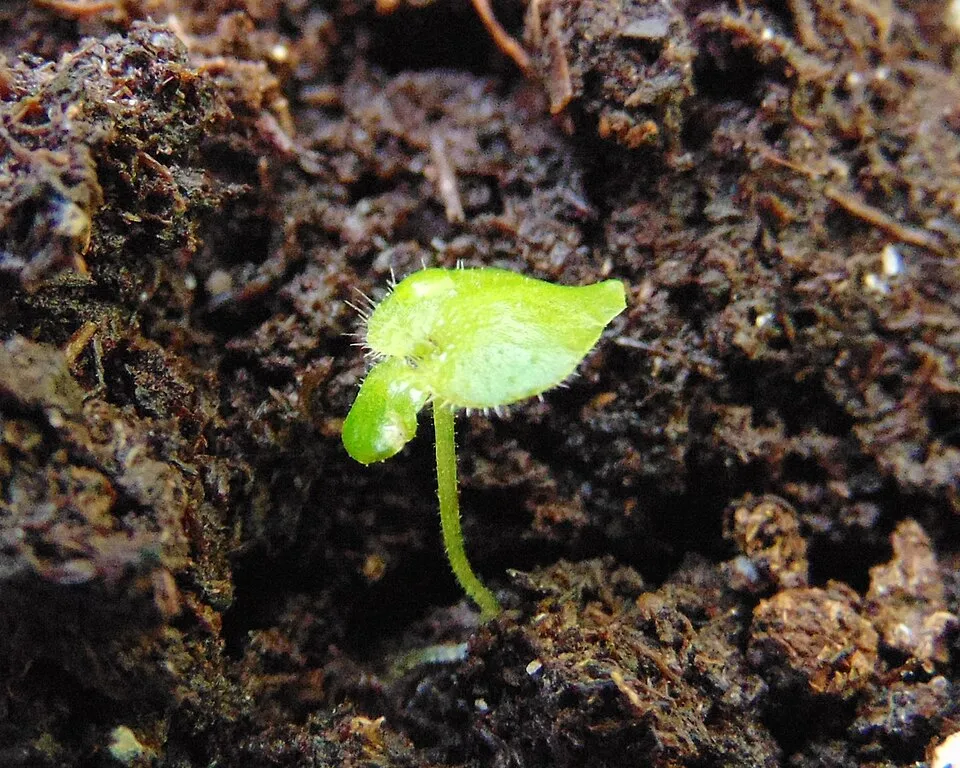
Saintpaulia confusa, commonly known as the African violet, is an enchanting perennial herb belonging to the diverse Gesneriaceae family, a group renowned for its ornamental members. Native to the humid, shaded understory of the East Usambara Mountains and Tanga region of Tanzania, this species thrives in the tropical rainforest environment. Morphologically, Saintpaulia confusa exhibits a compact, rosette growth habit, typically reaching a modest height of 10-15 cm.
Its leaves are a defining feature: oval to nearly orbicular, ranging from 3 to 10 cm in length, with a distinct velvety texture due to a dense covering of fine, soft trichomes. The adaxial (upper) surface is a deep, lustrous green, often with a slightly reddish or purplish tint on the abaxial (lower) side, contrasting beautifully with the prominent, lighter-colored veins. The fleshy petioles are typically reddish and contribute to the plant's robust appearance.
The root system is fibrous and shallow, adapted to efficiently absorb moisture and nutrients from the thin forest floor litter.
The flowers of Saintpaulia confusa are borne on slender pedicels, emerging from the leaf axils at the center of the rosette. They are typically five-petaled, though variations can occur, and present a captivating array of colors, predominantly various shades of violet-blue, but also white or pink forms are observed, often with a striking yellow or orange throat that serves as a nectar guide for pollinators. The delicate petals are often slightly ruffled or fringed.
Flowering occurs primarily during the warmer, wetter months of spring and summer, providing continuous blooms under ideal conditions. The fruit is a small, dry capsule containing numerous minute seeds. Taxonomically, Saintpaulia confusa is one of the original species discovered by Baron Walter von Saint Paul-Illaire in the late 19th century, leading to the genus name.
While often colloquially referred to as an 'African violet,' it is crucial to note that this species is botanically distinct from the true violets of the genus Viola (family Violaceae), which possess different morphology and phytochemical profiles.
Trusted Scientific References
1. Authoritative external sources for Saintpaulia confusa
1.1 Wikipedia — Saintpaulia confusa
1.2 Kew POWO (Plants of the World Online)
1.3 PubMed — peer-reviewed research
1.4 NCBI Taxonomy Browser
1.5 GBIF — Global Biodiversity
1.1.Saintpaulia Confusa — Highlights
- ✓Velvety Leaves — Distinctive, soft-textured foliage with fine trichomes.
- ✓Rosette Growth Habit — Compact, basal arrangement of leaves.
- ✓Vibrant Flowers — Five-petaled blooms in shades of violet, blue, pink, or white.
- ✓Yellow/Orange Throat — Often present in flowers, acting as a nectar guide.
- ✓Perennial Herb — Lives for multiple years under suitable conditions.
- ✓Tropical Origin — Native to East African rainforests, requiring warm, humid environments.
- ✓Extensive Cultivar Development — Basis for thousands of ornamental African violet hybrids.
- ✓Shallow, Fibrous Root System — Adapted for efficient nutrient uptake from surface litter.
- ✓Long Flowering Period — Can bloom continuously under optimal indoor conditions.
- ✓Non — Medicinal Status — Valued exclusively for its ornamental and horticultural attributes.
1.2.Saintpaulia Confusa — Concise Overview
- ✓Ornamental Houseplant — Primarily cultivated for its aesthetic appeal.
- ✓Native to Tanzania — Thrives in humid, shaded tropical rainforests.
- ✓Distinct from True Violets — Not related to the Viola genus, which has medicinal uses.
- ✓No Documented Medicinal Uses — Lacks traditional or scientific evidence for therapeutic benefits.
- ✓Easy Indoor Care — Requires specific conditions like indirect light and high humidity.
- ✓Non-Toxic (Generally) — Considered safe for homes with children and pets.
2.Saintpaulia Confusa — Botanical Identity
3.Saintpaulia Confusa — Vital Statistics
4.Saintpaulia Confusa — Physical Description
5.Saintpaulia Confusa — Origin & Spread
6.Saintpaulia Confusa — Heritage Uses
7.Saintpaulia Confusa — Chemical Profile
- ✓The phytochemical profile of Saintpaulia confusa is primarily understood in the context of its ornamental characteristics, such as flower pigmentation, rather than for medicinal efficacy. Unlike many well-researched medicinal plants, comprehensive studies focusing on therapeutic chemical constituents in Saintpaulia confusa are largely absent from pharmacological literature. The plant contains general classes of compounds common to many flowering plants, but none are currently recognized for specific medicinal applications. These include:
- ✓Anthocyanins — These water-soluble pigments are responsible for the vibrant violet, blue, pink, and white colors observed in the flowers, contributing to their ornamental appeal.
- ✓Flavonoids — A broad group of polyphenolic compounds found in many plants, which typically exhibit antioxidant properties. While present, specific medicinal flavonoids for Saintpaulia confusa have not been characterized or linked to therapeutic actions.
- ✓Chlorophylls — The primary photosynthetic pigments located in the leaves, essential for the plant's energy production and giving the foliage its green color.
- ✓Carotenoids — Accessory pigments found in leaves and flowers, contributing to yellow and orange hues, and playing a role in light harvesting and photoprotection.
- ✓Polysaccharides — Structural and storage carbohydrates found throughout the plant, typical of all plant tissues.
- ✓Organic Acids — Various organic acids are present, involved in plant metabolism and contributing to cell sap chemistry.
- ✓Terpenoids — A diverse group of organic compounds, some of which may contribute to subtle fragrances or defense mechanisms, but not identified as medicinally active in Saintpaulia confusa.
- ✓Waxes and Cuticular Lipids — Present on the leaf surface, forming a protective barrier against water loss and pathogens, contributing to the velvety texture.
- ✓Absence of Documented Medicinal Saponins — Unlike true violets (Viola species), there is no evidence of medicinally significant saponins that could cause soapy flavors or exert therapeutic effects.
- ✓No Identified Bioactive Alkaloids — No pharmacologically significant alkaloids have been reported for Saintpaulia confusa, distinguishing it from many potent medicinal plants.
8.Saintpaulia Confusa — Pharmacological Findings
- ✓While many plants hold significant medicinal value, Saintpaulia confusa, commonly known as the African violet, is primarily celebrated for its ornamental qualities rather than any established therapeutic benefits. It is crucial to distinguish this species from the true violets of the Viola genus, such as Viola sororia or Viola odorata, which have a rich history in traditional herbalism. For Saintpaulia confusa, scientific and ethnobotanical literature does not support its use as a medicinal herb. Its 'benefits' are largely aesthetic and environmental, contributing to well-being through horticultural engagement. These include:
- ✓Ornamental Beauty — Highly valued for its attractive, long-lasting flowers and velvety foliage, enhancing indoor aesthetics.
- ✓Mood Enhancement (Indirect) — Engaging with houseplants like Saintpaulia confusa can offer psychological benefits, such as stress reduction and improved mood, through the act of nurturing and visual appeal, rather than direct pharmacological action.
- ✓Indoor Air Quality Contribution (Minor) — Like many houseplants, it may contribute minimally to oxygen production and potentially absorb some indoor air pollutants, though specific, robust studies for this species are limited.
- ✓Horticultural Study Subject — Provides a valuable model for botanical research, particularly in genetics, propagation, and breeding for new cultivars.
- ✓Biodiversity Contribution (Native Habitat) — In its native East African rainforests, Saintpaulia confusa plays a role in its ecosystem, supporting local biodiversity.
- ✓Educational Value — Serves as an excellent plant for teaching botany, plant care, and the distinctions between plant genera with similar common names.
- ✓Aesthetic Appeal for Home & Office — Its compact size and continuous blooming make it an ideal decorative plant for various indoor settings.
- ✓Absence of Documented Traditional Medicinal Use — Unlike Viola species, Saintpaulia confusa has no recorded history of use in traditional medical systems like Ayurveda, TCM, or Unani for specific ailments.
- ✓Not a Source of Herbal Remedies — Due to the lack of documented phytochemicals with therapeutic efficacy, it is not used in modern medical herbalism for treating diseases.
- ✓Promotes Plant-Human Connection — Cultivating Saintpaulia confusa can foster a connection with nature, which is broadly beneficial for mental health.
8.1.Saintpaulia Confusa — Conditions Traditionally Used For
9.Saintpaulia Confusa — Safety Considerations
9.1.Saintpaulia Confusa — Reported Side Effects
- ✓Given that Saintpaulia confusa is not recognized or used for medicinal purposes, there are no established side effects associated with its therapeutic ingestion. However, general precautions apply to its handling and ornamental presence:
- ✓Skin Irritation (Mild) — Some individuals with sensitive skin might experience mild irritation from contact with the fine trichomes (hairs) on the leaves.
- ✓Allergic Reactions (Rare) — As with any plant, rare instances of allergic reactions, such as dermatitis, could occur in highly sensitive individuals.
- ✓Ingestion by Pets/Children — While generally considered non-toxic, ingestion of large quantities by pets or small children might cause mild gastrointestinal upset due to plant fibers, though no specific toxins are reported.
- ✓Phytotoxicity from Chemicals — Improper use of pesticides or fertilizers can harm the plant itself, leading to leaf burn or decline.
- ✓No Systemic Toxicity — There are no known reports of systemic toxicity from accidental ingestion of Saintpaulia confusa in humans or animals.
- ✓Confusion with Medicinal Violets — A potential 'side effect' is the misapplication of medicinal uses of Viola species to Saintpaulia confusa, leading to ineffective or inappropriate self-treatment.
9.2.Saintpaulia Confusa — Safety Profile
- ✓The safety profile of Saintpaulia confusa is generally high due to its primary use as an ornamental houseplant with no known significant toxicity. Key safety considerations include:
- ✓Non-Toxic (Generally) — Saintpaulia confusa is widely considered non-toxic to humans and pets, making it a safe choice for indoor environments.
- ✓External Contact — While generally safe, individuals with very sensitive skin may experience mild irritation from touching the velvety leaves due to trichomes.
- ✓Accidental Ingestion — Ingestion of small amounts by children or pets is unlikely to cause serious harm, though it might lead to minor gastrointestinal discomfort.
- ✓No Medicinal Efficacy — It is crucial to understand that this plant has no proven medicinal properties, and should not be used for self-treatment of any health conditions.
- ✓Proper Identification — Ensure correct identification to avoid confusion with other plants that may be toxic or have different properties.
- ✓Horticultural Chemicals — Use caution with pesticides or systemic insecticides, as these can be harmful if the plant is then handled or ingested, even if the plant itself is non-toxic.
- ✓Environmental Safety — Dispose of plant material responsibly, avoiding introduction into natural ecosystems where it is not native.
10.Saintpaulia Confusa — Preparations & Uses
- ✓As Saintpaulia confusa is primarily an ornamental plant, its 'usage methods' revolve around its cultivation and aesthetic display rather than medicinal preparation:
- ✓Indoor Decoration — Primarily used as a decorative houseplant to beautify homes, offices, and other indoor spaces due to its attractive flowers and foliage.
- ✓Horticultural Display — Featured in plant collections, botanical gardens, and flower shows for its diverse cultivars and ease of care.
- ✓Gifting — A popular choice as a gift due to its charming appearance and symbolization of delicate beauty.
- ✓Educational Tool — Utilized in classrooms and botanical studies to teach plant biology, care, and propagation techniques.
- ✓Propagation for New Plants — Leaf cuttings are commonly taken to propagate new plants, sharing with enthusiasts or expanding collections.
- ✓Aesthetic Arrangement — Often grouped with other houseplants to create appealing indoor plant arrangements and terrariums.
- ✓Not for Internal Consumption — Crucially, Saintpaulia confusa is not prepared or consumed for any medicinal purposes, as it lacks documented therapeutic properties.
- ✓No Traditional Herbal Preparations — There are no historical or contemporary herbal preparations such as infusions, tinctures, poultices, or salves made from Saintpaulia confusa.
11.Saintpaulia Confusa — Garden Cultivation
- ✓Cultivating Saintpaulia confusa, the African violet, requires specific conditions to thrive indoors, mimicking its native tropical rainforest understory:
- ✓Light — Prefers bright, indirect light; direct sunlight can scorch leaves. An east-facing window or filtered south/west light is ideal.
- ✓Watering — Water thoroughly when the top inch of soil feels dry, using room-temperature water. Avoid getting water on the leaves to prevent spots and fungal issues.
- ✓Humidity — Thrives in high humidity (60-80%). Use a pebble tray or humidifier, especially in dry indoor environments.
- ✓Soil — Requires a well-draining, aerated potting mix specifically formulated for African violets, typically peat-based with perlite or vermiculite.
- ✓Temperature — Maintain consistent temperatures between 18-24°C (65-75°F). Avoid sudden temperature fluctuations and cold drafts.
- ✓Fertilization — Feed with a balanced liquid fertilizer formulated for African violets every 2-4 weeks during active growth, reducing frequency in winter.
- ✓Propagation — Easily propagated from leaf cuttings placed in water or moist potting mix, or by division of suckers.
- ✓Potting — Repot annually into a slightly larger pot, ensuring good drainage. Use shallow pots as they have a compact root system.
Reviewed by the Flora Medical Global Botanical Review Panel
Multi-disciplinary editorial group · Botany · Ethnobotany · Herbal-medicine literature
Who reviewed this: This page was checked by the Flora Medical Global Botanical Review Panel — an in-house editorial group of botany graduates, ethnobotany researchers, and horticulture practitioners who collectively maintain our 7,000+ plant encyclopedia. Meet the team.
Our 4-step verification process
1. Taxonomic verification
Scientific names and synonyms cross-checked against Kew POWO, World Flora Online, and The Plant List.
2. Phytochemical & medicinal cross-reference
Active compounds, traditional uses, and reported activities are cross-referenced with PubMed, USDA Dr. Duke's database, and peer-reviewed ethnobotanical literature.
3. Conservation & distribution check
Distribution, ecology, and conservation status confirmed against GBIF occurrence records and the IUCN Red List.
4. Editorial & safety review
Every entry passes an editorial pass for clarity, originality, and safety notices (toxicity, contraindications, dosage caveats) before publication.
Last reviewed:
Important medical disclaimer: This content is for educational and research purposes only. It is not medical advice and is not a substitute for consultation with a licensed healthcare provider. Do not use any herb to self-treat a medical condition without professional guidance.
Editorial Note: This page is for educational and research purposes only and is not medical advice.
Written by: Flora Medical Global Editorial Team
Reviewed by: Flora Medical Global Botanical Review Panel
Last Updated: June 15, 2026





Saintpaulia Confusa — Comments & Community Reviews
Rate this plant