
Medical Disclaimer: This content is for educational purposes only. It is not medical advice. Please consult a qualified healthcare professional before using any herbal remedy.
Safety Overview
1.Salam Mishri — At a Glance
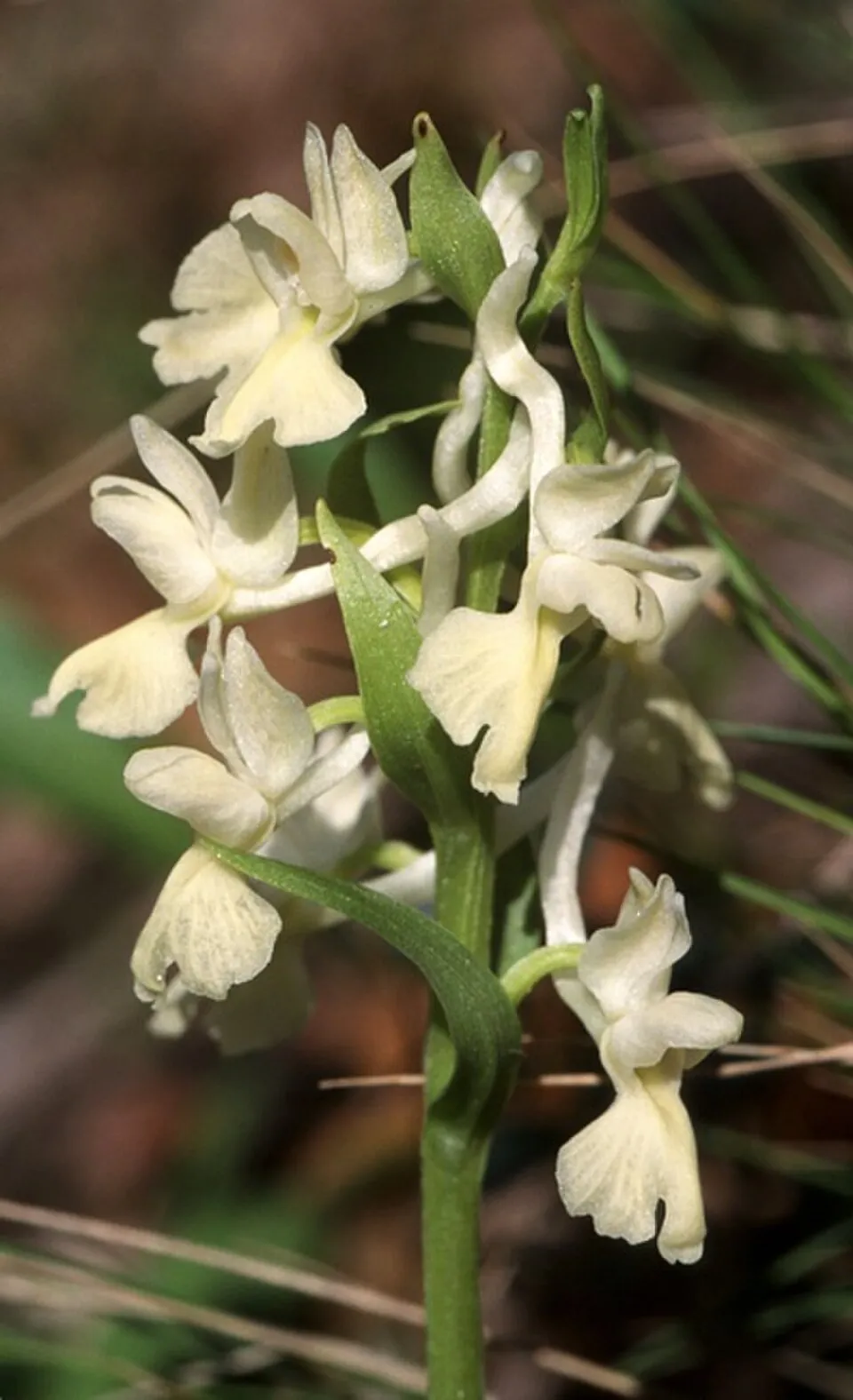
Orchis latifolia, commonly known as Salam Mishri, is a significant perennial herbaceous plant within the Orchidaceae family, typically growing as a tuberous terrestrial orchid. It can reach heights of up to 90 cm, presenting a robust and erect stature. The basal leaves are prominent, broad, and lanceolate, measuring approximately 10-25 cm in length and 4-10 cm in width, often arranged in a rosette. These leaves exhibit distinct parallel venation and a glossy green hue.
The flowering stem is fistular and supports a dense, cylindrical inflorescence of showy flowers that typically bloom from May to July. These flowers are variable in color, ranging from vibrant pink to pale purple, and even almost pure white, each approximately 2-3.5 cm across. They feature a unique, bilobed lip that is often intricately patterned, efficiently attracting pollinators. The plant’s essential part, the tubers, are characteristically paired, lobed, and palmate.
Following successful pollination, the ovary develops into an inferior fruit, a capsule containing numerous very small and light seeds. Salam Mishri thrives in moist, shaded woodlands, grasslands, and meadows, particularly at altitudes between 3000 to 4000 meters in regions such as the Western Himalayas, Kashmir, and extending across parts of Europe and Asia, including the Balkans and Central Asia. Its specific habitat requirements contribute to its ecological importance and traditional medicinal value.
Trusted Scientific References
1. Authoritative external sources for Dactylorhiza Neck.
1.1 Wikipedia — Dactylorhiza Neck.
1.2 Kew POWO (Plants of the World Online)
1.3 PubMed — peer-reviewed research
1.4 NCBI Taxonomy Browser
1.5 GBIF — Global Biodiversity
1.6Salam Mishri should be interpreted through verified botanical identity, practical care, and responsible safety language. This recovery note adds the missing context needed for a complete profile: match light to the plant's habit, use well-drained soil, water according to season, and avoid unsupported medicinal or edible claims. For publishing, the plant can be presented as a source-backed medicinal plant with clear care guidance, common problem diagnosis, and conservative safety wording.
1.1.Salam Mishri — Highlights
- ✓Botanical Identity — Tuberous terrestrial orchid, Orchis latifolia, belonging to the Orchidaceae family.
- ✓Key Plant Part — Medicinal properties concentrated primarily in its paired, palmate tubers.
- ✓Adaptogenic Qualities — Supports the body's resilience against physical and mental stress.
- ✓Reproductive Health Support — Widely used to enhance fertility, vitality, and address sexual debility.
- ✓Nutritive Value — High in glucomannan, making it a valuable dietary and restorative supplement.
- ✓Traditional Medicine Heritage — Integral to Unani, Ayurvedic, and other traditional healing systems.
- ✓Aphrodisiac Action — Renowned for its ability to boost libido and sexual performance.
- ✓Nervine Tonic — Helps in strengthening the nervous system and mitigating neurological weaknesses.
- ✓Anti — inflammatory Potential — Traditionally used to alleviate certain types of inflammation.
- ✓Cardiovascular & Metabolic Benefits — Emerging research suggests roles in managing hypertension and dyslipidemia.
1.2.Salam Mishri — In Brief
- ✓Salam Mishri (Orchis latifolia) is a revered orchid in traditional medicine, especially Unani and Ayurveda.
- ✓Its tubers are primarily used for their profound adaptogenic, aphrodisiac, and nutritive properties.
- ✓Rich in glucomannan, it supports reproductive health, enhances vitality, and acts as a nervine tonic.
- ✓Modern research highlights its potential for antihypertensive, hypolipidemic, and spermatogenic effects.
- ✓Historically valued for treating debility, digestive issues, and promoting overall rejuvenation.
- ✓Requires careful dosage and professional guidance, particularly for individuals with specific health conditions.
2.Salam Mishri — Scientific Identity
3.Salam Mishri — Fact Sheet
4.Salam Mishri — Botanical Description
5.Salam Mishri — Origin & Spread
6.Salam Mishri — Folk Medicine Applications
7.Salam Mishri — Phytochemistry
- ✓Glucomannan — A highly nutritious starch-like polysaccharide found abundantly in the tubers, responsible for its demulcent and nutritive properties.
- ✓Fructo-oligosaccharides (FOS) — These are prebiotics present in the plant, particularly noted in extracts studied for sexual stimulant activity.
- ✓Phytosterols — Plant sterols found in Orchis latifolia, which contribute to its potential benefits, including modulating hormonal pathways and supporting cardiovascular health.
- ✓Phenolic Acids — A class of organic compounds with significant antioxidant and anti-inflammatory activities, contributing to the plant's overall therapeutic profile.
- ✓Flavonoids — These are potent antioxidants known for their anti-inflammatory, antiviral, and cardioprotective effects, enhancing cellular protection.
- ✓Coumarins — A group of aromatic compounds that can exhibit various pharmacological actions, including anti-coagulant and anti-inflammatory properties.
- ✓Terpenoids — Diverse organic compounds responsible for many of the plant's aromatic and medicinal properties, often having anti-inflammatory and antimicrobial effects.
- ✓Starch — A primary carbohydrate reserve in the tubers, providing energy and contributing to the plant's restorative and nutritive value.
- ✓Mucilage — A gelatinous substance providing demulcent and soothing effects, particularly beneficial for gastrointestinal and respiratory tract irritation.
- ✓Albumin — A protein component contributing to the plant's nutritive value and tissue repair properties.
- ✓Volatile Oils — Aromatic compounds that contribute to the plant's characteristic smell and may possess antimicrobial or carminative properties.
- ✓Bitter Substances — Compounds that stimulate digestion and appetite, often found in tonic herbs.
8.Salam Mishri — Evidence-Based Benefits
- ✓Rejuvenating Tonic — Salam Mishri is revered in traditional systems like Ayurveda for its adaptogenic qualities, helping the body manage stress and promoting overall vitality and resilience.
- ✓Enhances Reproductive Health — Historically and in Unani medicine, it is employed to support and improve reproductive functions in both men and women, addressing issues like infertility and low vitality.
- ✓Aphrodisiac Properties — Recognized as a powerful aphrodisiac, Salam Mishri is traditionally used to boost libido and sexual performance, a claim supported by some modern studies on sexual dysfunction.
- ✓Nervine Tonic — It acts as a tonic for the nervous system, helping to strengthen nerves and alleviate conditions related to neurological debility and stress.
- ✓Nutritional Support — The tubers are highly nutritious, containing glucomannan, making them a valuable nutraceutical supplement, particularly beneficial for geriatric patients and during convalescence.
- ✓Gastrointestinal Soother — With its demulcent action, Salam Mishri helps to soothe irritation in the gastrointestinal tract, proving useful in conditions like chronic diarrhea and dyspepsia.
- ✓Spermatogenic Activity — Studies suggest its potential to increase sperm count and improve semen morphology, offering a natural approach for managing oligospermia and male infertility.
- ✓Antihypertensive Effects — Research indicates that extracts of Orchis latifolia may help in reducing systolic blood pressure and improving endothelial function, contributing to cardiovascular health.
- ✓Hypolipidemic Properties — Scientific investigations have shown its ability to significantly reduce lipid levels, suggesting a role in managing dyslipidemia and associated metabolic disorders.
- ✓Anti-inflammatory Action — Traditionally, it is used to resolve phlegmatic inflammation, indicating potential anti-inflammatory properties that may aid in various inflammatory conditions.
- ✓Respiratory Support — Extracts have been used traditionally to address respiratory issues, likely due to soothing and expectorant properties that help alleviate discomfort.
- ✓General Debility & Convalescence — Its nutritive and restorative functions make it ideal for combating general weakness, promoting rejuvenation, and aiding recovery from chronic illnesses.
8.1.Salam Mishri — Indications & Uses
9.Salam Mishri — Cautions & Contraindications
9.1.Salam Mishri — Possible Adverse Reactions
- ✓Liver Toxicity — Excessive or prolonged use may potentially impact liver function, especially in individuals with pre-existing hepatic conditions.
- ✓Lung Irritation — In some sensitive individuals, components of the plant could theoretically cause irritation to the lungs.
- ✓Gastrointestinal Upset — High doses or improper preparation might lead to stomach discomfort, nausea, or altered bowel movements.
- ✓Hot Temperament Individuals — As per Unani medicine, those with a 'Haar Mizaj' (hot temperament) should use it cautiously or with correctives to balance its warming effects.
- ✓Allergic Reactions — Although rare, individuals sensitive to orchids or similar plant compounds may experience allergic responses.
- ✓Drug Interactions — Potential to interact with medications, particularly those affecting blood pressure, lipid levels, or hormonal balance, due to its active constituents.
9.2.Salam Mishri — Clinical Safety Notes
- ✓Professional Consultation — Always consult a qualified medical herbalist or healthcare practitioner before using Salam Mishri, especially for therapeutic purposes.
- ✓Pregnancy and Lactation — Avoid use during pregnancy and lactation due to insufficient safety data and potential hormonal effects.
- ✓Pre-existing Conditions — Individuals with liver disease, lung conditions, or known hormonal imbalances should exercise extreme caution and seek medical advice.
- ✓Dosage Adherence — Strictly adhere to recommended dosages; excessive intake can lead to adverse effects.
- ✓Temperament Consideration — Individuals with a naturally 'hot' constitution (Haar Mizaj) according to Unani principles should use it sparingly or with prescribed 'Musleh' (correctives).
- ✓Quality Sourcing — Ensure the plant material is sourced from reputable suppliers to avoid contamination or adulteration.
- ✓Children — Use in children is not recommended without expert medical supervision due to a lack of specific pediatric safety studies.
10.Salam Mishri — Usage Guide
- ✓Tuber Powder — The most common method involves drying and grinding the tubers into a fine powder, known as Salep, which can be incorporated into various preparations.
- ✓Decoctions — The powdered tubers can be boiled in water to create a decoction, often used for its nutritive and demulcent properties.
- ✓Confections and Halwa — In Unani and Ayurvedic traditions, Salam Mishri powder is frequently used to prepare sweet confections (like Halwa) or nourishing pastes, enhancing palatability and efficacy.
- ✓Syrups and Electuaries — It can be mixed with honey or other carriers to form syrups or electuaries, particularly for respiratory or general tonic uses.
- ✓Compound Formulations — Salam Mishri is a key ingredient in numerous traditional formulations such as Majoone Falasfa, Sufoofe Salab, and Hab Mumsik, targeting specific health concerns.
- ✓Milk Preparations — Often consumed with milk as a nourishing tonic to boost strength, vitality, and reproductive health.
- ✓Dosage — Traditional dosage typically ranges from 3-5 masha (approximately 3-5 grams) of the dried tuber powder, adjusted based on individual constitution and specific therapeutic needs.
- ✓External Application — In some traditional practices, pastes derived from the tubers might be applied topically for certain localized conditions.
11.Salam Mishri — Garden Cultivation
- ✓Habitat Replication — Best cultivated in environments mimicking its natural habitat of moist, shaded woodlands, grasslands, and meadows.
- ✓Soil Requirements — Prefers well-draining, humus-rich, fertile soil with a slightly acidic to neutral pH, ensuring good organic content.
- ✓Light Conditions — Thrives in partial shade to dappled sunlight; direct, intense sunlight can be detrimental to its growth.
- ✓Moisture Management — Requires consistent soil moisture but avoid waterlogging, which can lead to tuber rot; good drainage is crucial.
- ✓Temperature Adaptations — Adapted to temperate climates, tolerating cool to moderate temperatures, especially important for its high-altitude varieties.
- ✓Propagation — Primarily propagated through the division of its paired tubers during dormancy, or from seeds, though seed propagation is challenging due to specific orchid germination requirements.
- ✓Nutrient Supply — Benefits from organic fertilizers or compost to enrich the soil, supporting healthy tuber development and flowering.
- ✓Harvesting — Tubers are typically harvested after the plant has flowered and entered dormancy, ensuring maximum accumulation of medicinal compounds.
Reviewed by the Flora Medical Global Botanical Review Panel
Multi-disciplinary editorial group · Botany · Ethnobotany · Herbal-medicine literature
Who reviewed this: This page was checked by the Flora Medical Global Botanical Review Panel — an in-house editorial group of botany graduates, ethnobotany researchers, and horticulture practitioners who collectively maintain our 7,000+ plant encyclopedia. Meet the team.
Our 4-step verification process
1. Taxonomic verification
Scientific names and synonyms cross-checked against Kew POWO, World Flora Online, and The Plant List.
2. Phytochemical & medicinal cross-reference
Active compounds, traditional uses, and reported activities are cross-referenced with PubMed, USDA Dr. Duke's database, and peer-reviewed ethnobotanical literature.
3. Conservation & distribution check
Distribution, ecology, and conservation status confirmed against GBIF occurrence records and the IUCN Red List.
4. Editorial & safety review
Every entry passes an editorial pass for clarity, originality, and safety notices (toxicity, contraindications, dosage caveats) before publication.
Last reviewed:
Important medical disclaimer: This content is for educational and research purposes only. It is not medical advice and is not a substitute for consultation with a licensed healthcare provider. Do not use any herb to self-treat a medical condition without professional guidance.
Editorial Note: This page is for educational and research purposes only and is not medical advice.
Written by: Flora Medical Global Editorial Team
Reviewed by: Flora Medical Global Botanical Review Panel
Last Updated: June 15, 2026





Salam Mishri — Comments & Community Reviews
Rate this plant