
Medical Disclaimer: This content is for educational purposes only. It is not medical advice. Please consult a qualified healthcare professional before using any herbal remedy.
Safety Overview
1.Sansevieria Samurai — At a Glance
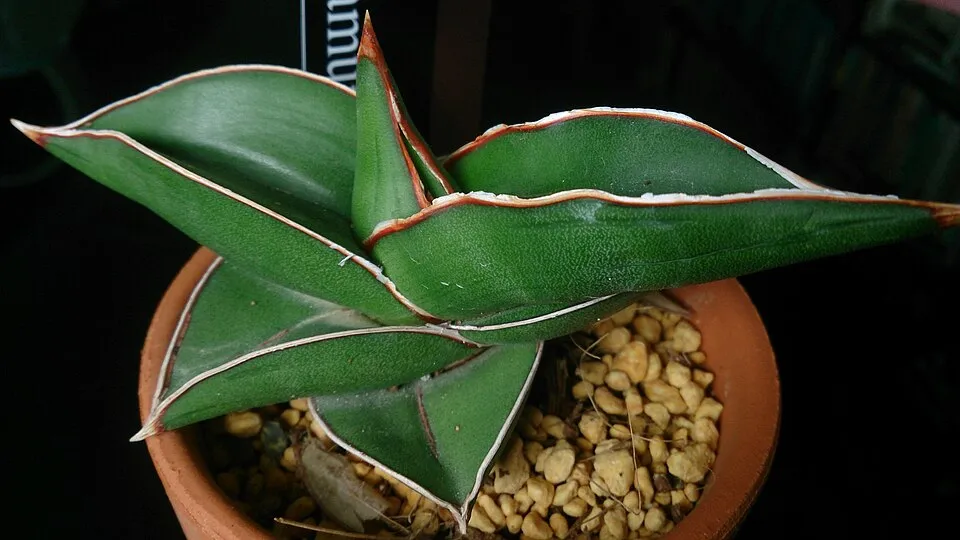
Sansevieria Samurai, now taxonomically recognized as Dracaena ehrenbergii samurai, is an exceptional cultivar within the Asparagaceae family, celebrated for its unique and robust architectural form. This striking succulent typically reaches a height of 60 to 90 cm (24 to 36 inches), with its distinctive sword-shaped leaves tapering to a sharp point. Individual leaves can extend up to 45 cm (18 inches) in length and approximately 5 cm (2 inches) in width. The foliage presents a captivating aesthetic: deep green blades are intricately patterned with prominent light green horizontal bands, creating a visually appealing contrast that makes it a focal point in any interior design.
While its primary appeal is its evergreen foliage, mature plants may occasionally produce small, tubular, and subtly fragrant flowers on an upright stalk, though this phenomenon is rare in typical indoor cultivation. The plant’s structure is characterized by sturdy, often textured stems that support its upright, fan-like growth habit, contributing to its sculptural quality. Indigenous to the arid regions of East Africa, where its wild counterpart, Dracaena ehrenbergii, thrives, Sansevieria Samurai is exceptionally well-adapted to environments with well-drained soils and can endure considerable periods of low light, making it remarkably forgiving for novice plant enthusiasts. This remarkable resilience, coupled with its inherent air-purifying capabilities, which contribute significantly to enhancing indoor air quality by absorbing common volatile organic compounds (VOCs) and converting carbon dioxide to oxygen at night, solidifies its status as a highly favored and low-maintenance houseplant.
Its inclusion in the Dracaena genus reflects a recent reclassification, aligning it with a diverse group of plants known for their ornamental value and hardiness across various climatic zones. This species is a testament to natural adaptability, thriving where many other plants would struggle.
Trusted Scientific References
1. Authoritative external sources for Dracaena ehrenbergii samurai
1.1 Wikipedia — Dracaena ehrenbergii samurai
1.2 Kew POWO (Plants of the World Online)
1.3 PubMed — peer-reviewed research
1.4 NCBI Taxonomy Browser
1.5 GBIF — Global Biodiversity
1.1.Sansevieria Samurai — Notable Characteristics
- ✓Striking Architectural Form — Features stiff, upright, sword-shaped leaves with a distinctive silhouette.
- ✓Unique Foliage Pattern — Dark green leaves adorned with prominent light green horizontal banding.
- ✓Exceptional Air Purifier — Known for removing formaldehyde, benzene, xylene, and other VOCs.
- ✓Nighttime Oxygen Release — Converts CO2 to O2 during the night, improving air quality for sleep.
- ✓Drought Tolerant — Requires infrequent watering, making it forgiving for busy individuals.
- ✓Low Light Tolerant — Thrives in various light conditions, including dimly lit indoor spaces.
- ✓High Resilience — Endures neglect and a wide range of environmental stressors.
- ✓Minimal Care Requirements — Ideal for beginners or those seeking low-maintenance houseplants.
- ✓Natural Biophilic Element — Integrates natural aesthetics into interior design, promoting well-being.
- ✓Pest Resistant — Generally robust against common indoor plant pests.
1.2.Sansevieria Samurai — In Brief
- ✓Dracaena ehrenbergii samurai is a striking, low-maintenance ornamental plant.
- ✓Highly effective in purifying indoor air by removing common VOCs.
- ✓Unique ability to produce oxygen at night, ideal for bedrooms.
- ✓Exceptionally resilient, tolerates low light and drought conditions.
- ✓Mildly toxic if ingested, requiring caution around pets and children.
2.Sansevieria Samurai — Nomenclature & Classification
3.Sansevieria Samurai — Fact Sheet
4.Sansevieria Samurai — Botanical Features
5.Sansevieria Samurai — Ecological Habitat
6.Sansevieria Samurai — Heritage Uses
7.Sansevieria Samurai — Chemical Profile
- ✓Specific phytochemical analyses for Dracaena ehrenbergii samurai are limited. The following constituents are generally observed in the wider Dracaena genus or closely related former Sansevieria species, with specific prominent compounds from Dracaena cinnabari mentioned for context of the genus's diversity.
- ✓Saponins — These triterpenoid glycosides are common in Sansevieria species, contributing to their defensive mechanisms against pests and potentially exhibiting mild anti-inflammatory or cytotoxic activities in other plant contexts.
- ✓Phenolic Compounds — A broad class of compounds, including flavonoids and phenolic acids, are typically present, acting as antioxidants and contributing to plant defense and pigmentation; these are abundant in many Dracaena species.
- ✓Flavonoids — Identified in various Dracaena species, including Dracaena cinnabari, these polyphenolic compounds (e.g., flavones, flavanones, chalcones) possess significant antioxidant, anti-inflammatory, and potentially antiviral properties.
- ✓Biflavonoids — Complex flavonoids, such as cinnabarone (from Dracaena cinnabari resin), are known for their potent antioxidant and anti-inflammatory activities, demonstrating the advanced phytochemical capabilities within the genus.
- ✓Triflavonoids — Even more complex flavonoid structures, also found in Dracaena cinnabari, further exemplify the intricate secondary metabolite production in the Dracaena genus, often linked to defense and medicinal properties.
- ✓Chalcones and Dihydrochalcones — These precursors to flavonoids, along with chalcanes, are present in Dracaena cinnabari, contributing to the plant's pigment and potentially exhibiting various biological activities, including antioxidant effects.
- ✓Sterols — Phytosterols, such as beta-sitosterol, are commonly found in plants, supporting cell membrane integrity and potentially offering cholesterol-lowering or anti-inflammatory benefits in dietary contexts.
- ✓Terpenoids — A diverse group of organic compounds, including triterpenoids, are characteristic of many plant species, acting in defense, signaling, and sometimes possessing medicinal properties like anti-inflammatory or antimicrobial effects.
- ✓Organic Acids — Various organic acids are present, contributing to the plant's metabolic processes, drought tolerance, and potentially influencing soil pH around its roots.
- ✓Volatile Organic Compounds (VOCs) — While the plant absorbs VOCs, it also emits its own, though typically in very low, non-harmful concentrations, contributing to its characteristic subtle scent, especially during flowering.
8.Sansevieria Samurai — Evidence-Based Benefits
- ✓While Dracaena ehrenbergii samurai is primarily valued for its ornamental appeal and air-purifying properties, it is important to note that traditional medicinal uses often attributed to the Dracaena genus, such as those of the "Dragon's Blood" resin from Dracaena cinnabari, are not directly associated with Dracaena ehrenbergii samurai. The benefits listed below pertain to its known properties as an indoor plant or general insights into the broader Dracaena genus where specified.
- ✓Indoor Air Purification — Dracaena ehrenbergii samurai is highly effective at absorbing airborne toxins such as formaldehyde, benzene, xylene, trichloroethylene, and toluene, commonly found in household products and building materials, thereby enhancing the overall quality of indoor air.
- ✓Nighttime Oxygen Production — Unlike most plants, Sansevieria Samurai performs Crassulacean Acid Metabolism (CAM) photosynthesis, allowing it to absorb carbon dioxide and release oxygen at night, making it an ideal plant for bedrooms to promote better sleep environments.
- ✓Reduced Allergic Reactions — By removing common indoor pollutants and allergens from the air, the plant can indirectly help mitigate symptoms for individuals sensitive to airborne irritants, contributing to a healthier living space.
- ✓Enhanced Mental Well-being — The presence of living plants like Sansevieria Samurai has been shown to reduce stress, improve mood, and foster a sense of tranquility and connection to nature, thereby boosting psychological comfort.
- ✓Humidity Regulation — Through transpiration, Dracaena ehrenbergii samurai can subtly contribute to increasing indoor humidity levels, which can be beneficial in dry climates or during winter months, potentially alleviating dry skin and respiratory discomfort.
- ✓Aesthetic Value & Biophilic Design — Its striking architectural form and unique foliage pattern serve as a powerful element in biophilic design, integrating natural elements into human-made environments to improve occupant well-being and productivity.
- ✓Low Maintenance Stress Reduction — The plant's remarkable resilience and minimal care requirements reduce the stress associated with plant ownership, making it accessible even for those without a green thumb and promoting a sense of accomplishment.
- ✓Broad-Spectrum Toxin Removal — Research, including studies like the NASA Clean Air Study, indicates that plants in the Sansevieria (now Dracaena) genus are capable of breaking down a wide array of volatile organic compounds, contributing to cleaner, safer indoor air.
- ✓Traditional Uses (Dracaena Genus) — While not specific to Sansevieria Samurai, other Dracaena species, particularly Dracaena cinnabari (Dragon's Blood), have been traditionally utilized for their anti-inflammatory, wound-healing, and antimicrobial properties in folk medicine, a testament to the genus's diverse phytochemical potential.
- ✓Support for Respiratory Health — By actively removing airborne pollutants, Dracaena ehrenbergii samurai indirectly supports respiratory health, especially in urban environments or poorly ventilated spaces where air quality can be compromised.
8.1.Sansevieria Samurai — Therapeutic Indications
9.Sansevieria Samurai — Cautions & Contraindications
9.1.Sansevieria Samurai — Warnings
- ✓Mild Gastrointestinal Upset — Ingestion of Sansevieria Samurai leaves, particularly by pets or small children, can cause mild gastrointestinal irritation, leading to symptoms such as nausea, vomiting, or diarrhea.
- ✓Oral Irritation — The plant contains saponins which, if ingested, can cause irritation and swelling of the mouth, tongue, and throat, though typically not severe.
- ✓Skin Irritation (Rare) — Direct contact with the sap is generally harmless but can, in rare instances, cause mild skin irritation or dermatitis in highly sensitive individuals.
- ✓Pet Toxicity — Considered mildly toxic to cats and dogs if consumed, leading to the aforementioned digestive and oral symptoms; veterinary attention may be required for symptomatic pets.
- ✓Human Ingestion Risk — While not considered highly toxic to humans, ingestion is not recommended and should be avoided, especially by children, due to potential discomfort.
9.2.Sansevieria Samurai — Safety Overview
- ✓Keep Out of Reach — Always place Sansevieria Samurai plants in locations inaccessible to curious pets and young children to prevent accidental ingestion.
- ✓Non-Toxic to Touch — The plant is safe to handle and generally does not cause skin irritation upon contact; wash hands after handling if sensitivity is a concern.
- ✓Mild Ingestion Hazard — While not severely poisonous, ingestion can cause unpleasant but typically transient gastrointestinal and oral symptoms.
- ✓Observe Pets Closely — If a pet ingests parts of the plant, monitor for symptoms like vomiting or drooling and consult a veterinarian if concerns arise.
- ✓Educate Children — Teach children not to put plant parts in their mouths to ensure their safety around houseplants.
- ✓No Known Systemic Toxicity — There is no evidence of systemic toxicity or severe health risks from typical ornamental use or minor accidental ingestion in humans.
10.Sansevieria Samurai — Preparation Methods
- ✓Indoor Ornamental Display — Position Sansevieria Samurai as a striking focal point in living rooms, offices, or bedrooms, leveraging its architectural form to enhance aesthetic appeal and biophilic design.
- ✓Air Purification Placement — Strategically place plants in areas with higher exposure to airborne toxins, such as near new furniture, electronics, or in rooms with limited ventilation, to maximize its air-purifying benefits.
- ✓Bedroom Companion — Utilize its unique ability to produce oxygen at night by placing it in bedrooms, contributing to improved nighttime air quality and potentially better sleep.
- ✓Low-Maintenance Decor — Integrate into busy environments or for individuals seeking greenery without demanding care, as it tolerates neglect and a range of conditions.
- ✓Group Plantings — Combine with other low-light tolerant plants in decorative groupings to create lush indoor landscapes, ensuring each plant's needs are met.
- ✓Home Office Enhancement — Place on desks or shelves in home offices to benefit from its air-purifying qualities and the calming presence of greenery, potentially boosting concentration and reducing stress.
- ✓Educational Tool — Use as an example in discussions about CAM photosynthesis and plant adaptation to arid environments, highlighting its unique physiological processes.
11.Sansevieria Samurai — Garden Cultivation
- ✓Light Requirements — Dracaena ehrenbergii samurai thrives in bright, indirect light but is remarkably tolerant of low light conditions, making it adaptable to various indoor settings; direct, intense sunlight can scorch its leaves.
- ✓Soil & Drainage — Requires a well-draining potting mix, ideally a succulent or cactus blend, to prevent root rot; ensure pots have drainage holes.
- ✓Watering Schedule — Water sparingly, allowing the soil to dry out completely between waterings, typically every 2-4 weeks depending on light and humidity; overwatering is the most common cause of plant demise.
- ✓Temperature & Humidity — Prefers average room temperatures between 18-35°C (65-95°F) and tolerates typical household humidity levels; avoid extreme cold or sudden temperature drops.
- ✓Fertilization — Feed lightly during the growing season (spring and summer) with a balanced liquid fertilizer diluted to half strength, once every 2-3 months; reduce or cease fertilization in fall and winter.
- ✓Propagation — Easily propagated from leaf cuttings or by dividing rhizomes, allowing cut sections to callus for a few days before planting in moist soil.
- ✓Repotting — Repot only when root-bound, typically every 2-3 years, in a pot slightly larger than the previous one, using fresh, well-draining potting mix.
- ✓Pest & Disease Management — Generally pest-resistant, but occasionally susceptible to mealybugs or spider mites; treat with neem oil or insecticidal soap if infestations occur.
Reviewed by the Flora Medical Global Botanical Review Panel
Multi-disciplinary editorial group · Botany · Ethnobotany · Herbal-medicine literature
Who reviewed this: This page was checked by the Flora Medical Global Botanical Review Panel — an in-house editorial group of botany graduates, ethnobotany researchers, and horticulture practitioners who collectively maintain our 7,000+ plant encyclopedia. Meet the team.
Our 4-step verification process
1. Taxonomic verification
Scientific names and synonyms cross-checked against Kew POWO, World Flora Online, and The Plant List.
2. Phytochemical & medicinal cross-reference
Active compounds, traditional uses, and reported activities are cross-referenced with PubMed, USDA Dr. Duke's database, and peer-reviewed ethnobotanical literature.
3. Conservation & distribution check
Distribution, ecology, and conservation status confirmed against GBIF occurrence records and the IUCN Red List.
4. Editorial & safety review
Every entry passes an editorial pass for clarity, originality, and safety notices (toxicity, contraindications, dosage caveats) before publication.
Last reviewed:
Important medical disclaimer: This content is for educational and research purposes only. It is not medical advice and is not a substitute for consultation with a licensed healthcare provider. Do not use any herb to self-treat a medical condition without professional guidance.
Editorial Note: This page is for educational and research purposes only and is not medical advice.
Written by: Flora Medical Global Editorial Team
Reviewed by: Flora Medical Global Botanical Review Panel
Last Updated: June 15, 2026





Sansevieria Samurai — Comments & Community Reviews
Rate this plant