
Medical Disclaimer: This content is for educational purposes only. It is not medical advice. Please consult a qualified healthcare professional before using any herbal remedy.
Safety Overview
1.Sansevieria Starfish — Introduction & Highlights
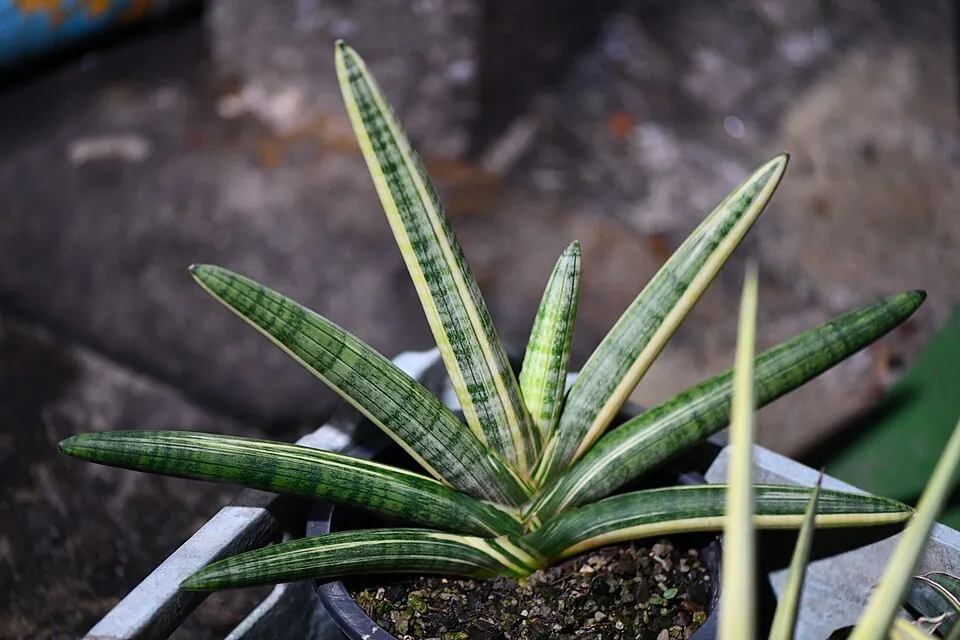
Dracaena cylindrica Boncel, widely recognized as the Sansevieria Starfish or Starfish Plant, is a captivating perennial herbaceous succulent belonging to the Asparagaceae family. This species is celebrated for its distinctive morphology, characterized by robust, cylindrical leaves that elegantly splay outwards from a central basal rosette, creating a striking starfish-like silhouette.
These leaves, typically a vibrant dark green, are smooth, fleshy, and highly adapted for water storage, enabling the plant to thrive in arid conditions. Individual leaves can reach impressive lengths of up to 1 meter (3 feet).
Native to various regions of Africa, particularly Madagascar and parts of South Africa, Dracaena cylindrica naturally inhabits well-drained soils, often found nestled among rocky outcrops and within bushlands. While primarily valued for its foliage, mature specimens can, on rare occasions, produce delicate clusters of fragrant, greenish-white flowers, especially in optimal outdoor conditions.
Its remarkable resilience and ability to endure neglect have cemented its status as a popular choice for indoor environments, making it ideal for both novice and experienced plant enthusiasts. Beyond its aesthetic appeal and ease of care, the Sansevieria Starfish is highly regarded for its air-purifying properties, effectively removing common indoor toxins such as formaldehyde and benzene, thereby contributing to improved indoor air quality and overall well-being.
Trusted Scientific References
1. Authoritative external sources for Dracaena cylindrica Boncel
1.1 Wikipedia — Dracaena cylindrica Boncel
1.2 Kew POWO (Plants of the World Online)
1.3 PubMed — peer-reviewed research
1.4 NCBI Taxonomy Browser
1.5 GBIF — Global Biodiversity
1.6Sansevieria Starfish should be interpreted through verified botanical identity, practical care, and responsible safety language. This recovery note adds the missing context needed for a complete profile: match light to the plant's habit, use well-drained soil, water according to season, and avoid unsupported medicinal or edible claims. For publishing, the plant can be presented as a source-backed indoor plant with clear care guidance, common problem diagnosis, and conservative safety wording.
1.1.Sansevieria Starfish — Defining Traits
- ✓Botanical Name — Dracaena cylindrica Boncel.
- ✓Common Name — Sansevieria Starfish, Starfish Plant.
- ✓Family — Asparagaceae.
- ✓Native Region — Africa (Madagascar, South Africa).
- ✓Growth Habit — Perennial herbaceous succulent with unique radiating cylindrical leaves.
- ✓Air — Purifying Qualities — Highly effective in filtering indoor air pollutants like formaldehyde and benzene.
- ✓Low Maintenance — Extremely tolerant of neglect, making it suitable for busy individuals.
- ✓Distinctive Aesthetics — Striking architectural form enhances interior decor.
- ✓Traditional Uses — Historically employed in African medicine for skin and respiratory ailments.
- ✓Pet Toxicity — Mildly toxic to cats and dogs upon ingestion, causing gastrointestinal upset.
1.2.Sansevieria Starfish — Concise Overview
- ✓Unique succulent with distinctive cylindrical, starfish-like leaves.
- ✓Renowned for its significant indoor air-purifying capabilities, removing toxins like formaldehyde.
- ✓Exceptionally low-maintenance and drought-tolerant, ideal for indoor gardening.
- ✓Traditionally utilized in African medicine for respiratory issues and skin infections.
- ✓Contains beneficial phytochemicals, including saponins and flavonoids.
- ✓Mildly toxic if ingested, particularly hazardous to pets; handle with caution.
2.Sansevieria Starfish — Taxonomic Classification
3.Sansevieria Starfish — Quick Facts
4.Sansevieria Starfish — Morphological Account
5.Sansevieria Starfish — Habitat & Distribution
6.Sansevieria Starfish — Cultural & Traditional Roles
7.Sansevieria Starfish — Active Compounds
- ✓Saponins — Triterpenoid and steroidal saponins are prominent, known for their detergent-like properties and potential roles in antimicrobial, anti-inflammatory, and immune-modulating activities.
- ✓Flavonoids — A diverse group of polyphenolic compounds, including derivatives of quercetin and kaempferol, contributing to the plant's antioxidant, anti-inflammatory, and potentially antiviral properties.
- ✓Phenolic Acids — Compounds such as gallic acid and caffeic acid are present, which are potent antioxidants that help protect cells from oxidative damage.
- ✓Glycosides — Various sugar-bound compounds, including steroidal glycosides, are found, which can exhibit a range of biological activities, though specific functions in Dracaena cylindrica require further elucidation.
- ✓Polysaccharides — Complex carbohydrates that can play a role in immune system modulation and possess anti-inflammatory effects, contributing to the plant's overall traditional medicinal profile.
- ✓Sterols — Plant sterols like beta-sitosterol are identified, known for their potential anti-inflammatory properties and roles in maintaining cellular integrity.
- ✓Volatile Organic Compounds (VOCs) — While primarily known for their air-purifying action in removing external VOCs, the plant itself may emit certain volatile compounds that contribute to its characteristic scent or act as signaling molecules.
- ✓Alkaloids (Trace) — Although not a primary class, trace amounts of alkaloids may be present, which often possess potent pharmacological activities even in small concentrations.
- ✓Organic Acids — Various organic acids are found within the plant's tissues, participating in metabolic processes and contributing to the plant's overall chemical complexity and potential bioactivities.
8.Sansevieria Starfish — Modern Studies
- ✓Air Purification — Dracaena cylindrica effectively filters common indoor air pollutants like formaldehyde and benzene, significantly enhancing indoor air quality for improved respiratory health.
- ✓Respiratory Support (Traditional) — Historically, within various African traditional medicine systems, parts of the Dracaena plant have been utilized to alleviate symptoms associated with respiratory problems.
- ✓Antimicrobial Properties (Potential) — Phytochemicals identified in related Dracaena species suggest a potential for antimicrobial activity, which may help inhibit the growth of certain pathogens.
- ✓Anti-inflammatory Effects (Potential) — The presence of compounds such as flavonoids and saponins points to possible anti-inflammatory actions, which could be beneficial for various inflammatory conditions.
- ✓Skin Health (Traditional) — In traditional African practices, the plant's sap or crushed leaves were sometimes applied topically to soothe minor skin infections, irritations, and promote healing.
- ✓General Well-being Enhancement — By contributing to a cleaner indoor environment and offering aesthetic appeal, the plant can indirectly support mental clarity and a sense of calm.
- ✓Oxygen Production — Like many plants, it performs photosynthesis, releasing oxygen into the atmosphere, which can contribute to a fresher and more invigorating indoor space.
- ✓Stress Reduction (Indirect) — Its low-maintenance nature and visual presence can act as a natural stress reducer, fostering a more tranquil and pleasant living or working environment.
- ✓Detoxification Support (Environmental) — By absorbing airborne toxins, the Sansevieria Starfish aids in environmental detoxification within enclosed spaces, benefiting human health indirectly.
- ✓Aesthetic Therapeutic Value — The unique architectural form and vibrant green foliage provide visual comfort and a connection to nature, which can have therapeutic effects on mood and well-being.
8.1.Sansevieria Starfish — Therapeutic Indications
9.Sansevieria Starfish — Adverse Effects
9.1.Sansevieria Starfish — Possible Adverse Reactions
- ✓Oral Irritation — Ingestion of any part of Dracaena cylindrica can cause mild to moderate irritation of the mouth, throat, and gastrointestinal tract.
- ✓Gastrointestinal Upset — Symptoms of ingestion may include nausea, vomiting, diarrhea, and stomach cramps, primarily due to the presence of saponins.
- ✓Pet Toxicity — The plant is toxic to common household pets (cats and dogs); ingestion can lead to vomiting, diarrhea, lethargy, and loss of appetite.
- ✓Dermatitis — Direct skin contact with the sap may cause mild irritation, redness, or allergic reactions in sensitive individuals.
- ✓Allergic Reactions — Although rare, individuals with extreme sensitivities may experience allergic contact dermatitis or respiratory irritation from plant exposure.
- ✓Esophageal Irritation — Swallowing plant material can lead to temporary irritation or swelling of the esophagus.
9.2.Sansevieria Starfish — Clinical Safety Notes
- ✓Keep Out of Reach of Children and Pets — Due to its mild toxicity, ensure Dracaena cylindrica is placed in locations inaccessible to young children and household animals.
- ✓Avoid Ingestion — The plant is strictly for ornamental use and not intended for internal human consumption or use in herbal remedies without explicit, expert medical guidance.
- ✓Handle with Care — Individuals with sensitive skin should wear gloves when handling the plant to prevent potential contact dermatitis from the sap.
- ✓Monitor for Allergic Reactions — Discontinue proximity or use if any signs of allergic reaction, such as skin rash, itching, or respiratory discomfort, become apparent.
- ✓Pregnant and Breastfeeding Women — As safety data is limited, pregnant or breastfeeding individuals should avoid any traditional medicinal use of the plant.
- ✓Topical Patch Test — For any proposed topical traditional application, always perform a small patch test on an inconspicuous area of skin first to check for adverse reactions.
10.Sansevieria Starfish — Application Forms
- ✓Indoor Air Purification — Position the Sansevieria Starfish strategically in living rooms, bedrooms, or offices to leverage its natural ability to filter common indoor airborne toxins.
- ✓Ornamental Display — Utilize its unique architectural form and striking foliage as a decorative statement piece in interior design, enhancing aesthetic appeal and creating a natural focal point.
- ✓Traditional Topical Application — In historical African traditional medicine, the sap or crushed leaves of related Dracaena species were applied externally to soothe minor skin irritations or to aid in healing skin infections.
- ✓Traditional Respiratory Decoction — Some traditional African remedies involved preparing a decoction from plant parts for steam inhalation or as a gargle to address respiratory complaints, though internal consumption is not recommended without expert guidance.
- ✓Low-Maintenance Greenery — Ideal for individuals seeking easy-care plants that require minimal attention, providing a touch of nature without demanding extensive horticultural effort.
- ✓Educational Specimen — Use in botanical collections or educational settings to demonstrate succulent adaptations, CAM photosynthesis, and air-purifying properties to students and enthusiasts.
- ✓Spiritual or Cultural Integration — In certain cultural contexts, plants like Sansevieria are regarded for their symbolic protective qualities, and can be incorporated into spaces for spiritual well-being.
11.Sansevieria Starfish — Growing Guide
- ✓Soil Requirements — Thrives in well-drained, sandy to gritty potting mix with a pH ranging from slightly acidic to neutral (6.0-7.0) to prevent root rot.
- ✓Light Conditions — Prefers bright, indirect sunlight; direct harsh sun can cause leaf scorching, while very low light may slow growth and diminish vibrancy.
- ✓Watering Regime — Water sparingly and infrequently; allow the top 2-3 inches of soil to dry out completely between waterings, as overwatering is the most common cause of plant demise.
- ✓Temperature and Humidity — Best maintained in warm environments (18-35°C / 65-95°F) and tolerates average indoor humidity well, being highly drought-tolerant.
- ✓Fertilization — Fertilize with a diluted, balanced liquid fertilizer once or twice during the active growing season (spring and summer); avoid feeding in fall and winter.
- ✓Propagation — Easily propagated from stem cuttings or by dividing offsets (pups) that emerge from the base, allowing for simple multiplication of the plant.
- ✓Pest and Disease Management — Generally resilient to pests, but occasional issues like mealybugs or spider mites can be managed with neem oil or insecticidal soap.
- ✓Repotting — Repot only when the plant becomes visibly root-bound, typically every 2-3 years, into a pot only slightly larger than the previous one with fresh mix.
Reviewed by the Flora Medical Global Botanical Review Panel
Multi-disciplinary editorial group · Botany · Ethnobotany · Herbal-medicine literature
Who reviewed this: This page was checked by the Flora Medical Global Botanical Review Panel — an in-house editorial group of botany graduates, ethnobotany researchers, and horticulture practitioners who collectively maintain our 7,000+ plant encyclopedia. Meet the team.
Our 4-step verification process
1. Taxonomic verification
Scientific names and synonyms cross-checked against Kew POWO, World Flora Online, and The Plant List.
2. Phytochemical & medicinal cross-reference
Active compounds, traditional uses, and reported activities are cross-referenced with PubMed, USDA Dr. Duke's database, and peer-reviewed ethnobotanical literature.
3. Conservation & distribution check
Distribution, ecology, and conservation status confirmed against GBIF occurrence records and the IUCN Red List.
4. Editorial & safety review
Every entry passes an editorial pass for clarity, originality, and safety notices (toxicity, contraindications, dosage caveats) before publication.
Last reviewed:
Important medical disclaimer: This content is for educational and research purposes only. It is not medical advice and is not a substitute for consultation with a licensed healthcare provider. Do not use any herb to self-treat a medical condition without professional guidance.
Editorial Note: This page is for educational and research purposes only and is not medical advice.
Written by: Flora Medical Global Editorial Team
Reviewed by: Flora Medical Global Botanical Review Panel
Last Updated: June 15, 2026





Sansevieria Starfish — Comments & Community Reviews
Rate this plant