
Medical Disclaimer: This content is for educational purposes only. It is not medical advice. Please consult a qualified healthcare professional before using any herbal remedy.
Safety Overview
1.Sarsaparilla — Botanical Snapshot
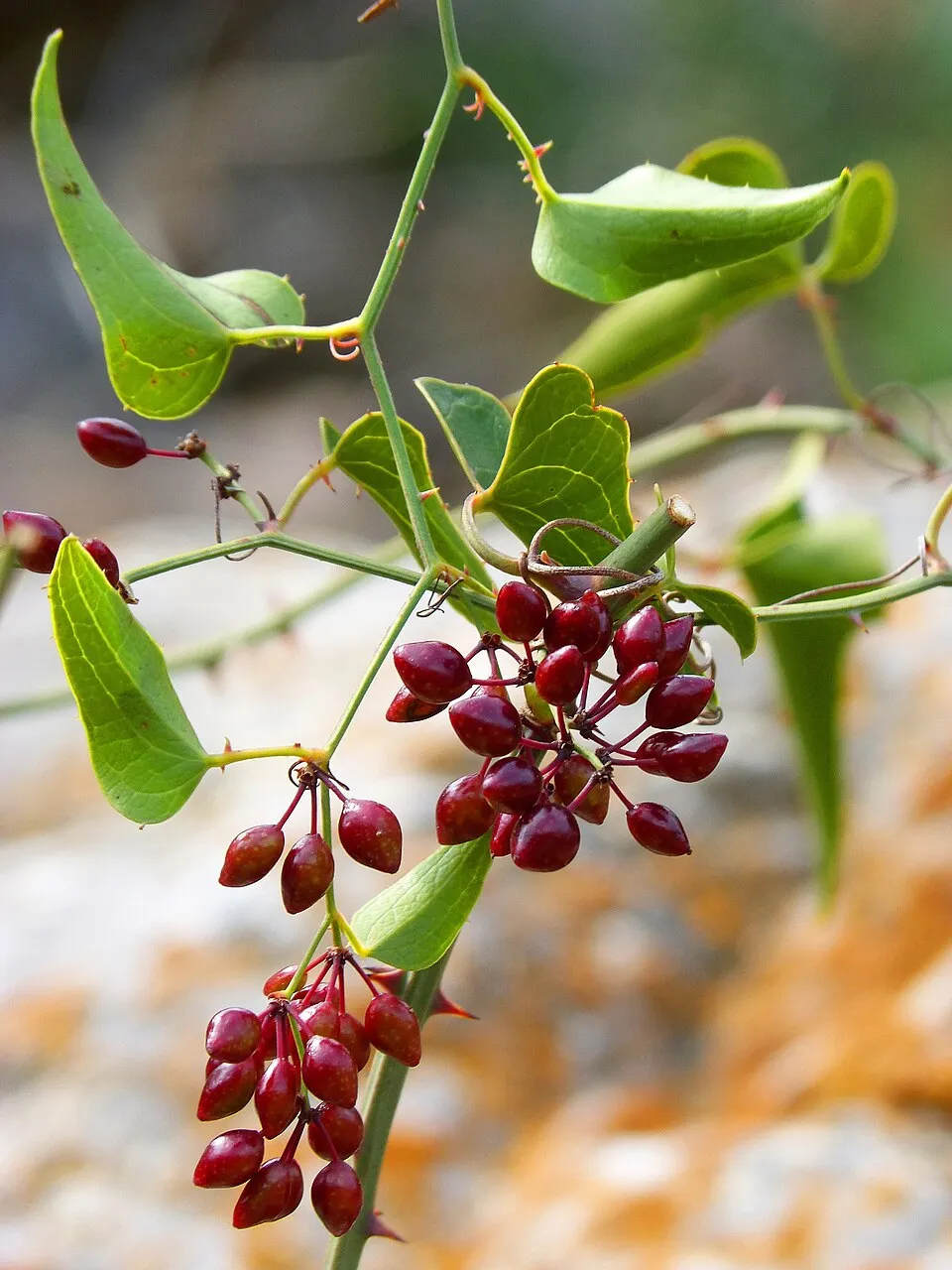
Sarsaparilla, scientifically known as Smilax ornata, is a perennial woody vine belonging to the Smilacaceae family. Native to tropical and subtropical regions of Central and South America, as well as the Caribbean, this climbing plant is characterized by its thorny stems, leathery, heart-shaped or ovate leaves, and small, inconspicuous flowers that develop into clusters of red or black berries.
The most medicinally significant part of the plant is its extensive root system, which consists of long, slender rhizomes that can extend several meters into the soil. These roots are reddish-brown externally and lighter internally, possessing a distinctive earthy aroma.
Smilax ornata thrives in humid, shaded environments, often found growing along forest edges or climbing up larger trees and shrubs. Its robust nature allows it to adapt to various soil types, though it prefers well-drained, fertile ground. The plant's botanical classification places it within a genus known for its diverse species, many of which share similar phytochemical profiles and traditional uses.
Historically, Sarsaparilla has been a cornerstone in indigenous medicine systems across its native range, prized for its 'blood-purifying' and tonic properties. Its distinctive appearance and vigorous growth make it a recognizable component of tropical flora, while its deep-seated roots are the reservoir of its potent therapeutic compounds, making it a valuable subject for botanical and pharmacological research.
Trusted Scientific References
1. Authoritative external sources for Smilax ornata
1.1 Wikipedia — Smilax ornata
1.2 Kew POWO (Plants of the World Online)
1.3 PubMed — peer-reviewed research
1.4 NCBI Taxonomy Browser
1.5 GBIF — Global Biodiversity
1.6Sarsaparilla should be interpreted through verified botanical identity, practical care, and responsible safety language. This recovery note adds the missing context needed for a complete profile: match light to the plant's habit, use well-drained soil, water according to season, and avoid unsupported medicinal or edible claims. For publishing, the plant can be presented as a source-backed medicinal plant with clear care guidance, common problem diagnosis, and conservative safety wording.
1.1.Sarsaparilla — Distinguishing Points
- ✓Botanical Identity — Smilax ornata, a perennial woody vine from the Smilacaceae family.
- ✓Medicinal Part — Primarily the root (rhizome), known for its therapeutic compounds.
- ✓Key Bioactives — Dominantly steroidal saponins like sarsasaponin and smilagenin.
- ✓Traditional Significance — A cornerstone in Central American, Ayurvedic, and Chinese traditional medicine for 'blood purification' and skin health.
- ✓Pharmacological Actions — Exhibits anti-inflammatory, antioxidant, and mild antimicrobial activities.
- ✓Adaptogenic Potential — May help the body adapt to stress and support overall vitality.
- ✓Historical Remedy — Noted for its historical use in treating syphilis and other systemic conditions.
- ✓Global Distribution — Found in tropical and subtropical regions across the Americas and parts of Asia.
- ✓Flavoring Agent — Also recognized for its distinctive flavor used in traditional root beer.
- ✓Research Interest — Continues to be studied for its potential in modern pharmacological applications.
1.2.Sarsaparilla — In Brief
- ✓Traditional 'Blood Purifier' — Sarsaparilla has been historically revered for its detoxifying and cleansing properties, particularly for the blood.
- ✓Rich in Saponins — Its primary active compounds are steroidal saponins, which contribute to its anti-inflammatory and adaptogenic effects.
- ✓Multifaceted Benefits — Offers anti-inflammatory, antioxidant, antimicrobial, and immune-supportive properties.
- ✓Key for Skin and Detox — Widely used in traditional medicine for chronic skin conditions, rheumatism, and supporting detoxification pathways.
- ✓Diverse Preparations — Available in various forms including decoctions, tinctures, capsules, and traditional beverages like root beer.
- ✓Caution Advised — Important to consider potential side effects and drug interactions, especially for pregnant individuals or those on medication.
2.Sarsaparilla — Botanical Identity
3.Sarsaparilla — Vital Statistics
4.Sarsaparilla — Botanical Description
5.Sarsaparilla — Ecological Habitat
6.Sarsaparilla — Heritage Uses
7.Sarsaparilla — Phytochemistry
- ✓Steroidal Saponins — These are the primary active compounds, including sarsasaponin, smilagenin, sarsaponin, parillin, and diosgenin, known for their anti-inflammatory, adaptogenic, and potential steroid-like activities.
- ✓Flavonoids — Compounds such as quercetin and kaempferol contribute significantly to Sarsaparilla's antioxidant capacity, protecting cells from oxidative stress.
- ✓Phenolic Acids — Present in the root, compounds like caffeic acid and ferulic acid further enhance the plant's antioxidant and anti-inflammatory properties.
- ✓Phytosterols — Beta-sitosterol and stigmasterol are plant sterols found in Smilax ornata, recognized for their anti-inflammatory and cholesterol-lowering potential.
- ✓Resins — These complex mixtures of organic compounds contribute to the plant's overall therapeutic effects, often acting synergistically with other constituents.
- ✓Volatile Oils — While present in small quantities, these essential oils may contribute to the plant's characteristic aroma and possess mild antimicrobial properties.
- ✓Tannins — These astringent compounds provide mild antiseptic qualities and may contribute to the plant's traditional use in soothing mucous membranes.
- ✓Alkaloids — Trace amounts of various alkaloids may be present, although they are not considered primary active constituents for Sarsaparilla's main therapeutic actions.
- ✓Minerals — The roots also contain various trace minerals and nutrients that support general bodily functions.
8.Sarsaparilla — Evidence-Based Benefits
- ✓Anti-inflammatory Action — Sarsaparilla contains steroidal saponins, such as sarsasaponin, which are thought to modulate inflammatory pathways, potentially reducing swelling and pain associated with conditions like arthritis.
- ✓Antioxidant Properties — Rich in flavonoids and phenolic compounds, Smilax ornata helps neutralize harmful free radicals in the body, thereby protecting cells from oxidative damage and supporting overall cellular health.
- ✓Antimicrobial Effects — Certain saponins and other constituents in sarsaparilla have demonstrated in vitro activity against various bacteria and fungi, suggesting a role in supporting the body's defense against microbial invaders.
- ✓Immune System Support — Traditionally used as a tonic, Sarsaparilla may help modulate immune responses, enhancing the body's natural resilience and supporting general immune function.
- ✓Skin Health Enhancement — Historically utilized for chronic skin conditions like psoriasis, eczema, and acne, its anti-inflammatory and detoxifying effects are believed to contribute to clearer, healthier skin.
- ✓Detoxification Support — Functioning as a mild diuretic and diaphoretic, sarsaparilla promotes the elimination of toxins through urine and sweat, thereby supporting the liver and kidneys in their natural detoxification processes.
- ✓Digestive Comfort — The plant's compounds may help soothe the gastrointestinal tract, potentially easing discomfort and supporting healthy digestion, especially in traditional applications for indigestion.
- ✓Relief for Rheumatic Conditions — Due to its anti-inflammatory and analgesic potential, Sarsaparilla has been traditionally employed to alleviate symptoms of rheumatism, gout, and other joint-related discomforts.
- ✓Historical Syphilis Treatment — In historical contexts, Smilax ornata was a significant botanical remedy for syphilis, believed to cleanse the blood and aid in managing the symptoms of this systemic infection.
- ✓General Tonic and Adaptogen — Valued as a general tonic, it is thought to support overall vitality and well-being, potentially acting as an adaptogen by helping the body adapt to various stressors.
8.1.Sarsaparilla — Therapeutic Indications
9.Sarsaparilla — Cautions & Contraindications
9.1.Sarsaparilla — Side Effects & Warnings
- ✓Gastrointestinal Upset — High doses of Sarsaparilla may cause mild stomach irritation, nausea, or diarrhea in sensitive individuals.
- ✓Diuretic Effect — Its natural diuretic properties can lead to increased urination, which might be a concern for individuals with certain kidney conditions or those on diuretic medications.
- ✓Allergic Reactions — Although rare, some individuals may experience allergic reactions, such as skin rashes or itching, upon consumption.
- ✓Drug Interactions — Sarsaparilla may interact with certain medications, including diuretics (potentiating their effects), lithium (increasing its absorption), and digoxin (potentially increasing its toxicity).
- ✓Blood Sugar Levels — In very large doses, the plant may theoretically influence blood sugar, warranting caution for individuals with diabetes or those on hypoglycemic agents.
- ✓Steroidal Hormone Interference — Due to its steroidal saponins, there is a theoretical potential for interference with endogenous or exogenous steroid hormones, though clinical significance is generally low.
9.2.Sarsaparilla — Safety Overview
- ✓Pregnancy and Lactation — Sarsaparilla should be avoided during pregnancy and breastfeeding due to insufficient research on its safety for these populations.
- ✓Children — Use in children is not generally recommended without the supervision and guidance of a qualified healthcare professional.
- ✓Pre-existing Conditions — Individuals with kidney disease, heart conditions, or those on diuretics should exercise caution and consult a physician before use.
- ✓Dosage Adherence — Always adhere to recommended dosages from reputable sources or healthcare practitioners to minimize the risk of adverse effects.
- ✓Quality Sourcing — Ensure that Sarsaparilla products are sourced from reputable suppliers to guarantee purity, potency, and absence of contaminants.
- ✓Medication Interactions — Consult with a healthcare provider if currently taking any medications, especially those for heart conditions, diabetes, or diuretic drugs, to avoid potential interactions.
- ✓Discontinue Use — Discontinue use if any adverse reactions occur and seek medical advice promptly.
10.Sarsaparilla — Preparation Methods
- ✓Decoction — The most common method involves simmering dried Sarsaparilla root in water for 15-30 minutes to create a potent tea, often consumed 2-3 times daily.
- ✓Tincture — A concentrated liquid extract made by steeping the dried root in alcohol, which allows for convenient dosing and extended shelf life.
- ✓Capsules/Tablets — Powdered Sarsaparilla root is encapsulated or pressed into tablets, offering a standardized and easy-to-take form, particularly for precise dosing.
- ✓Syrups — Traditionally, Sarsaparilla root is incorporated into medicinal syrups, often combined with other herbs, for palatability and ease of administration, especially for children.
- ✓Fluid Extracts — A more concentrated liquid form than tinctures, fluid extracts provide a higher potency per dose and are often used under professional guidance.
- ✓Topical Applications — Infusions or poultices made from the root can be applied externally to address skin conditions, inflammation, or minor wounds.
- ✓Traditional Beverages — Sarsaparilla root is a key ingredient in traditional root beer and other tonic drinks, valued for its distinctive flavor and purported health benefits.
11.Sarsaparilla — Garden Cultivation
- ✓Climate — Sarsaparilla thrives in warm, humid tropical and subtropical climates, ideally with consistent rainfall and high humidity levels.
- ✓Soil Requirements — It prefers well-drained, fertile soil rich in organic matter, with a slightly acidic to neutral pH (6.0-7.0).
- ✓Light Conditions — While it can tolerate full sun in some conditions, partial shade is generally ideal, mimicking its natural understory habitat in forests.
- ✓Propagation — Smilax ornata can be propagated effectively from seeds, which require scarification for better germination, or more commonly from root cuttings.
- ✓Watering — Consistent moisture is crucial, especially during establishment, but overwatering should be avoided to prevent root rot.
- ✓Support Structure — As a climbing vine, Sarsaparilla requires a sturdy support structure like a trellis, fence, or neighboring trees to climb and spread.
- ✓Harvesting — The medicinal roots are typically harvested after the plant has matured for several years, usually 3-5 years, to ensure optimal concentration of active compounds.
- ✓Pest and Disease Management — Generally robust, it requires minimal intervention, though monitoring for common fungal issues in overly humid conditions is advisable.
Reviewed by the Flora Medical Global Botanical Review Panel
Multi-disciplinary editorial group · Botany · Ethnobotany · Herbal-medicine literature
Who reviewed this: This page was checked by the Flora Medical Global Botanical Review Panel — an in-house editorial group of botany graduates, ethnobotany researchers, and horticulture practitioners who collectively maintain our 7,000+ plant encyclopedia. Meet the team.
Our 4-step verification process
1. Taxonomic verification
Scientific names and synonyms cross-checked against Kew POWO, World Flora Online, and The Plant List.
2. Phytochemical & medicinal cross-reference
Active compounds, traditional uses, and reported activities are cross-referenced with PubMed, USDA Dr. Duke's database, and peer-reviewed ethnobotanical literature.
3. Conservation & distribution check
Distribution, ecology, and conservation status confirmed against GBIF occurrence records and the IUCN Red List.
4. Editorial & safety review
Every entry passes an editorial pass for clarity, originality, and safety notices (toxicity, contraindications, dosage caveats) before publication.
Last reviewed:
Important medical disclaimer: This content is for educational and research purposes only. It is not medical advice and is not a substitute for consultation with a licensed healthcare provider. Do not use any herb to self-treat a medical condition without professional guidance.
Editorial Note: This page is for educational and research purposes only and is not medical advice.
Written by: Flora Medical Global Editorial Team
Reviewed by: Flora Medical Global Botanical Review Panel
Last Updated: June 15, 2026





Sarsaparilla — Comments & Community Reviews
Rate this plant