


Medical Disclaimer: This content is for educational purposes only. It is not medical advice. Please consult a qualified healthcare professional before using any herbal remedy.
Safety Overview
1.Sassafras — Plant Snapshot
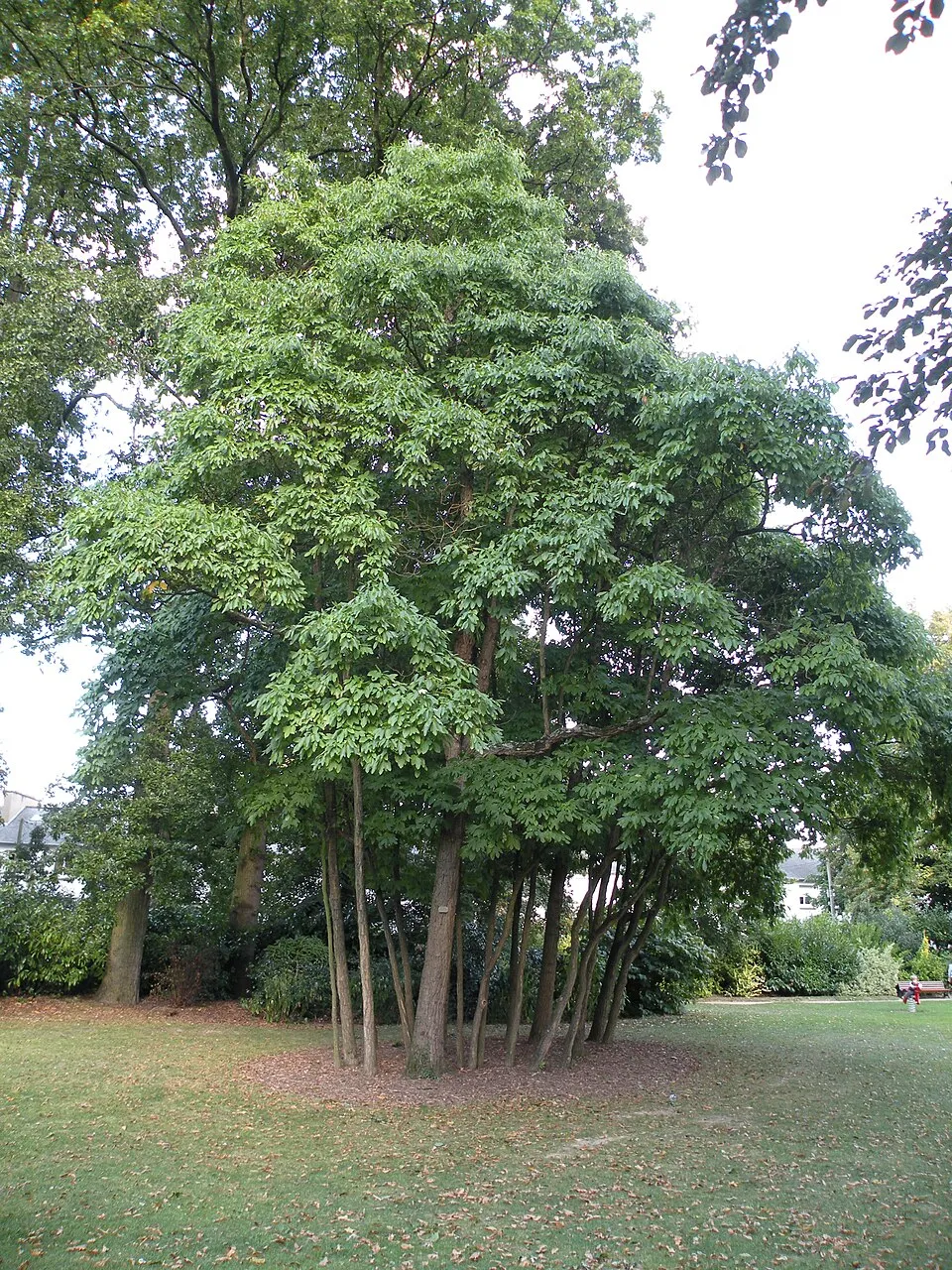
Sassafras albidum, commonly known as sassafras, is a distinctive deciduous tree native to eastern North America, belonging to the Lauraceae family. This medium-sized tree typically reaches heights of 30-60 feet (9-18 meters), though it can grow taller, forming a rounded or irregular crown. Its bark is deeply furrowed, reddish-brown, and highly aromatic, especially when scratched or broken.
The most striking feature of Sassafras albidum is its polymorphic leaves, which can be found in three distinct shapes on the same branch: an oval, unlobed form; a two-lobed 'mitten' shape; and a three-lobed form, all displaying a vibrant green color in spring and summer, turning brilliant shades of yellow, orange, and red in autumn. The leaves, twigs, and roots all emit a characteristic spicy, citrusy fragrance when crushed. In early spring, before the leaves emerge, the tree produces small, inconspicuous yellowish-green flowers in loose clusters.
Sassafras is dioecious, meaning male and female flowers are borne on separate trees. Following successful pollination, female trees develop dark blue, ellipsoid drupes (berries) on stout, bright red stalks in late summer, which are a valuable food source for various wildlife. This species thrives in woodlands, forest edges, and disturbed areas, often forming dense thickets from root suckers, and is widely distributed from southern Maine to central Florida and west to eastern Texas.
Trusted Scientific References
1. Authoritative external sources for Sassafras albidum
1.1 Wikipedia — Sassafras albidum
1.2 Kew POWO (Plants of the World Online)
1.3 PubMed — peer-reviewed research
1.4 NCBI Taxonomy Browser
1.5 GBIF — Global Biodiversity
1.6Sassafras should be interpreted through verified botanical identity, practical care, and responsible safety language. This recovery note adds the missing context needed for a complete profile: match light to the plant's habit, use well-drained soil, water according to season, and avoid unsupported medicinal or edible claims. For publishing, the plant can be presented as a source-backed medicinal plant with clear care guidance, common problem diagnosis, and conservative safety wording.
1.1.Sassafras — Defining Traits
- ✓Distinctive leaves with — Distinctive leaves with three shapes (oval, mitten, three-lobed) often found on the same branch.
- ✓Highly aromatic bark, — Highly aromatic bark, leaves, and roots, emitting a characteristic spicy-citrus fragrance.
- ✓Native to the — Native to the eastern regions of North America, thriving in woodlands and forest edges.
- ✓Historically significant in — Historically significant in indigenous and early American folk medicine for various remedies.
- ✓Contains the compound — Contains the compound safrole, which is identified as a potent hepatocarcinogen.
- ✓Once a popular — Once a popular flavoring for traditional root beer; modern versions use safrole-free extracts.
- ✓Produces small, yellowish — green flowers in spring, followed by dark blue drupe fruits on red stalks.
- ✓Valued for its — Valued for its ornamental qualities, vibrant fall foliage, and as a food source for wildlife.
- ✓Scientific research confirms — Scientific research confirms significant toxicity concerns that override most traditional medicinal claims.
- ✓A member of — A member of the ancient Lauraceae family, which also includes cinnamon and bay laurel.
1.2.Sassafras — Concise Overview
- ✓Sassafras (Sassafras albidum) is a deciduous tree native to eastern North America, historically used in various folk medicine systems.
- ✓Traditionally valued for its aromatic qualities and purported benefits for digestion, inflammation, and as a general tonic.
- ✓Contains safrole, a potent compound now recognized as a hepatocarcinogen and liver toxin, leading to severe health risks.
- ✓Considered unsafe for internal medicinal or culinary use by regulatory bodies such as the FDA.
- ✓Traditional applications for various ailments lack modern scientific validation and are overwhelmingly outweighed by documented safety concerns.
- ✓Modern commercial products using sassafras flavor are meticulously processed to be 'safrole-free' to mitigate toxicity.
2.Sassafras — Taxonomic Classification
3.Sassafras — Botanical Stats
4.Sassafras — Morphological Account
5.Sassafras — Where It Grows
6.Sassafras — Ethnobotanical Uses
7.Sassafras — Secondary Metabolites
- ✓Safrole — The predominant and most concerning constituent of the volatile essential oil, a phenylpropanoid known for its hepatocarcinogenic and genotoxic properties, particularly concentrated in the root bark.
- ✓Linalool — A monoterpene alcohol present in the essential oil, contributing to the plant's aromatic profile and having some minor traditional uses.
- ✓Eugenol — A phenolic compound found in smaller quantities, known for its antiseptic and mild analgesic properties, also contributing to the aroma.
- ✓Α-Pinene — A bicyclic monoterpene, a common constituent in many essential oils, imparting a characteristic pine-like scent.
- ✓Camphor — A ketone terpene that contributes to the strong, pungent aromatic notes of sassafras and has been traditionally used as a counterirritant.
- ✓Alkaloids — Various nitrogen-containing organic compounds, though specific active alkaloids in sassafras are less studied compared to its safrole content.
- ✓Flavonoids — Polyphenolic compounds like quercetin glycosides, found in the leaves and bark, possessing antioxidant potential.
- ✓Tannins — Astringent polyphenols present in the bark, historically used for their binding and drying properties in traditional applications.
- ✓Saponins — Glycosides with surfactant properties, present in the plant but not considered primary active compounds.
- ✓Sesquiterpenes — A class of terpenes found in the essential oil, adding to the complexity of the plant's fragrance and chemical makeup.
8.Sassafras — Research Insights
- ✓Traditional Anti-inflammatory — Historically, sassafras was applied topically as poultices and consumed internally for its purported anti-inflammatory effects, particularly for joint pain and swelling.
- ✓Historical Digestive Aid — In folk medicine, preparations from sassafras were used to soothe stomach upsets, stimulate digestion, and alleviate gastrointestinal discomfort.
- ✓Traditional Diaphoretic — Sassafras tea was historically consumed to induce sweating, often employed during fevers or as a traditional means of 'purifying the blood.'
- ✓Folk Immune Support — Employed in various traditional practices, sassafras was believed to bolster the body's natural defenses and provide general wellness support.
- ✓Topical Antiseptic Use — Applied externally in traditional remedies, sassafras was thought to possess antiseptic properties, useful for minor wounds, insect bites, and skin irritations.
- ✓Traditional Rheumatism Relief — Historical accounts describe its use for alleviating achy joints and muscle discomfort associated with rheumatism.
- ✓Historical Urinary Tract Support — Some traditional practices utilized sassafras for issues related to the urinary system, though specific mechanisms were undefined.
- ✓Folk Blood Purifier — A common historical belief held that sassafras helped cleanse the blood of impurities, contributing to overall health.
- ✓Traditional Respiratory Aid — Indigenous and early American folk medicine employed sassafras for alleviating symptoms of coughs, colds, and bronchitis.
- ✓Historical Skin Condition Treatment — Used topically to address various skin eruptions, rashes, and irritations in traditional healing systems.
- ✓Traditional Gout and Arthritis Management — Folk remedies included sassafras preparations for easing the pain and swelling associated with gout and arthritis.
8.1.Sassafras — Therapeutic Indications
9.Sassafras — Risk Profile
9.1.Sassafras — Side Effects & Warnings
- ✓Carcinogenicity — The primary concern is safrole, a known hepatocarcinogen in animal studies, which has been linked to liver cancer and tumor formation.
- ✓Liver Damage — Safrole can induce significant hepatotoxicity, leading to liver damage, inflammation, and potentially liver failure with sufficient exposure.
- ✓Gastrointestinal Distress — Ingestion, especially of high doses, can cause severe nausea, vomiting, and general digestive upset.
- ✓Central Nervous System Depression — Sassafras can cause sleepiness, drowsiness, and sedation, potentially exacerbated when combined with other CNS depressants.
- ✓Cardiovascular Effects — Consumption of sassafras, particularly the concentrated oil, has been associated with elevated blood pressure and an increased heart rate.
- ✓Hallucinations — High doses of sassafras oil have been reported to induce hallucinations and other severe neurological disturbances.
- ✓Skin Irritation — Topical application of sassafras or its essential oil can lead to contact dermatitis, skin rashes, and allergic reactions.
9.2.Sassafras — Safety Overview
- ✓Extremely Unsafe for Internal Use — Sassafras, especially its root bark and essential oil, is considered unequivocally unsafe for internal consumption by regulatory bodies due to its high safrole content.
- ✓Avoid During Pregnancy and Breastfeeding — There is strong evidence that sassafras oil may induce miscarriage, making it strictly contraindicated for pregnant and lactating individuals.
- ✓Not for Children — Even a few drops of sassafras oil can be deadly to children, rendering it highly unsafe for pediatric use.
- ✓Surgical Contraindication — Due to its potential to depress the central nervous system, sassafras should be discontinued at least two weeks prior to any scheduled surgery to prevent adverse interactions with anesthesia.
- ✓Liver Disease Risk — Individuals with pre-existing liver conditions are at heightened risk of severe hepatotoxicity and should absolutely avoid sassafras.
- ✓Urinary Tract Conditions — Sassafras may exacerbate pre-existing urinary tract disorders, therefore its use is cautioned or contraindicated.
- ✓Drug Interactions — Can interact dangerously with sedative medications (CNS depressants), increasing drowsiness and potentially leading to excessive sedation.
10.Sassafras — How to Use
- ✓Traditional Root Bark Tea — Historically, dried sassafras root bark was steeped in hot water to create a tea, primarily consumed for its purported tonic, diaphoretic, and digestive properties.
- ✓External Poultices — Crushed sassafras leaves or bark were traditionally applied directly to the skin as poultices for insect bites, sprains, minor wounds, and various skin irritations.
- ✓Essential Oil (Historical External Use) — The essential oil, rich in safrole, was historically used externally for its aromatic and purported antiseptic qualities, as well as for rheumatism, though it is now deemed highly toxic.
- ✓Culinary Flavoring (Historical & Safrole-Free) — Historically, sassafras root was a key ingredient for flavoring root beer and other beverages; modern commercial products utilize meticulously processed safrole-free extracts to ensure safety.
- ✓Medicinal Decoction (Historical) — Stronger concentrations of sassafras were sometimes prepared by simmering root bark for extended periods to create more potent traditional remedies.
- ✓Herbal Baths (Folk Use) — Infusions of sassafras leaves or bark were occasionally added to bathwater in folk practices for their aromatic properties and purported soothing effects.
- ✓Indigenous Smoking Mixes — Some Native American tribes traditionally incorporated dried sassafras leaves into smoking mixtures for ceremonial purposes or as part of specific medicinal practices.
11.Sassafras — Growth Requirements
- ✓Climate and Soil — Sassafras albidum thrives in temperate climates, preferring well-drained, slightly acidic to neutral (pH 6.0-7.0) loamy or sandy soils, but is adaptable to various soil types.
- ✓Sunlight Requirements — Best grown in full sun to partial shade; adequate sunlight promotes robust growth and vibrant fall foliage coloration.
- ✓Propagation — Can be effectively propagated from seeds, which require a period of cold stratification, or more commonly from root cuttings or suckers.
- ✓Planting — Young saplings should be planted in spring or fall, ensuring proper spacing to accommodate the mature tree's size and potential spread from root suckers.
- ✓Watering — Requires consistent moisture, especially during its establishment phase, but develops good drought tolerance once mature.
- ✓Fertilization — Generally not required in fertile soils; however, a balanced, slow-release fertilizer can support growth in poorer soil conditions.
- ✓Pruning — Minimal pruning is typically needed, primarily for shaping, removing dead or diseased branches, or managing the spread of unwanted root suckers.
- ✓Pest and Disease Management — Sassafras is generally resistant to most common pests and diseases, though it can be susceptible to fungal issues like powdery mildew in overly humid or wet conditions.
Reviewed by the Flora Medical Global Botanical Review Panel
Multi-disciplinary editorial group · Botany · Ethnobotany · Herbal-medicine literature
Who reviewed this: This page was checked by the Flora Medical Global Botanical Review Panel — an in-house editorial group of botany graduates, ethnobotany researchers, and horticulture practitioners who collectively maintain our 7,000+ plant encyclopedia. Meet the team.
Our 4-step verification process
1. Taxonomic verification
Scientific names and synonyms cross-checked against Kew POWO, World Flora Online, and The Plant List.
2. Phytochemical & medicinal cross-reference
Active compounds, traditional uses, and reported activities are cross-referenced with PubMed, USDA Dr. Duke's database, and peer-reviewed ethnobotanical literature.
3. Conservation & distribution check
Distribution, ecology, and conservation status confirmed against GBIF occurrence records and the IUCN Red List.
4. Editorial & safety review
Every entry passes an editorial pass for clarity, originality, and safety notices (toxicity, contraindications, dosage caveats) before publication.
Last reviewed:
Important medical disclaimer: This content is for educational and research purposes only. It is not medical advice and is not a substitute for consultation with a licensed healthcare provider. Do not use any herb to self-treat a medical condition without professional guidance.
Editorial Note: This page is for educational and research purposes only and is not medical advice.
Written by: Flora Medical Global Editorial Team
Reviewed by: Flora Medical Global Botanical Review Panel
Last Updated: June 15, 2026





Sassafras — Comments & Community Reviews
Rate this plant