
Medical Disclaimer: This content is for educational purposes only. It is not medical advice. Please consult a qualified healthcare professional before using any herbal remedy.
Safety Overview
1.Schefflera Amate — Introduction & Highlights
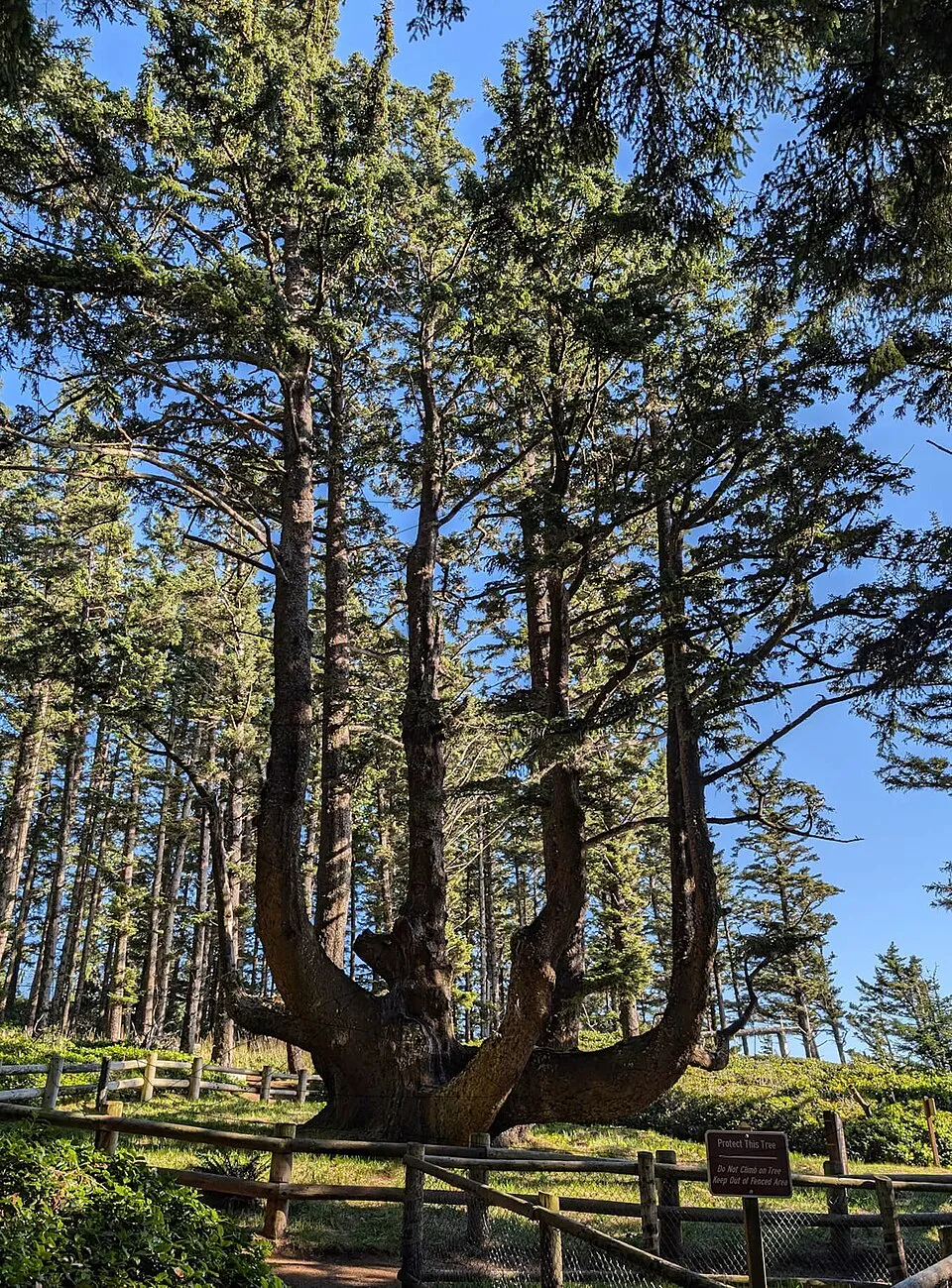
Schefflera actinophylla 'Amate', commonly known as the Umbrella Tree or Octopus Tree, is a distinguished cultivar of the Araliaceae family, highly prized for its ornamental value. This evergreen shrub or small tree is characterized by its exceptionally large, glossy, dark green palmate leaves, which typically feature 7 to 16 leaflets radiating from a central petiole, strikingly resembling an open umbrella. The 'Amate' cultivar is specifically noted for its more robust, compact growth habit and particularly lustrous foliage compared to the species.
In its native tropical rainforests of Australia, Indonesia, and Papua New Guinea, Schefflera actinophylla can reach towering heights of up to 20 meters, often growing as an epiphyte in its juvenile stage before rooting into the ground. When cultivated indoors, it typically achieves a height of 2 to 3 meters, adapting well to container life. The plant produces small, inconspicuous yellow-green flowers arranged in long, spike-like racemes, which are rarely observed in indoor settings.
Following successful pollination, these flowers can develop into small, round, dark purple fruits. Schefflera 'Amate' thrives in warm, humid conditions and prefers bright, indirect light, though it shows remarkable adaptability to lower light levels. Its ability to tolerate various indoor environments, coupled with its air-purifying properties, makes it a favored choice for enhancing interior spaces.
Trusted Scientific References
1. Authoritative external sources for Schefflera actinophylla Amate
1.1 Wikipedia — Schefflera actinophylla Amate
1.2 Kew POWO (Plants of the World Online)
1.3 PubMed — peer-reviewed research
1.4 NCBI Taxonomy Browser
1.5 GBIF — Global Biodiversity
1.6Schefflera Amate should be interpreted through verified botanical identity, practical care, and responsible safety language. This recovery note adds the missing context needed for a complete profile: match light to the plant's habit, use well-drained soil, water according to season, and avoid unsupported medicinal or edible claims. For publishing, the plant can be presented as a source-backed indoor plant with clear care guidance, common problem diagnosis, and conservative safety wording.
1.1.Schefflera Amate — Standout Qualities
- ✓Distinctive glossy, deep — Distinctive glossy, deep green palmate leaves.
- ✓Excellent indoor air — Excellent indoor air purification capabilities.
- ✓Adaptable to a — Adaptable to a range of indoor light conditions.
- ✓'Amate' cultivar known — 'Amate' cultivar known for compact form and fast growth.
- ✓Relatively low maintenance — Relatively low maintenance for a large foliage plant.
- ✓Adds a tropical — Adds a tropical and lush aesthetic to interior spaces.
- ✓Native to the — Native to the rainforests of Australia and New Guinea.
- ✓Contains bioactive compounds — Contains bioactive compounds such as flavonoids and saponins.
- ✓Traditionally recognized for potential anti — inflammatory and analgesic uses.
- ✓Toxic if ingested — Toxic if ingested by humans or pets due to calcium oxalate crystals.
1.2.Schefflera Amate — At-a-Glance Summary
- ✓Schefflera actinophylla 'Amate' is a popular ornamental plant from the Araliaceae family, native to Australian rainforests, known for its glossy palmate leaves.
- ✓This cultivar is celebrated for its robust growth, lush foliage, and proven indoor air-purifying capabilities.
- ✓Contains bioactive compounds like flavonoids, triterpenoids, and saponins, traditionally valued for potential anti-inflammatory and analgesic effects.
- ✓Requires bright, indirect light and well-draining soil, with careful watering to prevent common issues like root rot.
- ✓Critical Safety Warning — All parts of the plant are toxic if ingested by humans or pets, causing oral and gastrointestinal irritation; handle with caution.
2.Schefflera Amate — Systematic Position
3.Schefflera Amate — Quick Facts
4.Schefflera Amate — Structural Profile
5.Schefflera Amate — Where It Grows
6.Schefflera Amate — Ethnobotanical Uses
7.Schefflera Amate — Active Compounds
- ✓Flavonoids — A diverse group of polyphenolic compounds such as quercetin and kaempferol derivatives, known for their potent antioxidant, anti-inflammatory, and free radical scavenging activities.
- ✓Triterpenoids — Pentacyclic triterpenes including oleanolic acid and ursolic acid, which are often investigated for anti-inflammatory, hepatoprotective, and cytotoxic properties.
- ✓Saponins — Both steroidal and triterpenoid saponins are present, responsible for the plant's frothing quality and studied for their adaptogenic, immunomodulatory, and sometimes hemolytic effects.
- ✓Phenolic Acids — Compounds like caffeic acid and chlorogenic acid, contributing significantly to the plant's overall antioxidant capacity and potential anti-inflammatory actions.
- ✓Coumarins — A class of natural organic compounds that can exhibit diverse biological activities, including anti-inflammatory, anticoagulant, and antimicrobial properties.
- ✓Lignans — Often found in the woody parts of plants, these compounds are known for their antioxidant, anti-inflammatory, and phytoestrogenic activities.
- ✓Calcium Oxalate Crystals — Present in all plant parts, these needle-like crystals (raphides) are responsible for the oral and gastrointestinal irritation upon ingestion.
- ✓Essential Oils — While not a primary medicinal component, trace amounts of volatile compounds contribute to the plant's natural aroma and defense mechanisms.
8.Schefflera Amate — Modern Studies
- ✓Anti-inflammatory Support — Traditional uses suggest that compounds like flavonoids and triterpenoids in Schefflera may help modulate inflammatory pathways, potentially alleviating minor swelling and discomfort.
- ✓Analgesic Properties — Saponins and other phytochemicals are thought to contribute to mild pain relief, as observed in some ethnomedicinal applications for localized aches.
- ✓Antioxidant Activity — The presence of flavonoids and phenolic acids provides antioxidant benefits, helping to neutralize free radicals and protect cellular integrity from oxidative stress.
- ✓Environmental Air Purification — As a prominent indoor plant, Schefflera actinophylla is scientifically recognized for its ability to filter common indoor air pollutants such as benzene, formaldehyde, and trichloroethylene, improving ambient air quality.
- ✓Immunomodulatory Potential — Certain saponins isolated from Araliaceae family members are being explored for their capacity to influence and balance immune system responses.
- ✓Traditional Wound Care — In some folk practices, topical applications of crushed leaves or bark have been used to assist in the healing of minor cuts and abrasions, possibly due to astringent qualities.
- ✓Antimicrobial Investigations — Preliminary in vitro studies on extracts from Schefflera species have shown some inhibitory activity against specific bacterial and fungal strains.
- ✓Respiratory Comfort (External) — Historically, preparations might have been used externally as a compress or vapor for mild respiratory congestion, though internal use is contraindicated.
8.1.Schefflera Amate — Conditions Traditionally Used For
9.Schefflera Amate — Risk Profile
9.1.Schefflera Amate — Caution Notes
- ✓Oral Irritation — Ingestion of any part of the plant can cause immediate and intense irritation of the mouth, tongue, and throat due to calcium oxalate crystals.
- ✓Gastrointestinal Distress — Symptoms may include nausea, vomiting, abdominal pain, and diarrhea if plant material is consumed.
- ✓Skin Irritation — Direct contact with the sap can lead to dermatitis, rash, or irritation in sensitive individuals.
- ✓Swelling of Mucous Membranes — Severe ingestion can result in swelling of the glottis and throat, potentially impairing breathing.
- ✓Allergic Reactions — Although rare, individuals may experience allergic responses such as skin rashes, itching, or respiratory symptoms.
- ✓Pet Toxicity — Highly toxic to pets, particularly cats and dogs, causing symptoms similar to human ingestion, including excessive drooling, pawing at the mouth, and vomiting.
9.2.Schefflera Amate — Toxicity Assessment
- ✓Not for Internal Consumption — Due to the presence of calcium oxalate crystals, ingestion of any part of Schefflera 'Amate' is toxic and strongly discouraged.
- ✓Keep Away from Children and Pets — Ensure the plant is placed in an area inaccessible to young children and domestic animals to prevent accidental ingestion.
- ✓Handle with Care — Wear protective gloves when pruning or handling the plant to avoid potential skin irritation from its sap.
- ✓Consult Healthcare Professional — Always consult a qualified medical herbalist or healthcare provider before considering any traditional medicinal application, especially if pregnant, breastfeeding, or on medication.
- ✓Patch Test for Topical Use — If contemplating any external application, perform a small patch test on the skin to check for adverse reactions or sensitivities.
- ✓Seek Medical Attention — In the event of accidental ingestion, particularly if symptoms are severe or persistent, seek immediate medical advice or contact poison control.
10.Schefflera Amate — How to Use
- ✓Topical Poultice (Traditional) — Crushed leaves or bark, carefully prepared, have been traditionally applied externally as a poultice for minor localized inflammation or muscle aches.
- ✓Herbal Compress (External) — Infusions of the leaves, if prepared with caution, might be used as a warm compress for external swelling or discomfort, avoiding broken skin.
- ✓Decoction for External Wash (Traditional) — A decoction made from the bark or roots could be used as an antiseptic wash for minor skin irritations or wounds in some traditional practices, strictly for external use.
- ✓Air Purification (Environmental) — Cultivating the living plant indoors contributes to improved air quality by naturally filtering common household toxins.
- ✓Infused Oil (External) — Leaves can be infused into a carrier oil for topical massage to address muscle stiffness, ensuring no ingestion or contact with mucous membranes.
- ✓Homeopathic Preparations — Highly diluted homeopathic remedies derived from Schefflera are used by practitioners for specific symptom patterns, adhering to homeopathic principles.
- ✓Decorative Element — Primarily used as an ornamental houseplant to enhance aesthetic appeal and contribute to a healthy indoor environment.
11.Schefflera Amate — Growth Requirements
- ✓Light — Provide medium to bright indirect light; direct afternoon sun can scorch its glossy leaves.
- ✓Watering — Allow the top half to two-thirds of the potting mix to dry out completely between waterings to prevent root rot.
- ✓Soil — Use a well-draining, peat-based potting mix, optionally amended with perlite or bark for enhanced aeration.
- ✓Humidity — Prefers moderate to high humidity; regular misting or placement near a humidifier is beneficial, especially in dry indoor environments.
- ✓Temperature — Maintain consistent indoor temperatures between 18-29°C (65-85°F); avoid sudden drops or cold drafts.
- ✓Fertilization — Feed monthly during the active growing season (spring and summer) with a balanced liquid houseplant fertilizer, diluted to half strength.
- ✓Pruning — Prune to maintain desired size and shape, encouraging bushier growth by trimming leggy stems or new growth tips; use sharp, sterilized tools.
- ✓Repotting — Repot every 18-24 months into a container 2-4 inches larger in diameter, or refresh soil and trim roots if maintaining current size.
Reviewed by the Flora Medical Global Botanical Review Panel
Multi-disciplinary editorial group · Botany · Ethnobotany · Herbal-medicine literature
Who reviewed this: This page was checked by the Flora Medical Global Botanical Review Panel — an in-house editorial group of botany graduates, ethnobotany researchers, and horticulture practitioners who collectively maintain our 7,000+ plant encyclopedia. Meet the team.
Our 4-step verification process
1. Taxonomic verification
Scientific names and synonyms cross-checked against Kew POWO, World Flora Online, and The Plant List.
2. Phytochemical & medicinal cross-reference
Active compounds, traditional uses, and reported activities are cross-referenced with PubMed, USDA Dr. Duke's database, and peer-reviewed ethnobotanical literature.
3. Conservation & distribution check
Distribution, ecology, and conservation status confirmed against GBIF occurrence records and the IUCN Red List.
4. Editorial & safety review
Every entry passes an editorial pass for clarity, originality, and safety notices (toxicity, contraindications, dosage caveats) before publication.
Last reviewed:
Important medical disclaimer: This content is for educational and research purposes only. It is not medical advice and is not a substitute for consultation with a licensed healthcare provider. Do not use any herb to self-treat a medical condition without professional guidance.
Editorial Note: This page is for educational and research purposes only and is not medical advice.
Written by: Flora Medical Global Editorial Team
Reviewed by: Flora Medical Global Botanical Review Panel
Last Updated: June 15, 2026





Schefflera Amate — Comments & Community Reviews
Rate this plant