
Medical Disclaimer: This content is for educational purposes only. It is not medical advice. Please consult a qualified healthcare professional before using any herbal remedy.
Safety Overview
1.Schima Wallichii — At a Glance
Schima wallichii, commonly known as Gugertree or Needlewood, is an imposing evergreen tree within the Theaceae family, indigenous to the vast Himalayan region and extending across Southeast Asia. This magnificent species typically attains heights of 30 to 40 meters, characterized by a robust, often buttressed trunk that can span up to 1.5 meters in diameter, supporting a dense, rounded canopy. Its distinctive reddish-brown bark is deeply fissured and frequently exfoliates in irregular plates, contributing to its rugged aesthetic. The foliage comprises simple, alternate, leathery leaves, oblong-lanceolate in form, generally measuring 8-15 cm in length and 3-5 cm in width.
These leaves present a glossy dark green on the upper surface and a paler hue beneath, often featuring finely serrated margins. Young leaves may exhibit a subtle reddish tint. The tree produces attractive, fragrant flowers, creamy-white to pale yellow, cup-shaped, and typically 2-3 cm across. These blossoms emerge in axillary or terminal clusters, usually from late spring to early summer, serving as a magnet for various pollinators.
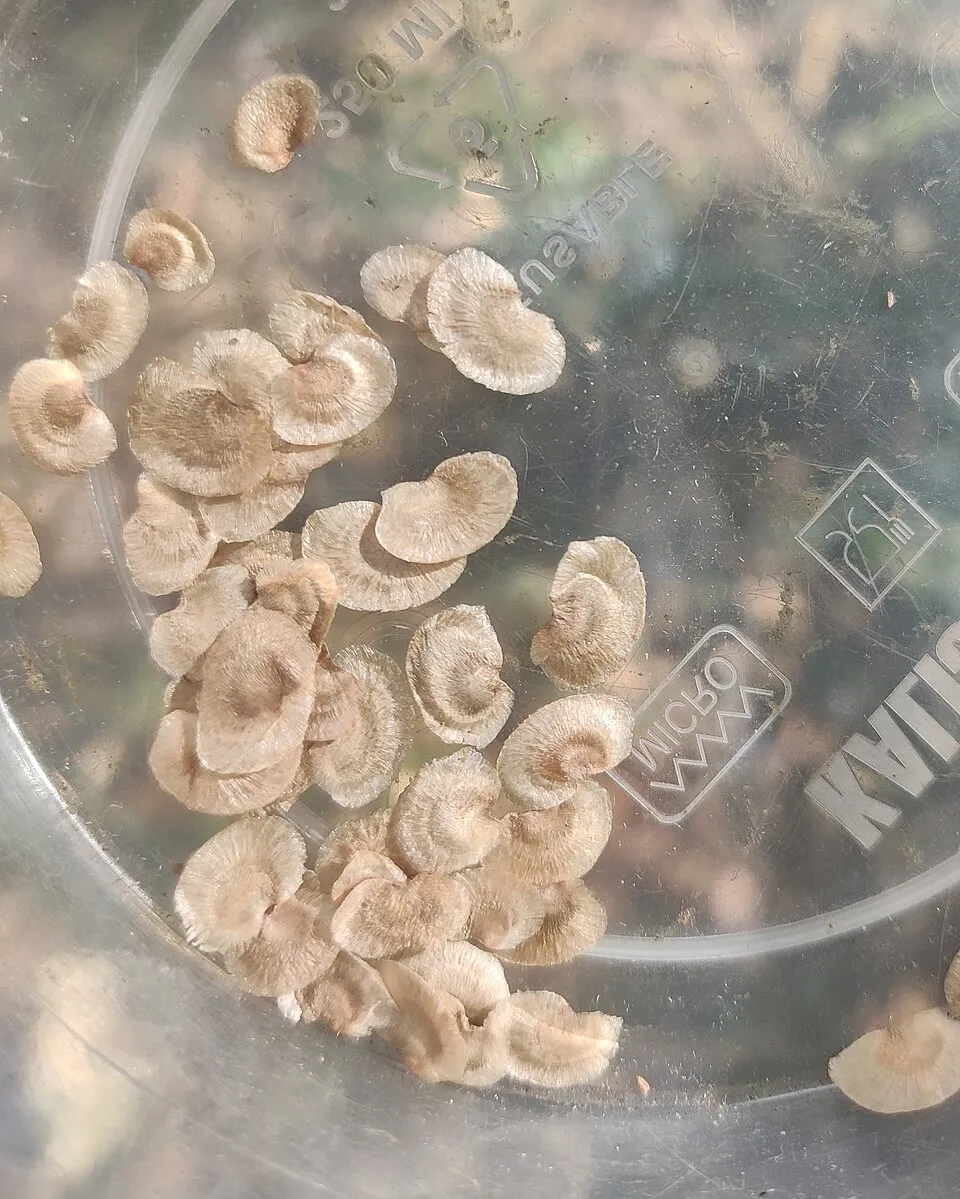
Post-pollination, the tree develops woody, globose capsules, approximately 1.5-2 cm in diameter. These capsules mature and dehisce into 4-5 valves, releasing numerous small, flattened, winged seeds dispersed by wind. Schima wallichii is a vital component of subtropical and tropical evergreen forests, valued for its ecological significance, ornamental qualities, durable timber, and established traditional medicinal applications across its native range.
Trusted Scientific References
1. Authoritative external sources for Schima wallichii
1.1 Wikipedia — Schima wallichii
1.2 Kew POWO (Plants of the World Online)
1.3 PubMed — peer-reviewed research
1.4 NCBI Taxonomy Browser
1.5 GBIF — Global Biodiversity
1.6Schima Wallichii should be interpreted through verified botanical identity, practical care, and responsible safety language. This recovery note adds the missing context needed for a complete profile: match light to the plant's habit, use well-drained soil, water according to season, and avoid unsupported medicinal or edible claims. For publishing, the plant can be presented as a source-backed garden plant with clear care guidance, common problem diagnosis, and conservative safety wording.
1.1.Schima Wallichii — Distinguishing Points
- ✓Evergreen Tree — Large, majestic evergreen species.
- ✓Theaceae Family — Member of the tea family.
- ✓Native Range — Himalayas and Southeast Asia.
- ✓Distinctive Bark — Reddish-brown, fissured, exfoliating plates.
- ✓Leathery Leaves — Oblong-lanceolate, glossy dark green.
- ✓Fragrant Flowers — Creamy-white to pale yellow, cup-shaped.
- ✓Woody Capsules — Globose fruits with winged seeds.
- ✓Astringent Bark — Primary medicinal property.
- ✓Timber Value — Highly valued for durable wood.
- ✓Pioneer Species — Used in reforestation and as a shade tree.
1.2.Schima Wallichii — In Brief
- ✓Majestic evergreen tree native to Himalayas and SE Asia.
- ✓Bark highly valued in traditional medicine for astringent properties.
- ✓Used for wound healing, skin ailments, and anti-inflammatory effects.
- ✓Contains potent tannins and toxic alkaloids (fish poison).
- ✓Cultivated for timber, shade, and reforestation efforts.
- ✓Strict safety warnings against internal use due to toxicity.
2.Schima Wallichii — Botanical Identity
3.Schima Wallichii — Key Data
4.Schima Wallichii — Physical Description
5.Schima Wallichii — Native Range & Habitat
6.Schima Wallichii — Traditional Uses
7.Schima Wallichii — Phytochemistry
- ✓Hydrolysable Tannins — Abundant in the bark, these include gallotannins and ellagitannins, responsible for the strong astringent effects, contributing to wound healing, anti-inflammatory, and antimicrobial activities.
- ✓Flavonoids — Compounds like quercetin, kaempferol, and their glycosides are present, offering antioxidant, anti-inflammatory, and potentially protective vascular effects.
- ✓Saponins — Certain triterpenoid saponins may be found, contributing to expectorant or hemolytic activities, though their specific role in traditional uses requires further study.
- ✓Alkaloids — The bark contains specific alkaloids, notably those identified as having piscicidal (fish poison) properties, necessitating caution in preparation and dosage.
- ✓Triterpenoids — Pentacyclic triterpenoids, such as ursolic acid and oleanolic acid, may be present, known for their anti-inflammatory, hepatoprotective, and anticancer potentials.
- ✓Phenolic Acids — Compounds like caffeic acid and ferulic acid contribute to the plant's antioxidant capacity and may play a role in its anti-inflammatory effects.
- ✓Steroids — Plant sterols and related compounds may be found, influencing cellular membrane integrity and potentially contributing to hormonal regulation.
- ✓Volatile Compounds — While not a primary feature, trace amounts of volatile organic compounds may contribute to the plant's characteristic aroma and minor biological activities.
8.Schima Wallichii — Scientific Evidence
- ✓Astringent Properties — The bark of Schima wallichii is highly valued for its potent astringent actions, attributed to its rich tannin content, which helps to constrict tissues and reduce secretions.
- ✓Wound Healing — Topically applied bark preparations accelerate the healing of superficial wounds, cuts, and abrasions by forming a protective barrier and promoting tissue regeneration.
- ✓Anti-inflammatory Effects — Traditional applications suggest the bark possesses anti-inflammatory properties, useful for alleviating localized swelling and discomfort associated with skin irritations.
- ✓Antimicrobial Activity — Extracts from Schima wallichii bark have demonstrated mild antimicrobial properties, which can help prevent infection in minor skin lesions.
- ✓Dermatological Support — In traditional medicine, it is employed to manage various skin ailments, including rashes, boils, and minor fungal infections, due to its antiseptic and healing attributes.
- ✓Diarrhea Management — Internally, the strong astringent nature of the bark has been traditionally utilized to help reduce the frequency and severity of diarrhea.
- ✓Hemostatic Action — Its astringent qualities can also contribute to stopping minor bleeding, especially when applied externally to small cuts or wounds.
- ✓Oral Health — Historically, some cultures have used preparations for oral hygiene, possibly due to its astringent effects on gums and potential antimicrobial action.
- ✓General Tonic — In some traditional systems, extracts of the tree are considered to have general strengthening or restorative properties, though specific mechanisms are less defined.
- ✓Detoxification Support — Certain traditional practices suggest a role in supporting the body's natural detoxification processes, particularly related to skin health and internal cleansing.
8.1.Schima Wallichii — Therapeutic Indications
9.Schima Wallichii — Safety & Side Effects
9.1.Schima Wallichii — Side Effects & Warnings
- ✓Skin Irritation — Direct contact with the inner bark can cause skin irritation due to its fibrous nature and certain chemical constituents.
- ✓Alkaloid Toxicity — The bark contains alkaloids known to be toxic (fish poison), making internal consumption without proper processing and dosage extremely hazardous.
- ✓Gastrointestinal Upset — Ingesting high doses or improperly prepared bark can lead to severe gastrointestinal discomfort, including nausea, vomiting, and abdominal pain.
- ✓Allergic Reactions — Individuals may experience allergic reactions, such as dermatitis, itching, or hives, upon topical application or exposure.
- ✓Internal Organ Damage — Prolonged or excessive internal use of unpurified extracts may lead to liver or kidney damage due to toxic compounds.
- ✓Drug Interactions — Potential for interactions with medications, especially those affecting blood clotting, gastrointestinal motility, or liver enzymes, due to its potent compounds.
9.2.Schima Wallichii — Safety Overview
- ✓External Use Primarily — Due to documented toxicity, Schima wallichii is generally recommended for external applications only, and internal use should be strictly avoided or undertaken with extreme caution under professional medical supervision.
- ✓Avoid During Pregnancy and Lactation — The presence of toxic alkaloids makes it unsafe for use by pregnant or breastfeeding women, as it could pose risks to the fetus or infant.
- ✓Not for Children — Due to the lack of safety data and potential toxicity, products containing Schima wallichii should not be administered to children.
- ✓Patch Testing — Always perform a patch test on a small area of skin before widespread topical application to check for allergic reactions or irritation.
- ✓Observe Dosage Strictly — If any internal preparation is ever considered (e.g., in highly specific traditional contexts), adherence to minute, traditional dosages is critical, and never without expert guidance.
- ✓Avoid Open Wounds Internally — Do not apply to deep, open wounds or broken skin where systemic absorption could occur, increasing the risk of toxicity.
- ✓Professional Consultation — Individuals with pre-existing medical conditions, especially liver or kidney issues, should strictly avoid use and consult a healthcare professional before any exposure.
10.Schima Wallichii — Preparation Methods
- ✓Bark Paste for Topical Application — Crush dried or fresh bark with a small amount of water to form a paste, then apply directly to wounds, skin irritations, or boils.
- ✓Decoction for Skin Washes — Boil dried bark pieces in water for 15-20 minutes, then strain. Allow to cool before using as an antiseptic wash for larger skin areas or minor infections.
- ✓Infusion for Internal Use (Caution) — Steep a small amount of dried bark in hot water for a short period. This preparation is used internally for diarrhea, but only under expert guidance due to potential toxicity.
- ✓Poultice for Swelling — Combine finely ground bark powder with a binder (e.g., clay or flour) and water to create a thick poultice, applied to areas of localized swelling or inflammation.
- ✓Tincture Preparation — Macerate dried bark in alcohol (e.g., ethanol) for several weeks to extract compounds. This concentrated form is used in very small, diluted doses, primarily for external applications.
- ✓Bark Powder for Dusting — Finely grind dried bark into a powder and dust lightly over minor cuts or abrasions to leverage its astringent and drying properties.
- ✓Traditional Bath Additive — Infuse bark in bathwater to help soothe widespread skin irritations or as a general tonic for skin health, though with careful observation for skin sensitivity.
11.Schima Wallichii — Garden Cultivation
- ✓Climate Preference — Thrives in tropical climates, adaptable to elevations from lowlands up to 2,400 meters, exceptionally tolerating up to 3,900 meters.
- ✓Temperature Range — Withstands mean coldest month temperatures of 0-5°C and hottest month temperatures of 37-45°C.
- ✓Rainfall Requirements — Requires substantial annual rainfall, ranging from 1,400 to 5,000 mm for optimal growth.
- ✓Soil Adaptability — Succeeds in a broad spectrum of soil types, showing no particular preference for texture or fertility.
- ✓Drainage and Moisture — While preferring well-drained soils, it has been observed growing in swamps and along rivers, indicating some tolerance to moisture.
- ✓Light Conditions — Capable of growing in shaded conditions, making it suitable for understory planting or as a pioneer species in reforestation.
- ✓PH Preference — Prefers a soil pH range of 5.0 to 6.5, but can tolerate slightly acidic conditions down to 4.5 and mildly alkaline up to 7.0.
- ✓Propagation — Primarily propagated by seeds, which are small, flattened, and winged, dispersed by wind in its natural habitat.
Reviewed by the Flora Medical Global Botanical Review Panel
Multi-disciplinary editorial group · Botany · Ethnobotany · Herbal-medicine literature
Who reviewed this: This page was checked by the Flora Medical Global Botanical Review Panel — an in-house editorial group of botany graduates, ethnobotany researchers, and horticulture practitioners who collectively maintain our 7,000+ plant encyclopedia. Meet the team.
Our 4-step verification process
1. Taxonomic verification
Scientific names and synonyms cross-checked against Kew POWO, World Flora Online, and The Plant List.
2. Phytochemical & medicinal cross-reference
Active compounds, traditional uses, and reported activities are cross-referenced with PubMed, USDA Dr. Duke's database, and peer-reviewed ethnobotanical literature.
3. Conservation & distribution check
Distribution, ecology, and conservation status confirmed against GBIF occurrence records and the IUCN Red List.
4. Editorial & safety review
Every entry passes an editorial pass for clarity, originality, and safety notices (toxicity, contraindications, dosage caveats) before publication.
Last reviewed:
Important medical disclaimer: This content is for educational and research purposes only. It is not medical advice and is not a substitute for consultation with a licensed healthcare provider. Do not use any herb to self-treat a medical condition without professional guidance.
Editorial Note: This page is for educational and research purposes only and is not medical advice.
Written by: Flora Medical Global Editorial Team
Reviewed by: Flora Medical Global Botanical Review Panel
Last Updated: June 15, 2026





Schima Wallichii — Comments & Community Reviews
Rate this plant