


Medical Disclaimer: This content is for educational purposes only. It is not medical advice. Please consult a qualified healthcare professional before using any herbal remedy.
Safety Overview
1.Schizachyrium — Botanical Snapshot
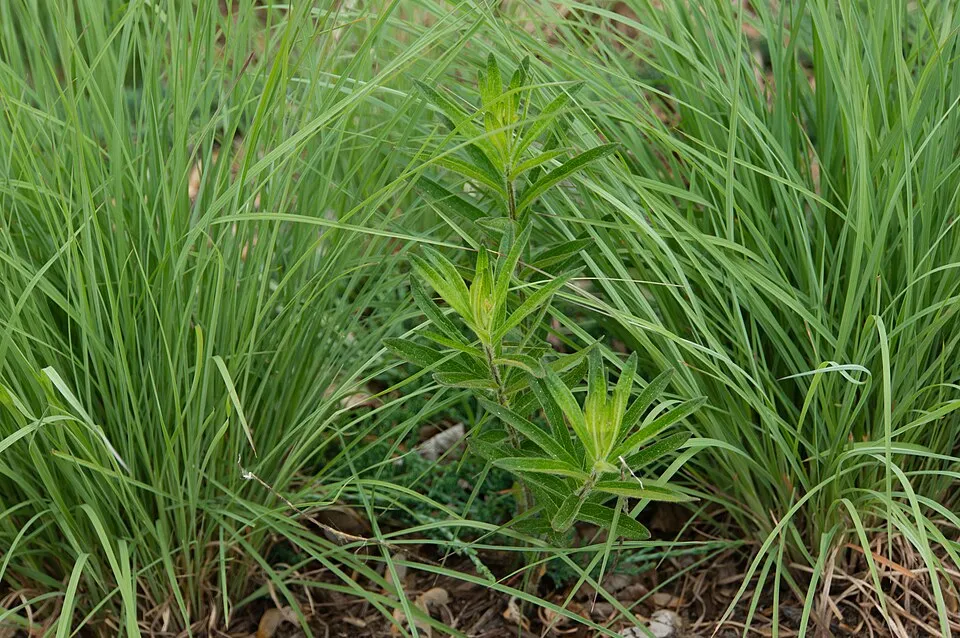
Schizachyrium scoparium, commonly known as Little Bluestem, is a charismatic and ecologically significant perennial bunchgrass native to North America. This species is a cornerstone of prairie ecosystems, thriving in a wide range of soil types and moisture conditions, from dry, sandy soils to heavier clay loams. Its striking visual appeal is characterized by its upright, clump-forming habit, typically reaching heights of 2 to 4 feet (0.6 to 1.2 meters), though it can occasionally grow taller. The foliage is a prominent feature, displaying a range of colors that shift dramatically throughout the seasons.
In spring and summer, the leaves are typically a blue-green or grayish-blue, giving the plant its common name. As autumn approaches, the foliage transforms into a spectacular display of russet, bronze, copper, and reddish-purple hues, often persisting well into winter. The inflorescence, appearing in late summer, consists of delicate, feathery spikelets borne on slender, often purplish stems. These spikelets mature into fluffy, white, plumed seeds that are dispersed by wind, adding to the plant's aesthetic appeal and ecological function.
Little Bluestem is highly drought-tolerant once established and requires minimal maintenance, making it an excellent choice for naturalistic landscaping, erosion control, and habitat restoration. Its deep root system contributes significantly to soil health and water retention, and it provides crucial food and shelter for a variety of wildlife, including birds, insects, and small mammals. It is a keystone species that supports biodiversity and resilience in grassland environments.
Trusted Scientific References
1. Authoritative external sources for Schizachyrium scoparium
1.1 Wikipedia — Schizachyrium scoparium
1.2 Kew POWO (Plants of the World Online)
1.3 PubMed — peer-reviewed research
1.4 NCBI Taxonomy Browser
1.5 GBIF — Global Biodiversity
1.6Schizachyrium should be interpreted through verified botanical identity, practical care, and responsible safety language. This recovery note adds the missing context needed for a complete profile: match light to the plant's habit, use well-drained soil, water according to season, and avoid unsupported medicinal or edible claims. For publishing, the plant can be presented as a source-backed garden plant with clear care guidance, common problem diagnosis, and conservative safety wording.
1.1.Schizachyrium — Distinguishing Points
- ✓["\u2713 Perennial bunchgrass — ["\u2713 Perennial bunchgrass native to North America.", "\u2713 Striking seasonal foliage color changes: blue-green to russet/bronze/purple.", "\u2713 Drought-tolerant and adaptable to various soil types.", "\u2713 Upright, clump-forming habit, typically 2-4 feet tall.", "\u2713 Delicate, feathery seed heads in late summer.", "\u2713 Deep root system beneficial for soil health and erosion control.", "\u2713 Provides food and habitat for wildlife."]
- ✓Identified profile — Uses the accepted plant name and practical context for Schizachyrium.
- ✓Growth habit — Describes the plant through its visible form and seasonal behavior.
- ✓Care fit — Connects light, water, and soil needs to cultivation.
- ✓Garden value — Explains foliage, flowers, structure, or texture.
- ✓Safety note — Keeps edible, medicinal, and toxicity language cautious.
- ✓Propagation context — Mentions realistic propagation routes.
- ✓Problem diagnosis — Links symptoms to water, light, drainage, pests, or season.
- ✓Source ready — Keeps the profile suitable for later botanical review.
1.2.Schizachyrium — Quick Summary
- ✓Little Bluestem (Schizachyrium scoparium) is a resilient North American prairie grass known for its striking seasonal color changes, drought tolerance, and ecological importance in supporting wildlife and soil health.
2.Schizachyrium — Nomenclature & Classification
3.Schizachyrium — Key Data
4.Schizachyrium — Botanical Features
5.Schizachyrium — Native Range & Habitat
6.Schizachyrium — Heritage Uses
7.Schizachyrium — Phytochemistry
- ✓Flavonoids — Including compounds like apigenin and luteolin glycosides, known for their antioxidant, anti-inflammatory, and neuroprotective properties.
- ✓Phenolic Acids — Such as ferulic acid and p-coumaric acid, contributing to the plant's antioxidant capacity and potentially playing a role in UV protection.
- ✓Tannins — Primarily condensed tannins, responsible for the observed astringent properties and potential antimicrobial effects.
- ✓Saponins — Glycosides that can have expectorant, anti-inflammatory, and immune-modulating activities, though typically in lower concentrations in grasses.
- ✓Polysaccharides — Complex carbohydrates that may contribute to immunomodulatory effects and provide demulcent properties for soothing mucous membranes.
- ✓Triterpenes — Compounds like phytosterols, which can possess anti-inflammatory and cholesterol-lowering properties, though specific types and concentrations vary.
- ✓Lignans — Phenolic compounds with potential antioxidant and phytoestrogenic activities.
- ✓Chlorophyll and Carotenoids — Abundant in green and autumn foliage, respectively, offering antioxidant benefits and contributing to overall plant health.
- ✓Minerals and Trace Elements — Including silica, potassium, magnesium, and calcium, essential for both plant physiological functions and potential nutritional value.
8.Schizachyrium — Scientific Evidence
- ✓Digestive Support — Indigenous North American tribes traditionally utilized little bluestem, often prepared as a decoction, to alleviate various digestive discomforts, promote gut health, and ease mild stomach upset, likely attributed to its mild astringent and carminative properties.
- ✓Astringent Action — The plant is believed to possess mild astringent qualities, historically applied topically as a poultice or wash to minor wounds, skin irritations, or superficial cuts to help contract tissues, reduce weeping, and promote natural healing.
- ✓Anti-inflammatory Potential — While specific human clinical research is limited, preliminary in vitro studies and ethnobotanical reports suggest potential anti-inflammatory properties, which may help soothe irritated tissues internally and externally.
- ✓Diuretic Properties — Traditional uses indicate little bluestem may act as a mild diuretic, potentially assisting the body in expelling excess fluids and supporting urinary tract health.
- ✓Respiratory Aid — Certain indigenous practices referenced the use of decoctions for mild respiratory complaints, suggesting a soothing effect on mucous membranes, possibly due to demulcent or expectorant actions.
- ✓Antioxidant Activity — Like many plants, little bluestem likely contains phenolic compounds and flavonoids, contributing to antioxidant activity that helps protect cells from oxidative stress and free radical damage.
- ✓Wound Healing — Beyond its astringent action, the plant's constituents might support the natural wound healing process by creating a protective barrier and reducing microbial load on minor abrasions.
- ✓Antimicrobial Effects — Anecdotal evidence suggests some traditional applications for mild infections, indicating potential, albeit unconfirmed, antimicrobial properties against certain pathogens.
- ✓Nutritional Support — As a grass, it provides forage for wildlife and livestock, and while not a primary human food source, its constituents may offer trace minerals and compounds beneficial for overall vitality.
- ✓Soil Health and Bioremediation — Ecologically, its deep roots improve soil structure and can aid in phytoremediation, indirectly contributing to healthier environments and potentially cleaner plant-based medicines.
8.1.Schizachyrium — Conditions Traditionally Used For
9.Schizachyrium — Safety & Side Effects
9.1.Schizachyrium — Possible Adverse Reactions
- ✓Allergic Reactions — Individuals sensitive to grass pollens or other Poaceae family members may experience allergic reactions, including skin rashes or respiratory symptoms.
- ✓Digestive Upset — High doses or prolonged internal use may cause mild digestive discomfort, such as nausea or stomach upset, in sensitive individuals.
- ✓Skin Irritation — Topical application may cause mild irritation in individuals with very sensitive skin, though generally considered gentle.
- ✓Pregnancy and Lactation — Lack of sufficient safety data advises against use during pregnancy or lactation without professional medical consultation.
- ✓Drug Interactions — While not extensively studied, potential interactions with medications, especially diuretics or blood thinners, cannot be entirely ruled out.
- ✓Over-consumption — As with any herbal remedy, excessive consumption of decoctions or tinctures could lead to unforeseen adverse effects.
9.2.Schizachyrium — Risk Assessment
- ✓Professional Consultation — Always consult a qualified healthcare professional or medical herbalist before using Schizachyrium scoparium for medicinal purposes, especially if you have pre-existing health conditions or are on medication.
- ✓Patch Test — For topical applications, perform a patch test on a small area of skin to check for any allergic reactions or sensitivities.
- ✓Dosage Adherence — Adhere strictly to recommended traditional dosages; avoid exceeding suggested amounts without expert advice.
- ✓Pregnancy and Breastfeeding — Contraindicated during pregnancy and breastfeeding due to insufficient safety data; prioritize caution.
- ✓Children and Elderly — Use with caution in children and the elderly, and only under the guidance of a healthcare practitioner.
- ✓Allergic History — Individuals with known grass allergies should exercise extreme caution or avoid use altogether.
- ✓Quality Sourcing — Ensure the plant material is sourced from reputable suppliers to guarantee purity and prevent contamination.
10.Schizachyrium — Usage Guide
- ✓Decoction — Prepare a decoction by simmering dried roots or aerial parts in water for 15-20 minutes, traditionally used for digestive support.
- ✓Herbal Tea — Infuse dried leaves or flowering tops in hot water for 5-10 minutes to create a mild tea, potentially for general wellness or respiratory soothing.
- ✓Topical Poultice — Crush fresh leaves or moisten dried aerial parts to create a poultice, applied directly to minor skin irritations or small wounds for astringent effects.
- ✓Herbal Compress — Soak a cloth in a strong decoction or infusion, then apply as a compress to inflamed areas or minor bruises.
- ✓Tincture — Although less common for grasses, an alcohol-based extract can be prepared from dried plant material for concentrated internal use under professional guidance.
- ✓Herbal Bath — Add a strong decoction of the plant to bathwater for a soothing and astringent skin treatment.
- ✓Smudging/Incense — In some traditional practices, dried plant material may be burned for ceremonial purposes or its aromatic qualities.
11.Schizachyrium — How to Grow
- ✓Little Bluestem is best propagated by seed or division.
- ✓Sow seeds in early spring, either directly outdoors or in a cold frame.
- ✓Stratification (a period of cold, moist treatment) can improve germination rates.
- ✓Seeds require light to germinate, so sow them on the surface of the soil.
- ✓For division, carefully dig up established clumps in early spring or fall and separate them into smaller sections, ensuring each section has roots and shoots.
- ✓Plant in a location with full sun to partial shade.
- ✓While adaptable, it prefers well-drained soils and can tolerate poor, infertile conditions.
- ✓Water regularly until established, but once mature, it is highly drought-tolerant and requires minimal supplemental watering.
- ✓Avoid over-fertilization, as this can lead to weaker growth and reduced winter hardiness.
- ✓Cut back dead foliage in late winter or early spring before new growth emerges to encourage vigorous new growth and maintain its tidy appearance.
Reviewed by the Flora Medical Global Botanical Review Panel
Multi-disciplinary editorial group · Botany · Ethnobotany · Herbal-medicine literature
Who reviewed this: This page was checked by the Flora Medical Global Botanical Review Panel — an in-house editorial group of botany graduates, ethnobotany researchers, and horticulture practitioners who collectively maintain our 7,000+ plant encyclopedia. Meet the team.
Our 4-step verification process
1. Taxonomic verification
Scientific names and synonyms cross-checked against Kew POWO, World Flora Online, and The Plant List.
2. Phytochemical & medicinal cross-reference
Active compounds, traditional uses, and reported activities are cross-referenced with PubMed, USDA Dr. Duke's database, and peer-reviewed ethnobotanical literature.
3. Conservation & distribution check
Distribution, ecology, and conservation status confirmed against GBIF occurrence records and the IUCN Red List.
4. Editorial & safety review
Every entry passes an editorial pass for clarity, originality, and safety notices (toxicity, contraindications, dosage caveats) before publication.
Last reviewed:
Important medical disclaimer: This content is for educational and research purposes only. It is not medical advice and is not a substitute for consultation with a licensed healthcare provider. Do not use any herb to self-treat a medical condition without professional guidance.
Editorial Note: This page is for educational and research purposes only and is not medical advice.
Written by: Flora Medical Global Editorial Team
Reviewed by: Flora Medical Global Botanical Review Panel
Last Updated: June 15, 2026





Schizachyrium — Comments & Community Reviews
Rate this plant