
Medical Disclaimer: This content is for educational purposes only. It is not medical advice. Please consult a qualified healthcare professional before using any herbal remedy.
Safety Overview
1.Scindapsus Silver Hero — Plant Snapshot
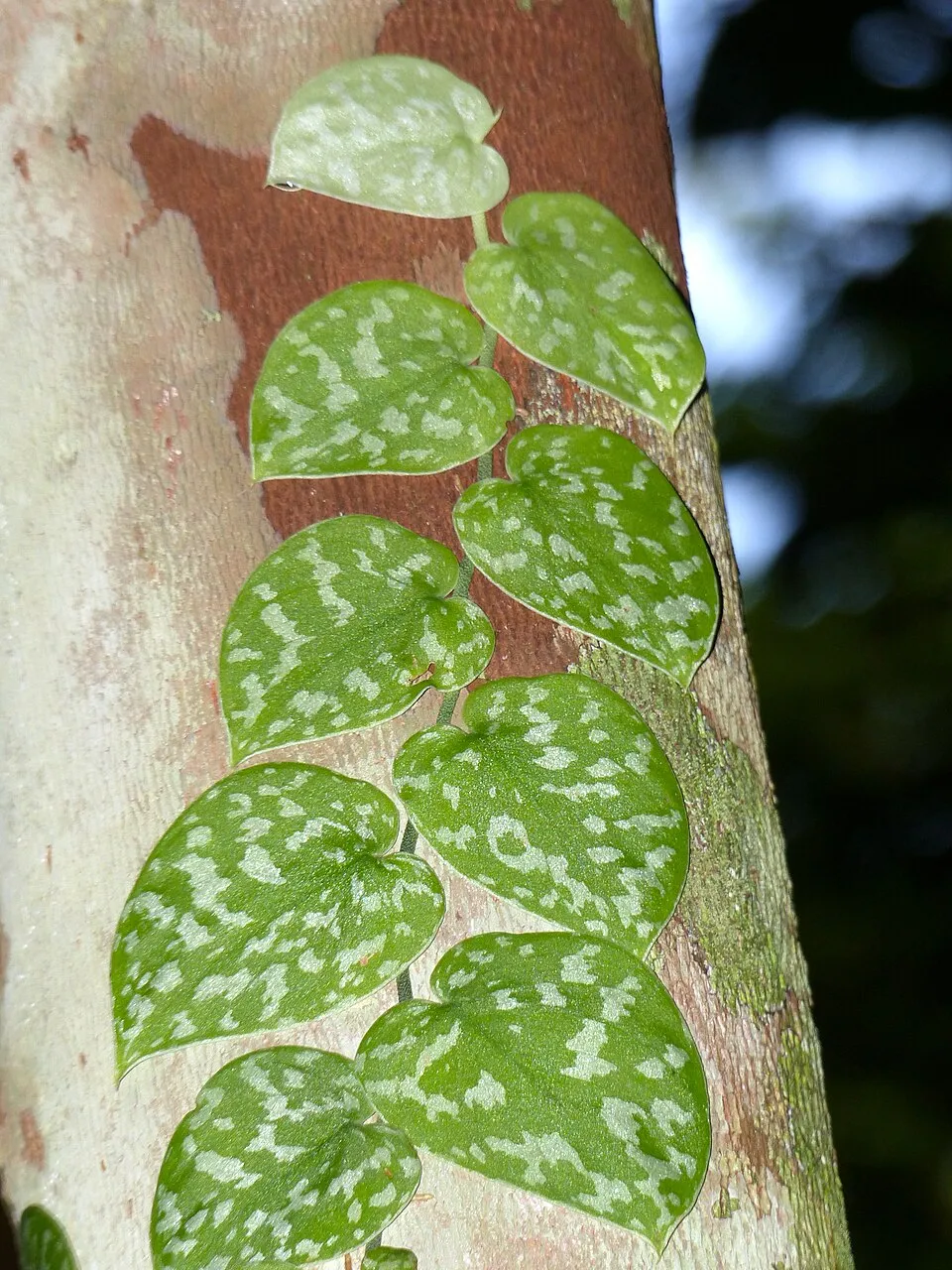
Scindapsus Silver Hero is a captivating cultivar within the Scindapsus genus, belonging to the Araceae family, renowned for its distinctive ornamental foliage. Native to the tropical rainforests of Southeast Asia, including regions like Bangladesh, Malesia, and New Guinea, this evergreen perennial thrives as an epiphyte or epilith, utilizing aerial rootlets to climb tree trunks and rocks in its natural habitat. Its name, derived from the Greek word 'skindapsos' meaning 'upon tree trunks,' aptly describes its opportunistic climbing habit.
The plant features elegant, heart-shaped to ovate leaves with a unique satin texture and striking silver variegation against a lush green background. This silvery sheen is not due to a pigment but rather a reflective 'blister' variegation created by tiny air pockets beneath the outer leaf layer, which scatter and reflect light. Scindapsus Silver Hero typically forms long, trailing vines that can extend up to 10 feet in optimal outdoor conditions or 1.5-3 feet indoors, making it an excellent choice for hanging baskets, climbing supports, or tabletop displays.
While it rarely produces the characteristic spathe and spadix flowers indoors, its captivating foliage provides year-round aesthetic appeal. This species thrives in high humidity and warm temperatures, preferring bright, indirect light conditions, consistent with its understory origins in dense tropical forests.
Trusted Scientific References
1. Authoritative external sources for Scindapsus Silver Hero
1.1 Wikipedia — Scindapsus Silver Hero
1.2 Kew POWO (Plants of the World Online)
1.3 PubMed — peer-reviewed research
1.4 NCBI Taxonomy Browser
1.5 GBIF — Global Biodiversity
1.6Scindapsus Silver Hero should be interpreted through verified botanical identity, practical care, and responsible safety language. This recovery note adds the missing context needed for a complete profile: match light to the plant's habit, use well-drained soil, water according to season, and avoid unsupported medicinal or edible claims. For publishing, the plant can be presented as a source-backed indoor plant with clear care guidance, common problem diagnosis, and conservative safety wording.
1.1.Scindapsus Silver Hero — Standout Qualities
- ✓Distinctive Silver Variegation — Unique reflective patterns on lush green, heart-shaped leaves.
- ✓Vining Growth Habit — Produces long, trailing stems, perfect for hanging or climbing displays.
- ✓Epiphytic/Epilithic Nature — In its natural habitat, it climbs trees and rocks for support using aerial roots.
- ✓Low Light Tolerance — Adapts well to bright, indirect light conditions common in indoor environments.
- ✓Tropical Origin — Native to the humid rainforests of Southeast Asia, thriving in warm, moist conditions.
- ✓Araceae Family Member — Belongs to the Arum family, characterized by its unique flower structure (though rarely seen indoors).
- ✓Easy Propagation — Readily roots from stem cuttings, making it simple to multiply or share.
- ✓Non — Medicinal Use — Primarily valued for its aesthetic appeal, with no documented therapeutic or medicinal applications.
- ✓Pet Toxic — Harmful to animals if ingested due to the presence of calcium oxalate content.
- ✓Air — Purifying Qualities (General) — Contributes to indoor air freshness as a common houseplant, though specific efficacy is unquantified.
1.2.Scindapsus Silver Hero — In Brief
- ✓Ornamental Houseplant — Prized for its striking silver-variegated, heart-shaped foliage.
- ✓Low Maintenance — Adaptable and relatively easy to care for, suitable for beginners.
- ✓Toxic if Ingested — Contains calcium oxalate crystals, harmful to humans and pets.
- ✓Prefers Indirect Light & High Humidity — Thrives in tropical-like conditions indoors.
- ✓Air Quality Contributor — Like many houseplants, it can passively enhance indoor air quality.
- ✓Vining Growth Habit — Ideal for trailing or climbing displays in homes and offices.
2.Scindapsus Silver Hero — Systematic Position
3.Scindapsus Silver Hero — Quick Facts
4.Scindapsus Silver Hero — Plant Morphology
5.Scindapsus Silver Hero — Where It Grows
6.Scindapsus Silver Hero — Ethnobotanical Uses
7.Scindapsus Silver Hero — Active Compounds
- ✓Specific medicinal chemical constituents for Scindapsus Silver Hero are not documented, as its primary use is ornamental. However, like many plants in the Araceae family, it contains:
- ✓Calcium Oxalate Crystals — These insoluble needle-like crystals (raphides) are present in the cells of all plant parts, including Scindapsus species, and are responsible for the immediate oral and gastrointestinal irritation if ingested.
- ✓Photosynthetic Pigments — Chlorophylls (a and b) and various carotenoids are abundant in the green parts of the leaves, essential for photosynthesis and contributing to the plant's vibrant green base color.
- ✓Reflective Variegation Mechanism — The unique silvery patterns are attributed to light reflecting off tiny air pockets between the outer leaf layer and inner chlorophyll-containing cells, creating a physical rather than chemical variegation.
- ✓Cell Wall Polysaccharides — Structural carbohydrates such as cellulose, hemicellulose, and pectin form the robust cell walls, providing rigidity and support to its vining stems and leaves.
- ✓Volatile Organic Compounds (Trace) — Like most plants, Scindapsus may emit trace amounts of various VOCs as part of its metabolic processes, although these are not typically associated with significant medicinal activity for this species.
- ✓Flavonoids (General Plant Metabolites) — While not specifically characterized or quantified for Scindapsus Silver Hero, flavonoids are common plant secondary metabolites with potential antioxidant properties, found in varying amounts across plant species.
- ✓Saponins (Potential Presence) — Saponins are glycosides found in many plants with diverse biological activities, though their specific presence or medicinal relevance in Scindapsus Silver Hero is not documented.
- ✓Alkaloids (Undocumented) — Certain plant families contain alkaloids with various pharmacological effects; however, there is no specific documentation of medicinally relevant alkaloids in Scindapsus Silver Hero.
8.Scindapsus Silver Hero — Research Insights
- ✓It is critical to note that Scindapsus Silver Hero is primarily an ornamental plant and has no officially documented medicinal uses or traditional therapeutic applications. The following 'benefits' are indirect or general to houseplants:
- ✓Ornamental Value — Primarily cultivated for its striking foliage, Scindapsus Silver Hero significantly enhances indoor aesthetics and contributes to a visually pleasant environment, promoting a sense of well-being through biophilic design.
- ✓Air Quality Enhancement (General Houseplant Property) — Like many houseplants, Scindapsus species are believed to contribute to minor improvements in indoor air quality by absorbing certain volatile organic compounds, though specific research for Scindapsus Silver Hero is limited.
- ✓Stress Reduction (Indirect Benefit) — The presence of living plants, including Scindapsus Silver Hero, in living and working spaces has been associated with reduced psychological stress and improved mood, fostering a calmer atmosphere.
- ✓Humidity Regulation (Minor Effect) — Through transpiration, plants can slightly increase ambient humidity, which can be beneficial in dry indoor environments, though Scindapsus Silver Hero’s contribution is modest.
- ✓Cognitive Function Support (Environmental Factor) — Studies suggest that green spaces and indoor plants can positively influence concentration and productivity, providing a subtle environmental advantage in studies or workplaces.
- ✓Educational and Horticultural Interest — Cultivating Scindapsus Silver Hero offers an engaging hobby, promoting learning about plant care, botany, and propagation techniques, enriching personal knowledge and skills.
- ✓Aesthetic Diversity in Plant Collections — Its unique silver-patterned foliage adds significant visual interest and texture to plant collections, making it a prized specimen for enthusiasts seeking variety.
- ✓Environmental Connection — Fosters a connection to nature, which can be psychologically beneficial, especially for those in urban environments with limited access to natural green spaces.
8.1.Scindapsus Silver Hero — Health Applications
9.Scindapsus Silver Hero — Precautions & Warnings
9.1.Scindapsus Silver Hero — Warnings
- ✓Scindapsus Silver Hero contains calcium oxalate crystals, making it toxic if ingested.
- ✓Oral Irritation — Ingestion can cause immediate and intense pain, burning sensation, and swelling of the mouth, tongue, lips, and throat due to insoluble calcium oxalate crystals.
- ✓Gastrointestinal Discomfort — Consumption may lead to nausea, vomiting, abdominal pain, and diarrhea if larger quantities are ingested, particularly in sensitive individuals or pets.
- ✓Skin Irritation — Direct contact with the plant's sap can cause mild skin irritation, redness, or dermatitis in sensitive individuals, although this is less common than ingestion effects.
- ✓Eye Irritation — Accidental contact with the sap or plant material in the eyes may cause temporary irritation, redness, burning, and discomfort.
- ✓Pet Toxicity — Highly toxic to household pets (cats, dogs, birds, etc.) if ingested, leading to severe oral irritation and gastrointestinal distress, necessitating immediate veterinary attention.
- ✓Allergic Reactions — While rare, highly sensitive individuals may experience allergic contact dermatitis upon prolonged exposure to the plant.
9.2.Scindapsus Silver Hero — Toxicity Assessment
- ✓Toxic if Ingested — All parts of Scindapsus Silver Hero contain insoluble calcium oxalate crystals and are considered toxic if consumed by humans or animals.
- ✓Keep Away from Children and Pets — Ensure the plant is placed out of reach of curious children and all household pets to prevent accidental ingestion and potential severe health reactions.
- ✓Handle with Care — Wear protective gloves when handling, pruning, or repotting the plant, especially if you have sensitive skin, to avoid potential irritation from the sap.
- ✓Eye Protection Recommended — Exercise caution to prevent sap or plant debris from entering the eyes during any handling activities.
- ✓Not for Internal Use — This plant has no documented medicinal uses and must never be prepared for ingestion, herbal remedies, or any other therapeutic application.
- ✓Seek Medical Attention for Ingestion — In case of accidental consumption, contact a poison control center or a veterinarian immediately for guidance.
- ✓Wash Hands Thoroughly — Always wash hands thoroughly with soap and water after handling any part of the Scindapsus Silver Hero plant.
10.Scindapsus Silver Hero — Application Forms
- ✓Scindapsus Silver Hero is primarily utilized for its ornamental value and is not recommended for medicinal or internal consumption.
- ✓Indoor Ornamental Display — Primarily used as a decorative houseplant, ideal for enhancing indoor aesthetics in hanging baskets, elevated shelves, or as a trailing accent in living spaces.
- ✓Climbing Plant Support — Can be trained to climb moss poles, trellises, or other supports, which can encourage the development of larger leaves as the plant matures.
- ✓Air Purification (Passive) — Positioned in living spaces to passively contribute to indoor air quality, though its direct impact on specific pollutants is minor and not scientifically quantified for this specific cultivar.
- ✓Horticultural Specimen — Cultivated by plant enthusiasts and collectors for its unique variegation and relatively easy care requirements, often sought after as a distinct variety within the Scindapsus genus.
- ✓Gifting and Decor — A popular choice for housewarming gifts, office decor, or as a thoughtful present due to its aesthetic appeal and adaptability to various indoor conditions.
- ✓Propagation for Sharing — Stem cuttings are commonly taken to propagate new plants, allowing for easy expansion of one's own collection or sharing with other plant lovers.
- ✓Biophilic Design Element — Integrated into interior design schemes to bring elements of nature indoors, contributing to a calming and visually appealing environment.
11.Scindapsus Silver Hero — Propagation & Care
- ✓Potting — Repot every 1-2 years in a pot one size larger (1-2 inches in diameter), ensuring adequate drainage holes to prevent waterlogging and root rot.
- ✓Watering — Water at least once a week, allowing the top 2-3 inches of potting mix to dry out completely between waterings; reduce frequency to bi-weekly during winter dormancy.
- ✓Sunlight — Provide bright, indirect sunlight for at least 4-6 hours daily; place near a window without direct sun exposure or use a sheer curtain to filter light, avoiding leaf burn.
- ✓Humidity & Temperature — Prefers a humidity range of 40-60% and consistent temperatures between 60-85°F (15-30°C); protect from cold drafts and temperatures below 60°F.
- ✓Soil Mix — Thrives in a well-draining, aerated potting mix with organic matter, ideally with a pH between 6.1-6.8, to support healthy root development.
- ✓Fertilization — Feed with a balanced, water-soluble fertilizer every few weeks during the active growing season (spring and summer), reducing or stopping in fall and winter.
- ✓Pruning — Prune regularly to promote bushier growth, remove leggy vines, and maintain the desired shape, ideally performed during the spring and summer months.
- ✓Propagation — Easily propagated from stem cuttings placed in water or moist potting mix, allowing new roots to develop before transplanting.
Reviewed by the Flora Medical Global Botanical Review Panel
Multi-disciplinary editorial group · Botany · Ethnobotany · Herbal-medicine literature
Who reviewed this: This page was checked by the Flora Medical Global Botanical Review Panel — an in-house editorial group of botany graduates, ethnobotany researchers, and horticulture practitioners who collectively maintain our 7,000+ plant encyclopedia. Meet the team.
Our 4-step verification process
1. Taxonomic verification
Scientific names and synonyms cross-checked against Kew POWO, World Flora Online, and The Plant List.
2. Phytochemical & medicinal cross-reference
Active compounds, traditional uses, and reported activities are cross-referenced with PubMed, USDA Dr. Duke's database, and peer-reviewed ethnobotanical literature.
3. Conservation & distribution check
Distribution, ecology, and conservation status confirmed against GBIF occurrence records and the IUCN Red List.
4. Editorial & safety review
Every entry passes an editorial pass for clarity, originality, and safety notices (toxicity, contraindications, dosage caveats) before publication.
Last reviewed:
Important medical disclaimer: This content is for educational and research purposes only. It is not medical advice and is not a substitute for consultation with a licensed healthcare provider. Do not use any herb to self-treat a medical condition without professional guidance.
Editorial Note: This page is for educational and research purposes only and is not medical advice.
Written by: Flora Medical Global Editorial Team
Reviewed by: Flora Medical Global Botanical Review Panel
Last Updated: June 15, 2026





Scindapsus Silver Hero — Comments & Community Reviews
Rate this plant