
Medical Disclaimer: This content is for educational purposes only. It is not medical advice. Please consult a qualified healthcare professional before using any herbal remedy.
Safety Overview
1.Sedum Adolphii — Plant Snapshot
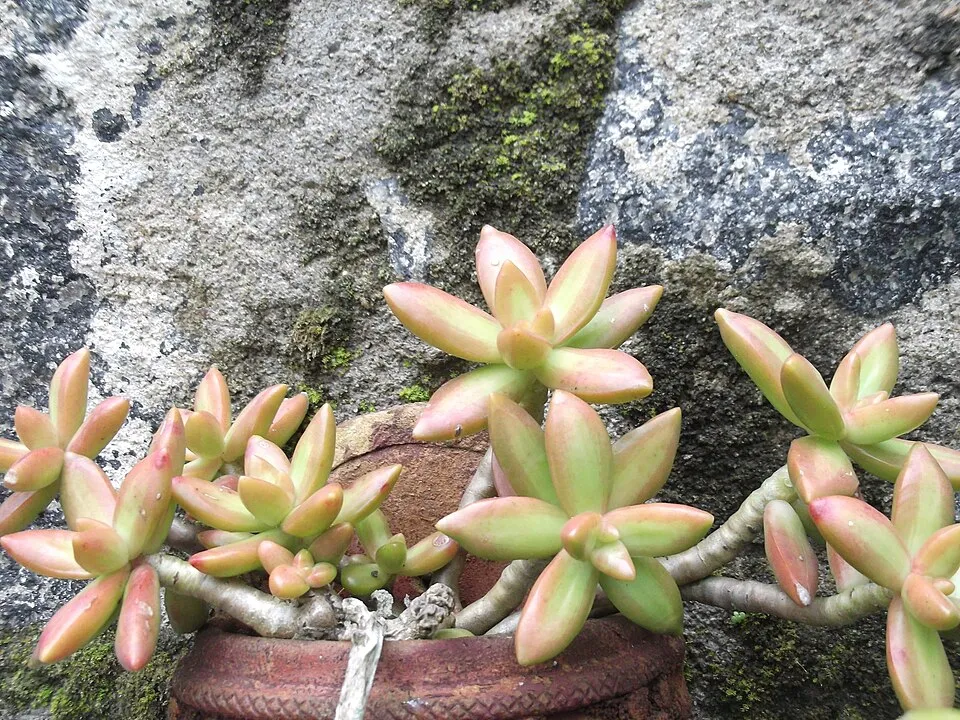
Sedum adolphii, commonly known as Golden Sedum or Adolph's Stonecrop, is a captivating succulent species native to the arid and semi-arid regions of Mexico, primarily found in states like Veracruz and Puebla. This perennial plant, a distinguished member of the Crassulaceae family, exemplifies remarkable adaptive evolution, thriving in environments characterized by scarce water resources. Its distinct morphology is defined by fleshy, turgid leaves, ingeniously designed for efficient water storage, enabling it to withstand prolonged periods of drought. These leaves are typically oblanceolate to spatulate in shape, measuring approximately 2 to 4 cm in length. They display a vibrant spectrum of yellow-green hues, which intensify into warm orange or reddish tints along their margins when exposed to ample sunlight or cooler temperatures. The leaves are arranged in dense, spiraling rosettes or clusters along sprawling stems, gradually forming an attractive, mat-like ground cover.
The stems of Sedum adolphii are relatively slender, often exhibiting a trailing or decumbent growth habit. They possess the unique ability to root along their length wherever they make contact with the soil, significantly contributing to the plant's natural spreading tendency. Its root system is characteristically fibrous and shallow, an adaptation optimized for rapidly absorbing surface moisture after infrequent rainfall events. During its typical blooming season, spanning from late spring through summer, the plant produces delicate yet cheerful inflorescences. These consist of small, star-shaped flowers, usually a bright yellow, clustered in terminal cymes that emerge gracefully above the foliage. Each flower typically possesses five petals, making them highly attractive to a diverse range of pollinators, predominantly bees and butterflies, which are vital for its reproductive success.
Ecologically, Sedum adolphii functions as a hardy pioneer species, frequently colonizing rocky slopes, cliffs, and dry scrublands at elevations ranging from 1,200 to 2,800 meters. Its widespread native habitat across various Mexican states underscores its adaptability to diverse microclimates within its preferred dry, sunny conditions. A pivotal physiological adaptation is its capacity to perform Crassulacean Acid Metabolism (CAM) photosynthesis. This mechanism allows the plant to open its stomata at night to absorb carbon dioxide, minimizing water loss during the day when temperatures are high, furthe ...[CURRENT TEXT EXISTS: 3049 chars]
1.1.Sedum Adolphii — Key Features
- ✓Succulent Morphology — Features fleshy, water-storing oblanceolate to spatulate leaves that display vibrant yellow-green to orange-red hues.
- ✓Drought Tolerance — Highly adapted to arid conditions through water-storing tissues and Crassulacean Acid Metabolism (CAM) photosynthesis.
- ✓Mat — forming Growth — Produces sprawling, decumbent stems that readily root, forming a dense ground cover over time.
- ✓Showy Flowers — Bears small, star-shaped, bright yellow flowers arranged in terminal cymes during its late spring to summer blooming season.
- ✓Low Maintenance — Requires minimal care once established, making it an excellent choice for xeriscaping and low-water gardens.
- ✓Ornamental Value — Highly prized for its striking foliage coloration and ease of cultivation in rock gardens, containers, and as an indoor accent.
- ✓Native to Mexico — Indigenous to the arid and semi-arid regions of Mexico, demonstrating resilience in challenging environments.
- ✓CAM Photosynthesis — A key physiological adaptation allowing efficient water use by opening stomata at night.
- ✓Easy Propagation — Readily multiplies from simple stem or leaf cuttings, making it simple to share and expand collections.
- ✓Cold Sensitivity — Not frost-hardy, necessitating protection from freezing temperatures in colder climates.
1.2.Sedum Adolphii — In Brief
- ✓Primary Use — Ornamental succulent with potential traditional topical applications for minor skin issues and inflammation.
- ✓Key Compounds — Rich in flavonoids, phenolic acids, saponins, and triterpenoids, contributing to antioxidant and anti-inflammatory effects.
- ✓Growth Habit — Drought-tolerant, mat-forming perennial, ideal for xeriscaping and rock gardens.
- ✓Safety Note — Primarily recommended for external use; internal use requires caution and professional guidance due to limited safety data.
- ✓Propagation — Extremely easy to propagate from stem or leaf cuttings, making it popular for gardeners.
- ✓Care Requirement — Thrives in full sun with well-draining soil, highly susceptible to overwatering and frost.
2.Sedum Adolphii — Taxonomic Classification
3.Sedum Adolphii — Reference Facts
4.Sedum Adolphii — Structural Profile
5.Sedum Adolphii — Habitat & Distribution
6.Sedum Adolphii — Cultural & Traditional Roles
7.Sedum Adolphii — Secondary Metabolites
- ✓Flavonoids — Compounds like quercetin and kaempferol derivatives are present, acting as potent antioxidants and contributing to anti-inflammatory effects.
- ✓Phenolic Acids — Includes caffeic acid and ferulic acid, which are known for their strong antioxidant and free-radical scavenging capabilities.
- ✓Saponins — These glycosides may contribute to the plant's anti-inflammatory and potential wound-healing properties, often found in plant saps.
- ✓Triterpenoids — Pentacyclic triterpenes are common in succulents and can exhibit anti-inflammatory, hepatoprotective, and adaptogenic activities.
- ✓Mucilage — A complex mixture of polysaccharides, responsible for the plant's hydrating, soothing, and emollient properties, particularly beneficial for skin applications.
- ✓Organic Acids — Malic acid and citric acid are present, contributing to the plant's CAM photosynthesis pathway and potentially influencing its taste and preservative qualities.
- ✓Alkaloids — While generally in low concentrations, some Sedum species contain nitrogenous compounds that can have diverse pharmacological effects.
- ✓Phytosterols — Beta-sitosterol and stigmasterol are plant sterols that can support cell membrane integrity and may have anti-inflammatory benefits.
- ✓Carotenoids — Pigments like beta-carotene contribute to the leaf coloration and act as antioxidants, protecting against light-induced damage.
- ✓Tannins — These polyphenolic compounds can exert astringent effects, contributing to wound healing and antimicrobial activity on the skin.
8.Sedum Adolphii — Modern Studies
- ✓Antioxidant Support — The rich profile of phenolic compounds and flavonoids in Sedum adolphii contributes to its antioxidant capacity, helping to neutralize free radicals and protect cellular integrity against oxidative stress.
- ✓Anti-inflammatory Action — Certain triterpenoids and saponins found in the plant may exert anti-inflammatory effects, potentially reducing swelling and discomfort associated with minor irritations.
- ✓Wound Healing Promotion — Traditionally, the mucilaginous sap from Sedum species has been applied topically to minor cuts and abrasions to create a protective layer and support the natural healing process.
- ✓Skin Soothing Properties — The succulent leaves contain hydrating compounds that can provide a cooling and soothing sensation, beneficial for irritated, sun-exposed, or dry skin.
- ✓Minor Burn Relief — Applied as a poultice, the fresh leaves may offer relief from the discomfort of superficial burns by providing moisture and reducing localized inflammation.
- ✓Insect Bite Alleviation — The plant's sap can be used to calm the itching and irritation caused by insect bites, providing immediate topical comfort.
- ✓Astringent Effects — Some constituents may possess mild astringent qualities, which can help to tone and tighten skin, potentially beneficial for minor rashes or blemishes.
- ✓Moisturizing Agent — The high water content and mucilage in the leaves make Sedum adolphii a natural emollient, aiding in skin hydration and barrier function.
- ✓Cellular Regeneration — While not extensively studied for this specific species, related succulents are known to support skin cell regeneration, which could indirectly aid in scar reduction over time.
- ✓Microbial Defense (Topical) — Preliminary indications from related species suggest some compounds may exhibit mild antimicrobial properties, potentially assisting in protecting minor skin lesions from infection.
8.1.Sedum Adolphii — Conditions Traditionally Used For
9.Sedum Adolphii — Adverse Effects
9.1.Sedum Adolphii — Side Effects & Warnings
- ✓Skin Irritation — Some individuals with highly sensitive skin may experience mild contact dermatitis or a localized rash upon direct topical application.
- ✓Allergic Reactions — Although rare, allergic reactions such as itching, redness, or swelling may occur in susceptible individuals.
- ✓Digestive Upset — Ingesting Sedum adolphii is not recommended and may lead to mild gastrointestinal discomfort, nausea, or vomiting due to its specific chemical profile.
- ✓Photosensitivity — While not commonly reported, some plant constituents can theoretically increase skin sensitivity to sunlight in certain individuals.
- ✓Interactions with Medications — Internal use could potentially interact with certain medications, especially those affecting blood clotting or kidney function, though data for this species is limited.
- ✓Toxicity (Internal) — While generally considered low toxicity, large internal doses could lead to more pronounced adverse effects, hence internal use is discouraged.
- ✓Cross-reactivity — Individuals allergic to other plants in the Crassulaceae family might exhibit cross-reactivity to Sedum adolphii.
9.2.Sedum Adolphii — Clinical Safety Notes
- ✓External Use Only — Sedum adolphii is primarily recommended for external, topical applications; internal consumption is generally not advised due to insufficient safety data.
- ✓Patch Test Recommended — Always perform a patch test on a small area of skin before widespread topical application to check for any adverse reactions or sensitivities.
- ✓Pregnancy & Lactation — Due to a lack of comprehensive safety studies, pregnant and breastfeeding individuals should avoid using Sedum adolphii.
- ✓Children & Infants — Exercise caution when using on young children and infants; consult a healthcare professional before application.
- ✓Open Wounds — Avoid applying directly to deep or infected open wounds; consult a medical professional for serious injuries.
- ✓Discontinue if Irritation Occurs — If any skin irritation, redness, or discomfort develops, discontinue use immediately and wash the affected area.
- ✓Consult Healthcare Provider — Individuals with pre-existing medical conditions or those taking medications should consult a qualified healthcare provider before using Sedum adolphii.
10.Sedum Adolphii — Preparation & Dosage
- ✓Topical Poultice — Crush fresh Sedum adolphii leaves and apply the resulting pulp directly to minor cuts, scrapes, insect bites, or areas of inflammation for soothing relief.
- ✓Infused Oil — Gently warm fresh, bruised leaves in a carrier oil (e.g., olive or almond oil) for several hours to extract beneficial compounds, then strain and use as a soothing skin oil.
- ✓Hydrating Compress — Steep fresh leaves in warm water to create an herbal infusion, then soak a clean cloth in the liquid and apply as a compress to dry or irritated skin.
- ✓Skin Wash/Rinse — Prepare a cooled infusion of the leaves to use as a gentle skin wash for minor rashes, sunburns, or to cleanse superficial wounds.
- ✓Tincture (External Use) — Macerate chopped leaves in high-proof alcohol for several weeks, then strain. Use the diluted tincture topically for its astringent and potential antiseptic properties.
- ✓Gel/Salve Base — Incorporate the strained liquid or finely mashed leaf material into a natural gel (like aloe vera) or a beeswax-based salve for easier application and enhanced skin benefits.
- ✓Hair & Scalp Rinse — An infusion of the plant can be used as a final rinse after shampooing to soothe an irritated scalp or add moisture to dry hair.
- ✓Oral Rinse (Diluted) — A highly diluted infusion may be gargled for minor sore throat relief or used as a mouthwash for mild gingivitis, though internal ingestion should be avoided.
11.Sedum Adolphii — Propagation & Care
- ✓Light Requirements — Sedum adolphii thrives in full sun exposure, needing at least 6 hours of direct sunlight daily to maintain its vibrant yellow-green to orange-red coloration.
- ✓Soil Composition — Requires well-draining soil, ideally a succulent or cactus mix, to prevent root rot. A sandy or gritty loam with good aeration is crucial.
- ✓Watering Schedule — As a drought-tolerant succulent, it needs infrequent watering. Allow the soil to dry out completely between waterings, especially during cooler months.
- ✓Temperature & Hardiness — Not frost-hardy; protect from freezing temperatures. Best suited for USDA Hardiness Zones 9-11 outdoors, or as a houseplant in colder climates.
- ✓Fertilization — Fertilize sparingly, if at all. A diluted, balanced liquid fertilizer can be applied once in spring for outdoor plants, or during active growth for indoor specimens.
- ✓Propagation — Extremely easy to propagate from stem or leaf cuttings. Simply allow cuttings to callus for a few days before planting in well-draining soil.
- ✓Container Growing — Ideal for containers, rock gardens, and xeriscaping due to its compact size and low water needs. Ensure pots have drainage holes.
- ✓Pruning — Minimal pruning is required, mainly to remove leggy growth or dead leaves to maintain its compact and attractive form.
Reviewed by the Flora Medical Global Botanical Review Panel
Multi-disciplinary editorial group · Botany · Ethnobotany · Herbal-medicine literature
Who reviewed this: This page was checked by the Flora Medical Global Botanical Review Panel — an in-house editorial group of botany graduates, ethnobotany researchers, and horticulture practitioners who collectively maintain our 7,000+ plant encyclopedia. Meet the team.
Our 4-step verification process
1. Taxonomic verification
Scientific names and synonyms cross-checked against Kew POWO, World Flora Online, and The Plant List.
2. Phytochemical & medicinal cross-reference
Active compounds, traditional uses, and reported activities are cross-referenced with PubMed, USDA Dr. Duke's database, and peer-reviewed ethnobotanical literature.
3. Conservation & distribution check
Distribution, ecology, and conservation status confirmed against GBIF occurrence records and the IUCN Red List.
4. Editorial & safety review
Every entry passes an editorial pass for clarity, originality, and safety notices (toxicity, contraindications, dosage caveats) before publication.
Last reviewed:
Important medical disclaimer: This content is for educational and research purposes only. It is not medical advice and is not a substitute for consultation with a licensed healthcare provider. Do not use any herb to self-treat a medical condition without professional guidance.
Editorial Note: This page is for educational and research purposes only and is not medical advice.
Written by: Flora Medical Global Editorial Team
Reviewed by: Flora Medical Global Botanical Review Panel
Last Updated: June 15, 2026





Sedum Adolphii — Comments & Community Reviews
Rate this plant