
Medical Disclaimer: This content is for educational purposes only. It is not medical advice. Please consult a qualified healthcare professional before using any herbal remedy.
Safety Overview
1.Sedum Burrito — Essential Profile
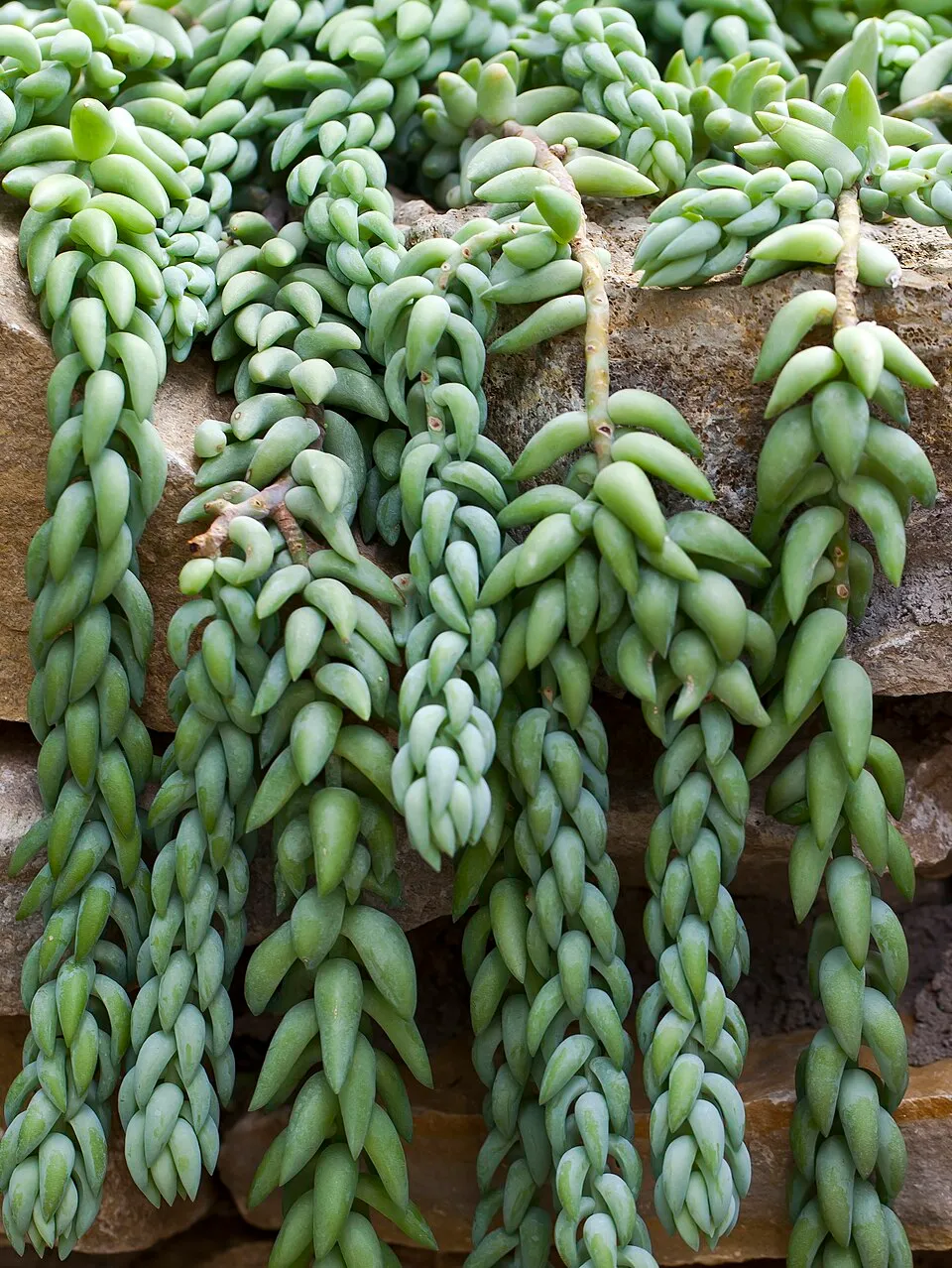
Sedum Burrito, scientifically known as Sedum morganianum burrito, is a distinctive and highly cherished succulent cultivar renowned for its unique morphology and graceful trailing habit. This charming plant develops long, pendulous stems that can extend up to 4 feet in length, densely adorned with plump, tear-drop shaped leaves. These characteristic leaves, measuring approximately 1 to 2 inches, exhibit a captivating bluish-green hue, often enhanced by a delicate waxy, glaucous coating that serves as a natural adaptation to minimize water loss in arid conditions.
While primarily cultivated for its striking foliage, Sedum Burrito can produce small, star-shaped flowers in shades of yellow, pink, or red during late spring or early summer, though indoor blooming is a less common occurrence. Native to the semi-arid regions of Mexico, this succulent thrives in environments mimicking its natural habitat, preferring well-draining soil and ample sunlight. It is a proud member of the Crassulaceae family, a diverse group known for its succulent adaptations, including the Crassulacean Acid Metabolism (CAM) pathway, which allows the plant to efficiently conserve water by opening its stomata at night.
Frequently utilized in hanging baskets and elevated planters, Sedum Burrito cascades beautifully, creating a visually stunning display that enhances any indoor or outdoor space within its suitable hardiness zones. Its combination of aesthetic appeal, drought tolerance, and relatively low maintenance makes it a favored choice among both novice and experienced plant enthusiasts.
Trusted Scientific References
1. Authoritative external sources for Sedum morganianum burrito
1.1 Wikipedia — Sedum morganianum burrito
1.2 Kew POWO (Plants of the World Online)
1.3 PubMed — peer-reviewed research
1.4 NCBI Taxonomy Browser
1.5 GBIF — Global Biodiversity
1.6Sedum Burrito should be interpreted through verified botanical identity, practical care, and responsible safety language. This recovery note adds the missing context needed for a complete profile: match light to the plant's habit, use well-drained soil, water according to season, and avoid unsupported medicinal or edible claims. For publishing, the plant can be presented as a source-backed indoor plant with clear care guidance, common problem diagnosis, and conservative safety wording.
1.1.Sedum Burrito — Highlights
- ✓Trailing Growth Habit — Cascading stems reaching lengths of up to 4 feet, ideal for hanging displays.
- ✓Unique Foliage — Densely packed, plump, tear-drop shaped, bluish-green leaves with a protective waxy coating.
- ✓Drought Tolerant — Excellent water storage capabilities in its fleshy leaves, requiring infrequent watering.
- ✓Low Maintenance — Forgiving and easy to care for, making it suitable for beginner plant enthusiasts.
- ✓Non — Toxic — Safe for households with children and pets, posing no significant health risk upon accidental ingestion.
- ✓Ornamental Value — Highly prized for its distinctive appearance and ability to enhance indoor and outdoor aesthetics.
- ✓Crassulacean Acid Metabolism (CAM) — Employs an efficient water-saving photosynthetic pathway.
- ✓Moderate Light Requirements — Thrives in bright, indirect sunlight for optimal growth and color.
- ✓Slow Growth Rate — Develops gradually, maintaining its compact beauty over time.
- ✓Distinct Cultivar — A unique variety of Sedum morganianum, often distinguished from 'Donkey's Tail'.
1.2.Sedum Burrito — At-a-Glance Summary
- ✓Charming ornamental succulent native to Mexico, known for trailing stems.
- ✓Features plump, bluish-green leaves with a waxy coating for drought tolerance.
- ✓Non-toxic for humans and pets, making it a safe indoor plant choice.
- ✓Contains probable flavonoids and organic acids, typical of the Crassulaceae family.
- ✓Primarily valued for its aesthetic appeal, ease of care, and contribution to indoor ambiance.
- ✓Requires bright indirect light and minimal watering, highly susceptible to overwatering.
2.Sedum Burrito — Botanical Identity
3.Sedum Burrito — Key Data
4.Sedum Burrito — Botanical Features
5.Sedum Burrito — Origin & Spread
6.Sedum Burrito — Folk Medicine Applications
7.Sedum Burrito — Chemical Profile
- ✓Organic Acids — Malic acid, citric acid, and isocitric acid are prominent, accumulating during the night via Crassulacean Acid Metabolism (CAM) to facilitate CO2 fixation and water conservation.
- ✓Flavonoids — Quercetin, kaempferol, and their various glycosides are consistently reported across the Sedum genus, acting as potent antioxidants and contributing to anti-inflammatory effects.
- ✓Phenolic Acids — Compounds such as caffeic acid and ferulic acid are likely present, offering additional antioxidant capacity and potential antimicrobial activities.
- ✓Polysaccharides — Mucilaginous compounds are characteristic of succulents, contributing to water retention and potentially offering emollient or soothing properties if applied topically.
- ✓Terpenoids — Various terpenoid compounds, though less studied in this specific cultivar, are common in the Crassulaceae family and can contribute to plant defense and aroma profiles.
- ✓Plant Sterols — Phytosterols like beta-sitosterol are structural components of plant cell membranes and may possess mild anti-inflammatory or cholesterol-lowering properties in other plant contexts.
- ✓Vitamins and Minerals — Like most living plants, it contains essential vitamins and minerals crucial for basic physiological functions, though not typically consumed for nutritional benefit.
- ✓Waxes and Cuticular Lipids — The epicuticular wax coating on leaves consists of various lipids, providing a protective barrier against water loss and harsh sunlight.
8.Sedum Burrito — Pharmacological Findings
- ✓Aesthetic Well-being — The presence of Sedum Burrito as an ornamental plant has been shown to reduce stress, improve mood, and enhance overall psychological well-being through biophilic design principles.
- ✓Indoor Air Quality Enhancement — Like many houseplants, Sedum Burrito contributes to a healthier indoor environment by performing photosynthesis and releasing oxygen, as well as potentially filtering some airborne toxins.
- ✓Antioxidant Support (Genus-based) — Based on the common phytochemical profile of the Sedum genus, it is probable to contain flavonoids and phenolic acids, which are known for their cellular protective and antioxidant activities.
- ✓Anti-inflammatory Potential (Genus-based) — Extrapolating from other species within the Sedum genus, compounds such as quercetin and kaempferol may confer mild anti-inflammatory properties, though direct research on Sedum Burrito is limited.
- ✓Skin Soothing (Traditional, Genus-based) — Traditionally, some Sedum species have been used topically as poultices for minor skin irritations and burns, suggesting potential emollient and soothing effects from plant mucilage.
- ✓Hydration Properties (Topical, Genus-based) — The water-storing nature of succulent leaves suggests potential for topical hydration, if applied, though this is an extrapolated benefit not specifically tested for Sedum Burrito.
- ✓General Cellular Health (Phytochemicals) — The presence of various secondary metabolites, common to the Crassulaceae family, supports general cellular health and defense mechanisms against environmental stressors.
- ✓Non-toxic Environment — As a non-toxic plant, it provides the benefit of being safe for households with children and pets, reducing concerns about accidental ingestion.
8.1.Sedum Burrito — Health Applications
9.Sedum Burrito — Safety Considerations
9.1.Sedum Burrito — Caution Notes
- ✓Skin Irritation — Though rare, direct contact with plant sap may cause mild skin irritation or allergic reactions in very sensitive individuals.
- ✓Mild Digestive Upset — Accidental ingestion of plant material by humans or pets, while non-toxic, might lead to temporary stomach upset, nausea, or vomiting.
- ✓Allergic Reactions — As with any plant, hypersensitivity reactions such as localized itching or rash are possible in predisposed individuals after contact.
- ✓Choking Hazard — Detached leaves, particularly if consumed by very young children or small pets, could pose a minor choking risk.
- ✓Handling Discomfort — The fragile nature of the leaves means they can easily break off during handling, which can be a minor inconvenience and create plant debris.
9.2.Sedum Burrito — Clinical Safety Notes
- ✓Non-Toxic Classification — Sedum Burrito is officially recognized as non-toxic for both humans and pets, making it a safe choice for household environments.
- ✓External Contact Caution — While generally safe, individuals with sensitive skin should exercise caution to avoid prolonged direct contact with plant sap.
- ✓Accidental Ingestion — Although non-toxic, ingestion is not recommended and should be avoided, especially by children and pets, to prevent mild digestive discomfort.
- ✓Pregnant/Nursing Individuals — Due to limited specific research on this cultivar, pregnant or nursing individuals should avoid any direct medicinal or topical application.
- ✓Consult Professional — Always consult a healthcare professional before considering any plant-based remedy, particularly if pregnant, nursing, or managing existing health conditions.
- ✓Avoid Eye Contact — Direct contact of plant sap with eyes should be avoided, as it may cause temporary irritation.
10.Sedum Burrito — Usage Guide
- ✓Ornamental Display — Primarily cultivated for its exceptional aesthetic appeal, ideal for hanging baskets, elevated planters, or as a trailing accent in succulent arrangements.
- ✓Indoor Air Enhancement — Placed indoors, it contributes to a more pleasant living environment through oxygen production and the aesthetic benefits of living greenery.
- ✓Stress Reduction Decor — Its presence as a low-maintenance, visually appealing plant is utilized in interior design to foster a calming atmosphere and promote mental well-being.
- ✓Xeriscaping Element — In appropriate hardiness zones (USDA 10-11), it can be incorporated into drought-tolerant garden designs and rock gardens for its unique texture and form.
- ✓Educational Specimen — Used in botanical collections and educational settings to demonstrate succulent adaptations, CAM photosynthesis, and Crassulaceae family characteristics.
- ✓Propagation Material — Leaves or stem sections can be harvested for propagation, allowing for easy expansion of collections or sharing with other plant enthusiasts.
- ✓Traditional Topical (Genus-Based) — While not specific to 'Burrito', some Sedum species have traditional external applications, such as crushed poultices for minor skin irritations, due to potential soothing compounds.
11.Sedum Burrito — Garden Cultivation
- ✓Optimal Lighting — Provide at least 5-6 hours of bright, indirect sunlight daily; outdoor plants can tolerate full sun but protect from harsh, direct afternoon rays to prevent scorching.
- ✓Prudent Watering — Water only when the soil is completely dry to the touch, typically every 2-3 weeks in summer and monthly in winter; avoid overwatering to prevent root rot.
- ✓Well-Draining Soil — Use a specialized succulent or cactus potting mix that ensures excellent drainage, preventing waterlogging around the roots.
- ✓Ideal Temperature Range — Maintain indoor temperatures between 60-75°F (15-24°C); protect outdoor plants from frost, moving them indoors if temperatures drop below 40°F (4°C).
- ✓Low Humidity Preference — Sedum Burrito thrives in low to moderate humidity environments, making it well-suited for typical indoor household conditions.
- ✓Gentle Handling — Its plump leaves are delicate and can easily detach; handle the plant with care during repotting or relocation to preserve its aesthetic.
- ✓Fertilization — Fertilize sparingly during the growing season (spring/summer) with a diluted succulent-specific fertilizer, usually once or twice a year.
- ✓Propagation — Easily propagated from stem or leaf cuttings; allow cuttings to callus for a few days before planting in well-draining soil.
Reviewed by the Flora Medical Global Botanical Review Panel
Multi-disciplinary editorial group · Botany · Ethnobotany · Herbal-medicine literature
Who reviewed this: This page was checked by the Flora Medical Global Botanical Review Panel — an in-house editorial group of botany graduates, ethnobotany researchers, and horticulture practitioners who collectively maintain our 7,000+ plant encyclopedia. Meet the team.
Our 4-step verification process
1. Taxonomic verification
Scientific names and synonyms cross-checked against Kew POWO, World Flora Online, and The Plant List.
2. Phytochemical & medicinal cross-reference
Active compounds, traditional uses, and reported activities are cross-referenced with PubMed, USDA Dr. Duke's database, and peer-reviewed ethnobotanical literature.
3. Conservation & distribution check
Distribution, ecology, and conservation status confirmed against GBIF occurrence records and the IUCN Red List.
4. Editorial & safety review
Every entry passes an editorial pass for clarity, originality, and safety notices (toxicity, contraindications, dosage caveats) before publication.
Last reviewed:
Important medical disclaimer: This content is for educational and research purposes only. It is not medical advice and is not a substitute for consultation with a licensed healthcare provider. Do not use any herb to self-treat a medical condition without professional guidance.
Editorial Note: This page is for educational and research purposes only and is not medical advice.
Written by: Flora Medical Global Editorial Team
Reviewed by: Flora Medical Global Botanical Review Panel
Last Updated: June 15, 2026





Sedum Burrito — Comments & Community Reviews
Rate this plant