
Medical Disclaimer: This content is for educational purposes only. It is not medical advice. Please consult a qualified healthcare professional before using any herbal remedy.
Safety Overview
1.Sedum Rubrotinctum — Botanical Snapshot
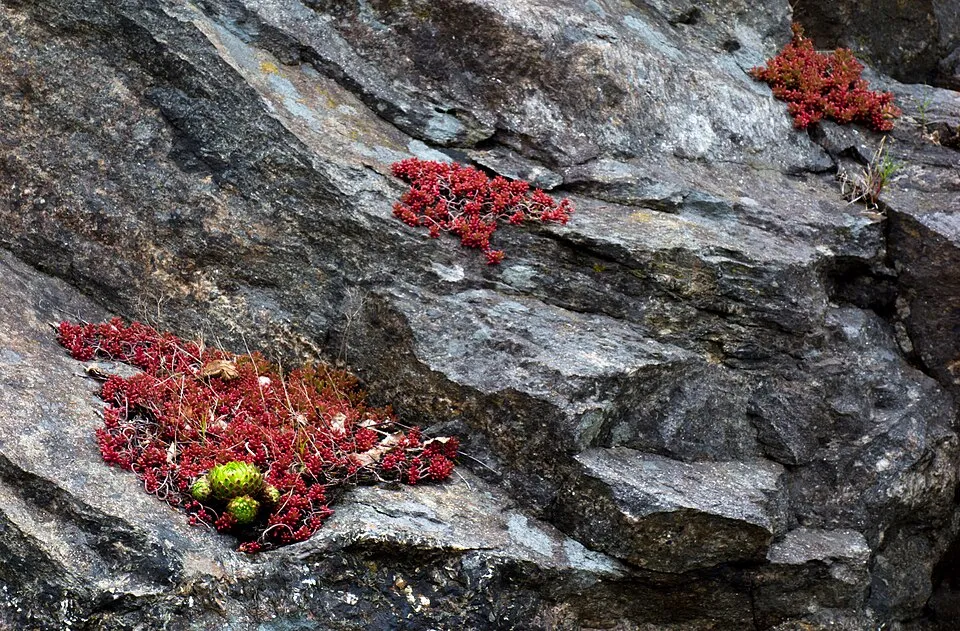
Sedum rubrotinctum, widely recognized as the jelly bean plant or pork and beans, is an herbaceous perennial succulent thriving within the diverse Crassulaceae family, a group well-known for its remarkable drought-resistant species. This visually striking plant is native to Mexico, where it naturally flourishes in arid to semi-arid landscapes, typically anchoring itself to rocky outcrops, steep slopes, and well-draining, often nutrient-poor soils. Its inherent ability to adapt to harsh environmental conditions is a testament to its specialized succulent morphology and efficient water storage mechanisms. The plant typically forms low-growing, dense mats or clumps, featuring numerous slender, brittle stems that can gracefully cascade up to 20-30 cm in length, making it an excellent choice for hanging baskets and as an attractive groundcover. The most distinguishing characteristic of Sedum rubrotinctum lies in its turgid, fleshy leaves, which indeed bear a striking resemblance to miniature jelly beans or rounded sausages.
These leaves are arranged spirally along the stems and undergo a captivating color transformation. While maintaining a vibrant green hue in shaded areas or under less intense light, exposure to bright, direct sunlight or cooler temperatures triggers a dramatic blush, causing the leaves, particularly their tips, to develop rich shades of red, bronze, or copper. This chromatic shift is a vital protective adaptation, involving the biosynthesis of anthocyanins and carotenoids, which effectively shield the plant from excessive ultraviolet radiation. The root system of Sedum rubrotinctum is fibrous and shallow, optimally designed to rapidly absorb intermittent rainfall from the upper soil layers, a common adaptation among many succulent species. During the late spring to early summer months, the plant produces delicate, star-shaped flowers, typically a cheerful bright yellow, arranged in terminal cymes.
These small, aesthetically pleasing blossoms, though less prominent than the leaves, significantly contribute to the plant’s overall ornamental appeal and are often pollinated by various small insects. Taxonomically, Sedum rubrotinctum is sometimes considered a natural hybrid, possibly resulting from a cross between Sedum pachyphyllum and Sedum stahlii, which explains some of its unique characteristics. Trusted Scientific References Authoritative external sources for Sedum rubrotinctum : Wikipedia — Sedum rubrotinctum Kew POWO (Plants of the World O ...[CURRENT TEXT EXISTS: 2587 chars]
1.1.Sedum Rubrotinctum — Notable Characteristics
- ✓Unique Succulent Leaves — Characterized by its fleshy, turgid leaves that uniquely resemble miniature jelly beans or rounded sausages.
- ✓Dynamic Color Transformation — Leaves transition from vibrant green to striking red, bronze, or copper under strong sunlight or cool temperatures.
- ✓Exceptional Drought Tolerance — Highly adapted to arid conditions, efficiently storing water within its specialized succulent leaves and stems.
- ✓Crassulacean Acid Metabolism (CAM) — Employs a unique photosynthetic pathway to conserve water, especially beneficial in hot, dry climates.
- ✓Low Maintenance Requirements — An ideal plant for beginners, demanding minimal watering and generally easy to care for.
- ✓High Ornamental Value — Widely cultivated for its distinctive and attractive appearance in containers, rock gardens, and as groundcover.
- ✓Native Mexican Origin — Naturally found thriving in the rocky, dry regions of its native habitat in Mexico.
- ✓Delicate Yellow Flowers — Produces small, star-shaped yellow blossoms in terminal cymes during the late spring to early summer months.
- ✓Graceful Cascading Habit — Its stems can grow up to 30 cm, creating an elegant, trailing effect suitable for hanging displays.
- ✓Air Quality Contributor — As an indoor plant, it helps purify indoor air by absorbing certain toxins and releasing oxygen, contributing to a healthier environment.
1.2.Sedum Rubrotinctum — Concise Overview
- ✓Ornamental & Topical Use — Primarily valued for its aesthetic appeal and potential soothing topical applications for minor skin irritations.
- ✓Phytochemical Rich — Contains flavonoids, terpenoids, phenolic acids, and mucilaginous polysaccharides, contributing to its antioxidant and anti-inflammatory properties.
- ✓No Widespread Traditional Internal Use — Lacks documented extensive traditional internal medicinal applications; benefits are largely extrapolated from general succulent properties.
- ✓Distinctive 'Jelly Bean' Leaves — Recognized by its fleshy, cylindrical leaves that display a vibrant red hue under bright sunlight.
- ✓Easy-Care Succulent — A highly drought-tolerant plant requiring minimal watering and bright light, making it ideal for novice plant enthusiasts.
- ✓External Application Only — Internal consumption is not advised due to limited safety data; always perform patch tests for topical use.
2.Sedum Rubrotinctum — Botanical Identity
3.Sedum Rubrotinctum — Vital Statistics
4.Sedum Rubrotinctum — Botanical Description
5.Sedum Rubrotinctum — Native Range & Habitat
6.Sedum Rubrotinctum — Folk Medicine Applications
7.Sedum Rubrotinctum — Chemical Profile
- ✓Flavonoids — Including compounds like quercetin, kaempferol, apigenin, and luteolin; these are potent antioxidants with anti-inflammatory, and potentially anticarcinogenic activities, crucial for cellular protection.
- ✓Terpenoids — A diverse class encompassing monoterpenes, diterpenes, and triterpenes (e.g., ursolic acid, oleanolic acid derivatives); known for their anti-inflammatory, antimicrobial, and cytoprotective effects, often contributing to the plant's defense mechanisms.
- ✓Phenolic Acids — Such as caffeic acid, ferulic acid, and gallic acid; these are powerful antioxidants that protect against oxidative damage, possess antimutagenic properties, and contribute to anti-inflammatory responses.
- ✓Mucilaginous Polysaccharides — Gummy, gel-like complex carbohydrates stored within the leaves; primarily responsible for the plant's exceptional water retention and providing soothing, emollient, and hydrating benefits for skin.
- ✓Anthocyanins — Water-soluble pigments that impart the red and bronze hues to the leaves under specific environmental conditions; these are strong antioxidants and act as natural photoprotectants for the plant.
- ✓Carotenoids — Yellow and orange pigments (e.g., beta-carotene); powerful antioxidants that play a role in photosynthesis and protect plant cells from light-induced damage, also contributing to the plant's vibrant coloration.
- ✓Organic Acids — Including malic acid and citric acid; these are integral to the plant's Crassulacean Acid Metabolism (CAM) pathway, facilitating efficient water use and influencing the plant's overall biochemical profile.
- ✓Phytosterols — Plant sterols structurally similar to cholesterol; while their primary benefits are for internal consumption, they can contribute to the plant's overall bioactive profile and may offer topical anti-inflammatory effects.
- ✓Saponins — Glycosides that produce a frothing effect; some saponins are known for their anti-inflammatory, antimicrobial, and adaptogenic properties, though their specific role in Sedum rubrotinctum's medicinal actions is less defined.
- ✓Vitamins and Minerals — The plant likely contains trace amounts of essential vitamins (e.g., Vitamin C, Vitamin E) and minerals (e.g., calcium, magnesium) vital for its growth and contributing to its overall nutritional profile.
8.Sedum Rubrotinctum — Scientific Evidence
- ✓Skin Soothing — The mucilaginous sap from Sedum rubrotinctum leaves provides a cooling and hydrating effect, beneficial for alleviating minor skin irritations, dryness, and chapped skin.
- ✓Antioxidant Support — Rich in various flavonoids and phenolic acids, the plant helps combat oxidative stress by neutralizing free radicals, thereby protecting cellular integrity.
- ✓Anti-inflammatory (Topical) — Certain terpenoids and flavonoids present may help reduce localized inflammation when applied externally, offering relief from mild burns, insect bites, or minor abrasions.
- ✓Minor Wound Care — The plant's fresh sap can form a protective, hydrating layer over small cuts and superficial abrasions, supporting the skin's natural healing processes and preventing dryness.
- ✓Hydrating Emollient — Its succulent leaves are excellent reservoirs of water and humectants, making extracts potentially useful as a natural moisturizer for dry or flaky skin conditions.
- ✓UV Photoprotection (Topical) — The anthocyanins responsible for the plant's red coloration may offer mild photoprotective qualities when applied topically, similar to other plant-derived sun protectants.
- ✓Air Purification — As an indoor plant, Sedum rubrotinctum contributes to improved indoor air quality by absorbing common volatile organic compounds (VOCs) and actively releasing oxygen.
- ✓Mood Enhancement — Its aesthetic appeal, vibrant colors, and low-maintenance nature contribute to a sense of well-being and stress reduction, often associated with nurturing indoor greenery.
- ✓Mild Antimicrobial Action — Some phytochemicals, including terpenoids and phenolics, may exhibit mild antimicrobial properties, potentially useful for minor skin infections or fungal conditions.
- ✓Scalp and Hair Health — Topical application of a diluted leaf extract could help soothe an irritated scalp, reduce dryness, and contribute to overall hair vitality due to its hydrating properties.
8.1.Sedum Rubrotinctum — Indications & Uses
9.Sedum Rubrotinctum — Cautions & Contraindications
9.1.Sedum Rubrotinctum — Possible Adverse Reactions
- ✓Skin Irritation — Direct contact with the plant sap may cause mild dermatitis, redness, or irritation in individuals with sensitive skin, especially with prolonged exposure.
- ✓Allergic Reactions — Although uncommon, susceptible individuals may experience allergic responses, such as itching, rash, or swelling, following topical application.
- ✓Photosensitivity — While not widely documented for Sedum rubrotinctum, some plants in the Crassulaceae family can induce photosensitivity in susceptible individuals under strong sunlight.
- ✓Ingestion Risk — Internal consumption is strongly discouraged due to insufficient research on human toxicity and the potential for gastrointestinal upset, nausea, or vomiting.
- ✓Eye Irritation — Avoid direct contact of the plant sap with the eyes, as it may cause temporary stinging, redness, or irritation.
- ✓Cross-Contamination — Improper hygiene during preparation of topical applications can lead to bacterial or fungal contamination, especially if applied to open skin.
- ✓Dermatological Discoloration — Prolonged application of highly colored leaf extracts might temporarily tint the skin, though this effect is generally benign and transient.
9.2.Sedum Rubrotinctum — Risk Assessment
- ✓External Use Only — Sedum rubrotinctum is primarily recommended for ornamental purposes and external topical applications; internal consumption is not advised due to limited safety data.
- ✓Patch Test Recommended — Always perform a small patch test on an inconspicuous area of skin before widespread topical application to check for any adverse reactions or sensitivities.
- ✓Keep Out of Reach of Children and Pets — While generally considered mildly toxic, it is prudent to keep the plant away from young children and pets to prevent accidental ingestion.
- ✓Avoid During Pregnancy/Lactation — Due to a lack of comprehensive research, pregnant or breastfeeding individuals should avoid medicinal use of Sedum rubrotinctum.
- ✓Consult Healthcare Provider — Individuals with pre-existing skin conditions, known allergies, or those on medication should consult a qualified healthcare professional before using the plant topically.
- ✓Not for Open Wounds — Avoid applying raw plant material or undiluted sap directly to deep, open wounds, severe burns, or broken skin without professional medical guidance.
- ✓Proper Identification — Ensure correct plant identification; avoid confusing Sedum rubrotinctum with other potentially toxic or non-medicinal succulent species.
10.Sedum Rubrotinctum — Preparation Methods
- ✓Topical Compress — Gently crush a fresh Sedum rubrotinctum leaf to extract its mucilaginous sap, then apply directly to minor skin irritations, small cuts, or insect bites as a soothing compress.
- ✓Skin Hydrating Gel — Blend several fresh leaves with a minimal amount of distilled water to create a crude hydrating gel, which can be strained and applied to dry patches or mild sunburns for relief.
- ✓Minor Burn Relief — Apply the fresh, cooled sap from a broken leaf directly onto superficial burns for immediate cooling, pain relief, and anti-inflammatory effects.
- ✓Abrasions & Scrapes — After cleansing the affected area, apply a thin layer of the leaf sap to minor abrasions and scrapes to help protect the skin and promote soothing.
- ✓Ornamental Display — Cultivate Sedum rubrotinctum as an attractive indoor houseplant, in rock gardens, or hanging baskets to enhance aesthetic appeal and contribute to a calming indoor environment.
- ✓Air Purifying Placement — Strategically position plants in living spaces or offices to leverage their natural ability to filter airborne toxins and improve ambient air quality.
- ✓Hair & Scalp Rinse (External) — Infuse chopped leaves in warm water, allow it to cool, and use as a final rinse for the scalp to alleviate irritation or add natural shine to hair.
- ✓Decorative Groundcover — Plant outdoors in xeriscapes or dry garden beds where its drought tolerance, spreading habit, and striking colors can be fully utilized.
11.Sedum Rubrotinctum — How to Grow
- ✓Light — Requires bright, direct sunlight for at least 6 hours daily to maintain its vibrant red and bronze coloration; tolerates partial shade but may revert to green.
- ✓Soil — Thrives in extremely well-draining succulent or cactus potting mix; a blend of coarse sand, perlite, pumice, and minimal organic matter is ideal to prevent root rot.
- ✓Watering — Water thoroughly only when the soil is completely dry to the touch; highly drought-tolerant, overwatering is the most common cause of plant demise.
- ✓Temperature & Humidity — Prefers average room temperatures (18-24°C / 65-75°F) and low to moderate humidity; protect from frost as it is not cold hardy.
- ✓Fertilization — Feed sparingly during the active growing season (spring and summer) with a diluted, balanced liquid fertilizer; avoid fertilizing during dormant winter months.
- ✓Propagation — Easily propagated from stem or individual leaf cuttings; allow cuttings to callus for several days before planting in dry, well-draining soil to encourage rooting.
- ✓Pests & Diseases — Generally quite pest-resistant, but occasionally susceptible to mealybugs or aphids; root rot is the primary disease concern, exclusively caused by excessive moisture.
- ✓Potting — Always use pots with adequate drainage holes to facilitate water escape; unglazed terracotta pots are often preferred as they promote evaporation and airflow.
Reviewed by the Flora Medical Global Botanical Review Panel
Multi-disciplinary editorial group · Botany · Ethnobotany · Herbal-medicine literature
Who reviewed this: This page was checked by the Flora Medical Global Botanical Review Panel — an in-house editorial group of botany graduates, ethnobotany researchers, and horticulture practitioners who collectively maintain our 7,000+ plant encyclopedia. Meet the team.
Our 4-step verification process
1. Taxonomic verification
Scientific names and synonyms cross-checked against Kew POWO, World Flora Online, and The Plant List.
2. Phytochemical & medicinal cross-reference
Active compounds, traditional uses, and reported activities are cross-referenced with PubMed, USDA Dr. Duke's database, and peer-reviewed ethnobotanical literature.
3. Conservation & distribution check
Distribution, ecology, and conservation status confirmed against GBIF occurrence records and the IUCN Red List.
4. Editorial & safety review
Every entry passes an editorial pass for clarity, originality, and safety notices (toxicity, contraindications, dosage caveats) before publication.
Last reviewed:
Important medical disclaimer: This content is for educational and research purposes only. It is not medical advice and is not a substitute for consultation with a licensed healthcare provider. Do not use any herb to self-treat a medical condition without professional guidance.
Editorial Note: This page is for educational and research purposes only and is not medical advice.
Written by: Flora Medical Global Editorial Team
Reviewed by: Flora Medical Global Botanical Review Panel
Last Updated: June 15, 2026





Sedum Rubrotinctum — Comments & Community Reviews
Rate this plant