
Medical Disclaimer: This content is for educational purposes only. It is not medical advice. Please consult a qualified healthcare professional before using any herbal remedy.
Safety Overview
1.Selaginella Kraussiana — Essential Profile
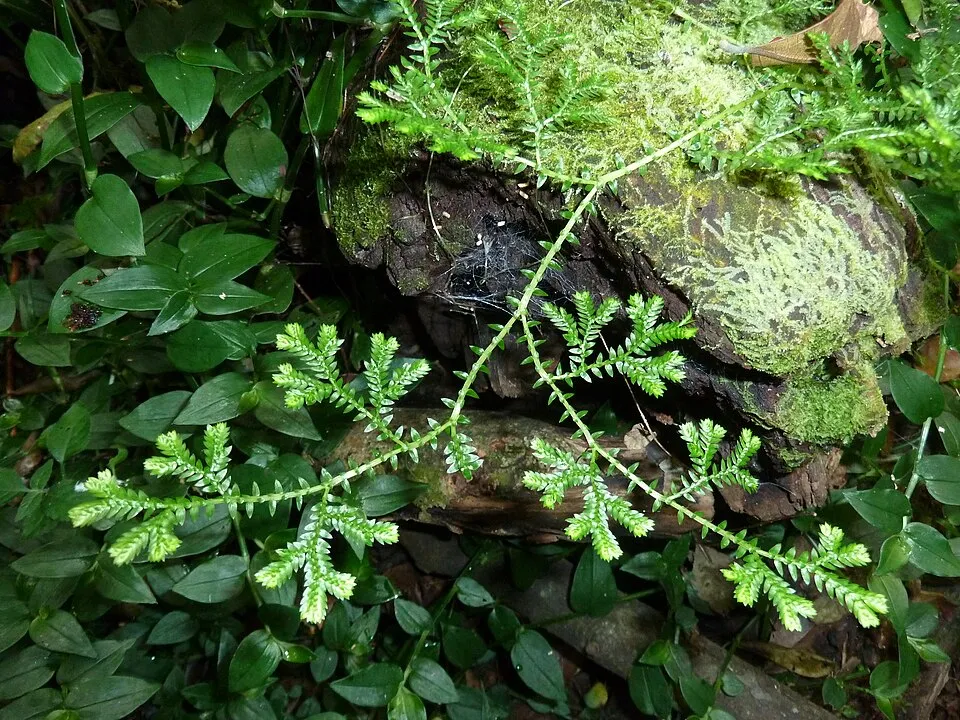
Selaginella kraussiana, commonly known as African clubmoss, Krauss' spikemoss, or trailing spikemoss, is a captivating perennial herbaceous plant belonging to the ancient family Selaginellaceae, representing one of the oldest extant lineages of vascular plants, the lycophytes. This species is admired for its delicate, fern-like appearance and its remarkable ability to form dense, vibrant green mats or cushions, making it a highly valued ground cover in horticulture and a popular choice for terrariums and indoor plant collections. Morphologically, it is characterized by small, scale-like leaves, known as microphylls, which are typically lanceolate to ovate and arranged spirally along slender, creeping stems.
These stems branch profusely, creating a lush, layered texture that can spread horizontally, covering significant areas. While its mature height usually ranges from a modest 10 to 30 centimeters, its lateral spread can be much wider, forming an expansive carpet of foliage. Unlike true mosses, Selaginella possesses true vascular tissue, distinguishing it as a more evolutionarily advanced plant.
The root system is shallow and fibrous, efficiently anchoring the plant and absorbing moisture from the upper soil layers.
Geographically, Selaginella kraussiana is indigenous to tropical and subtropical regions of Southern Africa, particularly thriving in parts of South Africa, Zimbabwe, and Mozambique. Its natural habitat is typically found in shaded, moist, and often humid environments, such as forest floors, stream banks, and rocky crevices, where it flourishes under the protective canopy of larger vegetation. This preference for high humidity and consistent moisture levels is crucial to its survival and explains its adaptability to indoor cultivation in humid household environments like bathrooms.
Taxonomically, it is classified within the genus Selaginella, which is the sole surviving member and the largest genus of heterosporous lycophytes, encompassing approximately 700 to 750 species globally. Its unique morphology includes the presence of ligules at the base of its microphylls, a distinctive feature within the genus.
Trusted Scientific References
1. Authoritative external sources for Selaginella kraussiana
1.1 Wikipedia — Selaginella kraussiana
1.2 Kew POWO (Plants of the World Online)
1.3 PubMed — peer-reviewed research
1.4 NCBI Taxonomy Browser
1.5 GBIF — Global Biodiversity
1.1.Selaginella Kraussiana — Distinguishing Points
- ✓Ancient Lycophyte — Belongs to the Selaginellaceae family, an ancient lineage of vascular plants.
- ✓Delicate Fern — like Appearance — Features small, scale-like microphylls and creeping stems.
- ✓Horticultural Value — Highly prized as a ground cover, terrarium plant, and ornamental specimen.
- ✓Rich in Flavonoids — Contains a high concentration of biflavonoids, such as amentoflavone and robustaflavone.
- ✓Anti — inflammatory & Antioxidant — Key medicinal properties attributed to its phytochemical profile.
- ✓Traditional African Medicine — Utilized ethnobotanically for a range of ailments in its native regions.
- ✓Moisture & Shade Loving — Thrives in humid, shaded environments, mimicking its natural forest habitat.
- ✓Vascular Plant — Possesses true vascular tissue, distinguishing it from true mosses.
- ✓Heterosporous — Produces two different types of spores, a characteristic of the genus Selaginella.
- ✓Potential for Modern Medicine — Under investigation for anti-diabetic, anticancer, and neuroprotective activities.
1.2.Selaginella Kraussiana — Snapshot Summary
- ✓Ancient lycophyte with delicate, fern-like foliage, popular as ground cover and terrarium plant.
- ✓Rich in bioactive compounds, especially biflavonoids, contributing to its medicinal value.
- ✓Ethnomedicinally used for anti-inflammatory, antioxidant, anti-diabetic, and wound healing properties.
- ✓Thrives in shaded, moist, humid environments, native to Southern Africa.
- ✓Requires careful consideration of dosage and potential interactions due to limited human safety data.
- ✓A promising subject for further pharmacological research into its therapeutic potential.
2.Selaginella Kraussiana — Scientific Identity
3.Selaginella Kraussiana — Key Data
4.Selaginella Kraussiana — Physical Description
5.Selaginella Kraussiana — Ecological Habitat
6.Selaginella Kraussiana — Heritage Uses
7.Selaginella Kraussiana — Phytochemistry
- ✓Flavonoids — This prominent class of phenolic compounds includes flavones, flavonols, and anthocyanins, with biflavonoids like amentoflavone and robustaflavone being particularly abundant, responsible for significant antioxidant, anti-inflammatory, and anticancer activities.
- ✓Alkaloids — Nitrogen-containing organic compounds found in Selaginella species, which can exhibit diverse pharmacological activities including antimicrobial, anti-spasmodic, and anti-nociceptive effects.
- ✓Terpenoids — Encompassing triterpenes and steroids, these compounds contribute to the plant's medicinal properties, often possessing anti-inflammatory and adaptogenic characteristics.
- ✓Lignans and Neolignans — These are phenolic compounds formed from phenylpropanoid precursors, known for their antioxidant, anti-inflammatory, and potential anticancer activities through various cellular mechanisms.
- ✓Phenylpropanones and Caffeoyl Derivatives — A group of aromatic compounds derived from phenylpropanoids, contributing to the plant's antioxidant capacity and potentially playing roles in modulating immune responses.
- ✓Carbohydrates — Essential structural and energy compounds, which can also include polysaccharides with immunomodulatory properties, though specific medicinal polysaccharides are less emphasized in Selaginella.
- ✓Quinoids — These cyclic diketones can exhibit diverse bioactivities, including antimicrobial and cytotoxic effects, depending on their specific structure and concentration within the plant.
- ✓Steroids — A class of organic compounds, including phytosteroids, that can influence various physiological processes and may contribute to the plant's anti-inflammatory or hormonal modulating effects.
- ✓Chromones and Oxygen Heterocycles — A diverse group of compounds with various biological activities, potentially including antioxidant and anti-allergic properties, adding to the plant's therapeutic profile.
- ✓Saponins — Glycosides that form a soapy foam in water, often associated with anti-inflammatory, cholesterol-lowering, and immune-stimulant properties.
8.Selaginella Kraussiana — Scientific Evidence
- ✓Anti-inflammatory Properties — Selaginella kraussiana exhibits significant anti-inflammatory effects, attributed to its rich flavonoid content, which can modulate inflammatory pathways and reduce the production of pro-inflammatory cytokines, offering relief in various inflammatory conditions.
- ✓Antioxidant Activity — The plant is a potent source of natural antioxidants, primarily flavonoids, which scavenge free radicals and protect cells from oxidative stress, contributing to overall cellular health and potentially preventing chronic diseases.
- ✓Antimicrobial Action — Extracts from Selaginella species have demonstrated activity against various microorganisms, suggesting potential as a natural antimicrobial agent for combating bacterial and viral infections.
- ✓Anti-diabetic Potential — Preliminary studies indicate that compounds in Selaginella kraussiana may help regulate blood glucose levels, offering a potential adjunct in managing diabetes by improving insulin sensitivity or inhibiting glucose absorption.
- ✓Anticancer Effects — Certain phytochemicals, especially biflavonoids, isolated from Selaginella species have shown cytotoxic activity against various cancer cell lines in vitro, suggesting a role in cancer chemoprevention or therapy.
- ✓Neuroprotective Benefits — Research points to potential anti-Alzheimer's activity and general neuroprotective effects, possibly by reducing oxidative stress and inflammation in neural tissues, supporting cognitive function.
- ✓Supports Cardiovascular Health — Traditionally, Selaginella species are used to promote blood circulation and remove blood stasis, which aligns with modern interest in its potential to improve vascular health and prevent cardiac diseases.
- ✓Wound Healing and Hemostatic Properties — The plant has been traditionally applied to stop external bleeding and accelerate wound healing, likely due to its astringent and antimicrobial compounds that aid in tissue repair and coagulation.
- ✓Hepatic Support — Ethnomedicinal uses include treating jaundice and hepatic disorders, suggesting a protective or restorative effect on liver function, possibly through its antioxidant and anti-inflammatory mechanisms.
- ✓Respiratory Relief — In traditional systems, it is used for ailments like sore throat and cough of the lungs, indicating soothing and expectorant properties that can alleviate respiratory discomfort.
- ✓Digestive Aid — Historically, Selaginella kraussiana has been utilized to manage conditions such as diarrhea, dysentery, and cholecystitis, suggesting beneficial effects on gastrointestinal health and bile regulation.
- ✓Reproductive Health Support — Traditional practices in some regions include its use for menstrual irregularities, leucorrhoea, and to lessen labor pain, highlighting its historical role in women's health.
8.1.Selaginella Kraussiana — Indications & Uses
9.Selaginella Kraussiana — Safety Considerations
9.1.Selaginella Kraussiana — Reported Side Effects
- ✓Allergic Reactions — Individuals sensitive to ferns or lycophytes may experience skin irritation, rash, or respiratory symptoms upon contact or ingestion.
- ✓Gastrointestinal Upset — High doses or prolonged use might lead to mild digestive issues such as nausea, stomach discomfort, or diarrhea.
- ✓Medication Interactions — Due to its reported effects on blood circulation and blood stasis, Selaginella kraussiana could potentially interact with anticoagulant or antiplatelet medications, increasing bleeding risk.
- ✓Hypotension — Compounds that affect blood circulation might lead to a drop in blood pressure, especially in individuals already on antihypertensive drugs.
- ✓Unknown Long-Term Effects — Comprehensive human safety data for long-term or high-dose consumption is lacking, necessitating caution.
- ✓Pregnancy and Lactation Risks — Due to insufficient safety data, pregnant or breastfeeding individuals are advised to avoid use.
- ✓Liver or Kidney Strain — In individuals with pre-existing liver or kidney conditions, metabolism of plant compounds could potentially exacerbate issues, though specific data is limited.
9.2.Selaginella Kraussiana — Safety Overview
- ✓Consult a Healthcare Professional — Always seek advice from a qualified medical herbalist or doctor before using Selaginella kraussiana, especially if you have underlying health conditions or are on medication.
- ✓Limited Human Clinical Data — Most evidence for medicinal benefits comes from in vitro studies, animal models, or ethnobotanical reports; human clinical trials specifically for Selaginella kraussiana are scarce.
- ✓Not for Self-Medication — Avoid self-diagnosing or self-treating serious conditions with this plant; professional guidance is essential for safe and effective use.
- ✓Avoid During Pregnancy and Lactation — Due to the lack of sufficient safety studies, pregnant and breastfeeding women should refrain from using this herb.
- ✓Monitor for Allergic Reactions — Discontinue use immediately if any signs of allergic reaction, such as rash, itching, or swelling, occur.
- ✓Quality and Purity — Ensure that any plant material or product is sourced from reputable suppliers to guarantee authenticity, purity, and freedom from contaminants.
- ✓Dosage Adherence — Strictly follow recommended dosages from a qualified practitioner, as excessive intake may lead to adverse effects.
10.Selaginella Kraussiana — Usage Guide
- ✓Decoction for Internal Use — Prepare a decoction by simmering dried Selaginella kraussiana in water; this is commonly consumed for systemic benefits like anti-inflammatory or anti-diabetic support.
- ✓Topical Paste for Wounds — Crush fresh leaves to form a paste and apply directly to minor cuts, wounds, or skin irritations to promote healing and stop bleeding.
- ✓Infusion for Respiratory Ailments — Steep dried plant material in hot water to create an infusion, traditionally used to soothe sore throats and alleviate coughs.
- ✓Oral Powder for Digestive Issues — Dried and powdered Selaginella kraussiana can be mixed with honey or a liquid and ingested for digestive complaints like diarrhea or stomach-ache.
- ✓Herbal Bath for Fevers — A decoction can be added to bathwater, particularly in traditional practices for reducing fever or addressing skin conditions.
- ✓Concentrated Extract — For more potent applications, concentrated extracts or tinctures can be prepared, though professional guidance is crucial due to potency.
- ✓Cosmetic Tea — Some traditional uses involve consuming a 'beauty tea' from related Selaginella species for brittle nails, suggesting a potential role in nutrient delivery.
- ✓Culinary Use (Limited) — In some cultures, young shoots of certain Selaginella species are cooked and consumed, though this is less common for S. kraussiana and primarily for nutritional rather than medicinal purposes.
11.Selaginella Kraussiana — Garden Cultivation
- ✓Light — Prefers low to moderate light; avoid direct, intense sunlight which can scorch its delicate foliage.
- ✓Soil — Requires consistently moist, well-draining, humus-rich soil, ideally with a slightly acidic to neutral pH.
- ✓Humidity — Thrives in high humidity environments; misting regularly or placing in terrariums/bathrooms is highly beneficial.
- ✓Watering — Keep the soil consistently damp but never waterlogged; use distilled or rainwater to prevent mineral buildup.
- ✓Temperature — Best grown in warm temperatures, typically between 18°C and 27°C (65°F-80°F); protect from cold drafts.
- ✓Propagation — Easily propagated by stem cuttings, which root readily in moist soil or water, or by dividing established clumps.
- ✓Fertilization — Feed sparingly with a diluted liquid fertilizer (half-strength) every 2-4 weeks during the growing season (spring/summer).
- ✓Pruning — Minimal pruning is needed, primarily to remove any yellowing or dead foliage to maintain its neat appearance.
Reviewed by the Flora Medical Global Botanical Review Panel
Multi-disciplinary editorial group · Botany · Ethnobotany · Herbal-medicine literature
Who reviewed this: This page was checked by the Flora Medical Global Botanical Review Panel — an in-house editorial group of botany graduates, ethnobotany researchers, and horticulture practitioners who collectively maintain our 7,000+ plant encyclopedia. Meet the team.
Our 4-step verification process
1. Taxonomic verification
Scientific names and synonyms cross-checked against Kew POWO, World Flora Online, and The Plant List.
2. Phytochemical & medicinal cross-reference
Active compounds, traditional uses, and reported activities are cross-referenced with PubMed, USDA Dr. Duke's database, and peer-reviewed ethnobotanical literature.
3. Conservation & distribution check
Distribution, ecology, and conservation status confirmed against GBIF occurrence records and the IUCN Red List.
4. Editorial & safety review
Every entry passes an editorial pass for clarity, originality, and safety notices (toxicity, contraindications, dosage caveats) before publication.
Last reviewed:
Important medical disclaimer: This content is for educational and research purposes only. It is not medical advice and is not a substitute for consultation with a licensed healthcare provider. Do not use any herb to self-treat a medical condition without professional guidance.
Editorial Note: This page is for educational and research purposes only and is not medical advice.
Written by: Flora Medical Global Editorial Team
Reviewed by: Flora Medical Global Botanical Review Panel
Last Updated: June 15, 2026





Selaginella Kraussiana — Comments & Community Reviews
Rate this plant