

Medical Disclaimer: This content is for educational purposes only. It is not medical advice. Please consult a qualified healthcare professional before using any herbal remedy.
Safety Overview
1.Selaginella Rainbow — Plant Snapshot
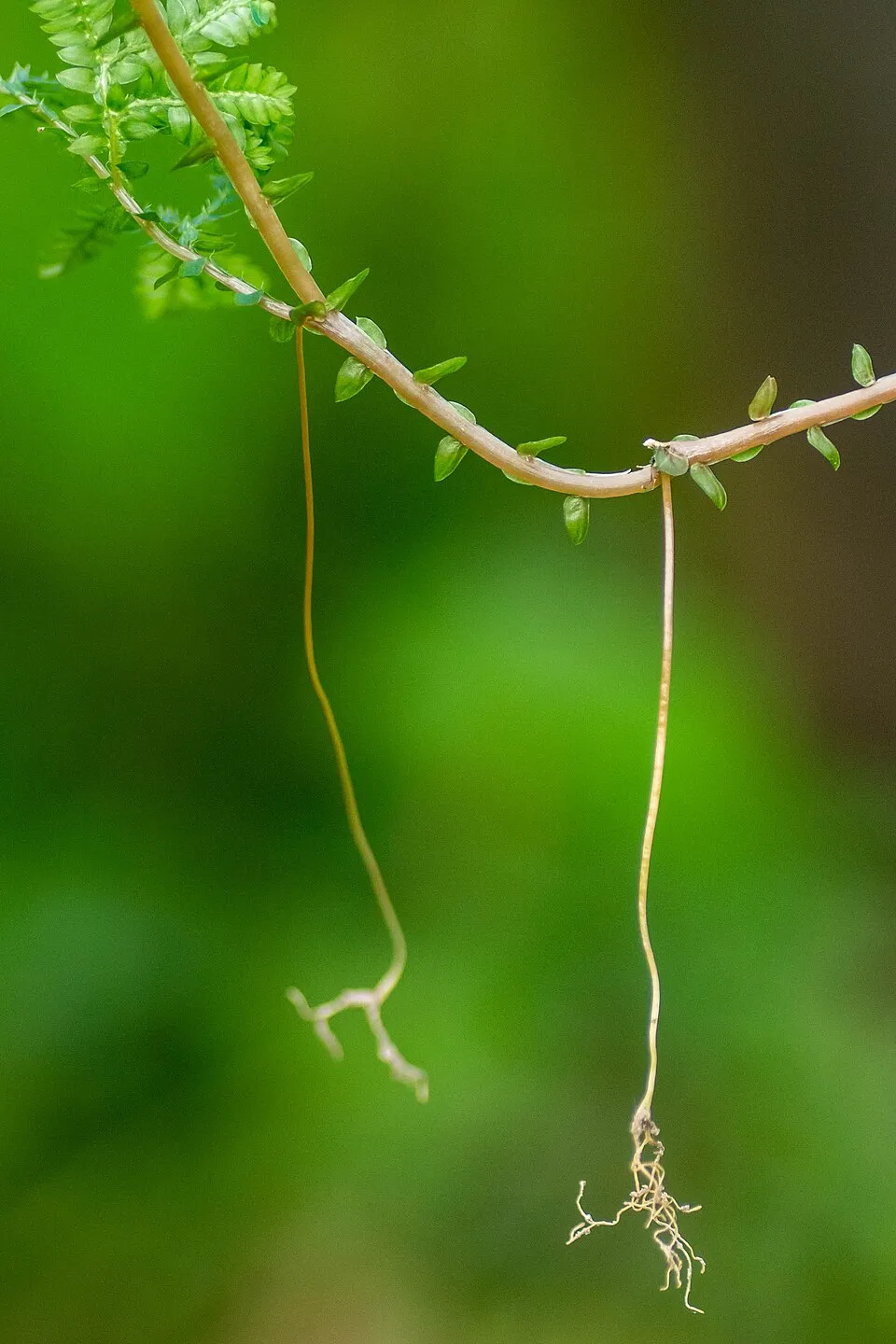
Selaginella uncinata, commonly known as Rainbow Selaginella or Peacock Moss, is a captivating species belonging to the ancient Selaginellaceae family, an evolutionary lineage distinct from flowering plants, reproducing via spores. Native to the subtropical regions of China, particularly thriving in humid, shaded forest understories, this plant is renowned for its iridescent foliage. When cultivated, it typically reaches a height of 8 to 12 inches, forming a dense, creeping mat of emerald-green leaves.
Under optimal lighting conditions, the plant's delicate, scale-like leaves, measuring approximately 1 to 2 inches in length, exhibit a striking variegation, shimmering with shades of blue, pink, yellow, and cream, giving rise to its 'Rainbow' moniker. The leaves are arranged in a unique spiral pattern along its slender, often reddish-green stems, contributing significantly to its ornamental appeal. As a spore-bearing plant, Selaginella uncinata does not produce traditional flowers or seeds; instead, it reproduces through sporophylls aggregated into cone-like strobili.
Its preference for moist, well-drained soil and high humidity makes it an ideal candidate for terrariums, paludariums, or as a ground cover in shaded, tropical garden settings, where it can truly display its vibrant, ever-changing hues.
Trusted Scientific References
1. Authoritative external sources for Selaginella uncinata
1.1 Wikipedia — Selaginella uncinata
1.2 Kew POWO (Plants of the World Online)
1.3 PubMed — peer-reviewed research
1.4 NCBI Taxonomy Browser
1.5 GBIF — Global Biodiversity
1.6Selaginella Rainbow should be interpreted through verified botanical identity, practical care, and responsible safety language. This recovery note adds the missing context needed for a complete profile: match light to the plant's habit, use well-drained soil, water according to season, and avoid unsupported medicinal or edible claims. For publishing, the plant can be presented as a source-backed indoor plant with clear care guidance, common problem diagnosis, and conservative safety wording.
1.1.Selaginella Rainbow — Defining Traits
- ✓Iridescent Rainbow Foliage — Displays stunning blue, pink, yellow, and cream hues under optimal light.
- ✓Spore — Bearing Plant — Reproduces via spores, not flowers or seeds, characteristic of ancient plant lineages.
- ✓Native to China — Thrives in subtropical, humid forest understories of its native habitat.
- ✓Traditional Chinese Medicine (TCM) Herb — Historically used for respiratory support and other ailments.
- ✓Rich Phytochemistry — Contains diverse compounds including flavonoids, chromones, and steroidal saponins.
- ✓Potential Pharmacological Actions — Demonstrated anti-inflammatory, antioxidant, antiasthmatic, and antitumor effects in studies.
- ✓High Humidity Requirement — Ideal for terrariums and indoor environments with controlled moisture.
- ✓Delicate, Scale — Like Leaves — Unique leaf morphology arranged in a distinctive spiral pattern.
- ✓Low — Maintenance Ornamental — Relatively easy to care for as an indoor plant once humidity needs are met.
- ✓Evergreen Groundcover — Forms a dense, creeping mat, suitable for shaded landscape areas in tropical zones.
1.2.Selaginella Rainbow — Quick Summary
- ✓Selaginella uncinata, or Rainbow Selaginella, is an ornamental spore-bearing plant from China.
- ✓Known for its iridescent, changing foliage, ideal for humid environments.
- ✓Traditionally used in TCM for respiratory issues and overall lung health.
- ✓Rich in bioactive compounds like flavonoids, saponins, and polysaccharides.
- ✓Exhibits potential anti-inflammatory, antioxidant, antiasthmatic, and antitumor activities.
- ✓Requires careful cultivation in high humidity and indirect light; medicinal use needs professional guidance due to limited human safety data.
2.Selaginella Rainbow — Taxonomic Classification
3.Selaginella Rainbow — Botanical Stats
4.Selaginella Rainbow — Plant Morphology
5.Selaginella Rainbow — Where It Grows
6.Selaginella Rainbow — Cultural & Traditional Roles
7.Selaginella Rainbow — Bioactive Constituents
- ✓Flavonoids — Selaginella uncinata is particularly rich in various flavonoids, including amentoflavone, apigenin, and luteolin derivatives, known for their potent antioxidant, anti-inflammatory, and neuroprotective activities.
- ✓Chromones — Unique chromone compounds have been identified, contributing to the plant's diverse pharmacological profile, though their specific mechanisms are still under investigation.
- ✓Steroidal Saponins — These triterpenoid glycosides are present and are often associated with adaptogenic, anti-inflammatory, and immune-modulating effects in medicinal plants.
- ✓Polysaccharides — Several biologically active polysaccharides have been isolated from S. uncinata, which are typically recognized for their immunomodulatory, hypoglycemic, and potential antitumor properties.
- ✓Phenolic Acids — Beyond flavonoids, other phenolic acids contribute to the plant's overall antioxidant capacity, protecting cells from oxidative damage.
- ✓Alkaloids — While less prominent than other classes, some alkaloid compounds may be present, often contributing to diverse physiological effects.
- ✓Terpenoids — A range of terpenoid compounds, including monoterpenes and sesquiterpenes, could be found, offering potential anti-inflammatory and antimicrobial benefits.
- ✓Glycosides — Various glycosidic compounds, including specific flavonoids and chromones linked to sugars, are crucial for their bioavailability and pharmacological actions.
8.Selaginella Rainbow — What Research Suggests
- ✓Anti-inflammatory Activity — Extracts and isolated compounds from Selaginella uncinata have demonstrated significant anti-inflammatory properties, potentially by modulating inflammatory pathways and reducing pro-inflammatory mediators.
- ✓Antioxidative Effects — Rich in phenolic compounds, Selaginella uncinata exhibits potent antioxidant activity, helping to neutralize free radicals and mitigate oxidative stress, which is implicated in various chronic diseases.
- ✓Antiasthmatic Support — Traditional Chinese Medicine (TCM) practices utilize certain Selaginella species, including S. uncinata, for respiratory ailments, with modern research suggesting potential antiasthmatic effects, possibly by relaxing bronchial smooth muscles.
- ✓Antitumor Potential — Preliminary studies indicate that Selaginella uncinata contains compounds with anti-tumor properties, showing cytotoxic effects against various cancer cell lines, though human research is limited.
- ✓Hypoglycemic Action — Some constituents of Selaginella uncinata have been investigated for their ability to help regulate blood glucose levels, suggesting potential benefits for managing hyperglycemia.
- ✓Antiviral Properties — The plant's extracts have shown antiviral activity against certain pathogens in laboratory settings, indicating a possible role in supporting the body's defense against viral infections.
- ✓Antiepileptic Effects — Research suggests that compounds from S. uncinata may possess antiepileptic activity, potentially by influencing neurotransmitter systems in the brain.
- ✓Anti-anoxic Benefits — Selaginella uncinata has been studied for its anti-anoxic effects, which means it may help protect cells and tissues from damage caused by oxygen deprivation.
- ✓Respiratory Health — Beyond asthma, traditional uses suggest broader benefits for lung health and alleviating symptoms like cough, attributed to its mucolytic and soothing properties.
8.1.Selaginella Rainbow — Conditions Traditionally Used For
9.Selaginella Rainbow — Precautions & Warnings
9.1.Selaginella Rainbow — Warnings
- ✓Digestive Upset — In some individuals, internal consumption may lead to mild gastrointestinal discomfort, such as nausea or diarrhea.
- ✓Allergic Reactions — Sensitive individuals may experience allergic responses, including skin rashes, itching, or respiratory symptoms.
- ✓Hypothetical Drug Interactions — Due to its potential pharmacological activities (e.g., hypoglycemic, anticoagulant), it may interact with prescription medications.
- ✓Liver/Kidney Stress — High doses or prolonged use, especially with unpurified extracts, could theoretically place stress on liver or kidney function.
- ✓Lack of Safety Data — The long-term safety and specific adverse effects in humans are not well-established due to limited clinical research.
- ✓Pregnancy/Lactation Risks — Insufficient data exists regarding its safety during pregnancy and breastfeeding, thus use is generally advised against.
9.2.Selaginella Rainbow — Clinical Safety Notes
- ✓Limited Human Research — The safety of Selaginella uncinata for human internal consumption is not extensively studied in clinical trials.
- ✓Professional Consultation — Always consult a qualified healthcare practitioner or medical herbalist before using for medicinal purposes, especially with underlying health conditions.
- ✓Avoid During Pregnancy/Lactation — Due to a lack of safety data, pregnant and breastfeeding women should avoid its medicinal use.
- ✓Children and Infants — Not recommended for use in children or infants without expert medical supervision.
- ✓Potential Drug Interactions — Exercise caution if taking anticoagulant, anti-diabetic, or other medications due to theoretical interaction risks.
- ✓Quality Control — Ensure any medicinal preparation is sourced from reputable suppliers with proper identification and quality control measures.
- ✓Dosage — Adhere strictly to recommended dosages, as excessive intake may increase the risk of adverse effects.
10.Selaginella Rainbow — Application Forms
- ✓Decoction — Traditionally, the dried whole plant is simmered in water to create a decoction for internal consumption, often for respiratory ailments.
- ✓Topical Poultice — Crushed fresh plant material may be applied externally as a poultice for minor skin irritations or localized inflammation, though evidence is anecdotal.
- ✓Herbal Tea — Dried leaves can be steeped in hot water to prepare a mild herbal tea, used traditionally for general well-being or mild coughs.
- ✓Tincture — The plant material can be macerated in alcohol to create a tincture, offering a concentrated form for internal use under professional guidance.
- ✓Powdered Form — Dried and finely ground Selaginella uncinata powder can be encapsulated or mixed into liquids for ease of administration.
- ✓Medicinal Baths — Infusions of the plant may be added to bathwater for potential skin-soothing or relaxing effects, based on traditional practices.
- ✓Traditional Formulations — Often combined with other herbs in complex Traditional Chinese Medicine (TCM) formulas to address specific conditions like cough or asthma.
11.Selaginella Rainbow — Growth Requirements
- ✓Humidity — Requires consistently high humidity, ideally above 70%, making it excellent for terrariums or humidifiers.
- ✓Light — Prefers bright, indirect light or partial shade; direct sunlight can scorch its delicate foliage and diminish its vibrant coloration.
- ✓Soil — Thrives in moist, well-draining, acidic to neutral soil rich in organic matter, such as a peat-based potting mix.
- ✓Watering — Keep the soil consistently moist but not waterlogged; never allow it to dry out completely, as this can lead to rapid decline.
- ✓Temperature — Prefers warm temperatures between 65-80°F (18-27°C) and should be protected from cold drafts.
- ✓Propagation — Easily propagated by stem cuttings or division; stem nodes readily root when in contact with moist substrate.
- ✓Fertilization — Feed sparingly during the growing season (spring/summer) with a diluted liquid fertilizer to avoid nutrient burn.
- ✓Air Circulation — Good air circulation is important to prevent fungal issues, especially in high-humidity environments.
Reviewed by the Flora Medical Global Botanical Review Panel
Multi-disciplinary editorial group · Botany · Ethnobotany · Herbal-medicine literature
Who reviewed this: This page was checked by the Flora Medical Global Botanical Review Panel — an in-house editorial group of botany graduates, ethnobotany researchers, and horticulture practitioners who collectively maintain our 7,000+ plant encyclopedia. Meet the team.
Our 4-step verification process
1. Taxonomic verification
Scientific names and synonyms cross-checked against Kew POWO, World Flora Online, and The Plant List.
2. Phytochemical & medicinal cross-reference
Active compounds, traditional uses, and reported activities are cross-referenced with PubMed, USDA Dr. Duke's database, and peer-reviewed ethnobotanical literature.
3. Conservation & distribution check
Distribution, ecology, and conservation status confirmed against GBIF occurrence records and the IUCN Red List.
4. Editorial & safety review
Every entry passes an editorial pass for clarity, originality, and safety notices (toxicity, contraindications, dosage caveats) before publication.
Last reviewed:
Important medical disclaimer: This content is for educational and research purposes only. It is not medical advice and is not a substitute for consultation with a licensed healthcare provider. Do not use any herb to self-treat a medical condition without professional guidance.
Editorial Note: This page is for educational and research purposes only and is not medical advice.
Written by: Flora Medical Global Editorial Team
Reviewed by: Flora Medical Global Botanical Review Panel
Last Updated: June 15, 2026





Selaginella Rainbow — Comments & Community Reviews
Rate this plant