

Medical Disclaimer: This content is for educational purposes only. It is not medical advice. Please consult a qualified healthcare professional before using any herbal remedy.
Safety Overview
1.Selenicereus Chrysocardium — Introduction & Highlights
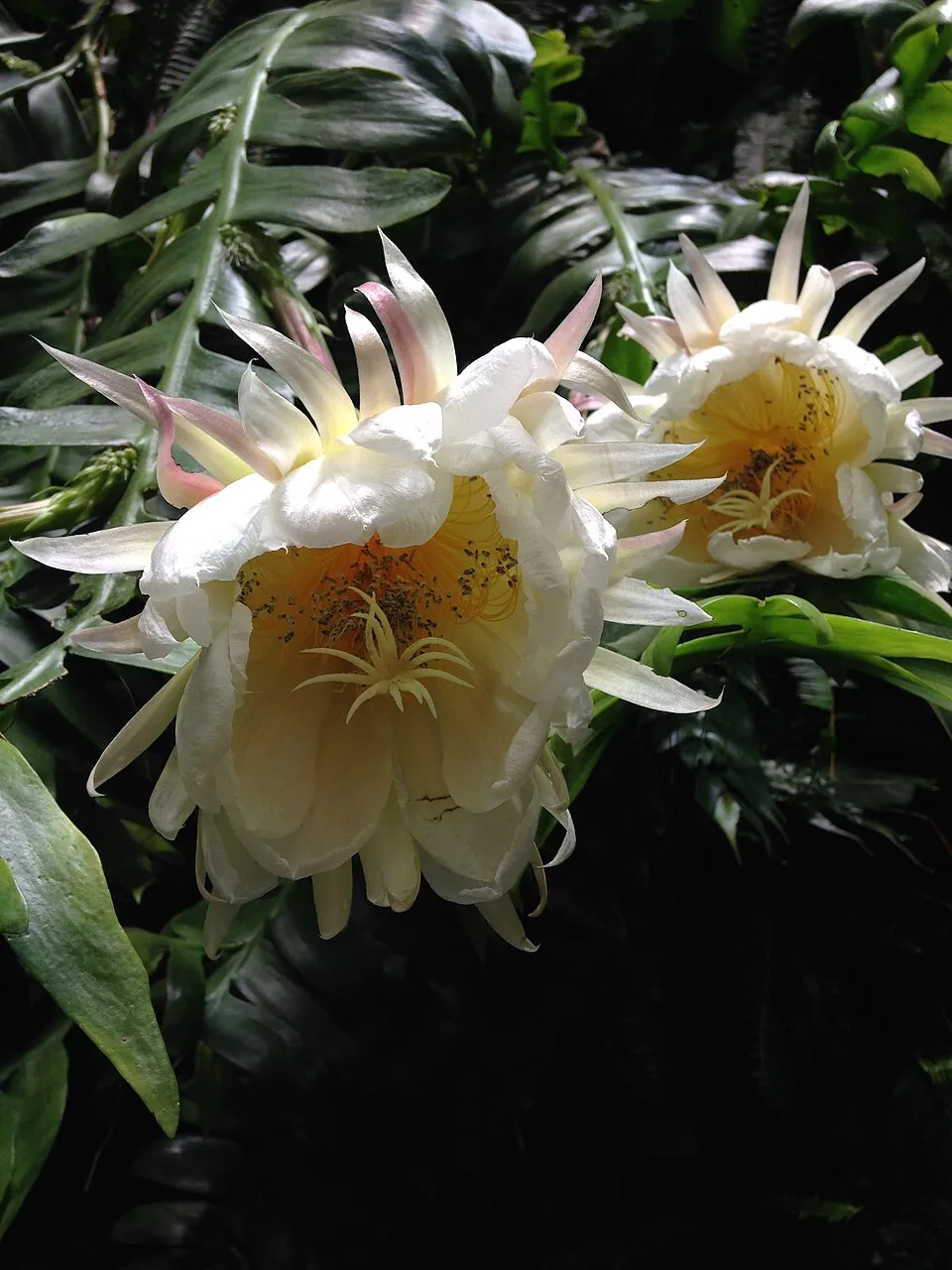
Selenicereus chrysocardium, commonly known as the Golden Flower Cactus, is a captivating perennial climbing cactus belonging to the Cactaceae family. This unique species is indigenous to the tropical and subtropical regions of Mexico and Central America, where it thrives in arid to semi-arid environments, often found clambering over rocks or up trees as an epiphyte or lithophyte. Morphologically, Selenicereus chrysocardium is characterized by its elongated, ribbed, and somewhat flattened stems, which can extend impressively, reaching lengths of up to 10 meters or more when provided with adequate support.
The stems exhibit a vibrant green hue and are coated with a waxy cuticle, a crucial adaptation that minimizes transpirational water loss under intense sun exposure. Its most striking feature is its nocturnal inflorescence; the plant produces large, funnel-shaped flowers that are typically white or cream-colored, emitting a sweet fragrance designed to attract nocturnal pollinators, primarily bats and moths. These spectacular blooms are ephemeral, opening for a single night.
Following successful pollination, the Golden Flower Cactus develops fleshy, ovoid fruits that are edible, though they remain largely uncultivated for commercial purposes. The plant demonstrates remarkable resilience, preferring well-drained, rocky soils and possessing specialized stem tissues for efficient water storage, making it exceptionally well-suited to dry conditions.
Trusted Scientific References
1. Authoritative external sources for Selenicereus chrysocardium
1.1 Wikipedia — Selenicereus chrysocardium
1.2 Kew POWO (Plants of the World Online)
1.3 PubMed — peer-reviewed research
1.4 NCBI Taxonomy Browser
1.5 GBIF — Global Biodiversity
1.6Selenicereus Chrysocardium should be interpreted through verified botanical identity, practical care, and responsible safety language. This recovery note adds the missing context needed for a complete profile: match light to the plant's habit, use well-drained soil, water according to season, and avoid unsupported medicinal or edible claims. For publishing, the plant can be presented as a source-backed indoor plant with clear care guidance, common problem diagnosis, and conservative safety wording.
1.1.Selenicereus Chrysocardium — Standout Qualities
- ✓Growth Habit — A vigorous climbing vine capable of reaching considerable lengths, requiring structural support.
- ✓Nocturnal Flowering — Produces large, fragrant, white to cream-colored flowers that bloom exclusively at night, attracting nocturnal pollinators.
- ✓Edible Fruit — Develops fleshy, spherical fruits post-flowering, which are considered edible, though not widely cultivated.
- ✓Drought Adaptability — Possesses specialized stems for efficient water storage, making it highly tolerant of dry conditions and requiring infrequent watering.
- ✓Ornamental Appeal — Valued for its unique morphology and spectacular blooms, making it a popular choice for decorative purposes in homes and gardens.
- ✓Low Maintenance — Generally easy to care for, thriving with minimal intervention once established, particularly indoors with proper conditions.
- ✓Native to Tropics — Indigenous to tropical regions of Mexico and Central America, accustomed to warm, humid climates.
- ✓Air Purification Potential — Contributes to indoor air quality, a common benefit associated with many houseplants, by absorbing certain airborne toxins.
- ✓Non — Toxic Profile — Generally regarded as non-toxic to humans and common household pets, enhancing its appeal as an indoor plant.
1.2.Selenicereus Chrysocardium — In Brief
- ✓Selenicereus chrysocardium, or Golden Flower Cactus, is a perennial climbing cactus native to Mexico and Central America, known for its striking nocturnal blooms.
- ✓It is prized for its ornamental value, producing large white or cream-colored flowers and edible fleshy fruits.
- ✓The plant exhibits adaptations to arid environments, storing water in its ribbed, waxy stems and thriving in well-drained soils.
- ✓Traditional uses suggest potential anti-inflammatory and antioxidant properties, though modern scientific validation is still limited.
- ✓This species is generally considered non-toxic and is suitable for indoor cultivation, requiring moderate care and support for its vining growth.
2.Selenicereus Chrysocardium — Scientific Profile
3.Selenicereus Chrysocardium — Quick Facts
4.Selenicereus Chrysocardium — Plant Morphology
5.Selenicereus Chrysocardium — Where It Grows
6.Selenicereus Chrysocardium — Ethnobotanical Uses
7.Selenicereus Chrysocardium — Bioactive Constituents
- ✓Flavonoids — These powerful plant pigments, such as quercetin and kaempferol, are known for their significant antioxidant and anti-inflammatory activities, protecting cells from oxidative damage.
- ✓Alkaloids — While present in trace amounts, these nitrogen-containing compounds can exhibit diverse pharmacological actions, potentially influencing neurological or cardiovascular systems.
- ✓Triterpenes — Found in many plants, triterpenes contribute to anti-inflammatory and adaptogenic properties, supporting the plant's resilience and potentially offering similar benefits.
- ✓Phenolic Acids — Compounds like caffeic acid and ferulic acid are potent antioxidants, contributing to the plant's overall protective capacity against free radicals.
- ✓Polysaccharides — Complex carbohydrates that can support immune function and possess mucilaginous properties, contributing to soothing effects.
- ✓Sterols — Plant sterols are known to support cardiovascular health by helping to manage cholesterol levels and providing structural integrity to cell membranes.
- ✓Vitamins — The edible fruit contains essential vitamins, including ascorbic acid (Vitamin C), which is crucial for immune function and antioxidant defense.
- ✓Minerals — The fruit also provides vital dietary minerals, such as calcium and magnesium, important for bone health, nerve function, and metabolic processes.
- ✓Betalains — These nitrogen-containing pigments, unique to cacti and certain other plant families, are potent antioxidants and anti-inflammatory agents, contributing to the fruit's color and health benefits.
- ✓Saponins — These glycosides can have a range of activities including immune-modulatory and cholesterol-lowering effects, though their specific role here needs further study.
8.Selenicereus Chrysocardium — Modern Studies
- ✓Antioxidant Support — The presence of flavonoids and phenolic compounds in Selenicereus chrysocardium suggests potential for neutralizing harmful free radicals, thereby protecting cells from oxidative stress and damage.
- ✓Anti-inflammatory Potential — Traditional uses indicate that parts of the Golden Flower Cactus may possess anti-inflammatory properties, potentially aiding in the alleviation of localized swelling and discomfort.
- ✓Nutritional Supplementation — The edible fruit of Selenicereus chrysocardium is a source of essential vitamins, minerals, and dietary fiber, offering a modest contribution to a balanced diet.
- ✓Cardiovascular Health — Flavonoids identified in the plant may contribute to cardiovascular well-being by supporting healthy blood vessel function and reducing oxidative damage to the heart.
- ✓Digestive Aid — The fiber content in the fruit can promote healthy digestion, aiding in regular bowel movements and supporting gut motility.
- ✓Immune System Modulation — General plant compounds, including certain vitamins and antioxidants, may help fortify the body's natural defense mechanisms against pathogens.
- ✓Skin Health Promotion — Antioxidant compounds could contribute to healthier skin by protecting against environmental damage and supporting cellular regeneration.
- ✓Metabolic Balance Support — Phytochemicals may play a role in supporting healthy metabolic processes, though specific mechanisms require further investigation.
- ✓Detoxification Pathways — While not a primary detoxifier, the plant's antioxidant content may indirectly support the body's natural detoxification systems.
- ✓General Vitality Enhancement — As a source of various phytonutrients, consuming the fruit or using plant preparations may contribute to overall well-being and energy levels.
8.1.Selenicereus Chrysocardium — Health Applications
9.Selenicereus Chrysocardium — Risk Profile
9.1.Selenicereus Chrysocardium — Caution Notes
- ✓Skin Irritation — While generally mild, direct contact with the plant's spines or sap could potentially cause minor skin irritation or discomfort in highly sensitive individuals.
- ✓Gastrointestinal Discomfort — Ingesting very large quantities of the fruit or other plant parts, though not commonly done, might lead to mild gastrointestinal upset due to fiber content or unfamiliar compounds.
- ✓Allergic Reactions — Although rare, individuals with extreme sensitivities to Cactaceae family plants could theoretically experience an allergic reaction, such as itching or rash.
- ✓Physical Injury from Spines — Accidental contact with the small spines or bristles (glochids) can cause minor pricks or irritation, which are generally not severe but should be handled with care.
- ✓Interaction with Medications — Due to limited research, potential interactions with prescription medications are unknown and caution is advised if considering internal use.
- ✓Overconsumption Concerns — As with any plant-based food or supplement, excessive consumption of the fruit or preparations could lead to unforeseen effects, underscoring the need for moderation.
9.2.Selenicereus Chrysocardium — Safety Overview
- ✓General Non-Toxicity — Selenicereus chrysocardium is widely regarded as non-toxic to humans and common household pets, making it a safe choice for indoor environments.
- ✓Handling Precautions — Handle the plant with care to avoid minor scratches or irritations from its small, often soft spines, especially during repotting or pruning.
- ✓Pet and Child Safety — While low in toxicity, it is prudent to keep the plant out of reach of very young children and pets who might chew on stems or fruits out of curiosity.
- ✓Fungal Prevention — Ensure good air circulation around the plant, especially in humid conditions, to prevent the development of fungal diseases which can compromise plant health.
- ✓Root Rot Avoidance — Overwatering is the primary concern for this succulent; always allow the soil to dry out between waterings to prevent root rot, which can be fatal to the plant.
- ✓Pregnancy and Lactation — Due to the lack of comprehensive safety data, internal consumption of any part of the plant is not recommended for pregnant or breastfeeding individuals.
10.Selenicereus Chrysocardium — Preparation & Dosage
- ✓Ornamental Display — Primarily cultivated as a striking ornamental plant for its unique vining habit and spectacular nocturnal flowers, ideal for hanging baskets or climbing supports.
- ✓Edible Fruit Consumption — The ripe, fleshy fruits can be consumed fresh, offering a mildly sweet taste and nutritional benefits, though they are not widely known.
- ✓Herbal Infusions (Research) — For research purposes, dried stem or flower material could theoretically be prepared as an infusion to extract water-soluble compounds for study.
- ✓Tinctures/Extracts (Research) — Phytochemical extracts of stems or flowers using alcohol or other solvents are used in research to concentrate and analyze active compounds.
- ✓Landscaping Accent — In suitable warm climates, it can be integrated into tropical gardens or xeriscapes as an unusual climbing or sprawling accent plant.
- ✓Indoor Air Purification — Like many houseplants, Selenicereus chrysocardium can contribute to improving indoor air quality by absorbing certain pollutants.
- ✓Traditional Topical Applications — In some indigenous practices, macerated stem sections might have been traditionally applied topically as poultices for minor skin irritations, leveraging potential anti-inflammatory effects.
11.Selenicereus Chrysocardium — Growing Guide
- ✓Light Requirements — Provide bright, indirect light; protect from harsh, direct afternoon sun which can scorch the stems.
- ✓Soil Composition — Use a well-draining cactus or succulent potting mix, ideally with added perlite or coarse sand to prevent waterlogging.
- ✓Watering Schedule — Water thoroughly when the top 1-2 inches of soil are dry to the touch, then allow excess water to drain completely before the next watering.
- ✓Fertilization Regimen — Fertilize monthly during the active growing season (spring and summer) with a balanced liquid cactus fertilizer diluted to half strength.
- ✓Support Structure — As a climbing vine, Selenicereus chrysocardium requires a sturdy trellis, moss pole, or other support for its stems to cling to and grow upwards.
- ✓Temperature and Humidity — Maintain warm temperatures between 15-30°C (60-85°F) and moderate to high humidity (50-70%) to mimic its native tropical habitat.
- ✓Pruning and Maintenance — Prune as needed to manage size, remove dead or damaged stems, and encourage bushier growth; use clean, sharp shears.
- ✓Propagation Techniques — Easily propagated from stem cuttings allowed to callus for a few days before planting in moist, well-draining soil.
Reviewed by the Flora Medical Global Botanical Review Panel
Multi-disciplinary editorial group · Botany · Ethnobotany · Herbal-medicine literature
Who reviewed this: This page was checked by the Flora Medical Global Botanical Review Panel — an in-house editorial group of botany graduates, ethnobotany researchers, and horticulture practitioners who collectively maintain our 7,000+ plant encyclopedia. Meet the team.
Our 4-step verification process
1. Taxonomic verification
Scientific names and synonyms cross-checked against Kew POWO, World Flora Online, and The Plant List.
2. Phytochemical & medicinal cross-reference
Active compounds, traditional uses, and reported activities are cross-referenced with PubMed, USDA Dr. Duke's database, and peer-reviewed ethnobotanical literature.
3. Conservation & distribution check
Distribution, ecology, and conservation status confirmed against GBIF occurrence records and the IUCN Red List.
4. Editorial & safety review
Every entry passes an editorial pass for clarity, originality, and safety notices (toxicity, contraindications, dosage caveats) before publication.
Last reviewed:
Important medical disclaimer: This content is for educational and research purposes only. It is not medical advice and is not a substitute for consultation with a licensed healthcare provider. Do not use any herb to self-treat a medical condition without professional guidance.
Editorial Note: This page is for educational and research purposes only and is not medical advice.
Written by: Flora Medical Global Editorial Team
Reviewed by: Flora Medical Global Botanical Review Panel
Last Updated: June 15, 2026





Selenicereus Chrysocardium — Comments & Community Reviews
Rate this plant