
Medical Disclaimer: This content is for educational purposes only. It is not medical advice. Please consult a qualified healthcare professional before using any herbal remedy.
Safety Overview
1.Zig Zag Cactus — Overview
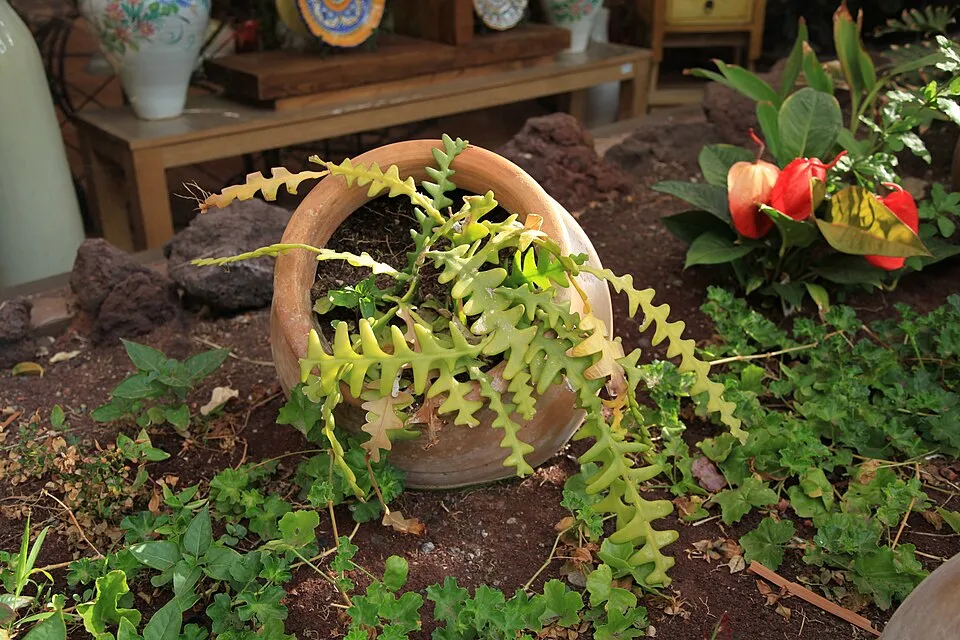
Selenicereus anthonyanus, widely recognized by its captivating common names, the Zig Zag Cactus or Fishbone Cactus, is an intriguing epiphytic cactus indigenous to the humid tropical regions of Central and South America. This botanical marvel is celebrated for its highly distinctive morphology, characterized by flattened, deeply lobed, and sinuously undulating stems that create a striking zigzag pattern, reminiscent of a fishbone. These vibrant green to dark green stems emerge from a central base, extending to lengths of approximately 1.5 to 3 meters (5 to 10 feet) in their natural mixed-growth settings.
In cultivation, they adopt an elegant cascading form, making them ideal for hanging baskets, or can be trained as climbing plants. Each segment of the stem features pronounced edges and a subtly ribbed texture, contributing to its unique aesthetic appeal. Under optimal conditions, typically during warmer months, the Zig Zag Cactus produces large, exquisitely fragrant, white to creamy-white flowers that unfurl dramatically at night.
These ephemeral blooms, often lasting only a single day, are a spectacular, albeit fleeting, display. While its nocturnal flowers are stunning, Selenicereus anthonyanus is primarily cultivated and admired for its extraordinary foliage, which provides year-round visual interest. Taxonomically, it belongs to the Cactaceae family, a diverse group known for its succulent and often spiny members, though this species is notably less spiny.
Trusted Scientific References
1. Authoritative external sources for Selenicereus anthonyanus
1.1 Wikipedia — Selenicereus anthonyanus
1.2 Kew POWO (Plants of the World Online)
1.3 PubMed — peer-reviewed research
1.4 NCBI Taxonomy Browser
1.5 GBIF — Global Biodiversity
1.6Zig Zag Cactus should be interpreted through verified botanical identity, practical care, and responsible safety language. This recovery note adds the missing context needed for a complete profile: match light to the plant's habit, use well-drained soil, water according to season, and avoid unsupported medicinal or edible claims. For publishing, the plant can be presented as a source-backed indoor plant with clear care guidance, common problem diagnosis, and conservative safety wording.
1.1.Zig Zag Cactus — Key Features
- ✓Distinctive zigzagging, flattened — Distinctive zigzagging, flattened stems.
- ✓Epiphytic growth habit, — Epiphytic growth habit, often cascading.
- ✓Large, fragrant, white — Large, fragrant, white nocturnal blooms.
- ✓Rich in antioxidants — Rich in antioxidants like phenolic compounds.
- ✓Potential antimicrobial properties. — Potential antimicrobial properties.
- ✓Symbolizes adaptability and — Symbolizes adaptability and resilience.
- ✓Natural air purifier — Natural air purifier indoors.
- ✓Low maintenance houseplant. — Low maintenance houseplant.
- ✓Native to tropical — Native to tropical Central and South America.
- ✓Valued for ornamental — Valued for ornamental foliage.
1.2.Zig Zag Cactus — Quick Summary
- ✓Unique epiphytic cactus with zigzag stems and fragrant nocturnal flowers.
- ✓Primarily ornamental, but traditionally recognized for antioxidant potential.
- ✓Contains alkaloids and phenolic compounds with potential antimicrobial activity.
- ✓Contributes to indoor air purification and stress reduction as a houseplant.
- ✓Requires well-draining soil, indirect light, and moderate watering.
- ✓Internal use is not recommended due to limited safety data.
2.Zig Zag Cactus — Scientific Profile
3.Zig Zag Cactus — Quick Facts
4.Zig Zag Cactus — Morphological Account
5.Zig Zag Cactus — Where It Grows
6.Zig Zag Cactus — Ethnobotanical Uses
7.Zig Zag Cactus — Secondary Metabolites
- ✓Alkaloids — A diverse group of nitrogen-containing organic compounds, often with significant physiological effects. Specific alkaloids in Selenicereus anthonyanus are being investigated for potential pharmacological activities, including their role in the plant's defense mechanisms and potential therapeutic applications.
- ✓Phenolic Compounds — A broad class of plant metabolites characterized by a hydroxyl group attached to an aromatic ring. These include flavonoids, phenolic acids, and tannins, which are well-known for their potent antioxidant, anti-inflammatory, and antimicrobial properties.
- ✓Flavonoids — A subgroup of phenolic compounds, responsible for plant pigmentation and offering strong antioxidant and free-radical scavenging capabilities. They are also recognized for potential anti-inflammatory, antiviral, and cardioprotective effects.
- ✓Triterpenes — Organic compounds found in plants that often possess anti-inflammatory, antimicrobial, and adaptogenic properties. Their presence in cacti is common and contributes to the plant's overall biochemical profile.
- ✓Saponins — Glycosides with a distinctive foaming property, known for their potential to lower cholesterol, stimulate the immune system, and exhibit antimicrobial activity. Their specific roles in Selenicereus anthonyanus are an area for further study.
- ✓Polysaccharides — Complex carbohydrates, including mucilage, which can provide soothing, demulcent effects and support digestive health. These contribute to the succulent nature and water retention capabilities of the cactus.
- ✓Organic Acids — Compounds like malic acid, which are involved in the plant's CAM photosynthesis pathway and can contribute to the plant's taste and preservation properties, as well as potential antioxidant roles.
- ✓Sterols — Plant-derived steroids that can have cholesterol-lowering effects and contribute to cell membrane structure. Beta-sitosterol is a common example found in many plants.
- ✓Vitamins and Minerals — While not typically high concentrations, cacti can contain trace amounts of essential vitamins (e.g., Vitamin C, B vitamins) and minerals (e.g., calcium, magnesium) vital for plant metabolism and potentially contributing to nutritional value.
- ✓Caffeoylquinic Acids — A type of phenolic acid, often found in plants, with documented antioxidant and anti-inflammatory properties. Chlorogenic acid is a prominent example within this group.
8.Zig Zag Cactus — What Research Suggests
- ✓Antioxidant Properties — Rich in phenolic compounds and flavonoids, Selenicereus anthonyanus exhibits significant antioxidant activity, helping to neutralize free radicals and protect cells from oxidative stress, which is a key factor in chronic diseases.
- ✓Potential Anti-inflammatory Effects — The presence of certain alkaloids and phenolic compounds may contribute to anti-inflammatory actions, potentially modulating inflammatory pathways in the body and reducing swelling or discomfort.
- ✓Antimicrobial Activity — Extracts from the Zig Zag Cactus have shown in vitro antibacterial and antifungal properties, suggesting a role in inhibiting the growth of various pathogenic microorganisms, which could be beneficial for preventing infections.
- ✓Air Purification — As a living plant, Selenicereus anthonyanus contributes to indoor air quality by absorbing common volatile organic compounds (VOCs) and releasing oxygen, thereby creating a healthier living environment.
- ✓Stress Reduction and Mood Enhancement — The act of caring for plants like the Fishbone Cactus is recognized for its therapeutic benefits, promoting mental well-being, reducing stress, and fostering a sense of calm and connection to nature.
- ✓Adaptogenic Symbolism — Culturally, the plant is viewed as a symbol of adaptability and resilience, reflecting its ability to thrive in challenging conditions, which can offer psychological comfort and inspiration to individuals.
- ✓Traditional Ethnobotanical Uses — While not extensively documented in major traditional medical systems, some indigenous communities in its native range have historically utilized parts of the plant for minor ailments, often related to skin irritations or as a general tonic, based on anecdotal evidence.
- ✓Nutritional Potential — Though primarily ornamental, cacti, in general, can contain mucilage, vitamins, and minerals. Further research might reveal specific nutritional components in Selenicereus anthonyanus that could contribute to health.
- ✓Digestive Support — Some cactus species are known for their mucilage content, which can soothe the digestive tract. While not specifically confirmed for Zig Zag Cactus, this is a general benefit associated with some cacti that might warrant investigation.
- ✓Cardiovascular Health Support — Certain plant compounds, including flavonoids, can support cardiovascular health by improving blood vessel function and reducing oxidative stress, a potential area for future research with Selenicereus anthonyanus.
- ✓Immune System Modulation — The antioxidant and anti-inflammatory compounds found in the Zig Zag Cactus might contribute to supporting the immune system by protecting immune cells from damage and optimizing their function.
8.1.Zig Zag Cactus — Conditions Traditionally Used For
9.Zig Zag Cactus — Precautions & Warnings
9.1.Zig Zag Cactus — Possible Adverse Reactions
- ✓Skin Irritation — Direct contact with the plant's sap or spines (though less prominent than other cacti) could potentially cause mild skin irritation or allergic reactions in sensitive individuals.
- ✓Gastrointestinal Upset — Ingestion of any part of the Zig Zag Cactus is not recommended and could lead to gastrointestinal distress, including nausea, vomiting, or diarrhea, due to unknown compounds.
- ✓Allergic Reactions — Individuals with sensitivities to other plants in the Cactaceae family may experience allergic reactions upon contact or exposure to the plant's pollen during blooming.
- ✓Toxicity Unknown — The full toxicological profile of Selenicereus anthonyanus when ingested is largely unknown, making internal use highly risky without comprehensive scientific study.
- ✓Herb-Drug Interactions — If any active compounds are absorbed systemically, there is a theoretical risk of interaction with pharmaceutical medications, although this is speculative given limited internal use.
- ✓Photosensitivity — Some plant compounds can cause photosensitivity. While not documented for Zig Zag Cactus, it's a general consideration for novel plant exposures.
- ✓Environmental Contaminants — Plants grown in contaminated environments may accumulate heavy metals or pesticides, which could pose a risk if consumed, even if the plant itself is non-toxic.
9.2.Zig Zag Cactus — Safety Profile
- ✓External Use Only — Primarily recommended for ornamental purposes. Any internal consumption is strongly discouraged due to lack of safety data and potential unknown toxicity.
- ✓Keep Out of Reach of Children and Pets — To prevent accidental ingestion or contact with sap, ensure the plant is placed where young children and curious pets cannot access it.
- ✓Consult Healthcare Professional — Before considering any traditional or novel medicinal application, consult a qualified medical herbalist or healthcare provider, especially if pregnant, nursing, or on medication.
- ✓No Established Medicinal Dosage — There are no scientifically established safe or effective dosages for Selenicereus anthonyanus for any medicinal purpose in humans.
- ✓Identify Correctly — Always ensure correct botanical identification of the plant, as misidentification can lead to exposure to toxic species.
- ✓Patch Test for Topical Use — If considering any topical application, perform a patch test on a small area of skin first to check for allergic reactions or irritation.
- ✓Avoid Ingestion During Pregnancy/Lactation — Due to the absence of safety data, pregnant and lactating individuals should strictly avoid any internal use of Zig Zag Cactus.
10.Zig Zag Cactus — Application Forms
- ✓Ornamental Display — Primarily cultivated as an ornamental houseplant or garden specimen, admired for its unique zigzagging stems and fragrant nocturnal flowers. Often grown in hanging baskets or as a climbing feature.
- ✓Air Freshener — Placed indoors to contribute to improved air quality by naturally filtering common indoor pollutants and increasing oxygen levels, enhancing the living environment.
- ✓Stress Relief Ritual — Used as part of a plant care routine, the act of tending to the Zig Zag Cactus can serve as a meditative practice, promoting mindfulness and reducing stress and anxiety.
- ✓Topical Preparations (Traditional) — In some traditional contexts, crushed stems or sap might have been applied externally as a poultice for minor skin irritations or insect bites, though scientific validation is limited.
- ✓Infusions/Decoctions (Exploratory) — Hypothetically, for research purposes, dried plant material could be prepared as infusions or decoctions to extract water-soluble compounds for in vitro studies on antioxidant or antimicrobial activity.
- ✓Tinctures/Extracts (Research) — For scientific investigation, ethanolic or other solvent-based extracts could be prepared to concentrate specific phytochemicals for detailed analysis of their medicinal potential.
- ✓Culinary Use (Cautionary) — While some cacti are edible, there is no established safe culinary use for Selenicereus anthonyanus. Any internal consumption should be avoided without expert guidance due to unknown toxicity.
- ✓Cultural and Symbolic Object — Utilized as a symbolic plant in homes and gardens to represent resilience, adaptability, and individuality, contributing to the aesthetic and spiritual ambiance of a space.
11.Zig Zag Cactus — Propagation & Care
- ✓Soil Requirements — Thrives in well-draining, airy soil mixes specifically formulated for epiphytic cacti or orchids, often composed of bark, perlite, and a small amount of potting soil to mimic its natural arboreal habitat.
- ✓Watering Schedule — Requires moderate watering; allow the top inch or two of soil to dry out completely between watering sessions to prevent root rot, especially during cooler months. Reduce watering significantly in winter.
- ✓Light Exposure — Prefers bright, indirect light. Direct, intense sunlight can scorch its delicate stems, leading to discoloration. An east or north-facing window is ideal, or a shaded outdoor spot in warm climates.
- ✓Humidity Needs — Benefits from high humidity environments, reflecting its tropical origins. Regular misting, especially during dry periods, or placing the pot on a pebble tray filled with water can help maintain adequate moisture in the air.
- ✓Fertilization — Feed with a balanced, diluted liquid fertilizer formulated for cacti or orchids during its active growing season (spring and summer), typically once every 2-4 weeks. Reduce or cease fertilization in fall and winter.
- ✓Temperature Preference — Prefers warm temperatures, ideally between 18-29°C (65-85°F). Protect from frost and sudden temperature drops, as it is not cold-hardy.
- ✓Potting and Support — Best grown in hanging baskets where its cascading stems can be displayed, or given a trellis to climb. Repot every 2-3 years, or when root-bound, into a slightly larger container with fresh medium.
- ✓Pest Management — Monitor for common pests like mealybugs, spider mites, and scale insects. Treat infestations promptly with insecticidal soap or neem oil, ensuring adequate air circulation to prevent fungal issues.
Reviewed by the Flora Medical Global Botanical Review Panel
Multi-disciplinary editorial group · Botany · Ethnobotany · Herbal-medicine literature
Who reviewed this: This page was checked by the Flora Medical Global Botanical Review Panel — an in-house editorial group of botany graduates, ethnobotany researchers, and horticulture practitioners who collectively maintain our 7,000+ plant encyclopedia. Meet the team.
Our 4-step verification process
1. Taxonomic verification
Scientific names and synonyms cross-checked against Kew POWO, World Flora Online, and The Plant List.
2. Phytochemical & medicinal cross-reference
Active compounds, traditional uses, and reported activities are cross-referenced with PubMed, USDA Dr. Duke's database, and peer-reviewed ethnobotanical literature.
3. Conservation & distribution check
Distribution, ecology, and conservation status confirmed against GBIF occurrence records and the IUCN Red List.
4. Editorial & safety review
Every entry passes an editorial pass for clarity, originality, and safety notices (toxicity, contraindications, dosage caveats) before publication.
Last reviewed:
Important medical disclaimer: This content is for educational and research purposes only. It is not medical advice and is not a substitute for consultation with a licensed healthcare provider. Do not use any herb to self-treat a medical condition without professional guidance.
Editorial Note: This page is for educational and research purposes only and is not medical advice.
Written by: Flora Medical Global Editorial Team
Reviewed by: Flora Medical Global Botanical Review Panel
Last Updated: June 15, 2026





Zig Zag Cactus — Comments & Community Reviews
Rate this plant